How to Put on Dog Harness Vest: Step-by-Step Guide
Senior Canine Nutritionist & Dog Behavior Specialist at Cozy Dog Go Wellness Lab
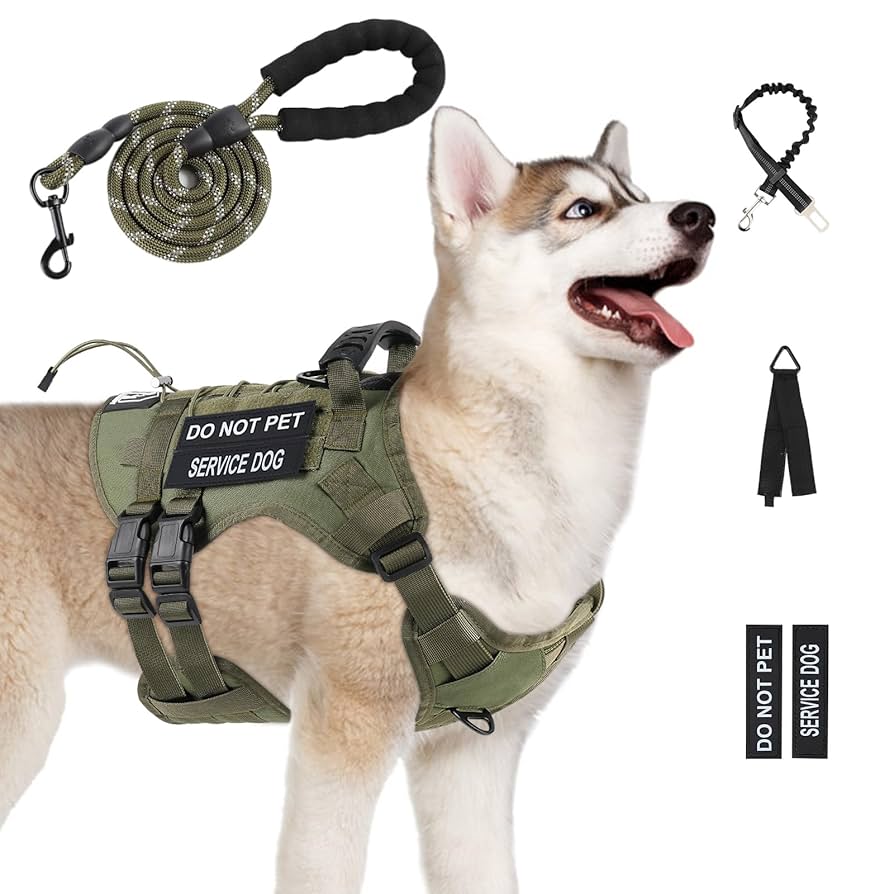
Are you feeling a bit overwhelmed trying to figure out how to put on a dog harness vest? You’re not alone.
Many pet owners find themselves puzzled at first. But here’s the good news: you’re about to learn a simple, step-by-step method that will make the process a breeze. Imagine taking your dog on walks without the usual struggle, knowing they are both comfortable and safe.
By the time you finish reading this article, you’ll have the confidence and know-how to put on your dog’s harness vest effortlessly. Get ready to transform your walking routine into a stress-free experience for both you and your furry friend. Let’s dive in and tackle this task together!
Choosing The Right Harness Vest
Choosing the right harness vest for your dog is important. It ensures comfort and safety during walks. Not all harness vests suit every dog. Factors like size, breed, and activity level matter. A proper fit prevents discomfort and injury. Let’s explore how to choose the best harness vest for your furry friend.
Types Of Dog Harness Vests
Harness vests come in various types. Each serves a different purpose:
- Back-Clip Harness:Ideal for small to medium dogs. Easy to use and reduces neck strain.
- Front-Clip Harness:Helps with training and control. Good for dogs that pull.
- Step-In Harness:Simple design. The dog steps into the harness, then you clip it.
- Vest Harness:Offers extra padding. Comfortable for long walks.
Select a type based on your dog’s behavior and needs.
Sizing And Fit Considerations
Correct sizing is crucial for a harness vest. Measure your dog’s chest and neck. Use a flexible tape measure for accuracy. Check the manufacturer’s size chart. Each brand may differ slightly. A harness should fit snugly. It should not be too tight or too loose.
Check the fit by sliding two fingers under the harness. If it feels too tight, choose a larger size. If it slides easily, a smaller size may be better. Observe your dog wearing the harness. Ensure they move comfortably without chafing.
Proper fit ensures safety and comfort during walks. Always prioritize your dog’s well-being.
Preparing Your Dog
Preparing your dog for wearing a harness vest is essential. It ensures comfort and ease during walks. A relaxed dog is more likely to accept the harness. This preparation step helps create a positive experience.
Calming Techniques
Begin by using calming techniques to soothe your dog. Speak in a gentle voice. Use slow movements. Pet your dog gently to reassure them. Familiar scents can also help. Consider using their favorite blanket or toy.
Creating A Positive Environment
A positive environment encourages cooperation. Choose a quiet space with minimal distractions. Play soft music to enhance relaxation. Reward your dog with treats for calm behavior. Positive reinforcement builds trust.
Adjusting The Harness Vest
Adjusting the harness vest ensures a comfortable fit for your dog. Begin by slipping it over your dog’s head. Fasten the straps securely, making sure they are snug but not too tight.
Adjusting the harness vest for your dog is a crucial step to ensure their comfort and safety. A well-fitted harness not only prevents your dog from slipping out but also avoids any chafing or discomfort. Once you’ve selected the right vest, taking the time to adjust it properly makes a world of difference in your dog’s walking experience.Strap Adjustments
Begin by loosening all the straps on the harness. This gives you a clean slate to work with, ensuring that you can customize the fit specifically for your dog. Place the harness over your dog’s back, ensuring the D-ring is positioned correctly for leash attachment. Next, adjust the neck strap. You should be able to slide two fingers comfortably between the strap and your dog’s neck. Too tight, and it could restrict breathing; too loose, and it might slip over the head. Once the neck strap is in place, move on to the chest strap. This should sit snugly without pinching or bunching the skin. Remember, the goal is a secure fit that allows freedom of movement.Ensuring Proper Fit
A properly fitted harness should feel snug but not tight. After adjusting, take a moment to observe your dog. Are they moving naturally? Is there any indication of discomfort or resistance? Perform a quick mobility test. Walk your dog around the room and observe their gait. If the harness shifts too much or your dog appears uneasy, you may need to readjust the straps. It’s also a good idea to periodically check the fit of the harness, especially if your dog is still growing or has fluctuated in weight. This ensures that the harness continues to provide the same level of safety and comfort as time goes on. Have you ever noticed your dog’s behavior change with a new harness? It might just be the fit making all the difference. By ensuring a proper fit, you’re not only keeping them safe but also enhancing their overall walking experience.Positioning The Harness Vest
Positioning the harness vest correctly on your dog is crucial for comfort and safety during walks. Ensuring the vest is snug yet allows freedom of movement is key. Let’s dive into the simple steps to position the harness vest effectively.
Placing Over The Head
Begin by calming your dog with a gentle voice and some reassuring pets. This sets a positive mood for the activity. Hold the harness in front of your dog, allowing them to sniff it if they wish. This familiarizes them with the vest.
Slide the harness over their head, ensuring the larger loop goes over first. It’s important to check that the vest is centered, with the logo or tag facing upwards. This ensures that the vest isn’t twisted, which can cause discomfort.
Securing Around The Chest
Once the harness is over the head, adjust the straps around the chest. These straps should be snug but not tight. You should be able to fit two fingers between the vest and your dog’s body. This ensures they can breathe easily and move comfortably.
Fasten the buckles securely, making sure they click into place. This prevents the vest from slipping off during walks. Double-check the fit by gently pulling on the vest; it should stay firmly in place without restricting movement.
Adjust the straps as needed if your dog appears uncomfortable. A properly fitted harness will allow them to walk naturally without chafing. Regularly check the fit, as weight changes might require adjustments.
Have you ever noticed your dog pulling or resisting during walks? A well-positioned harness can alleviate these issues, providing a more enjoyable experience for both of you. How does your dog respond to a harness vest compared to a collar? Share your observations and tips with fellow dog owners!
Checking For Comfort And Safety
Ensure the harness vest fits snugly without being too tight. Adjust straps for comfort and check for secure buckles. Confirm that the vest allows free movement and doesn’t rub or chafe.
Putting on a dog harness vest is more than just strapping it on and heading out the door. Ensuring comfort and safety is crucial for your dog’s well-being and happiness. A well-fitted harness can prevent injuries and provide a secure, enjoyable walk for both of you. Let’s dive into how to check that your dog’s harness is both comfortable and safe.Inspecting For Tightness
After fastening the harness, slide two fingers between the vest and your dog’s body. This space ensures the harness is snug but not too tight. If the harness leaves indentations or causes your dog’s skin to bulge, it may be too tight. Adjust the straps until your dog looks comfortable and relaxed. Have you noticed your dog pulling away or resisting the harness? It might be an indication of discomfort, and you should recheck the fit.Monitoring Movement
Observe how your dog moves with the harness on. Does your pet walk naturally, or do they seem restricted? A proper fit allows for free movement without slipping. Ensure the harness does not shift excessively when your dog walks, runs, or plays. Take your dog for a short walk around the house. This brief test helps you spot any issues with the fit or movement that need addressing before heading out for a longer stroll. Getting the perfect harness fit may take a few adjustments. Patience pays off in comfort and safety for your furry friend. Can you imagine how much more enjoyable your walks will be when your dog is comfortable and secure?
Credit: www.baileyandcoco.com
Training With The Harness Vest
Slide the harness over your dog’s head, ensuring the D-ring is on the back. Adjust the straps for a snug fit, leaving space for two fingers between the harness and your dog’s body. Secure the buckles, and check that it’s not too tight or loose.
Training with the harness vest is a crucial step in ensuring your dog feels comfortable and confident during walks. A well-fitted harness not only provides security but also enhances the overall walking experience for both you and your furry friend. Understanding how to properly train with this essential accessory can lead to more enjoyable outings and a stronger bond between you and your dog.Introducing Walks
Start with short walks around familiar environments. This helps your dog adjust to the new sensation of wearing a harness vest. You might notice some initial hesitation or resistance. Encourage them with gentle words and treats. Aim to make the first few outings a positive experience, reinforcing the idea that a harness means adventure and fun.Building Positive Associations
Pair the harness with treats or favorite toys. This creates positive associations in your dog’s mind, making it something they look forward to. Consider playing a quick game of tug-of-war or fetch after putting on the harness. This can transform the vest into a signal for playtime. Celebrate small victories, like successfully wearing the harness without fuss. Your enthusiasm can make a huge difference in their perception of this new routine. Have you ever considered what your dog feels during their walks? Observing their reactions can offer insights into their comfort and excitement levels. By focusing on their responses, you can tailor training sessions to suit their needs better.Troubleshooting Common Issues
Putting on a dog harness vest might seem simple. Yet, sometimes issues arise. Your dog might resist. Or the harness doesn’t fit snugly. Don’t worry. These common problems have easy solutions. Let’s explore how to tackle them effectively.
Handling Resistance
Dogs may resist wearing a harness. They might feel uncomfortable or nervous. Start by letting them sniff the harness. Allow them to get familiar with it. Reward them with treats for calm behavior. Put the harness on slowly. Talk to them in a soothing voice. Patience is key. Repeat these steps daily. Over time, resistance should decrease.
Adjusting For Comfort
Ensure the harness fits correctly. A loose harness can slip off. A tight one can hurt your dog. Check the harness’s straps. You should fit two fingers between the harness and your dog. Adjust the straps if needed. Watch for signs of discomfort. These include biting or scratching at the harness. Make adjustments until your dog seems at ease. A comfortable dog is a happy dog.

Credit: www.amazon.com

Credit: www.vevor.com
Frequently Asked Questions
How Do You Choose The Right Size Harness?
Choosing the right size harness is crucial for comfort and safety. Measure your dog’s chest and neck accurately. Compare the measurements to the harness sizing chart. Ensure the harness fits snugly but not too tight. You should be able to fit two fingers between the harness and your dog’s body.
Can A Harness Vest Replace A Collar?
A harness vest can replace a collar for walks. It distributes pressure more evenly and reduces neck strain. However, collars are still useful for holding ID tags. It’s advisable to use both for different purposes and situations, ensuring your dog’s safety and identification.
What Is The Proper Way To Put On A Harness?
To properly put on a harness, first, have your dog sit calmly. Place the harness over their head and adjust the straps. Ensure the harness fits snugly around the chest. Secure the buckles and check the fit by inserting two fingers between the harness and the body.
How Can I Tell If The Harness Is Too Tight?
A harness is too tight if it restricts movement or causes discomfort. You should be able to fit two fingers between the harness and your dog’s skin. Check for signs of chafing or irritation. If your dog shows discomfort, adjust the harness for a better fit.
Conclusion
Putting on a dog harness vest becomes easy with practice. Stay calm, and your dog will feel relaxed too. Remember, the right fit matters. Check adjustments, ensuring comfort and safety. Follow these steps each time. Your dog will enjoy walks more.
Make this part of your routine. Soon, it becomes second nature. A well-fitted harness helps control and protects your dog. Enjoy the outdoors together, worry-free. Happy walking!

Similar Posts