How to Put on Dog Harness: A Step-by-Step Guide
Senior Canine Nutritionist & Dog Behavior Specialist at Cozy Dog Go Wellness Lab
Have you ever struggled with putting on a dog harness? You’re not alone.
Many dog owners find it challenging to properly secure their furry friends without causing discomfort or stress. But worry no more! This guide is here to help you master the art of harnessing your dog with ease. Imagine taking relaxed strolls with your pup, knowing they’re safe and comfortable.
You deserve the peace of mind that comes with knowing you’re doing it right. Discover simple techniques that will transform this often frustrating task into a smooth and enjoyable experience for both you and your canine companion. Dive in to ensure happy walks and wagging tails!
Choosing The Right Harness
Choosing the right harness for your dog is more than just a shopping decision; it’s about ensuring your pet’s comfort and safety. The right harness can make walks more enjoyable and less stressful for both you and your furry friend. But with so many options available, how do you know which one to pick? Let’s dive into the essentials.
Types Of Dog Harnesses
The type of harness you choose can significantly impact your dog’s walking experience. There are several types to consider:
- Back-clip harnesses:These are great for small dogs and those who don’t pull too much. The leash attaches to a ring on the back, making it easy to control.
- Front-clip harnesses:Ideal for dogs that pull, the leash attaches at the chest. This design helps redirect their energy towards you.
- Dual-clip harnesses:Offering versatility, these have clips on both the back and front. They are suitable for training or adapting to different walking scenarios.
- Step-in harnesses:Easy to put on, these are perfect for dogs that dislike things going over their heads.
Each type has its benefits and is suited to different dog behaviors and sizes. Consider your dog’s habits and walking style when selecting the type.
Size And Fit Considerations
The right fit is crucial for your dog’s comfort and safety. A harness that’s too tight can cause discomfort, while one that’s too loose may lead to escapes. Here’s how to ensure you get the perfect fit:
- Measure accurately:Use a soft measuring tape to measure your dog’s girth, which is the area around the widest part of the rib cage.
- Check the fit:Once you’ve put the harness on, you should be able to fit two fingers between the harness and your dog’s body.
- Adjust as needed:Most harnesses come with adjustable straps. Adjust these to achieve a snug, yet comfortable fit.
Don’t forget to consider your dog’s growth if they are still young. Some harnesses come with adjustable features to accommodate a growing pup. Have you ever noticed how a well-fitted harness can transform a walk into a joyous adventure? Pay attention to your dog’s comfort, and you’ll both enjoy more memorable outings.

Credit: www.youtube.com
Preparing Your Dog
Introduce your dog to the harness by letting it sniff the material. Gently slip the harness over its head, ensuring a snug fit. Adjust the straps for comfort, making sure the harness does not pinch or sag.
Preparing your dog for a harness can be a rewarding experience. A well-prepared dog makes the process smoother, ensuring comfort for both you and your furry friend. Start by creating a calm environment. This sets the tone for a positive experience.Calming Techniques
Dogs can sense your mood. Stay calm yourself. Speak in a soothing voice. Play soft music if needed. Offer treats for good behavior. Gentle petting helps too. Use these techniques to ease anxiety.Positioning Your Dog
Getting your dog in the right position is crucial. Choose a quiet space. Have your dog stand or sit calmly. Ensure enough space around. This helps prevent distractions. Keep their favorite toy nearby. It can provide comfort.Step-by-step Instructions
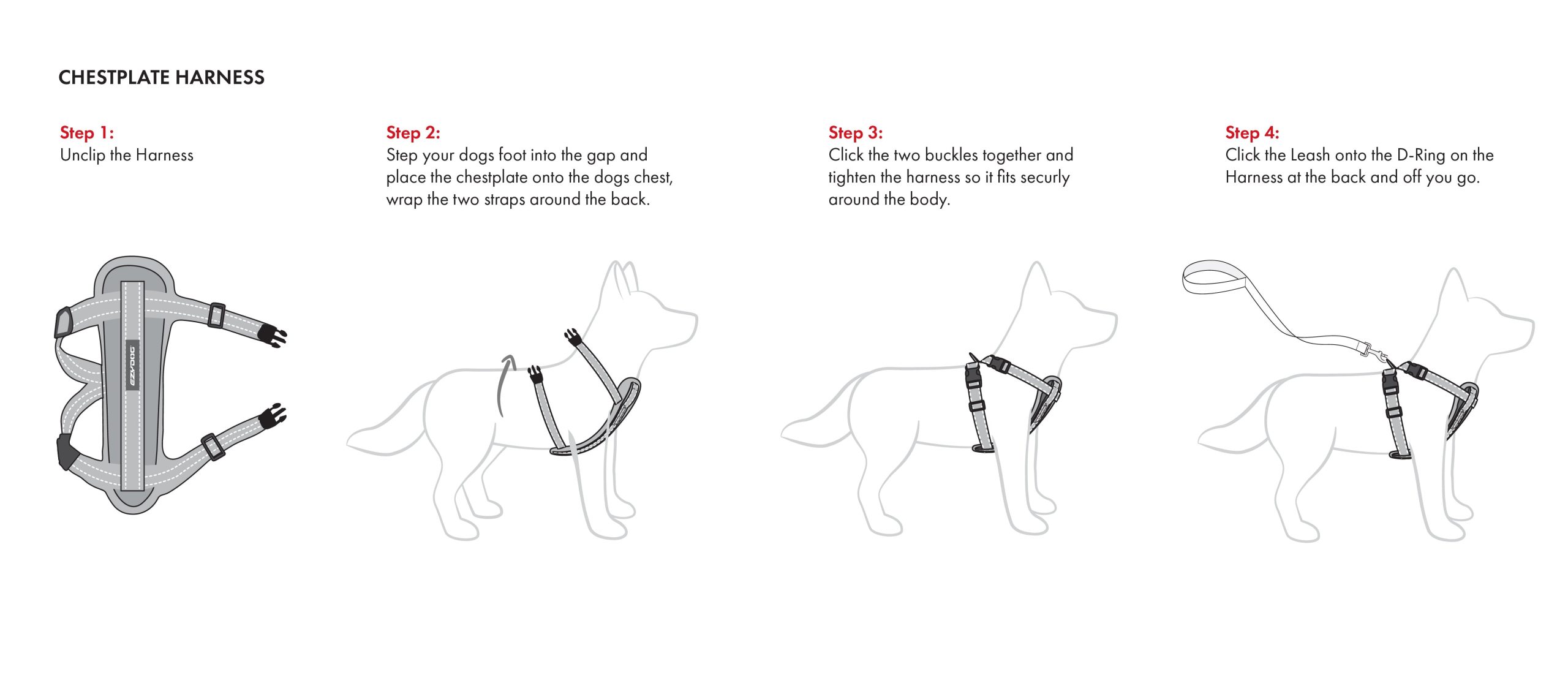
Gently slide your dog’s head through the harness neck loop. Position the harness so the D-ring is on their back. Adjust the straps to fit snugly, ensuring comfort without tightness. Secure any buckles, making sure the harness is secure. Give your dog a treat for patience and a good fit.
Putting on a dog harness can be a straightforward task if you follow clear, step-by-step instructions. Whether you’re gearing up for a daily walk or a weekend adventure, ensuring your dog’s harness is correctly fitted is essential for their comfort and safety. Let’s walk through the process together, simplifying each stage for you and your furry friend.Identifying The Front And Back
Before anything else, identify the front and back of the harness. Most harnesses will have a label or specific design features to help you differentiate. Look for the leash attachment—usually at the back—and any padding designed for the chest. Consider this: Would you rather secure the harness in haste only to realize it’s on backward? Take a moment to get acquainted with the design.Adjusting Straps And Buckles
Once you know which way is front, it’s time to adjust the straps and buckles. These should be loose enough to allow movement but snug enough to prevent slipping. I remember my dog’s first harness fitting. I had to adjust several times until two fingers could comfortably slide under each strap. How tight is too tight? Aim for a fit that feels secure yet comfortable.Securing The Harness
With everything adjusted, it’s time to secure the harness. Guide your dog’s legs through the appropriate loops, and fasten any buckles or clasps. Does your dog wriggle around like mine does? Use treats or a calm voice to keep them still during this part. Once secured, attach the leash to the designated loop and you’re ready for your walk. What if your dog resists the harness? Try introducing it gradually, associating it with positive experiences. Soon, the harness will signal adventure rather than discomfort.Checking The Fit
Ensuring your dog’s harness fits well is essential for their comfort and safety. A proper fit helps prevent escapes and ensures your dog feels secure. Here’s how to check the fit of your dog’s harness effectively.
Ensuring Comfort
A comfortable harness should not rub or chafe your dog’s skin. To check this, run your fingers under the harness. It should feel snug but not tight. Your dog should be able to move freely without restriction. Observe your dog for signs of discomfort, like scratching or biting at the harness.
Testing For Security
A secure harness prevents your dog from slipping out. Test the harness by gently pulling on it. It should stay in place without sliding over your dog’s head. Ensure all buckles and straps are fastened properly. Consider the two-finger rule: you should fit two fingers between the harness and your dog.
Troubleshooting Common Issues
Ensure your dog stands still. Slip the harness over its head. Secure the straps around the chest. Adjust for comfort.
Troubleshooting common issues when putting on a dog harness can make the process more manageable and stress-free for both you and your furry friend. Whether it’s dealing with resistance or achieving the perfect fit, understanding these challenges can lead to a more enjoyable walk and a happier dog. Let’s delve into some practical solutions.Dealing With Resistance
Resistance from your dog can be frustrating. Dogs may resist due to discomfort or unfamiliarity with the harness. Start by introducing the harness gradually. Allow your dog to sniff and explore it before attempting to put it on. You can even place it near their bed for a few days. Use treats or positive reinforcement during the process. Reward your dog when they show interest or allow the harness to be placed on them. Patience is key. If your dog is hesitant, try putting the harness on for short periods and gradually increase the duration.Adjusting For Loose Or Tight Fit
A loose or tight harness can be problematic. It can cause discomfort or even escape. Check the fit by placing two fingers between the harness and your dog’s body. This ensures it’s snug but not too tight. Adjust the straps if needed. Harnesses often come with adjustable straps to help achieve a perfect fit. If the harness shifts or rotates, it may be too loose. Tighten the straps until it remains in place during movement. Consider the breed and size of your dog. Larger dogs might require different adjustments compared to smaller breeds. What tips have you found most effective in ensuring a comfortable fit for your dog? Feel free to share your experiences in the comments!
Credit: www.amazon.com
Tips For First-time Users
Carefully adjust the harness to fit your dog’s size before putting it on. Slide it over your dog’s head and secure straps around the belly. Ensure it’s snug but not too tight, allowing two fingers between harness and skin.
Putting a dog harness on for the first time can be a bit daunting, but with the right approach, you and your furry friend can make it a smooth and enjoyable experience. A harness is a great tool for safely controlling your dog during walks, but it’s important to introduce it properly to ensure comfort and cooperation. Here are some helpful tips to guide you through the process as a first-time user.Building Positive Associations
Start by making the harness a positive object in your dog’s life. You can do this by associating it with treats, toys, or affection. Place the harness on the floor and let your dog sniff it. Reward them with a treat whenever they show interest or interact with it. This will help them view the harness as something fun rather than a source of anxiety. Remember, patience is key; some dogs may take longer than others to get comfortable.Gradual Introduction To Harness
Once your dog is familiar with the harness, it’s time to gently introduce wearing it. Begin by loosely placing the harness on their back without fastening it. Allow them to wear it for a few minutes while offering treats and praise. Gradually increase the duration as they become more comfortable. Fasten the harness snugly but comfortably, ensuring it doesn’t restrict movement. Keep an eye on your dog’s body language—are they relaxed or tense? This will help you gauge their comfort level and progress at a pace that suits them. Learning how to use a dog harness effectively is all about building trust and comfort. Have you ever thought about how your energy might affect your dog’s response? Stay calm and encouraging, and you’ll both enjoy happier walks together.Maintaining Your Dog’s Harness
Begin by placing the harness on the ground. Let your dog step into it. Secure the straps gently around your dog’s chest and back. Ensure a snug fit, but not too tight. Check for two fingers’ space between the harness and your dog’s skin.
Maintaining Your Dog’s Harness Ensuring your dog’s harness is in top shape is essential for both comfort and safety. A well-maintained harness not only lasts longer but also provides reliable support during walks. Let’s explore how you can keep your dog’s harness in perfect condition.Cleaning And Care
Regular cleaning is crucial to prevent the build-up of dirt and bacteria. Consider using a mild detergent and warm water to gently wash the harness, especially after muddy or wet walks. Allow the harness to air dry completely before using it again to maintain its integrity and avoid odors. You might be surprised how a clean harness can uplift your dog’s mood on their next adventure.Regular Inspections
Make it a habit to inspect the harness for wear and tear. Look for frayed edges, weakened buckles, and loose stitching. Replace any damaged parts promptly to ensure your dog’s safety. Would you trust a worn-out harness to keep your furry friend secure? Remember, a stitch in time saves nine. Regular checks can prevent accidents and extend the harness’s life.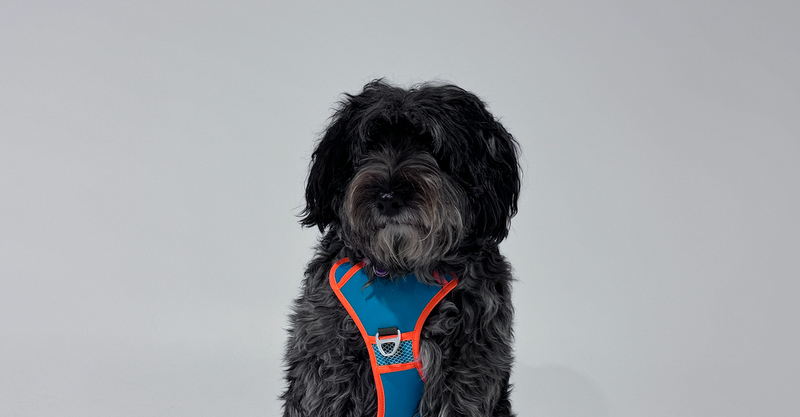
Credit: edog.co.nz
Frequently Asked Questions
How Do I Choose The Right Dog Harness?
Choosing the right dog harness involves considering your dog’s size, breed, and activity level. Measure your dog’s girth for a proper fit. Look for adjustable straps and durable materials. Consider whether you need a front-clip for training or back-clip for casual walks.
What Are The Steps To Put On A Dog Harness?
Start by placing the harness on the ground. Let your dog step into the loops. Secure the straps around your dog’s chest and neck. Adjust for a snug fit, ensuring two fingers can fit between the harness and your dog.
Can A Harness Harm My Dog If Fitted Incorrectly?
Yes, an incorrectly fitted harness can cause discomfort or injury. Ensure the harness is snug but not too tight. Check for skin irritation and adjust straps if necessary. Regularly monitor your dog’s comfort and adjust as needed.
How Often Should I Check The Harness Fit?
Check the harness fit every few weeks, especially for growing puppies. Changes in weight or coat thickness can affect fit. Regular checks ensure comfort and prevent chafing or slipping. Adjust straps to maintain a secure and comfortable fit.
Conclusion
Successfully putting on a dog harness is easy with practice. Start slow, ensuring your dog feels comfortable. Always check for a snug fit. Avoid tightness that might hurt your dog. Regularly inspect the harness for wear and tear. A well-fitted harness keeps your dog safe during walks.
Remember to reward your dog with treats and praise. This builds positive associations with wearing the harness. Practice patience and stay calm. Your dog senses your mood. You both will enjoy stress-free outings. Embrace these steps, and enjoy memorable walks with your furry friend.

Similar Posts