How to Sew a Dog Harness: Step-by-Step Guide
Senior Canine Nutritionist & Dog Behavior Specialist at Cozy Dog Go Wellness Lab

Are you tired of searching for the perfect dog harness that fits just right? Imagine the joy of crafting a custom harness tailored to your furry friend’s needs.
With a few simple steps, you can create a unique, comfortable, and stylish harness that ensures both safety and satisfaction. This guide will walk you through the process, making it easy and fun, even if you’re a sewing novice. You’ll discover the secrets to choosing the right materials, measuring accurately, and stitching with precision.
So, grab your sewing kit and let’s get started on making your pup’s walks more enjoyable than ever!
Materials Needed
Gather fabric, thread, and scissors for your dog harness project. Include buckles, D-rings, and a measuring tape. A sewing machine helps, but hand sewing works too.
When sewing a dog harness, gathering the right materials is crucial. These materials ensure the harness is both safe and comfortable for your pet. Let’s explore the essential items you need.Fabric
Choose a strong and durable fabric. Nylon or canvas works well for strength. Soft cotton can line the inside for comfort.Thread
Use heavy-duty thread that matches your fabric. It ensures the stitches hold securely.Buckles And D-rings
Select sturdy buckles and D-rings. They should withstand pulling and everyday wear.Adjustable Straps
Opt for adjustable straps for a custom fit. They allow for size adjustments as needed.Padding
Consider adding padding for extra comfort. This reduces chafing and pressure on your dog’s skin.Sewing Machine
A sewing machine is ideal for precise stitching. It speeds up the process and ensures durability.Scissors And Measuring Tape
Use sharp scissors for clean cuts. A measuring tape ensures accurate measurements for a perfect fit.Pins And Needles
Keep pins handy to hold fabric pieces in place. Needles are essential for hand stitching small areas.Velcro Or Snap Fasteners
Velcro or snap fasteners provide secure closure. They make putting the harness on and off easier. With these materials, you are ready to create a reliable dog harness. Each item plays a role in ensuring safety and comfort.Choosing The Right Fabric
Selecting the ideal fabric for a dog harness is crucial. Opt for durable, breathable materials like cotton or nylon. These fabrics ensure comfort while holding up against wear and tear.
Choosing the right fabric for a dog harness is crucial. It affects the comfort and safety of your pet. Different fabrics offer unique benefits. Understanding these can guide your choice.Durability Considerations
Dog harnesses face wear and tear. A durable fabric lasts longer. Look for materials like nylon. They withstand pulling and movement well. Cotton may wear out quickly. Strong fabrics ensure the harness stays intact. Choose fabrics that resist fraying. Durability means peace of mind.Comfort For Your Dog
Comfort is key for any dog harness. Soft fabrics prevent chafing. Look for breathable materials. They help in keeping your dog cool. Too rough and your pet may resist wearing it. Lightweight fabrics are ideal. They allow easy movement. Comfort keeps your dog happy.Measuring Your Dog
Measuring your dog accurately ensures a well-fitting harness. Use a soft tape measure around the chest and neck. Record the measurements to guide your sewing process.
Creating a dog harness tailored to your furry friend’s specific measurements is a rewarding project. This ensures comfort and safety, allowing your dog to enjoy every walk without the chafing or slipping of ill-fitted store-bought options. The first step in this creative journey is crucial: measuring your dog accurately. This step sets the foundation for a perfect fit, ensuring your dog can move freely and comfortably.Neck And Chest Measurements
To start, you’ll need a flexible measuring tape. Begin with the neck measurement. Wrap the tape around the base of your dog’s neck, where a collar would typically sit. Ensure you can fit two fingers under the tape to prevent the harness from being too tight. Next, measure the chest, which is the widest part of your dog’s torso, usually just behind the front legs. Again, include a little room for comfort by allowing the same two-finger space. Accurate measurements are essential to avoid a harness that pinches or restricts movement.Adjusting For Growth
If your dog is still growing, you’ll need to account for future size changes. Add a couple of inches to your current measurements to accommodate this growth. This prevents you from having to make a new harness every few months. Consider the breed’s full-grown size to estimate how much extra room to add. For instance, a Labrador puppy will require more room for growth than a Chihuahua. Are you planning to line the harness with fleece or padding? Factor this in, as it can affect the final fit. Measuring your dog might seem like a small task, but it makes a big difference in the final product. Take your time and double-check your numbers. After all, a well-fitted harness means more enjoyable walks and adventures for both you and your dog.Credit: sailrite.wordpress.com
Sewing The Harness
Sewing a dog harness involves choosing strong fabric and measuring your dog accurately. Stitch the pieces securely to ensure comfort and durability. Customize with adjustable straps for a perfect fit.
Sewing the harness is an exciting part of creating a custom dog accessory. It’s where your creativity meets functionality, ensuring your furry friend stays secure while looking stylish. Whether you’re a seasoned sewer or a beginner, focusing on key techniques and details is crucial for crafting a durable and safe harness.Stitching Techniques
Choosing the right stitching technique can make all the difference. A simple straight stitch is often adequate for most parts of the harness, providing a clean, strong seam. For areas that require more flexibility, a zigzag stitch can offer extra durability and stretch. This is particularly useful for parts of the harness that will endure more movement. Additionally, double-stitching the seams adds an extra layer of security. This ensures that the harness can withstand pulling and tugging from your pet without coming apart.Reinforcing Stress Points
Stress points are critical areas on the harness that endure the most pressure. Think about where the leash will attach or any buckles and straps that face frequent tugging. To reinforce these areas, consider using a bar tack stitch. This method involves sewing a series of tight, short stitches over the same spot, creating a durable bond. Another effective technique is to add a small patch of fabric behind stress points. This not only strengthens the area but also distributes the pressure more evenly. Remember, it’s always better to overestimate the strength needed than to have a harness fail unexpectedly. Have you ever noticed how some harnesses last longer than others? It’s often the careful attention to these stress points that makes the difference. Ensuring your dog’s safety while providing comfort is the ultimate goal. By mastering these techniques, you’ll not only enjoy a rewarding sewing experience but also create a harness that’s built to last.Adding Fasteners And Adjustments
Sewing a dog harness requires adding fasteners and adjustments for a snug fit. Use sturdy buckles and adjustable straps to ensure comfort and security. Tailor the harness to fit your dog’s size and shape perfectly.
Adding fasteners and adjustments to your homemade dog harness is crucial for both functionality and comfort. These elements not only ensure that the harness stays securely on your dog but also allow you to adjust it for a perfect fit. Let’s dive into choosing the right buckles and clips, and how to ensure your dog’s safety and comfort.Choosing Buckles And Clips
Selecting the right buckles and clips can make a significant difference in the durability and ease of use of your dog harness. Opt for high-quality, durable materials like metal or heavy-duty plastic. Metal buckles are robust and ideal for larger dogs, while sturdy plastic is a great choice for smaller breeds due to its lightweight nature. Consider the ease of fastening and unfastening the clips, especially if your dog is energetic or impatient. Quick-release buckles can save you time and hassle during walks. Always ensure that the clips are secure and won’t accidentally open during use.Ensuring Safety And Comfort
Safety and comfort should be your top priorities when sewing a dog harness. Pay attention to the placement of buckles to avoid chafing or discomfort. Padding around the fasteners can add an extra layer of comfort for your dog. Think about how the harness sits on your dog’s body. Does it allow enough freedom of movement while staying secure? The fit should be snug but not too tight—aim for two fingers’ width between the harness and your dog’s body. Regularly check the harness for signs of wear and tear. Are the buckles still holding firm? Address any issues immediately to keep your furry friend safe. Engaging in this creative sewing project not only gives you a chance to tailor a harness to your dog’s specific needs but also strengthens the bond between you and your pet. Have you ever tried customizing a harness for your dog? It’s a rewarding process that results in a unique, personal touch.Final Touches
Final touches bring your dog harness to life. These details ensure both style and comfort. Adding decorative elements and checking the fit are crucial steps. Let’s explore how to make your harness both beautiful and functional.
Decorative Elements
Decorative elements add personality to your harness. Consider colorful threads or patches. Embroider your dog’s name for a personal touch. Choose fabrics that complement your dog’s fur. Reflective strips can enhance safety during night walks. Use buttons or charms for extra flair. Ensure decorations do not irritate your dog’s skin.
Ensuring Proper Fit
A proper fit ensures your dog’s comfort. Measure your dog’s chest and neck accurately. Adjust the straps for a snug but comfortable fit. Ensure the harness doesn’t pinch or rub. Check if your dog can move freely. Test the fit with a short walk. Reassess the fit after washing the harness. A well-fitted harness keeps your dog happy and secure.
Testing The Harness
Testing the harness ensures safety and comfort for your dog. Check for secure stitching and proper fit. Adjust the straps to prevent loose or tight areas.
Testing the harness is crucial before using it on your dog. Ensure it fits well and keeps your dog safe. This part is vital for comfort and security. Let’s dive into how you can achieve a perfect fit and ensure safety.Fit And Comfort Check
Place the harness on your dog gently. Observe how it fits around the body. Adjust the straps to ensure a snug fit. Check if your dog can move comfortably. Look for any tight spots or loose areas. Comfort is key for your dog’s happiness. Make sure the harness doesn’t rub against the skin. Your dog should feel free to walk and play.Safety Checks
Safety is paramount for your dog’s well-being. Examine the harness for any weak points. Pull on the straps to test their strength. Ensure all buckles are secure and functional. Check if the harness stays in place during movement. Test it by gently tugging the leash. Observe if it holds firm without slipping. Inspect the stitching for durability. A safe harness keeps your dog protected.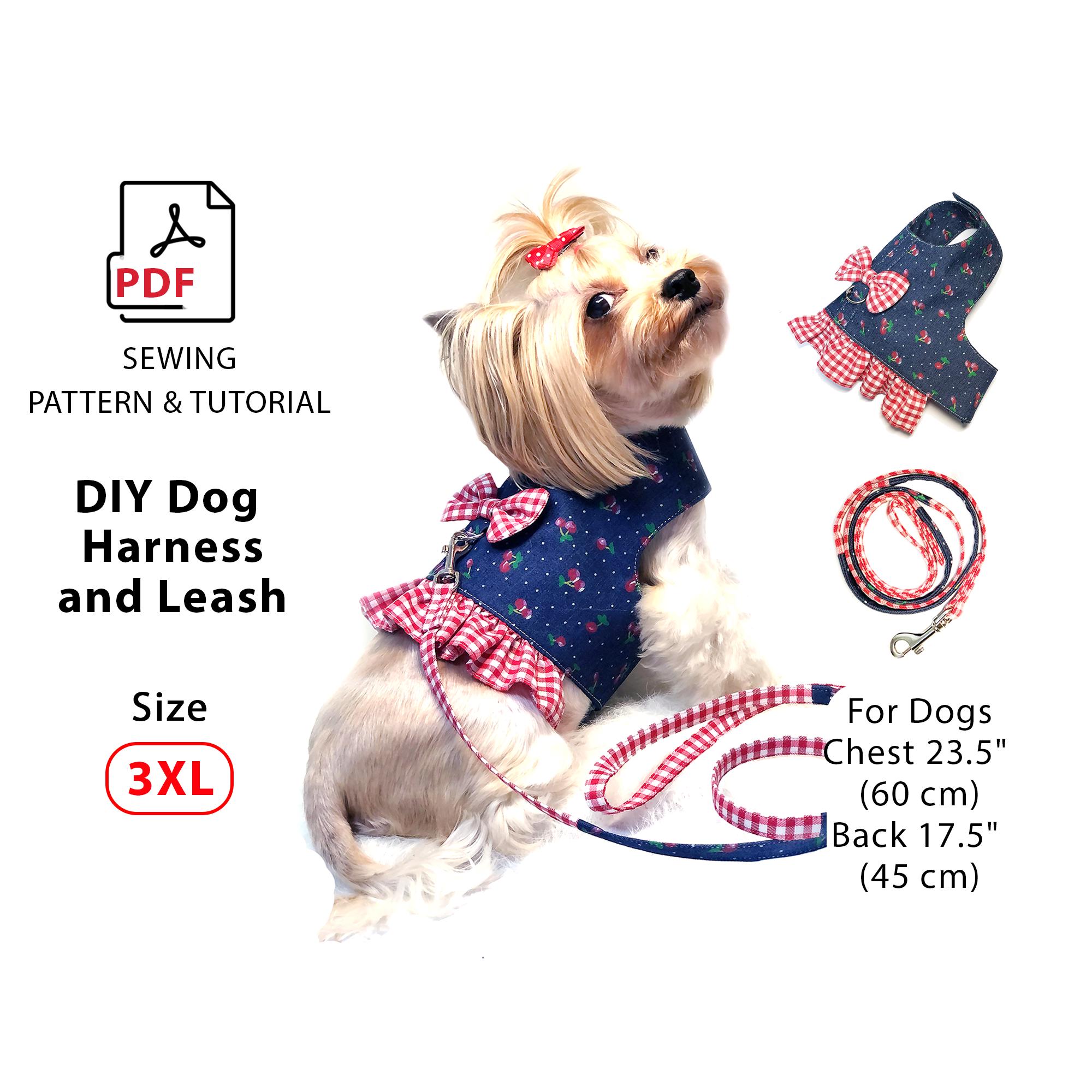
Credit: www.etsy.com
Frequently Asked Questions
What Materials Do I Need To Sew A Dog Harness?
To sew a dog harness, you’ll need sturdy fabric like nylon or denim, strong thread, adjustable buckles, D-rings, and a sewing machine. It’s also helpful to have scissors, measuring tape, and pins for precise measurements and cutting. Ensure all materials are durable for the dog’s safety.
How Do I Measure My Dog For A Harness?
Measuring your dog accurately is crucial. Use a tape measure around the chest, just behind the front legs. Record the measurement and add a few inches for comfort. Also, measure the neck’s circumference. These measurements ensure the harness fits snugly but comfortably without restricting movement.
Can I Sew A Harness Without A Sewing Machine?
Yes, you can sew a harness by hand, but it requires patience. Use a strong needle and thread to ensure durability. Hand sewing might take longer and may not be as sturdy as machine sewing. For best results, reinforce key stress points with extra stitching.
What Is The Best Fabric For A Dog Harness?
The best fabric for a dog harness is durable and comfortable. Nylon is a popular choice due to its strength and longevity. Denim is another option, offering both durability and style. Ensure the fabric is breathable and doesn’t cause irritation to your dog’s skin.
Conclusion
Sewing a dog harness is a rewarding task. It offers comfort for your pet. You choose materials that suit your dog’s needs. Follow the steps carefully. Measure accurately for a snug fit. Customize with colors and patterns. Enjoy the process, and your dog will thank you.
Share the harness-making fun with friends. Create unique designs for every occasion. Your pet deserves the best! Keep practicing and you’ll improve your skills. Happy sewing and happy walks with your dog!

Similar Posts