Imagine your dog feeling comfortable and secure while wearing a muzzle that fits perfectly. As a responsible pet owner, you know that sizing a dog muzzle correctly is crucial for your dog’s safety and comfort.
But where do you start? Whether you need a muzzle for vet visits, grooming, or training sessions, making the right choice is essential. This guide will show you how to measure and select the perfect muzzle, ensuring your furry friend’s wellbeing and peace of mind for you.
By understanding the simple steps involved, you can prevent discomfort and anxiety for your dog, creating a positive experience for both of you. Ready to learn how to make the best choice for your dog’s muzzle? Let’s dive in and discover the secrets to finding the perfect fit.
Choosing The Right Muzzle Type
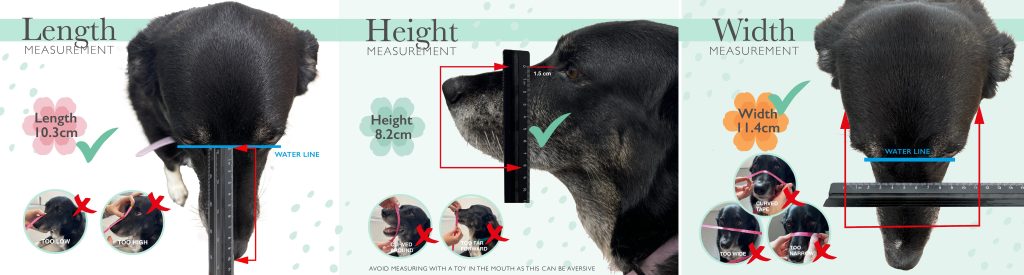
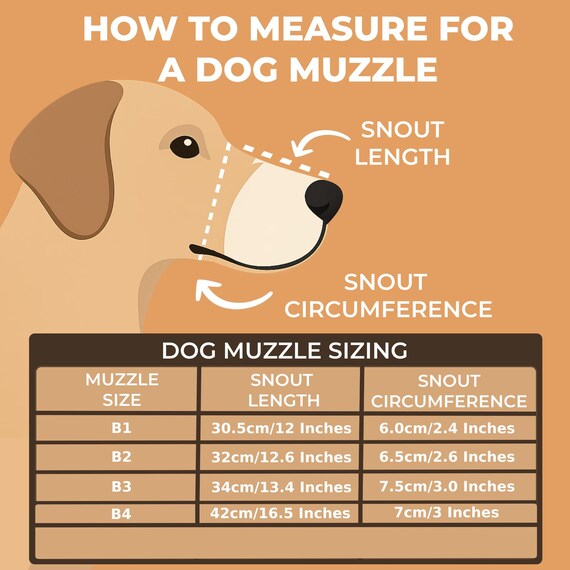
Sizing a dog muzzle requires careful measurement of your dog’s snout. Measure the length from the tip of the nose to the base, and the circumference around the widest part. Choose a muzzle type that fits comfortably, allowing enough space for your dog to pant and breathe easily.
Choosing the right muzzle type for your dog is crucial for their comfort and safety. Not every muzzle is suitable for every dog, and selecting the correct one requires understanding the differences in muzzle types. Let’s explore some popular options to help you make an informed decision.Basket Muzzles
Basket muzzles are often recommended for their sturdy design. They allow your dog to pant, drink, and even take treats, making them ideal for training and extended wear. Made from materials like plastic, rubber, or metal, they provide a secure fit without restricting your dog’s natural movements. These muzzles are perfect for dogs that need to be muzzled for longer periods. You might find them beneficial if you have an energetic dog that loves to explore. The design ensures your furry friend stays comfortable while preventing any unwanted biting or chewing.Soft Muzzles
Soft muzzles are crafted from materials such as nylon or mesh, offering a gentler fit. They are suitable for short-term use, like grooming or vet visits. However, they may limit your dog’s ability to pant, so they are not ideal for extended wear. Think of soft muzzles as a temporary solution. If your dog is generally calm but occasionally needs restraint, this type can be handy. Remember to monitor your dog closely while using a soft muzzle to ensure they remain comfortable.Breathable Muzzles
Breathable muzzles prioritize airflow, ensuring your dog can breathe easily. These are perfect for hot weather or active dogs that need a muzzle during exercise. Their design usually includes ample ventilation, making them a comfortable choice for many dogs. Your dog’s comfort should always be a priority, and breathable muzzles cater to this need. If you live in a warm climate or your dog enjoys running around, consider this option to keep them safe and happy. Have you noticed how your dog behaves differently in different muzzles? Observing their reactions can guide you in choosing the most suitable type.Importance Of Proper Sizing
Choosing the right size for a dog’s muzzle is essential. It ensures safety, comfort, and prevents skin irritation. An ill-fitting muzzle can lead to discomfort and potential harm.
Safety Concerns
A properly sized muzzle keeps the dog secure. It prevents biting or chewing. If the muzzle is too tight, it might restrict breathing. If too loose, the dog might remove it easily. Proper sizing is crucial for both the dog’s safety and those around.
Comfort For The Dog
Comfort is vital for a dog’s well-being. A well-fitted muzzle allows panting and drinking. It shouldn’t pinch or pressure the dog’s face. Ensuring comfort helps the dog accept the muzzle willingly. This reduces stress and improves overall behavior.
Avoiding Skin Irritation
Skin irritation can occur from a poorly fitted muzzle. Rubbing or chafing leads to sores or infections. A correct fit avoids excessive pressure on the skin. Choose materials that are gentle on the dog’s skin. Regular checks ensure the muzzle remains free from irritation.
Measuring Your Dog’s Snout
Measuring your dog’s snout is an essential step in finding the perfect muzzle that ensures comfort and safety. An ill-fitting muzzle can cause discomfort and may not effectively prevent your dog from biting or eating unwanted items. By taking precise measurements, you can ensure that your furry friend is both comfortable and secure.
Tools Needed
- Flexible measuring tape or a piece of string
- Ruler or a straight edge for measuring the string
- Notebook and pen for recording measurements
Step-by-step Guide
- Calm Your Dog:Ensure your dog is relaxed. A calm dog makes for more accurate measurements.
- Measure the Snout Length:Using the measuring tape, measure from the tip of your dog’s nose to the point where the snout meets the head. If your dog is squirmy, enlisting a friend to help hold them steady can make the process smoother.
- Measure the Snout Circumference:Wrap the tape around the widest part of your dog’s snout, typically just below the eyes. This ensures the muzzle will fit snugly without being too tight.
- Note the Measurements:Record both measurements in your notebook. Double-check them to ensure accuracy.
- Add Space for Comfort:Add about half an inch to the circumference measurement. This gives your dog some room to pant and move their snout comfortably within the muzzle.
Have you ever tried getting measurements while your dog is distracted by a squirrel? It can be quite the adventure! Keeping your dog engaged with a treat or a toy can make the process fun and less stressful. Do you know your dog’s favorite snack? Use it as a reward, turning this measuring session into a bonding moment, rather than a chore.

Credit: www.instagram.com
Adjusting The Fit
Adjusting the Fit Ensure your dog’s comfort by measuring their snout accurately. Use a soft tape to measure the length and circumference. Choose a muzzle that allows panting and drinking, ensuring a snug yet comfortable fit.
Adjusting the Fit Once you’ve chosen the right muzzle for your dog, the next crucial step is adjusting the fit. A well-fitted muzzle should be snug, but not too tight, ensuring both safety and comfort. Imagine the perfect shoe fit; it should stay on without pinching.Checking Snugness
First, you’ll want to ensure the muzzle is snug. It should sit comfortably around your dog’s snout without sliding off. Gently tug the straps to check if it stays in place. If it slips off easily, you may need to tighten the straps. However, be cautious not to overtighten, which could cause discomfort or skin irritation.Ensuring Breathing Ease
Equally important is ensuring your dog can breathe easily with the muzzle on. A proper fit should allow your dog to open its mouth slightly. Observe your dog for any signs of discomfort or difficulty in breathing. If your dog seems uneasy or struggles to pant, it might indicate the muzzle is too tight. Remember, your dog’s comfort is paramount. Would you want to wear something that restricts your breathing? Adjusting a dog muzzle properly is a simple yet essential task. By ensuring snugness and breathing ease, you guarantee your dog’s safety and comfort.Tips For Introduction And Training
Selecting the right size muzzle for your dog ensures comfort and safety. Measure your dog’s snout and neck accurately. Use these measurements to choose a muzzle that fits snugly but allows breathing and panting.
Introducing a dog muzzle can feel challenging. Dogs may resist new things, especially muzzles. It’s vital to create a positive experience. Proper training can make this process smoother. Knowing how to size a muzzle is just the beginning. Training is key to success. Here are tips to help your dog accept and wear a muzzle comfortably.Positive Reinforcement
Use treats to reward your dog. Show the muzzle and give a treat. Repeat this step several times. Your dog will associate the muzzle with rewards. Praise your dog each time it touches the muzzle. This builds positive feelings. Keep sessions short and sweet. This avoids stress and keeps the experience fun.Gradual Acclimation
Start with short muzzle-wearing sessions. Let your dog wear the muzzle for a few minutes. Gradually increase the time. Monitor your dog’s comfort and adjust as needed. Practice indoors first. Then try wearing the muzzle outside. Make sure your dog feels safe and secure. Aim for a calm and relaxed environment.
Credit: www.muzzletrainingandtips.com.au
Common Mistakes To Avoid
Ensuring the correct size for a dog muzzle is crucial for comfort and safety. Many make the mistake of not measuring the dog’s snout properly. Using the wrong size can cause discomfort or even harm your pet.
Sizing a dog muzzle may seem straightforward, but overlooking common mistakes can lead to discomfort or ineffectiveness. Whether you’re a seasoned pet owner or a newbie, knowing what pitfalls to avoid ensures your furry friend stays safe and comfortable. Let’s dive into some of the most common errors people make when choosing the right muzzle for their dog.Incorrect Measurements
Getting the right measurements is crucial for selecting a properly fitting muzzle. A common mistake is using a one-size-fits-all approach. Dog breeds vary significantly in snout size and shape, so measuring your dog’s snout length and circumference is essential. Avoid estimating or eyeballing these measurements. Use a tape measure and write down the exact numbers. This precision helps ensure the muzzle isn’t too tight or too loose, potentially causing distress or allowing your dog to remove it easily.Ignoring Dog’s Comfort
Prioritizing comfort is just as important as getting the right size. Many people overlook how materials and design affect their dog’s comfort. A poorly designed muzzle might rub against sensitive areas or restrict your dog’s ability to pant, which is vital for cooling down. Consider muzzles made from soft, breathable materials. Check if your dog can pant, drink, and eat treats comfortably while wearing it. A comfortable dog is a happy dog, and ensuring this can prevent anxiety and stress. Are you guilty of rushing through the sizing process or not considering your dog’s comfort? Taking a moment to focus on these aspects can make a world of difference.Expert Recommendations
Properly sizing a dog muzzle ensures comfort and effectiveness. Measure the dog’s snout length and circumference carefully. Consult experts or vet for accurate fitting advice.
Sizing a dog muzzle correctly is crucial for both safety and comfort. You want to ensure your furry friend is secure without causing any distress. Expert recommendations can be invaluable in this process. Let’s dive into insights from veterinarians and trainers, who have a wealth of experience in ensuring your dog’s muzzle fits just right.Veterinarian Insights
Veterinarians emphasize the importance of measuring your dog’s snout accurately. They suggest using a flexible tape measure to assess the circumference and length of your dog’s snout. This ensures the muzzle isn’t too tight, preventing discomfort or injury. Did you know some vets recommend trying a muzzle on your dog during a routine check-up? It’s a controlled environment, which helps gauge your dog’s reaction. This proactive approach can prevent future stress. Consider consulting your vet about the best muzzle materials. Some dogs might have allergies or skin sensitivities. Your vet’s input can be pivotal in choosing a hypoallergenic option.Trainer Advice
Dog trainers often advocate for gradual muzzle introduction. They recommend associating the muzzle with positive experiences, like treats or playtime. This technique can help your dog feel more comfortable and less anxious about wearing it. Think about using a training muzzle initially. Trainers often prefer adjustable muzzles for practice sessions. These can be adapted as your dog gets used to the sensation, making the transition smoother. Trainers also stress the importance of regular checks. As your dog grows, you might need to adjust or replace the muzzle. Keeping an eye on fit ensures your dog’s safety and comfort. Have you considered setting reminders to check the fit periodically? By incorporating these expert recommendations, you can ensure your dog’s muzzle fits perfectly, providing peace of mind and security. Remember, your dog’s comfort should always be a priority.Maintaining The Muzzle
Ensuring the right fit for a dog’s muzzle is crucial. Measure the circumference of your dog’s snout using a flexible tape measure. Consider the length from the tip of the nose to the base of the eye for perfect sizing.
Maintaining the muzzle is crucial for your dog’s comfort and safety. Regular care ensures the muzzle stays effective and clean. It also prolongs the lifespan of the muzzle, reducing the need for frequent replacements. This section provides tips on cleaning and inspecting the muzzle.Cleaning Guidelines
A clean muzzle keeps your dog healthy. Dirt and bacteria can build up quickly. Follow these simple steps for cleaning:- Use mild soap and water to wash the muzzle.
- Rinse thoroughly to remove all soap residues.
- Dry completely before the next use.
Regular Inspections
Inspect the muzzle often to ensure it is in good condition. Look for signs of wear or damage:- Check the straps for any fraying.
- Ensure the buckles are secure and functioning.
- Look for any cracks or tears in the material.
Credit: www.etsy.com
Frequently Asked Questions
How Do I Measure My Dog For A Muzzle?
To measure your dog for a muzzle, use a soft tape measure. Measure the circumference of your dog’s snout at its widest point. Then, measure from the tip of the nose to the base of the head. These measurements will help you choose the right size muzzle.
What If My Dog’s Muzzle Is Between Sizes?
If your dog’s muzzle measurement falls between sizes, choose the larger size. A slightly larger muzzle ensures comfort and breathability. Always double-check the fit to prevent any discomfort. It’s important that your dog can pant and drink water comfortably while wearing the muzzle.
Can A Muzzle Be Too Tight For My Dog?
Yes, a muzzle that’s too tight can cause discomfort and breathing issues. Ensure there’s enough space for your dog to pant and drink. A well-fitted muzzle should allow two fingers to fit between the muzzle and your dog’s snout. Regularly check for signs of chafing or distress.
How Often Should I Recheck My Dog’s Muzzle Size?
Recheck your dog’s muzzle size every six months, especially for growing puppies. Regular checks ensure the muzzle still fits comfortably. Changes in weight or health can affect muzzle size. Always prioritize your dog’s comfort and safety when using a muzzle.
Conclusion
Sizing a dog muzzle correctly ensures your pet’s comfort and safety. Measure around the snout, using a flexible tape. Choose a size that allows panting and drinking. Remember, each dog is unique. Different breeds, different needs. Always check the fit regularly.
Adjust if necessary, as dogs grow and change. A well-fitted muzzle supports training and socialization. It also prevents unwanted incidents. Prioritize your dog’s well-being. Make muzzle sizing a routine task. This simple step helps create a happier, safer environment. Your dog deserves the best care.


