You know the feeling. You place your furry friend in their crate, hoping for a peaceful night or a few quiet hours, and then it starts—the heartbreaking whimpers and cries that tug at your heartstrings.
It’s tough to hear, and you want nothing more than to comfort your dog. But how do you stop your dog from crying in the crate without compromising their training or your sanity? Imagine a world where your pup settles down happily in their crate, content and comfortable.
You can achieve this, and it’s simpler than you might think. We’ll explore practical, compassionate, and effective strategies that will help your dog feel secure and at ease in their crate. Stick with us, and you’ll discover how to transform crate time from a stressful ordeal to a soothing retreat for your beloved pet.
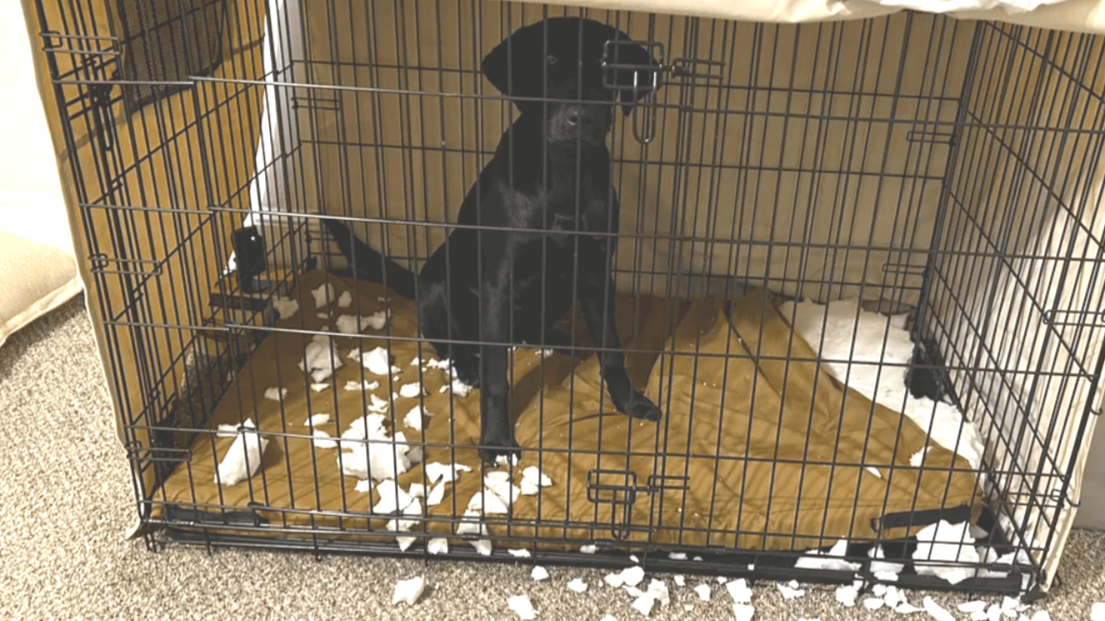
Credit: www.dogsavvylosangeles.com
Causes Of Crate Crying
Understanding why your dog cries in their crate is crucial to addressing the issue effectively. Crate crying can stem from various reasons, each requiring a different approach to help your furry friend feel at ease. Let’s delve into the common causes that might be triggering your dog’s distress.
Separation Anxiety
Many dogs experience separation anxiety when isolated, leading them to cry when confined. This behavior is often seen in dogs that have formed strong attachments to their owners. To ease separation anxiety, consider gradually increasing crate time, providing comforting toys, and using calming techniques like soothing music or pheromone sprays.
Fear Of Confinement
Some dogs have an inherent fear of confinement, making crate training a bit challenging. This fear might stem from a past experience or simply a dislike of small, enclosed spaces. You can help by making the crate a positive place through treats, praise, and short periods of confinement, slowly increasing duration as your dog becomes more comfortable.
Need For Comfort
Dogs might cry because they seek comfort or companionship. Ensuring the crate is a cozy and inviting space can help alleviate this issue. Add soft bedding, favorite toys, or even an item of clothing with your scent to provide reassurance. It’s important to make your dog feel secure and loved even when they’re in the crate.
Could your dog be crying for one of these reasons? Identifying the cause is the first step toward finding a solution that makes crate time more pleasant for both of you.

Credit: www.dogsavvylosangeles.com
Preparing The Crate Environment
Creating a comforting crate environment is crucial for your dog’s well-being. A well-prepared space can help reduce crying and anxiety. Focus on making the crate feel like a cozy den.
Choosing The Right Crate Size
The crate should be spacious enough for your dog to stand and turn around. A cramped crate can make your dog uncomfortable and increase stress. Measure your dog from nose to tail and select a crate accordingly. Ensure there’s room for a water bowl and a comfortable bed.
Adding Comfort Items
Place a soft blanket or bed inside the crate. Familiar scents help your dog feel secure. You can add a favorite toy or an item of your clothing. These items provide comfort and make the crate inviting. Rotate toys to keep the environment interesting.
Creating A Safe Space
Ensure the crate is away from direct sunlight and drafts. The location should be quiet but not isolated from family activity. Avoid placing it near noisy appliances or high-traffic areas. Cover the crate partially to mimic a den-like feeling. This offers a sense of security, reducing the chance of crying.
Gradual Crate Training
Gradual crate training helps stop a dog’s crying by making the crate a safe space. Introduce the crate slowly, rewarding calm behavior, and gradually increase crate time to ease anxiety.
Gradual crate training is a gentle and effective way to help your dog feel comfortable and secure in their crate. It involves slowly introducing the crate as a positive space, so your dog learns to associate it with safety and relaxation. By taking small steps, you can help your dog adjust to their new environment without stress or anxiety.Introducing The Crate
Start by placing the crate in a room where your family spends a lot of time. This helps your dog get used to seeing the crate as part of their everyday environment. Keep the door open and let your dog explore it at their own pace. Make the inside of the crate inviting by adding a soft blanket or a favorite toy. You could even use treats to create a positive association. Watch how your dog reacts; if they seem curious or relaxed, you’re on the right track.Positive Reinforcement Techniques
Use positive reinforcement to encourage your dog to enter the crate voluntarily. Praise them when they go near it and offer treats when they step inside. This teaches your dog that the crate is a place where good things happen. Consider feeding your dog meals inside the crate. This routine can help them associate the crate with something they enjoy. If your dog is hesitant, start with the food bowl just outside and gradually move it inside.Increasing Crate Time Gradually
Once your dog is comfortable entering the crate, begin closing the door for short periods. Stay close by and offer reassurance if needed. Gradually increase the time they spend inside with the door closed. Monitor your dog’s behavior during these sessions. If they seem anxious, shorten the duration and slowly build up again. Remember, patience is key, and each dog progresses at their own pace. By following these steps, your dog will likely start to see the crate as a safe and cozy space. Have you tried gradual crate training with your dog? What challenges did you face, and how did you overcome them?Managing Anxiety
Training a dog to feel secure in a crate can reduce anxiety and crying. Offer comforting items like toys or blankets. Gradually increase crate time while providing positive reinforcement to foster a calm environment.
Managing anxiety in dogs is crucial for ensuring they feel comfortable in their crate. Many dogs experience stress when confined, leading to crying and discomfort. Addressing this anxiety can transform the crate into a safe haven for your furry friend. It’s important to explore various strategies that can ease their distress and make crate time a positive experience.Using Calming Aids
Calming aids can help soothe your anxious dog. Consider using dog pheromone diffusers. These mimic natural calming scents. Calming collars infused with pheromones can be effective too. Offer chew toys designed to relieve stress. Soft music can also create a peaceful environment. Experiment with different options to find what works best for your dog.Establishing A Routine
Establishing a routine provides predictability for your dog. Schedule regular crate times daily. Include playtime and exercise before crate time. This helps burn off energy. Feed your dog at consistent times. Follow with a brief walk. Consistency helps your dog anticipate what’s next. A routine reduces anxiety and builds confidence.Desensitization Exercises
Desensitization exercises can gradually ease your dog’s anxiety. Start by placing your dog in the crate for short periods. Reward them with treats when they remain calm. Gradually increase the time spent in the crate. Use positive reinforcement consistently. Introduce the crate as part of daily activities. Leave the crate door open during familiar routines. This helps the dog associate the crate with comfort.Behavioral Adjustments
Gradual crate training helps ease a dog’s discomfort. Introduce the crate with positive reinforcement and short sessions. Ensure the crate feels secure and comforting.
Behavioral adjustments can help your dog feel more comfortable in its crate. Understanding your dog’s needs and responding appropriately is key. Dogs may whine when anxious, lonely, or seeking attention. By addressing these underlying reasons, you can help your dog feel at ease.Ignoring The Whining
Ignoring whining might be challenging but is essential. Responding to whining can reinforce the behavior. Dogs learn that whining gets attention. Ignore minor whining to teach patience. Stay calm and resist the urge to comfort immediately. Over time, your dog will associate quietness with positive experiences.Rewarding Quiet Behavior
Reward your dog when it is quiet in the crate. Use treats or praise to reinforce good behavior. This helps your dog understand that silence leads to rewards. Consistent rewards encourage your dog to remain calm. Recognize and celebrate when your dog stays quiet for longer periods.Consistent Training
Consistency is crucial for effective training. Set regular crate times and stick to them. Gradually increase the duration your dog spends in the crate. This helps your dog adapt to the routine. Maintain a predictable schedule for feeding and playtime. Consistency builds trust and confidence in your dog.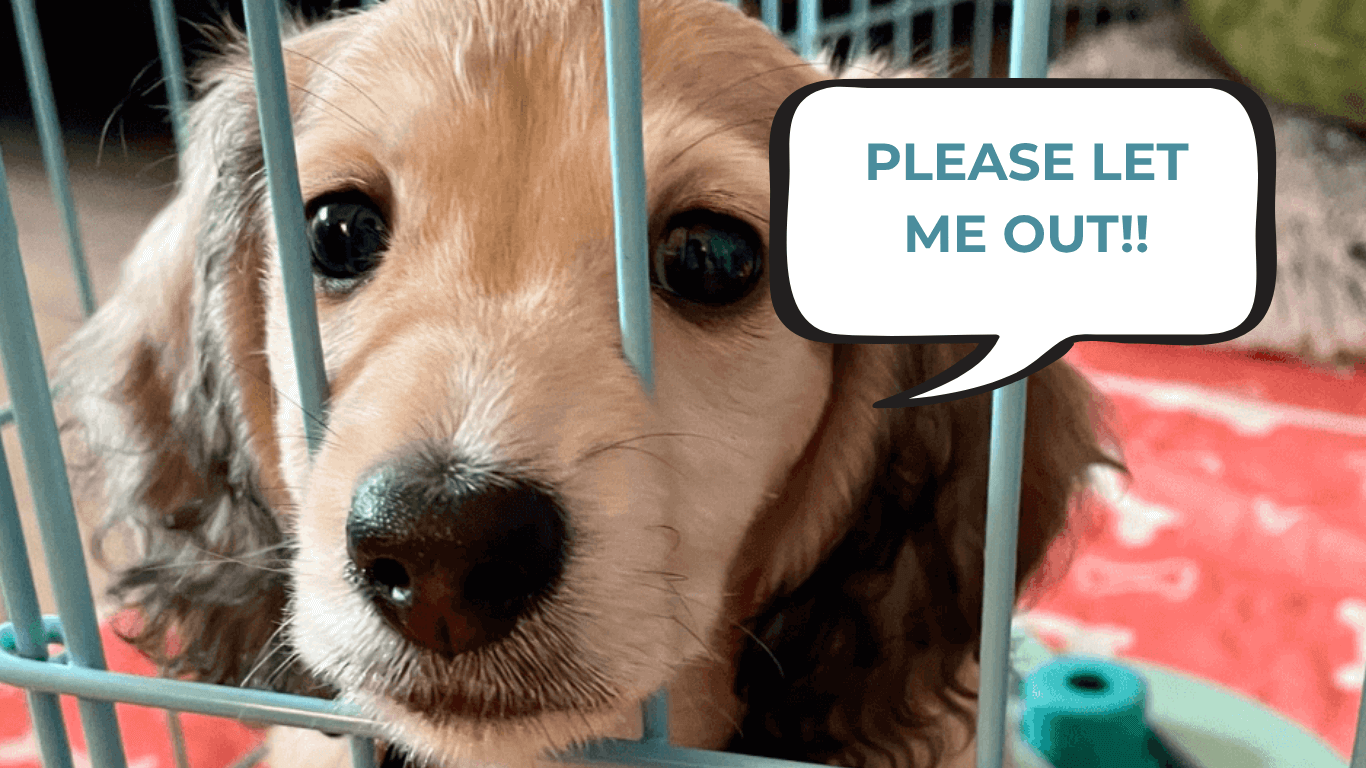
Credit: www.dogsavvylosangeles.com
Consulting Professionals
Consulting professionals can be a game-changer when trying to address your dog’s crying in their crate. While you may have tried various strategies at home, expert guidance can offer new perspectives and effective solutions. It’s important to recognize when outside help is needed to ensure your dog’s well-being and happiness.
Seeking Veterinary Advice
Sometimes, your dog’s crying might be due to an underlying health issue. A visit to the vet can rule out medical conditions that might be causing discomfort or pain. If your dog seems anxious or in distress, discussing these behaviors with a veterinarian can provide peace of mind and a clear path forward.
Vets can also recommend dietary changes or supplements that might help calm your dog’s nerves. Imagine the relief when a simple dietary tweak helps soothe your pet’s anxieties. Don’t hesitate to reach out to a professional for advice tailored specifically to your pet’s needs.
Hiring A Dog Trainer
If your dog’s crying persists, hiring a professional dog trainer could be your next step. Trainers can work with you to understand your dog’s behavior and provide personalized training techniques. These experts can demonstrate effective methods that you might not find in a book or online video.
Consider a trainer who specializes in crate training or separation anxiety. They can offer hands-on sessions that build both your confidence and your pet’s comfort. Remember, investing in a trainer is investing in your dog’s happiness and your peace of mind.
Exploring Behavioral Therapies
Behavioral therapies can be incredibly effective in addressing persistent crying in crates. Therapists can develop customized behavior modification plans that suit your dog’s specific needs. These plans often involve gradual adjustments to your dog’s routine and environment.
Ask yourself: Could your dog benefit from a new approach or environment? Behavioral therapies can include desensitization techniques, which help your dog adjust to being alone gradually. Engaging with these therapies might reveal surprising insights into your dog’s behavior and lead to lasting solutions.
Frequently Asked Questions
How Can I Calm My Dog In A Crate?
To calm your dog, provide a cozy blanket and favorite toy. Use positive reinforcement by rewarding calm behavior. Gradually increase crate time and ensure regular exercise. Consistent routines help reduce anxiety. Consider using calming aids, like pheromone diffusers, if needed.
Why Does My Dog Cry In The Crate?
Dogs cry in crates due to anxiety or discomfort. Ensure the crate is comfortable and appropriately sized. Gradually acclimate your dog to the crate with positive associations. Regular exercise and a consistent routine can also help reduce crying.
Should I Ignore My Dog Crying In The Crate?
Ignoring crying can sometimes help, but it depends on the cause. If it’s due to anxiety, address the underlying issue. Gradual crate training and ensuring comfort can reduce crying. If the crying persists, consult a veterinarian or professional trainer for advice.
How Long Should I Crate Train My Dog?
Crate training duration varies with each dog. Start with short sessions and gradually increase time as your dog adjusts. Consistency and positive reinforcement are key. Most dogs adapt within a few weeks. Monitor your dog’s behavior and adjust training accordingly.
Conclusion
Helping your dog feel comfortable in their crate requires patience. Start with short sessions. Gradually increase the time spent inside. Ensure the crate feels cozy. Add their favorite toys or a soft blanket. Be consistent with training. Keep a calm atmosphere.
Reward positive behavior with treats. Avoid scolding during initial training. Understand their needs and adjust accordingly. With care and consistency, your dog will feel secure. Soon, the crying will stop. Your pet will find comfort in their space. A peaceful crate experience benefits both you and your dog.
Enjoy the progress and bond with your furry friend.