Imagine you’ve just settled in for a relaxing evening, but your dog’s cries from their crate break the silence. You feel a mix of frustration and concern.
You want your dog to be comfortable, but you also need peace in your home. How do you achieve this balance? If you’ve ever felt helpless listening to your dog whimper in their crate, you’re not alone. Many dog owners face this challenge, and the good news is there are effective solutions.
You’ll discover practical steps to help your dog feel calm and secure in their crate, transforming distressing cries into peaceful quiet. Dive in to learn how you can make this positive change for both you and your furry friend.
Understanding Crate Crying
Understanding crate crying involves recognizing your dog’s needs and emotions. Comfort your pet with familiar toys and positive reinforcement. Gradually increase crate time to help your dog adjust peacefully.
Understanding why your dog cries in their crate is the first step towards finding a solution. Crate crying can be frustrating, both for you and your pet. But by understanding the root causes, you can help your dog feel more comfortable and secure.Reasons Behind Crying
Dogs may cry in their crates for several reasons. One common cause is separation anxiety, where your dog feels stressed when away from you. Puppies, in particular, may experience this as they adjust to being alone. Another reason might be a lack of comfort. If the crate feels more like a cage than a cozy den, your dog may protest. Ensure the crate is a safe and inviting space, complete with a comfortable bed and familiar toys. Dogs are social animals and may also cry out of boredom or a need for interaction. Consider whether your dog is spending too much time in their crate without enough mental or physical stimulation.Identifying Stress Signals
Recognizing signs of stress in your dog can prevent prolonged crying. Watch for behaviors like excessive panting, drooling, or pacing in the crate. These can indicate that your dog is not just being vocal but is genuinely distressed. In my experience, my dog would scratch at the crate door when stressed. This was a clear signal that her needs were not being met. Identifying these cues allowed me to make changes that eased her anxiety. Ask yourself: Is your dog whining or barking with a sense of urgency? If so, it might not be just a demand for attention but a plea for help. Observing these signals closely will help you address the underlying issue effectively.
Credit: www.dogsavvylosangeles.com
Choosing The Right Crate
Select a crate that provides comfort and security for your dog. Ensure it’s the right size to help them feel safe. A cozy environment can reduce anxiety and stop crying.
Choosing the right crate can be a game-changer in ensuring your dog feels secure and stops crying when confined. A crate should be a safe haven, not a prison. It becomes a place where your dog can retreat and relax. Selecting the right one involves a few key considerations, each of which can make a significant difference in your pet’s comfort and happiness.Size Matters
When selecting a crate, size is crucial. A crate that’s too small can feel cramped and uncomfortable, while one that’s too large may not provide the security your dog craves. Measure your dog from the tip of the nose to the base of the tail, then add a few inches. This ensures they can turn around and lie down comfortably. Remember, a snug fit is more comforting than an overwhelming space.Comfortable Bedding
Imagine sleeping on a hard surface every night. Your dog deserves better. Add soft bedding to make the crate inviting. Use a cushion or a plush blanket that your dog loves. You might even consider using an old T-shirt of yours, as your scent can be incredibly soothing. Keep the bedding clean and fresh, and your dog will look forward to crate time. A comfortable space can transform a reluctant pup into a happy, crate-loving companion.Creating A Positive Association
Creating a Positive Association Introduce your dog to the crate with treats and toys. Spend time nearby, offering comfort and reassurance. Gradually increase crate time, ensuring the environment is cozy and welcoming.
Creating a Positive Association Dogs often cry in crates due to stress or fear. Creating positive associations with the crate can help. This approach makes the crate a safe place. It helps reduce anxiety. Consistent positive experiences can change your dog’s perception. Here are two effective methods to create a positive crate experience.Treats And Rewards
Use treats to encourage your dog to enter the crate. Start by placing treats inside the crate. Praise your dog when they go in. This reinforces positive behavior. You can gradually increase crate time. Always reward calm behavior. It teaches your dog to associate the crate with good things. Consistency is key to building trust.Familiar Toys
Introduce toys your dog loves into the crate. Familiar toys bring comfort and reduce stress. Choose toys that engage your dog. They should be safe and enjoyable. Rotate toys to keep your dog interested. Toys can distract from feelings of isolation. This helps build a positive connection with the crate.Training Techniques
Creating a cozy environment can soothe a dog’s anxiety in the crate. A familiar blanket or toy often helps. Gradual desensitization to crate time reduces crying and stress.
Training Techniques play a key role in helping your dog feel comfortable in a crate. Dogs often cry because they feel anxious or unfamiliar with their new space. By using effective training methods, you can ease their discomfort and make the crate a peaceful place. Let’s explore some useful techniques that can help.Gradual Introduction
Introducing your dog to the crate slowly can reduce anxiety. Start by placing treats inside the crate. Leave the door open and let your dog explore. Allow them to go in and out freely at first. This builds positive associations with the crate. You can use toys or blankets that your dog loves. These familiar items can make the crate feel more welcoming. Gradually, encourage your dog to spend more time inside. Praise them when they enter the crate willingly. This reinforces positive behavior. Over time, close the door for short periods while staying nearby. Always reward calm behavior with treats and affection. This teaches them that being in the crate is safe and rewarding.Short Sessions
Start with brief crate sessions to build comfort. Keep initial sessions to just a few minutes. Monitor your dog’s reactions closely. If they stay calm, gradually extend the time. Short sessions help prevent overwhelming your dog. Introduce crate time during quiet periods of the day. Avoid using the crate as a place for punishment. This can cause fear and resistance. Instead, make crate time enjoyable and stress-free. Use soothing words and gentle tones. This helps your dog relax. Consistency is key. Regular short sessions can help your dog adapt. Over time, they will associate the crate with safety and security.Managing Anxiety
Crate training can be challenging when dogs cry. Create a cozy space with familiar toys and blankets. Gradually increase crate time, offering treats for quiet behavior.
Managing anxiety in dogs is crucial for crate training success. A dog crying in a crate often feels anxious or stressed. Addressing this anxiety can make crate time enjoyable for your pet. Here are a few strategies to help manage your dog’s anxiety.Calm Environment
Creating a calm environment reduces your dog’s anxiety. Keep the crate in a quiet area away from noise. Ensure the space feels safe and secure. Consider using a blanket to partially cover the crate. This can make the crate feel more like a den. Soft bedding inside the crate adds comfort. You can also use calming scents. Lavender or chamomile are good options.Routine Establishment
Dogs thrive on routine. Establishing a routine helps them feel secure. Feed your dog at the same times each day. Walk them before crate time to expend energy. Set a regular bedtime for crate time. Consistency is key. Regular routines signal safety and predictability. This reduces anxiety significantly.Behavioral Modifications
Calm your dog’s crate anxiety with gentle behavioral modifications. Introduce the crate gradually, pairing it with treats and positive reinforcement. Consistency and patience will help create a comforting space, reducing your dog’s crying and stress.
When it comes to addressing a dog’s crying in a crate, behavioral modifications play a significant role. These adjustments not only help in reducing the crying but also strengthen the bond between you and your furry friend. By understanding and implementing specific strategies, you can create a more peaceful environment for both you and your pet.Ignoring Crying
Ignoring your dog’s cries can be tough, especially when their whimpers tug at your heartstrings. However, it’s crucial to avoid reinforcing this behavior by giving in to their demands. When your dog cries, resist the urge to offer comfort immediately. Instead, wait until they settle down and stop crying. This teaches your dog that quietness, not crying, will get your attention. You might find it hard initially, but consistency is key. Have you ever noticed how a child stops demanding attention when ignored? The same principle applies here.Reinforcing Quietness
Rewarding your dog for being quiet in their crate encourages them to repeat the behavior. When your dog is calm and quiet, use treats or verbal praise to reinforce this desired behavior. Timing is important—make sure you reward them while they are still quiet. Over time, your dog will associate being quiet with positive outcomes. Have you ever given a dog a treat for sitting nicely? Think of it like that, but for silence. Creating a routine where your dog feels safe and secure in their crate helps to minimize anxiety and crying. It may take time, but the patience you invest will pay off. What small steps can you take today to start this change?Seeking Professional Help
Sometimes, despite your best efforts, your dog may continue crying in their crate, causing distress for both of you. This is when seeking professional help can make a significant difference. Experts can offer tailored solutions and provide insights that might not be immediately apparent to you.
Consulting A Trainer
Professional dog trainers specialize in behavior correction and can offer personalized guidance. They might suggest crate training techniques that you haven’t tried or correct any training missteps. You can even ask for in-home consultations, where they can observe your dog’s environment and habits for a more accurate assessment.
Imagine having someone who understands canine psychology! Their expertise can uncover underlying issues causing your dog’s distress. Have you considered if your dog’s cries are a plea for attention or a sign of anxiety?
Veterinary Advice
A visit to the vet can rule out any health issues that might be causing your dog discomfort in the crate. Sometimes, crying can be due to pain or medical conditions that aren’t visible to the untrained eye. Your vet can run the necessary tests to ensure your pet is healthy and provide advice on how to ease their crate anxiety.
Have you noticed any other unusual behaviors alongside the crying? Sharing these details with your vet can be crucial in diagnosing any potential problems. Remember, a healthy dog is often a happier dog, and professional advice can lead you to a peaceful crate experience.
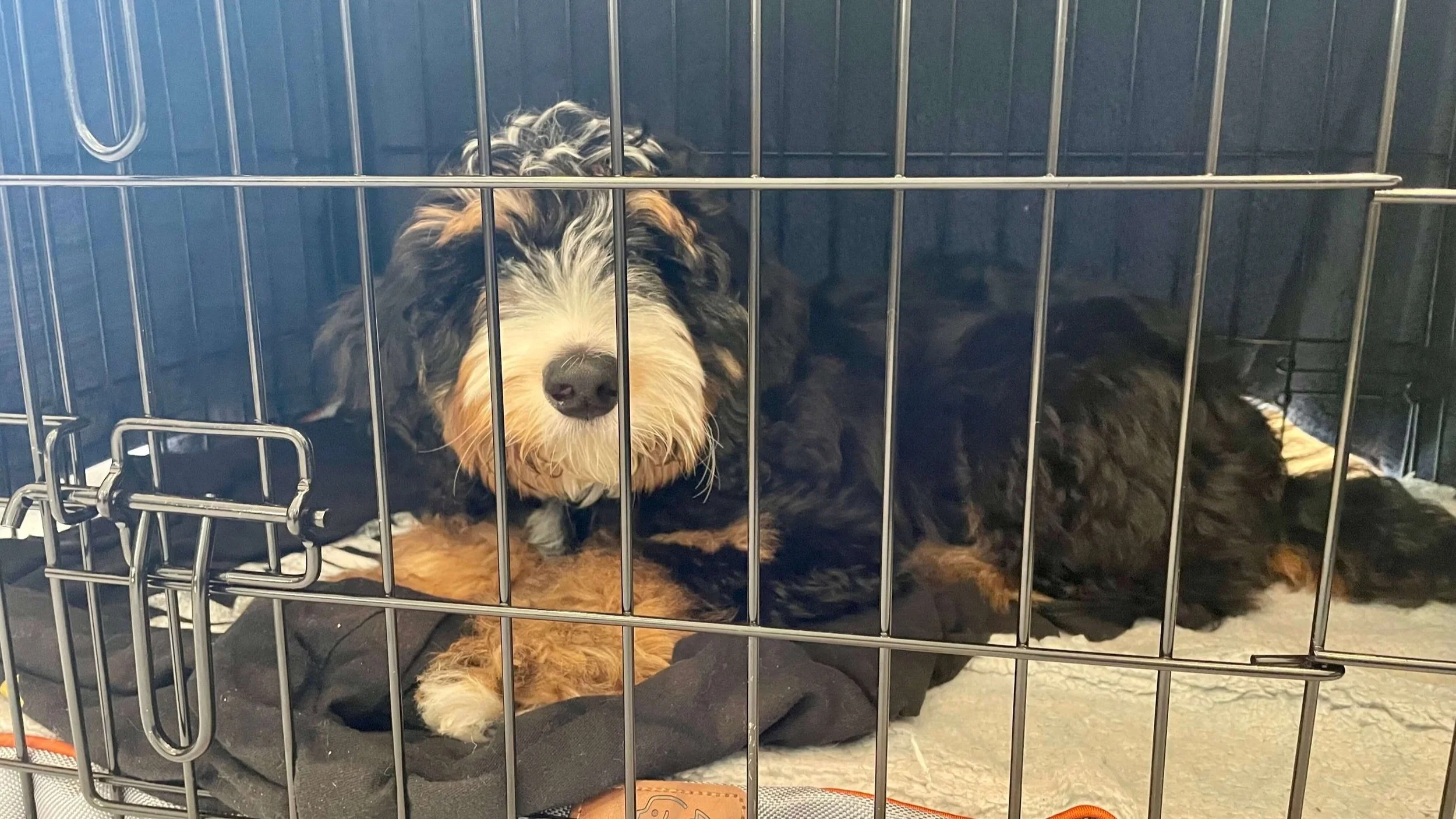
Credit: www.dogsavvylosangeles.com
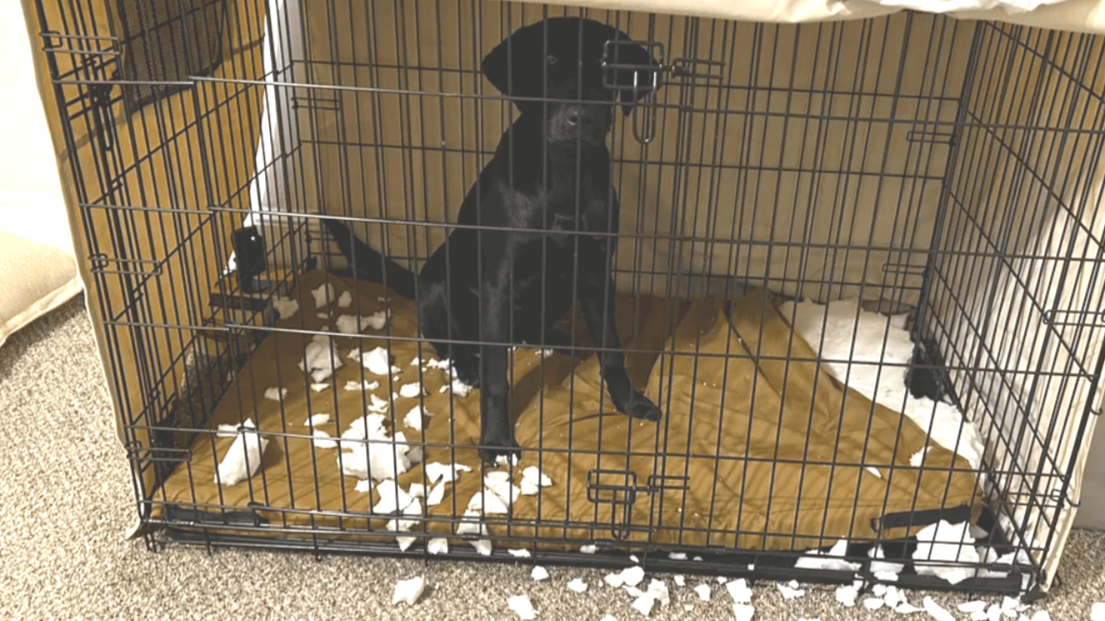
Credit: www.dogsavvylosangeles.com
Frequently Asked Questions
How To Comfort A Crying Dog In A Crate?
To comfort a crying dog, ensure the crate is cozy and inviting. Introduce calming items like blankets or toys. Gradually acclimate your dog to the crate, starting with short sessions. Consistently reassure them with your presence and gentle words to build a positive association with the crate.
Why Does My Dog Cry In Its Crate?
Dogs often cry due to fear, loneliness, or discomfort. They might not be used to the crate environment. Ensure the crate is comfortable and gradually introduce your dog to it. Providing familiar items and following a routine can help reduce anxiety and make the crate feel safe.
What Can I Put In The Crate To Stop Crying?
Place comforting items like soft bedding, familiar toys, or an item with your scent inside the crate. These can help create a sense of security. Additionally, consider using a white noise machine or calming music to soothe your dog and reduce external distractions.
How Long Should Crate Training Take?
Crate training duration varies based on your dog’s age and temperament. Puppies usually adapt faster, within a few weeks. Older dogs may take longer, requiring patience and consistency. Start with short, positive crate experiences and gradually increase time to build comfort and trust.
Conclusion
Helping your dog feel safe in the crate takes patience. Stick to a consistent routine. This makes your dog feel secure. Offer treats and praise for calm behavior. A comfortable crate encourages relaxation. Make sure it’s cozy and inviting. Avoid using the crate as punishment.
This helps build trust. Remember, each dog is unique. Some need more time to adjust. Stay patient and loving throughout the process. With time, your dog will feel at ease. Enjoy a quieter, happier home together.