How to Stop Dog from Whining in Crate: Proven Tips
Have you ever found yourself lying awake at night, listening to your dog whine in their crate? You love your furry friend, but the constant noise can be frustrating and exhausting.
You might feel guilty for not understanding what your dog needs or how to help them feel secure. You’re not alone—many pet owners face the same challenge. Imagine a peaceful night where your dog feels comfortable and content in their crate.
Picture the relief of knowing that both you and your pet are getting the rest you need. You’ll discover simple, effective strategies to stop your dog from whining in the crate. We’ll guide you through practical steps that address the real reasons behind the whining, ensuring a happier experience for both you and your pet. Keep reading to uncover the secrets to a quiet, stress-free night.
Understanding Whining Behavior
A calm crate environment helps reduce whining. Ensure comfort with a soft bed and favorite toys. Gradual crate training builds trust and security, easing anxiety and minimizing whining behavior.
Understanding why your dog whines in its crate can be the first step towards a peaceful home environment. Whining is a natural behavior for dogs, often signaling discomfort or a need for attention. By identifying the root causes, you can address the issue effectively, leading to a happier pet and a quieter household.Causes Of Whining
Dogs may whine in their crates for various reasons. Separation anxiety is a common cause, especially if your dog is used to constant companionship. If your pup suddenly finds itself alone in a crate, whining becomes a way to express distress. Lack of exercise can also contribute. A dog with pent-up energy may whine simply because it needs an outlet to release that energy. Ensure your dog gets plenty of physical activity before crate time. Hunger or thirst are basic needs that, if unmet, can lead to whining. Double-check that your dog is fed and hydrated before crate time. Sometimes, it’s as simple as a missed mealtime.Common Misconceptions
It’s easy to fall into the trap of thinking your dog is misbehaving just to annoy you. However, whining is not a dog’s way of being spiteful. Dogs communicate through sounds and actions, and whining is one of their tools. Some believe that comforting a whining dog will reinforce the behavior. But ignoring your dog’s needs can sometimes worsen the situation. Observing and understanding the underlying cause is more beneficial than simply dismissing the behavior. Another misconception is that all dogs naturally adjust to crates. In reality, crate training requires patience and consistency. Not every dog will take to a crate immediately, and that’s perfectly normal. Have you considered what your dog’s whining might be trying to tell you? Understanding your pet’s behavior is key to addressing its needs and ensuring a harmonious living situation for both of you.Creating A Comfortable Crate Environment
Creating a Comfortable Crate Environment Provide soft bedding and familiar toys to make the crate inviting. Ensure a calm atmosphere by placing the crate in a quiet corner. Establish a consistent routine with short intervals of crate time, gradually increasing the duration.
Creating a Comfortable Crate Environment A comfortable crate environment is crucial for helping your dog feel secure and reducing whining. Imagine being confined in a space that doesn’t feel welcoming. You wouldn’t like it, right? Your furry friend feels the same way. By creating a cozy, inviting space, you can make the crate a place your dog actually enjoys.Choosing The Right Crate
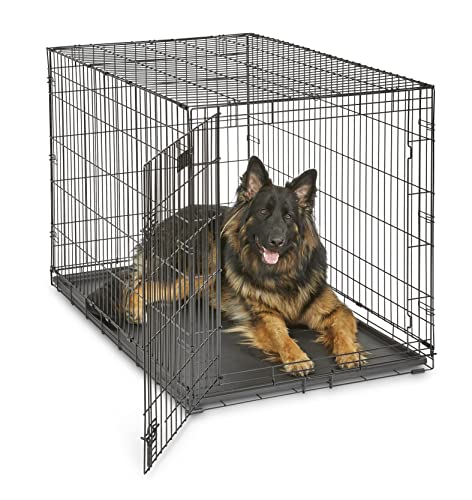
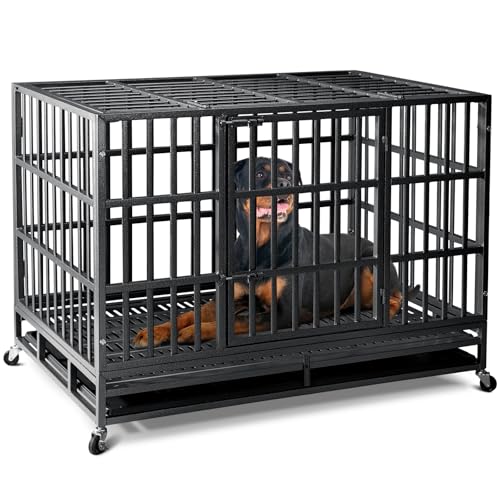
Selecting the perfect crate is the first step in ensuring your dog feels at ease. Size matters a lot. A crate that’s too small can be claustrophobic, while one that’s too large might not offer the comfort of a snug den. Measure your dog and choose a crate that allows them to stand, turn around, and lie down comfortably. Material plays a role too. Wire crates offer visibility and ventilation, while plastic crates provide more privacy. Consider your dog’s personality when deciding.Placement And Setup
Where you place the crate can influence your dog’s comfort level. Choose a location that’s neither isolated nor too busy. You want your dog to feel included in family activities without overwhelming them. Think about the room temperature. Avoid direct sunlight or drafty areas. Make the space inviting. Decorate the surrounding area with familiar scents and sounds to help your dog feel at home.Adding Comfort Items
Comfort items are like the cherry on top for a cozy crate. A soft bed or blanket can make the crate feel like a luxury retreat. Pick materials that are easy to clean. Include a favorite toy or chewable item to keep your dog entertained. It could be their beloved squeaky toy or a durable chew bone. Don’t forget a water bowl, especially if your dog will be in the crate for longer periods. Hydration is essential. Creating a comfortable crate environment is about understanding what your dog needs. How can you make their space more inviting today?Training Techniques For Quiet Crate Time
Calm crate time involves gradual training to make the crate a comforting space. Introduce toys and blankets to promote relaxation. Short sessions build confidence, teaching your dog that whining doesn’t lead to release.
If you’ve ever experienced the endless whining of a dog in a crate, you’re not alone. It can be both frustrating and concerning. But with the right training techniques, you can help your dog feel more comfortable and quiet during crate time. Let’s dive into some effective methods that can make a world of difference for both you and your furry friend.Positive Reinforcement
Positive reinforcement is a powerful tool in dog training. Reward your dog when they’re calm and quiet in their crate. Use treats, praise, or a favorite toy to encourage this behavior. Consistency is key. Regularly reinforcing good behavior will help your dog associate the crate with positive experiences. Have you noticed how your dog responds to your tone of voice? Use a cheerful, encouraging tone when offering rewards.Gradual Acclimation
Start by introducing your dog to the crate for short periods. Gradually increase the time as they become more comfortable. This helps them feel safe and secure, reducing anxiety. Is your dog hesitant to enter the crate? Try feeding them meals inside it. This simple step can transform the crate into a positive space. Ensure the crate is a cozy environment. Add a soft blanket or a piece of your clothing to provide comfort.Using Commands Effectively
Teach your dog a simple command like “quiet” or “calm” to manage whining. Practice this command outside of the crate first, using it when your dog is calm. Consistency in using commands is crucial. Once your dog understands the command, use it when they start whining in the crate. Remember, patience is essential. It might take time for your dog to adjust, but your efforts will lead to a happier, quieter crate time.
Credit: zigzag.dog
Managing Anxiety And Stress
Anxiety in dogs often leads to whining in the crate. Offering comfort toys can help soothe your pet. Regular exercise and consistent crate training reduce stress and create a peaceful environment.
Managing anxiety and stress in dogs is crucial to stop them from whining in their crates. Dogs, like humans, can experience anxiety, especially when confined in a small space. Understanding and addressing these feelings can greatly improve your dog’s crate experience, leading to a quieter and happier pet.Identifying Stress Triggers
Identifying what triggers your dog’s anxiety is the first step to managing it. Does your dog start whining when you leave the room, or perhaps when it hears loud noises? Keep a journal of these occurrences, noting the time and any potential stressors. Observe your dog’s body language. Are their ears back, or is their tail tucked? These physical signs can help pinpoint what’s causing discomfort, allowing you to address these specific issues. Consider environmental factors. Changes in routine, a new family member, or even changes in weather can affect your dog’s stress levels. Identifying these can help you make necessary adjustments to minimize anxiety.Calming Aids And Techniques
Once triggers are identified, calming aids can be quite effective. Products like anxiety wraps or calming collars can provide comfort and security to your pet. They’re designed to apply gentle pressure, creating a swaddling effect similar to that used for infants. Try natural remedies. Diffusing calming essential oils, such as lavender, can create a serene environment around the crate. Ensure the oils are safe for dogs and used in moderation. Implement calming techniques. Spend a few minutes each day practicing deep breathing exercises with your dog. It may sound odd, but dogs can mirror your calm energy, helping them relax and feel secure in their crate. Invest time in training. Teach your dog that the crate is a positive space using treats and praise. Gradually increase the time they spend inside, ensuring each session ends on a positive note. Have you considered how your own stress levels might affect your dog? Dogs are incredibly intuitive and can pick up on your emotions. Staying calm and collected can significantly impact your dog’s well-being.Consistency And Routine
Consistency and routine are vital when teaching your dog to be comfortable in their crate. Dogs thrive on structure and knowing what to expect. Establishing a reliable routine can help reduce anxiety and stop whining behavior effectively.
Establishing A Schedule
Creating a predictable schedule is the first step towards consistency. Feed your dog, take them for walks, and allocate playtime at the same times every day. This regularity helps your dog anticipate what comes next, reducing stress.
Set specific times for crate use, such as during your work hours or bedtime. This helps your dog understand that the crate is a safe space rather than a place of punishment. Do you have a set bedtime routine? Including the crate in this can reinforce positive associations.
Maintaining Consistent Training
Training consistency is crucial. Use the same commands and rewards every time your dog goes into the crate. This repetition helps them understand expectations and builds positive behavior.
If whining occurs, don’t immediately let your dog out of the crate. Wait until they are quiet, then reward them. This teaches them that calm behavior leads to positive outcomes.
Patience is key. Every dog learns at its own pace, so persistence and consistency will yield the best results. Have you tried different training times to see what works best for your dog? Adapting your approach while maintaining consistency can make all the difference.
Avoiding Common Mistakes
Preventing your dog from whining in a crate involves understanding their needs and creating a comfortable space. Ensure the crate is cozy and introduce it gradually to build positive associations. Consistent routines and rewards for calm behavior can help reduce anxiety and stop whining.
Avoiding common mistakes when trying to stop your dog from whining in their crate is crucial for both their comfort and your peace of mind. Many dog owners unknowingly reinforce whining by responding in ways that seem right but are counterproductive. With a little awareness and adjustment, you can effectively address your dog’s needs without falling into these traps.Recognizing Signs Of Distress
Understanding your dog’s cues is the first step in addressing whining. Not all whining is created equal; sometimes it signals genuine distress. Watch for signs like excessive pacing, panting, or drooling, which may indicate discomfort or anxiety. Consider whether your dog needs to go outside or is experiencing physical discomfort. A quick check can prevent unnecessary distress and eliminate the need for whining. If you’ve ruled out physical needs, the whining might be linked to emotional issues or training gaps.Balancing Attention And Independence
Finding the right balance between attention and independence for your dog is key. Giving in to every whine can teach your dog that whining equals attention. Instead, wait for moments of calm before engaging with your pet. Encourage your dog to enjoy their own company by introducing toys or treats in the crate. This can help them associate the crate with positive experiences rather than a signal for constant attention. Reflect on your response patterns. Are you inadvertently rewarding the behavior you wish to stop?Seeking Professional Help
Seeking professional help can be vital in addressing your dog’s crate whining. Experts provide personalized strategies to ease your pet’s anxiety, ensuring a peaceful environment for both you and your dog.
Seeking professional help is sometimes necessary to stop a dog from whining in a crate. Professional guidance can address issues that seem difficult to manage alone. Experts provide insights and techniques tailored to your dog’s needs. Here, we explore when to consult a trainer and how behavioral therapy can assist.When To Consult A Trainer
Consulting a trainer is beneficial if your dog’s whining persists. Trainers assess the situation and offer targeted solutions. They have experience with various dog behaviors. A trainer may identify underlying issues that are not obvious. Working with a trainer can speed up progress. It’s a proactive step towards a quieter, happier dog.Exploring Behavioral Therapy Options
Behavioral therapy explores deeper causes of whining. Therapists use methods that address anxiety or stress. They work with you to create a comfortable crate environment. Behavioral therapy often involves gradual desensitization techniques. These methods help your dog adjust peacefully. Choosing therapy can improve your dog’s overall well-being.
Credit: www.dogsavvylosangeles.com
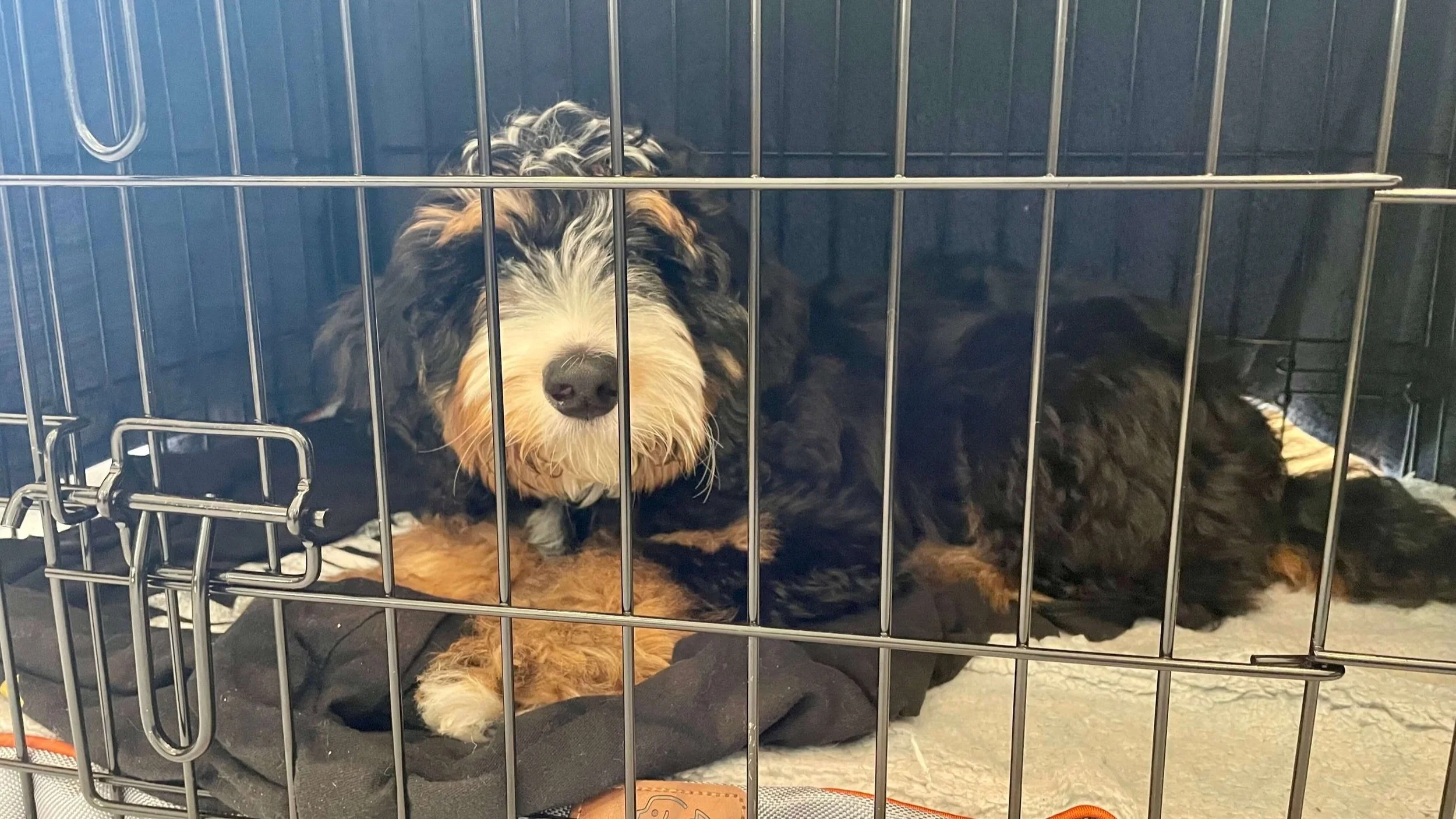
Credit: www.dogsavvylosangeles.com
Frequently Asked Questions
Why Does My Dog Whine In The Crate?
Dogs whine in crates due to anxiety, fear, or boredom. They may also need to relieve themselves or want attention. Ensuring your dog is comfortable and has a familiar toy can help. Gradual crate training and providing positive reinforcement can also reduce whining.
How Can I Comfort My Whining Dog In The Crate?
Comfort your dog by providing a soft bed and familiar toys. Use calming aids like pheromone sprays if necessary. Gradual crate training with positive reinforcement helps. Ensure the crate is in a quiet spot and cover it partially to create a den-like environment.
Is Crate Training Effective For Reducing Whining?
Yes, crate training can effectively reduce whining. It helps your dog see the crate as a safe space. Start with short periods and gradually increase time. Use positive reinforcement to encourage calm behavior. Consistency is key for successful crate training.
What Toys Help Stop Whining In The Crate?
Interactive toys, chew toys, and puzzle feeders can help distract your dog. These toys provide mental stimulation and reduce boredom. Ensure toys are safe and appropriate for your dog’s size. Rotate toys regularly to maintain interest and keep your dog engaged.
Conclusion
Helping your dog feel comfortable in the crate takes patience. Consistency is key. Always reward calm behavior with treats or praise. Make the crate a happy place with toys and soft bedding. Keep training sessions short and positive. Avoid yelling or punishment, as it increases anxiety.
Gradual exposure helps your dog adjust better. Remember, every dog learns at their own pace. Stay patient and kind. With time, your dog will feel safe and content in their crate. Enjoy the peaceful moments together. Your efforts will pay off, bringing you and your furry friend closer.