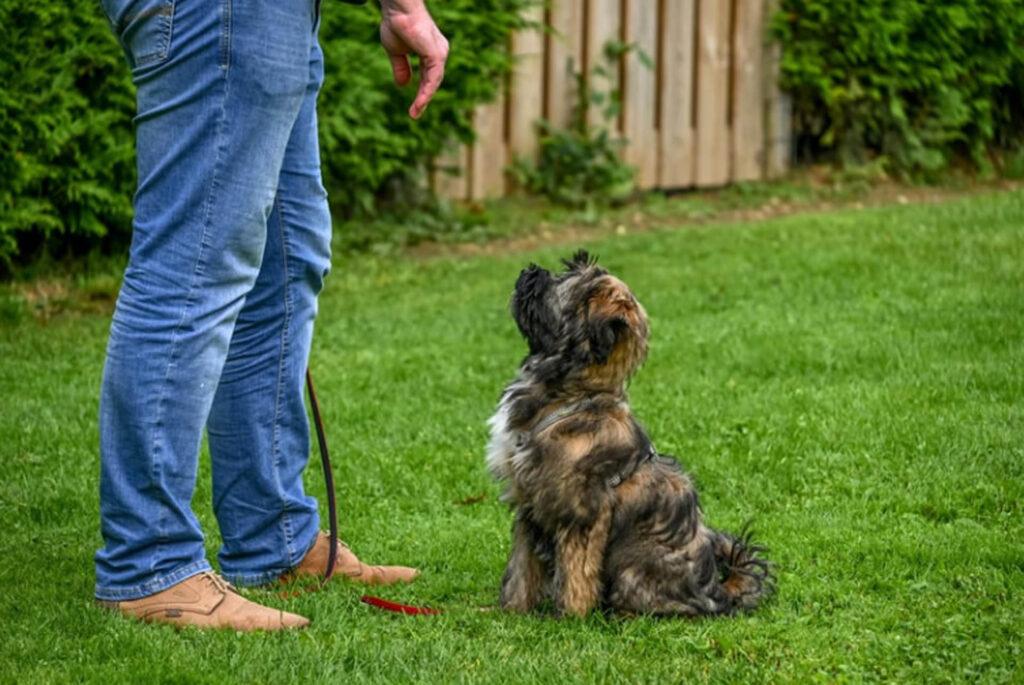
Imagine a peaceful afternoon in your backyard, where your furry friend plays safely within the boundaries you’ve set. No more worrying about your dog wandering off or chasing after squirrels into the neighbor’s yard.
Training your dog to stay in the yard is not just a dream; it’s a reality that can enhance both your dog’s safety and your peace of mind. Are you tired of the constant chase and worried about your dog’s safety?
You might wonder how you can teach your pet to respect the boundaries of your yard. The good news is, with the right techniques, patience, and consistency, you can successfully train your dog to stay put. This article will guide you step-by-step, offering practical tips and insights to make this training process easier for you and enjoyable for your dog. Unlock the secrets to a stress-free outdoor experience where your dog learns to stay safe within the designated area. Discover how you can transform your yard into a secure haven for your pet without resorting to complex tools or costly gadgets. Keep reading to find out how simple changes and positive reinforcement can make all the difference.

Credit: www.youtube.com
Choosing The Right Training Tools
Selecting effective training tools is essential for teaching your dog to stay in the yard. Leashes, barriers, and treats encourage positive behavior and reinforce boundaries. Consistent use of these tools helps dogs understand and respect yard limits.
Choosing the right training tools is crucial for keeping your dog safe in the yard. Effective tools help set clear boundaries and ensure your dog’s safety. Let’s explore some options that can assist in training your dog to stay within the designated area.Collars And Leashes
Collars and leashes are essential for initial training. A strong leash allows controlled movement. It helps your dog understand yard limits. Opt for adjustable collars for comfort. Use a long leash for gradual distance training. Reward your dog for staying within boundaries.Pet-safe Fencing Options
Pet-safe fencing provides a physical boundary. Choose materials that are durable and safe. Wooden fences offer privacy and security. Chain-link fences are cost-effective. Ensure there are no gaps where a dog can escape. Keep the fence height suitable for your dog’s size.Electronic Boundaries
Electronic boundaries use technology to keep dogs in the yard. Install an underground wire system. It creates an invisible boundary. The dog wears a special collar. The collar beeps near the boundary line. Some systems offer a gentle static correction. Always follow the manufacturer’s instructions for safety.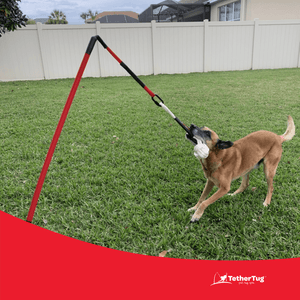
Credit: tethertug.com
Establishing Yard Boundaries
Establishing Yard Boundaries Training a dog to stay in the yard involves consistency and patience. Use clear boundaries and rewards to teach the limits. Encourage your dog with treats when they stay within the yard.
Establishing yard boundaries is essential for keeping your dog safe and ensuring they understand where they are allowed to roam. Dogs are naturally curious creatures, and without clear boundaries, they may wander off and get into trouble. By setting boundaries, you help them know their safe space and reduce the risk of them running into dangerous situations. Let’s explore how you can establish these boundaries effectively.Using Visual Markers
Visual markers can be a great way to define yard boundaries for your dog. Consider using flags, cones, or garden stakes as visible indicators of the limits. This method helps your dog recognize the area they should stay within. You might be surprised at how quickly dogs learn to associate these markers with their territory. It’s a simple, yet effective way to create a mental map in their minds. Make sure these markers are placed consistently to avoid confusion. Have you ever noticed how quickly pets notice changes in their environment? Utilize this keen sense to your advantage.Creating Physical Boundaries
Physical boundaries provide a more tangible limit for your dog. Installing fences or hedges can be an excellent solution for defining the perimeter. This not only keeps your dog in but also prevents other animals from entering. Sometimes, physical barriers are necessary for dogs that are more adventurous or prone to escaping. Ensure that these barriers are secure and high enough to deter jumping or climbing. You may want to consider invisible fencing as another option. Have you heard of this? It’s a boundary that’s not physically visible but uses signals to keep your dog within limits.Consistency In Training
Training your dog to stay in the yard requires consistency. Regularly reinforce the boundaries with positive reinforcement when they respect limits. Treats, praise, or a favorite toy can motivate them to stay within the designated area. Consistency isn’t just about repetition; it’s about maintaining the same rules every day. Dogs thrive on routine and clear expectations. How can you ensure your training methods remain consistent over time? Be patient and persistent. Every dog learns at their own pace, but with regular practice, they’ll soon understand where they belong.Positive Reinforcement Techniques
Teaching a dog to stay in the yard involves rewarding good behavior consistently. Treats and praise encourage your pet to associate staying inside with positive outcomes. Regular practice and patience are key to reinforcing these boundaries effectively.
Training a dog to stay in the yard safely is essential. Positive reinforcement techniques are effective and humane. They encourage good behavior by rewarding your dog. This creates a trusting relationship between you and your furry friend. The techniques focus on rewarding rather than punishing.Reward-based Training
Reward-based training builds a positive association with staying in the yard. You praise your dog for good behavior. This can be through verbal praise, a pat, or a treat. Consistency is key. Every time your dog stays in the yard, offer a reward. This reinforces the behavior, making it more likely to repeat.Using Treats Effectively
Treats are a powerful tool in training. Choose small, tasty treats to keep your dog interested. Use them immediately after the desired action. Timing is crucial. If you wait too long, the dog might not connect the treat with the behavior. Gradually reduce the frequency of treats. This helps ensure the behavior sticks without constant rewards.Incorporating Playtime
Playtime is an excellent motivator. It provides physical exercise and mental stimulation. Use play sessions as a reward for staying in the yard. After your dog stays within the boundaries, offer a favorite toy. Engage in a fun game of fetch or tug-of-war. This reinforces the positive experience linked to staying in the yard.Dealing With Distractions
Training a dog to stay in the yard requires patience and consistency. Use clear commands and rewards to reinforce boundaries. Gradually increase the time spent in the yard to build trust and understanding.
Training your dog to stay in the yard can be challenging, especially when distractions are present. Whether it’s a squirrel darting across the fence or the neighbor’s dog barking, these interruptions can easily lure your pet away. Understanding and managing these distractions is crucial for successful training.Addressing Wildlife Intrusions
Wildlife can be a significant distraction for your dog. Dogs have an instinct to chase, and a rabbit or bird can be very tempting. You can mitigate this by creating a more engaging environment in your yard. Consider setting up a designated play area with toys and puzzles. This keeps your dog entertained and less focused on what’s happening outside the fence. Additionally, supervising your dog during peak wildlife activity times, such as early morning or dusk, can prevent them from getting too excited.Managing Neighbor Interactions
Neighbor interactions are another common distraction. If your dog is overly friendly, they might be tempted to greet anyone walking by. Training your dog to sit and stay when someone approaches can be helpful. Practice this by having a friend walk by your yard and rewarding your dog for staying put. Consistency is key, so repeat this exercise regularly. Also, installing a visual barrier like a fence or shrubs can reduce the temptation to run towards neighbors.Minimizing Noise Disruptions
Noise can be a less obvious but equally distracting factor. Loud noises like construction, traffic, or even other dogs barking can agitate your pet. Desensitizing your dog to these sounds can help. Play recordings of common noises at a low volume while your dog is in the yard. Gradually increase the volume as your dog becomes more comfortable. This technique helps them associate these sounds with a normal environment, reducing their urge to react. By understanding and addressing these distractions, you’ll make significant progress in training your dog to stay within the yard. What other distractions have you noticed affecting your dog’s behavior?Gradual Training Steps
Teaching a dog to stay in the yard involves consistent training and patience. Start with clear boundaries and rewards for staying within them. Gradual increase in freedom helps reinforce the habit.
Training your dog to stay in the yard requires patience and consistency. Gradual steps are key for successful learning. Your dog learns best with small, manageable lessons. This method ensures your furry friend feels comfortable and secure. Let’s explore these steps in more detail.Short Training Sessions
Begin with brief sessions. Keep each training period short, about 10-15 minutes. This helps maintain your dog’s attention. Use positive reinforcement like treats and praise. Reward your dog whenever they stay within the yard. Repeat these sessions daily for consistency.Increasing Yard Time
Gradually increase the time your dog spends in the yard. Start with 5 minutes, then extend to 10 minutes. Always supervise your dog during these sessions. Increase the duration slowly to prevent anxiety. Make the yard a fun place with toys. This will encourage your dog to stay within boundaries.Monitoring Progress
Observe your dog’s behavior closely. Notice if they wander or stay put. Adjust training methods based on their actions. Look for signs of improvement like staying longer without guidance. Keep track of any challenges faced. This allows you to tweak techniques accordingly. Your dog’s comfort and safety should be your priority.Common Mistakes To Avoid
Ignoring boundaries can lead to frustration. Establish clear, visible limits using fences or markers. Consistency is key for effective training, ensuring your dog understands where they can roam freely.
Training a dog to stay in the yard requires patience and consistency. Many owners make mistakes that can delay progress. Avoiding these errors is crucial for a successful training experience. Here are common mistakes to watch out for.Inconsistent Commands
Using different commands confuses your dog. Stick to one phrase for each action. If you say “stay” sometimes and “wait” other times, your dog may not understand. Consistency helps your dog learn faster. Always use the same words to encourage obedience. Practice regularly to reinforce these commands.Neglecting Supervision
Leaving your dog unsupervised can lead to wandering. Supervision is essential during training. Watch your dog closely, especially in the beginning. If your dog starts to leave the yard, redirect their attention. Immediate correction helps them learn boundaries. Gradually increase unsupervised time as your dog improves.Overlooking Dog’s Needs
Ignoring your dog’s needs can hinder training. Ensure your dog gets enough exercise and mental stimulation. A bored dog may try to escape the yard. Play with your dog and provide toys for entertainment. Meeting your dog’s needs reduces the urge to roam. A content dog is more likely to stay within boundaries.When To Seek Professional Help
Persistent yard escape attempts may signal the need for expert guidance. Professional trainers can address complex behaviors or safety concerns effectively.
Training your dog to stay in the yard is a rewarding journey, but sometimes, challenges arise that are beyond your expertise. Recognizing when to seek professional help can save you time and prevent frustration. This step can also be crucial for ensuring your dog’s safety and happiness.Identifying Behavioral Issues
Certain behaviors might indicate the need for professional intervention. If your dog frequently escapes despite your best efforts, it might be dealing with anxiety or boredom. Notice if your dog is excessively digging, barking, or showing signs of aggression when confined to the yard. A professional can help identify underlying issues that may not be obvious to you. They can also provide strategies tailored to your dog’s specific needs. This insight can be invaluable in creating a peaceful environment for both you and your pet.Choosing A Qualified Trainer
Finding the right trainer can make all the difference. Look for certified professionals with experience in behavior modification. Ask for recommendations from friends, family, or your veterinarian. You might also consider trainers who offer personalized programs rather than a one-size-fits-all approach. Check for reviews or testimonials to ensure their credibility and past success. Connecting with other dog owners who have faced similar challenges can also provide useful insights.Understanding Advanced Techniques
Professional trainers often use advanced techniques that go beyond basic commands. These might include behavior adjustment training, clicker training, or even electronic training systems. Understanding these methods can help you communicate more effectively with your trainer. Do you know what techniques your trainer plans to use? Asking questions will empower you to be more involved in your dog’s progress. This knowledge can also help you continue training at home, reinforcing what your dog learns during sessions. Seeking help isn’t a sign of failure—it’s a step towards a stronger bond with your pet. Are you ready to take that step for a happier, healthier relationship with your furry friend?
Credit: www.tiktok.com
Frequently Asked Questions
How Do I Keep My Dog In The Yard?
Training your dog to stay in the yard involves consistent practice and positive reinforcement. Use commands and rewards to establish boundaries. Start by walking the perimeter with your dog, and reward them when they stay within the designated area. Gradually increase the time and distance while ensuring safety measures are in place.
What Are Effective Boundary Training Methods?
Effective boundary training methods include using visual markers, verbal commands, and positive reinforcement. Visual markers can be flags or barriers that define the yard’s perimeter. Combine these with consistent commands and rewards when the dog adheres to boundaries. This repetition helps solidify the concept of staying within the yard.
Can Technology Help Keep Dogs In The Yard?
Yes, technology such as invisible fences and GPS collars can help keep dogs in the yard. Invisible fences create a boundary using radio signals, while GPS collars can track your dog’s location. These tools can be useful, but should be used alongside traditional training methods for best results.
Why Does My Dog Leave The Yard?
Dogs may leave the yard due to curiosity, boredom, or distractions. They might be attracted by sights, sounds, or smells beyond the yard. Ensuring your dog has enough exercise and mental stimulation can reduce their desire to wander. Regular playtime and interactive toys can help keep their attention focused.
Conclusion
Training your dog to stay in the yard takes patience and consistency. Use clear commands. Reward good behavior with treats and praise. Set boundaries with fences or markers. Supervision is key, especially in the beginning. Slowly increase freedom as your dog learns.
Be patient. Every dog is different. Celebrate small successes. Training strengthens your bond with your dog. Keep sessions short and fun. With time, your dog will learn to stay safely in the yard. Enjoy the peace of mind as your furry friend explores safely.


