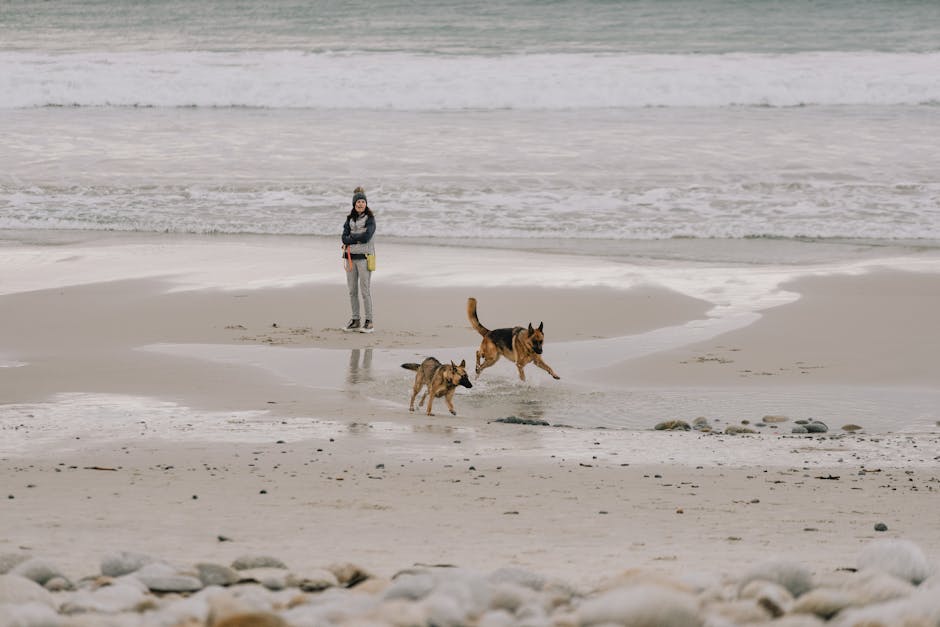
Imagine the freedom and joy of watching your dog run through a park, chasing a ball or playing with other dogs, all without a leash. Training your dog to be off-leash can transform your everyday walks into exciting adventures.
But you might wonder, “Is it really possible to trust my dog to stay close without a leash? ” Absolutely, and with the right approach, you can achieve this. You probably know how frustrating it can be when your dog pulls on the leash or gets tangled up.
Off-leash training can eliminate these hassles and strengthen the bond between you and your furry friend. This article will guide you through the steps to safely train your dog to enjoy off-leash freedom. Keep reading to discover how to unlock your dog’s potential while ensuring safety and control.
Benefits Of Off-leash Training
Training a dog off-leash enhances their freedom and confidence. It strengthens the bond between pet and owner. Dogs learn to respond to commands even without physical restraints.
Training your dog to be off-leash offers a world of benefits that can transform your relationship with your furry friend. Imagine the joy of hiking through a serene forest with your dog exploring freely, or the peace of mind knowing they will stay close even in a bustling park. Off-leash training fosters better communication, enhances trust, and allows your dog to experience their surroundings without restraint.Enhanced Trust And Bonding
Off-leash training strengthens the bond between you and your dog. Trust is built as you both learn to rely on each other. Your dog learns to listen to your commands even without the physical reminder of a leash, cultivating a deeper connection.Improved Exercise Opportunities
Unleashed dogs can run, chase, and explore, leading to more effective exercise. They get to stretch their legs fully, engaging in activities that are often restricted on a leash. This increased activity can lead to better physical health and mental stimulation.Better Socialization
Off-leash environments often mean more interaction with other dogs and people. This helps your dog to become more sociable and friendly. They learn to approach strangers and other animals calmly, reducing anxiety and aggression.Increased Confidence
When dogs are allowed to explore independently, they develop confidence. They learn to navigate their environment on their own, which boosts self-assurance. This confidence can translate into better behavior even when they are back on the leash.Freedom And Adventure
Off-leash training brings the thrill of adventure. Dogs love exploring new scents and sights without the limitation of a leash. The freedom allows them to experience the world in a more natural and fulfilling way. Consider your dog’s personality and readiness before you begin off-leash training. Are they responsive to commands? Do they frequently come back when called? Ensuring your dog is ready for this step is crucial to a safe and rewarding experience.Choosing The Right Environment
Selecting a safe and familiar area enhances off-leash training for dogs. Open spaces without many distractions work best. This environment helps your dog focus and builds confidence gradually.
Choosing the right environment is crucial for off-leash dog training. The surroundings should offer minimal distractions and a secure space. A calm and familiar place helps your dog focus better. Start in areas where your dog feels safe and comfortable. This sets the stage for successful training sessions.Assessing Safety
Safety is the top priority in off-leash training. Choose areas free from traffic and hazards. Ensure the boundaries prevent your dog from wandering too far. A fenced area can offer added security. Look for spots that allow your dog to explore safely.Minimizing Distractions
Distractions can hinder training progress. Opt for environments with fewer animals and people. This helps your dog concentrate on commands. Quiet parks or secluded fields are ideal. Start in low-distraction settings for effective training.Considering Size And Space
Space matters in off-leash training. Select a place with enough room for movement. Avoid cramped areas where your dog might feel confined. Large open fields allow natural exploration. Ample space encourages active participation in training.Evaluating Terrain
Terrain impacts your dog’s comfort and safety. Choose areas with even surfaces to prevent injuries. Avoid rocky or slippery grounds. Grass or dirt paths are gentle on paws. A comfortable terrain enhances your dog’s focus and enjoyment.Checking Local Regulations
Know the rules of your chosen area. Some places have leash laws or restrictions. Ensure off-leash training complies with local regulations. Research parks or trails that allow off-leash activities. Respecting rules ensures a smooth training experience.Understanding Your Dog’s Temperament
Training your dog to be off-leash can be a rewarding experience, but it requires a deep understanding of your dog’s temperament. Your dog’s personality influences how they react to new situations, people, and other animals. Recognizing this can help you tailor your training approach effectively.
Recognizing Your Dog’s Personality Traits
Each dog is unique and comes with its own set of personality traits. Some dogs are naturally curious and adventurous, while others might be more reserved and cautious. Take time to observe your dog’s behavior in various settings. Do they approach new experiences with excitement, or do they prefer to hang back and assess the situation? These observations are vital in understanding how your dog might behave off-leash.
Adapting Training To Suit Temperament
Once you understand your dog’s temperament, adapt your training methods accordingly. If your dog is energetic and easily distracted, consider short, focused training sessions. On the other hand, a timid dog might benefit from gradual exposure to new environments, allowing them to build confidence at their own pace. Remember, there’s no one-size-fits-all approach in training, so flexibility is key.
Anticipating Challenges Based On Temperament
Understanding your dog’s temperament also means anticipating potential challenges. For instance, a bold dog might occasionally wander too far during off-leash time. Be prepared with strategies to call them back effectively. Conversely, a shy dog might stick close but struggle with distractions. Equip yourself with patience and tools to keep their focus. What challenges have you faced with your dog, and how did you overcome them?
Building A Strong Bond
A strong bond between you and your dog is crucial for successful off-leash training. Spend quality time together and engage in activities that your dog enjoys. This builds trust and makes your dog more inclined to respond positively to your commands. Have you noticed how your dog looks to you for guidance during uncertain moments? This trust is invaluable during off-leash adventures.
Evaluating Progress Regularly
Regular evaluation of your dog’s progress is essential. Reflect on how your dog responds to different situations and adjust your training methods accordingly. Celebrate small victories, like your dog staying close during a walk or responding to recall commands. These milestones indicate that you’re on the right path. How do you measure your dog’s progress, and what changes have you noticed over time?

Credit: www.youtube.com
Essential Commands For Off-leash Training
Training your dog off-leash requires patience and consistency. Key commands ensure your dog’s safety and your peace of mind. Mastering these commands builds trust between you and your pet. Let’s explore the essential commands for off-leash training.
Recall Command
The recall command is crucial. It ensures your dog returns to you. Start in a quiet, enclosed area. Use a strong, clear voice. Say your dog’s name followed by “come”. Reward your dog each time they return. Gradually practice in busier environments.
Stay And Wait Commands
The stay and wait commands keep your dog in place. Begin with the stay command. Have your dog sit or lie down. Say “stay” in a firm voice. Take a step back. If they stay, reward them. Increase the distance over time.
The wait command is similar. Use it at doors or curbs. It teaches patience and safety. Say “wait” and pause. Ensure your dog understands to hold their position.
Leave It Command
The leave it command prevents unwanted behavior. It teaches your dog to ignore distractions. Start with a treat in your hand. Show it to your dog, then close your hand. Say “leave it” in a calm voice. Wait until your dog stops trying to get the treat.
Reward them once they stop. This command is vital for off-leash safety. It protects your dog from harmful objects or situations.
Building Trust And Bond
Training a dog off leash builds trust and strengthens your bond. Encourage them with positive reinforcement and patience. Create a safe environment where they feel confident exploring under your guidance.
Building trust and a strong bond with your dog is essential for successful off-leash training. This unique connection lays the foundation for effective communication and mutual respect. As you embark on this journey, consider how your interactions and daily routines can nurture this relationship. Your dog’s confidence in your leadership will directly influence their behavior when the leash is removed.Understanding Your Dog’s Needs
Take time to observe your dog’s personality and preferences. Are they energetic or more reserved? Tailor your approach to meet their individual needs. Dogs thrive when they feel understood, which strengthens your bond.Consistent Communication
Use clear and consistent commands during training sessions. Consistency helps your dog understand expectations, fostering trust. Practice commands regularly, so they become second nature to both you and your dog.Positive Reinforcement
Reward good behavior with treats, praise, or playtime. Positive reinforcement encourages repeat behavior, reinforcing trust. Your dog will associate off-leash freedom with positive experiences.Engage In Play
Incorporate fun activities that both you and your dog enjoy. Whether it’s a game of fetch or a leisurely walk, play strengthens your bond. It’s a way to communicate joy and companionship, crucial for off-leash reliability.Be Patient And Empathetic
Understand that building trust takes time. Be patient with setbacks and progress at your dog’s pace. Empathy in training reassures your dog and fosters a sense of security.Set Boundaries
Establish clear boundaries to guide behavior. Boundaries create a safe environment for your dog to explore off-leash. Consistent rules build trust and respect for your leadership.Evaluate Your Progress
Reflect on your training sessions regularly. Is your dog responding well to commands? Adjust strategies if necessary, keeping the focus on strengthening your bond. What changes can you make to improve communication and trust?
Credit: www.youtube.com
Tools And Equipment
Training a dog off-leash requires specific tools for safety and success. Use a long training leash, treats, and a clicker. These items help manage your dog’s behavior and reinforce positive actions during off-leash training sessions.
Training a dog off-leash requires the right tools and equipment. These items ensure safety and effective communication with your dog. They help build trust and provide a structured learning environment.Long Leash
A long leash is crucial during the initial training phase. It offers control without restricting movement. This gives your dog freedom while keeping them secure. Opt for a durable, lightweight material. Choose a length suitable for your training space. This tool builds confidence and enhances obedience.Clicker
A clicker is a simple device. It produces a distinct sound. Use it to mark desired behaviors. It provides immediate feedback, making training clear. Pair the sound with a reward. This reinforces positive actions. The clicker bridges communication gaps. It helps dogs understand expectations quickly.Treats And Rewards
Treats motivate dogs to learn. Choose small, tasty bites. These keep your dog’s attention without overfeeding. Rewards should match the complexity of the task. Praise and play can also be effective. Consistent rewards create positive associations. This encourages your dog to repeat good behavior.Gradual Progression Techniques
Begin with basic commands indoors. Gradually increase distractions outside. Use treats to reinforce positive behavior. Practice in fenced areas first. Slowly extend leash length during sessions. Foster trust and patience.
Training a dog off-leash requires patience and methodical approaches. Gradual progression techniques ensure your furry friend learns effectively and safely. These techniques build confidence and strengthen your bond with your dog. Let’s explore how to implement these strategies for successful off-leash training.Starting In A Controlled Space
Begin training in a familiar, enclosed area. This minimizes distractions and keeps your dog safe. Use a backyard or a fenced park. Ensure the area is secure to prevent escape. Start by practicing basic commands like sit, stay, and come. Reward your dog with treats and praise for obeying. Consistency is key. Repeat these exercises daily until your dog responds reliably.Increasing Distance And Distraction
Once your dog masters commands in a controlled space, gradually increase the distance. Introduce mild distractions, like toys or other pets. Keep the training sessions short to maintain focus. Use a longer leash initially to ensure control. Practice the commands at varied distances. Reward your dog promptly for positive responses. The goal is to maintain attention despite distractions.Testing In New Environments
After achieving success in controlled spaces, move to new environments. Select areas with moderate activity, like quiet parks. Keep sessions brief and rewarding. Allow your dog to explore while practicing commands. Gradually increase exposure to busier areas as confidence grows. Always supervise your dog closely. Use a recall command to bring your dog back promptly. This step challenges their obedience in real-world situations.Handling Challenges And Setbacks
Training a dog off leash can be challenging, especially with setbacks. Stay patient and consistent with practice. Reward positive behavior and gradually increase freedom for better results.
Training a dog off-leash can be exciting yet challenging. Dogs face various distractions and emotions. Handling these challenges is crucial for successful training. Setbacks may occur, but patience and understanding help overcome them.Dealing With Distractions
Dogs are curious creatures. They get easily distracted by sights and sounds. Training them requires focusing their attention. Use simple commands. Practice in a quiet environment first. Gradually introduce distractions. Reward them for ignoring distractions. Consistent practice helps strengthen their focus.Addressing Fear And Anxiety
Some dogs feel anxious off-leash. Anxiety can hinder training progress. Identify triggers that cause fear. Create a calm environment. Use soothing tones and positive reinforcement. Gradually increase freedom in safe areas. Build confidence with short off-leash sessions. Be patient and reassuring.Reinforcing Positive Behavior
Positive reinforcement is key in off-leash training. Reward good behavior consistently. Use treats and praise. Encourage them when they follow commands. Reinforce positive actions immediately. This strengthens desired behavior. Consistency ensures long-term success. Celebrate small victories to keep motivation high.Safety Precautions
Ensure your dog responds to basic commands before off-leash training. Choose a safe, enclosed area for initial practice. Gradually increase distractions to test their response.
Training your dog off-leash can be incredibly rewarding, offering freedom and enjoyment for both you and your furry friend. However, it requires taking certain safety precautions to ensure a positive and safe experience. By being prepared and aware of potential risks, you can minimize dangers and maximize fun during your outdoor adventures. Let’s explore some key safety measures to keep in mind.Identifying Hazards
Before venturing out, assess the environment for potential hazards. Look for busy roads, bodies of water, and wildlife that might pose a threat to your dog. Consider how your dog reacts to different stimuli; a squirrel may be harmless to you, but could lead to an unexpected chase. Observe the terrain—rocky or uneven surfaces can lead to injury if your dog is running freely. It’s crucial to anticipate these hazards and plan your route accordingly.Using Safety Gear
Invest in safety gear like reflective collars or vests, especially if you’re training during low-light conditions. A GPS tracker can be a lifesaver, allowing you to monitor your dog’s location at all times. Harnesses are safer than collars for off-leash training, as they offer better control and reduce the risk of injury. Each piece of gear adds an extra layer of security, ensuring your dog’s safety.Emergency Recall
Teach your dog an emergency recall command that they will respond to instantly, regardless of distractions. Practice this command regularly, rewarding your dog for a quick response to reinforce the behavior. Imagine a scenario where your dog spots another animal and bolts. An effective recall can prevent potential accidents. Have you trained your dog to come back to you in any situation? It’s an essential skill that could make all the difference.Maintaining Consistency And Patience
Training your dog to behave off-leash can be a rewarding experience, but it requires a mix of consistency and patience. These two elements are crucial for success, as they help reinforce desired behaviors and build trust between you and your furry friend. Without them, your dog might struggle to understand expectations, making the training process frustrating for both of you. Let’s dive into the importance of maintaining consistency and patience, and how you can apply these principles effectively.
Consistency In Commands And Cues
Use the same words and gestures every time you give a command. Your dog will learn faster when the signals are consistent. If you use different phrases for the same action, your dog might get confused. Stick to simple commands like “come” or “stay” and repeat them regularly during training sessions. Consistency creates a sense of predictability, helping your dog to remember what is expected.
Setting A Routine
Establish a regular training schedule to help your dog anticipate what’s coming next. A consistent routine creates a structured environment, making learning easier for your dog. You can start with short sessions daily, gradually increasing the duration as your dog becomes more comfortable. This structured approach helps in reinforcing behaviors and preventing unwanted habits.
Patience In Progress
Recognize that learning is a gradual process for your dog. Celebrate small victories and don’t rush the training. If your dog is struggling with a command, take a step back and revisit the basics. Patience allows your dog to build confidence and reduces pressure, leading to more successful outcomes. Remember, every dog learns at their own pace.
Handling Setbacks
Be prepared for setbacks and view them as opportunities to learn. Instead of getting frustrated, analyze what went wrong and adjust your approach. This might mean tweaking your commands or changing the environment to reduce distractions. A setback doesn’t mean failure; it’s a chance to refine your methods and understand your dog’s needs better.
Encouraging Positive Reinforcement
Reward your dog consistently when they follow commands correctly. Treats, praise, or playtime can be effective motivators. Positive reinforcement encourages your dog to repeat good behavior, making them eager to learn. Ensure that rewards are immediate to help your dog make the connection between the action and the reward.
Reflect on your own experiences with patience and consistency. Have you noticed a change in your dog’s behavior when you apply these principles? Engaging your dog in a fun and structured way can transform your training sessions into bonding time, strengthening your relationship and achieving off-leash mastery. Your commitment and understanding are key to a successful off-leash experience.

Credit: www.instagram.com
Frequently Asked Questions
How Can I Start Off-leash Training?
Begin in a secure, fenced area. Use positive reinforcement with treats and praise. Gradually increase distance and distractions. Consistency is key. Always reward good behavior and recall.
What Commands Are Essential For Off-leash Training?
Important commands include “come,” “stay,” and “leave it. ” These ensure safety and control. Practice these commands regularly. Use consistent cues and rewards. Reinforce good responses every time.
How Do I Handle Distractions During Training?
Start training in a quiet area. Gradually introduce distractions. Use high-value treats to maintain focus. Keep sessions short. Praise and reward your dog for ignoring distractions.
Is Off-leash Training Suitable For All Dogs?
Not all dogs are suitable for off-leash training. Consider your dog’s temperament and breed. Some dogs have high prey drive. Assess your dog’s recall ability before starting.
Conclusion
Training a dog off leash offers freedom and trust. Start with small steps. Practice in safe areas. Build confidence for both you and your dog. Consistency is key. Use positive reinforcement. Celebrate each success, no matter how small. Patience leads to progress.
Create a strong bond with your furry friend. Off-leash training rewards with joy and companionship. Enjoy the journey together. Keep sessions fun and engaging. Both of you will learn and grow. Cherish these moments and watch your dog thrive. Off-leash adventures await!


