Have you ever wondered how you can train your dog to become a service animal? Imagine your dog not just being a loving companion but also helping you in meaningful ways every day.
Training your dog for service can significantly enhance your life and your dog’s life too. Whether you need assistance with mobility, emotional support, or any other specific tasks, your dog can learn to be by your side and make your daily routine smoother and more manageable.
You might think it sounds complicated, but training your dog for service is achievable with patience and the right approach. This guide will walk you through the steps to ensure your dog is ready to assist you in the best way possible. Keep reading to uncover practical tips and expert advice that can transform your dog into a reliable service partner, enhancing the bond between you and your furry friend like never before.
Choosing The Right Dog Breed
Choosing the right dog breed for service work is a crucial step in ensuring that your canine companion is well-suited to assist you or others. The breed you choose should align with the specific tasks and responsibilities the service dog will undertake. Not all breeds are cut out for this demanding role, so it’s essential to make an informed decision to set both you and your dog up for success.
Traits Of Ideal Service Dogs
Service dogs need to possess certain traits to perform their duties effectively. These traits often include:
- Intelligence:A smart dog can learn and retain complex tasks easily.
- Calm Temperament:Dogs that remain calm in various environments are ideal.
- Trainability:The ability and willingness to learn new commands quickly.
- Socialization:Comfort around different people and other animals.
Imagine a dog that’s eager to learn and unflappable in crowded places. This is the kind of temperament that makes a service dog exceptional. Does your potential service dog tick these boxes?
Breed-specific Considerations
Different breeds excel in different service roles. Here’s a closer look:
| Breed | Strengths |
|---|---|
| Labrador Retriever | Highly trainable, friendly, and intelligent |
| German Shepherd | Excellent work ethic, strong, and loyal |
| Golden Retriever | Gentle, intelligent, and versatile |
| Poodle | Highly intelligent and hypoallergenic |
Consider the specific tasks your dog will perform. A Labrador might be perfect for physical assistance, while a Poodle could excel in allergy-sensitive environments. Have you thought about what specific tasks your service dog will need to perform, and how their breed might impact their ability to perform these tasks?
Remember, the breed is just one part of the equation. Individual personality and aptitude can vary greatly, even within a breed. Is there a particular dog that stands out to you despite not fitting the typical mold?

Credit: www.youtube.com
Understanding Service Dog Roles
Training a dog for service involves patience, consistency, and understanding specific tasks. Focus on basic obedience and specialized skills. Tailor training to fit the individual’s needs.
Understanding the various roles service dogs can take on is essential for anyone interested in training one. Each service dog is trained to assist with specific tasks, tailored to the needs of their handler. These dogs are not just pets; they are lifelines, providing independence and security to those who need them. Let’s explore the different types of service dogs and the responsibilities they undertake.Types Of Service Dogs
Service dogs come in various types, each with unique skills. Guide Dogs assist people with visual impairments, helping them navigate their surroundings safely. Hearing Dogs alert individuals with hearing loss to important sounds like doorbells or alarms. Mobility Assistance Dogs support those with physical disabilities by performing tasks such as opening doors or retrieving items. Psychiatric Service Dogs help individuals with mental health conditions by providing comfort during anxiety attacks or reminding them to take medication. Understanding these types allows you to match the dog’s training to the specific needs of the handler.Responsibilities And Tasks
Service dogs are trained to perform specific tasks that mitigate their handler’s disability. This could range from guiding a visually impaired person through a crowded area to alerting a diabetic person of a blood sugar drop. Training involves teaching the dog to respond to commands and adapt to various environments. Consistency is key—regular practice helps reinforce their skills and ensure they respond appropriately in real-world scenarios. Consider what tasks are most beneficial for your lifestyle. Whether it’s picking up dropped items or providing balance support, understanding the responsibilities will guide you in effectively training your service dog. Have you thought about how a service dog might improve your daily life?Essential Training Basics
Training your dog for service work is a rewarding journey, both for you and your furry friend. Essential training basics are the foundation upon which a reliable service dog is built. These basics encompass key skills that will ensure your dog can confidently support you in various situations. Let’s explore the fundamental elements of service dog training.
Basic Obedience Commands
Teaching your dog basic obedience commands is crucial. Commands like “sit,” “stay,” “come,” and “heel” are the building blocks of more advanced training. Consistency is key in practice; try using treats or toys to keep your dog motivated. It’s helpful to train in short sessions to maintain your dog’s attention.
Have you ever noticed how a dog’s eyes light up when they understand a command? This moment is a testament to your teaching skills and their intelligence. Make sure to celebrate these achievements with praise and affection, reinforcing their good behavior.
Socialization Techniques
Socialization is another vital aspect of service dog training. Exposing your dog to different environments, people, and animals will prepare them for any situation. Start with familiar places and gradually introduce more challenging settings.
Consider taking your dog to a busy park or a pet-friendly store. Watch how they respond to new stimuli. Encourage positive interactions by rewarding calm behavior. This practice not only builds their confidence but also strengthens your bond.
What happens when your dog encounters something unfamiliar? Observing their reactions can provide insights into areas needing improvement. Use these moments as opportunities to guide and reassure them.
Credit: www.youtube.com
Advanced Training Techniques
Training a dog for service requires patience and dedication. Basic commands are essential, but advanced techniques elevate a dog’s capabilities. These techniques focus on specialized tasks and problem-solving. They prepare dogs for real-world challenges.
Task-specific Training
Service dogs perform various tasks based on their owner’s needs. Task-specific training involves teaching dogs unique skills. For example, a guide dog learns to lead its owner safely. A hearing dog alerts its owner to important sounds. Training involves repetition and reward. Consistency is key to mastering these tasks.
- Identify the tasks your dog needs to learn.
- Break down each task into simple steps.
- Use positive reinforcement to encourage progress.
- Practice regularly to ensure retention of skills.
Problem-solving Skills
Service dogs must think independently. Problem-solving skills help them adapt to new situations. Training focuses on decision-making. Dogs learn to assess situations and choose appropriate actions. This training boosts confidence and responsiveness.
- Present challenges that require your dog to think.
- Encourage experimentation with different solutions.
- Reward successful problem-solving efforts.
- Gradually increase the complexity of challenges.
Advanced training techniques ensure service dogs are reliable and effective. Task-specific skills and problem-solving abilities are crucial. These techniques transform dogs into invaluable helpers.
Working With Professional Trainers
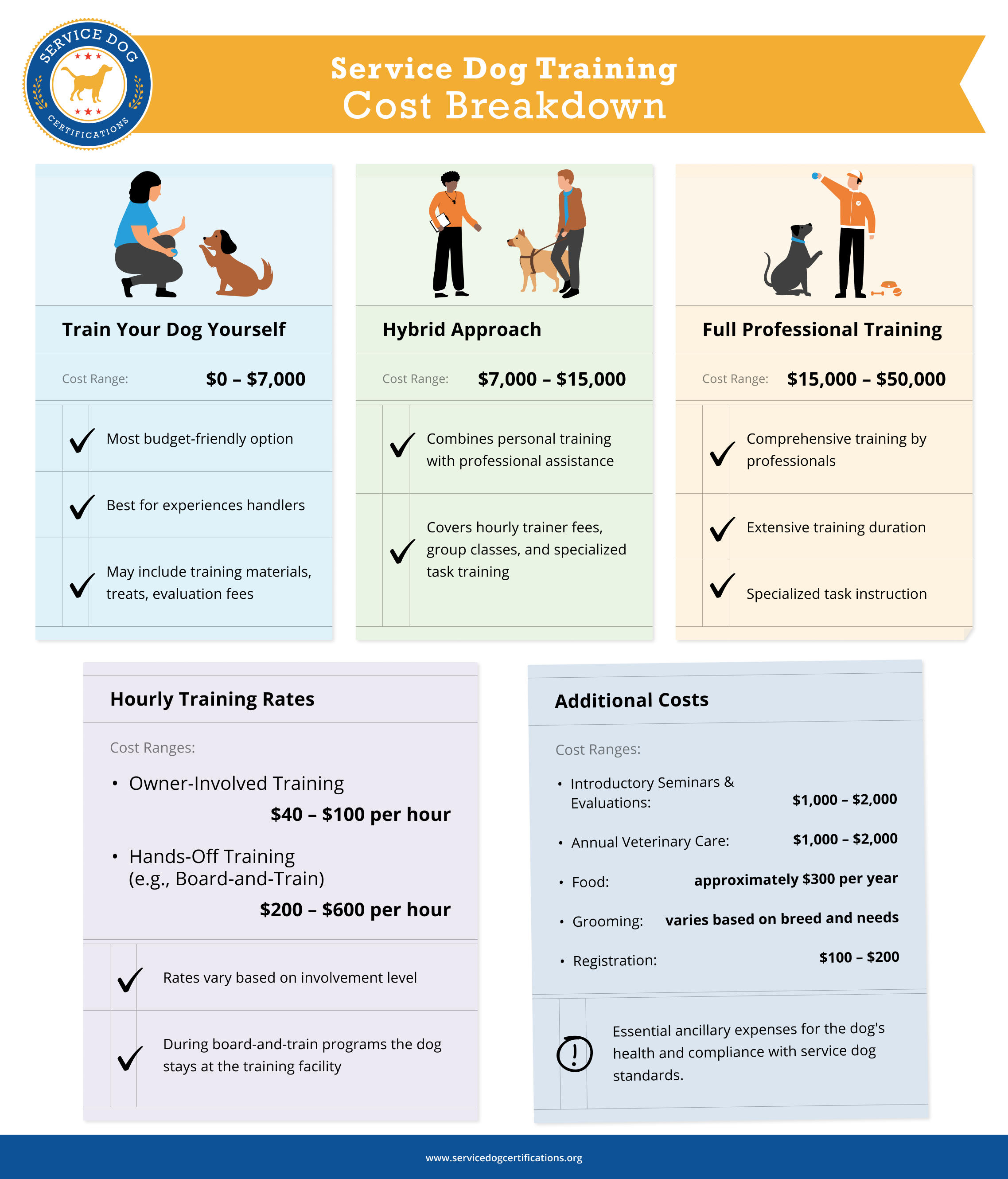
Training a dog to become a service animal demands patience and expertise. Professional trainers play a crucial role in this process. They possess the skills needed to shape a dog’s behavior for specific tasks. Their guidance ensures the dog is ready to assist people with disabilities effectively. Collaborating with experienced trainers offers a structured approach to service dog training.
Finding A Qualified Trainer
Locating the right trainer is vital. Research trainers with a history in service dog training. Check reviews and ask for recommendations from trusted sources. Verify certifications and affiliations with recognized dog training organizations. A qualified trainer will have a proven track record of success.
Benefits Of Professional Guidance
Professional trainers offer tailored training programs. They understand the unique needs of each dog. This personalized approach accelerates learning. Trainers also provide insights into a dog’s behavior. They help identify strengths and areas for improvement. Their expertise ensures the dog meets specific service requirements.
Credit: www.servicedogcertifications.org
Certification And Legal Aspects
Training a dog for service involves understanding certification and legal requirements. Certification ensures your dog is recognized as a service animal. Legal aspects protect your rights and ensure compliance with regulations.
Training your dog for service involves understanding certification and legal aspects. These elements ensure your service dog is recognized and protected. Knowing the rules helps you navigate public spaces confidently.Certification Process
The certification process varies by country. In some places, certification is not legally required. However, having certification can validate your dog’s training. It shows your dog is well-behaved and trained for service tasks. Certification often involves a test. This test assesses your dog’s behavior in different environments. Dogs must demonstrate calmness and obedience. They must also perform specific tasks related to your needs.Understanding Legal Rights
Legal rights for service dogs are crucial for access. Laws protect the rights of service dog handlers. In many countries, service dogs can accompany handlers in public places. This includes restaurants, shops, and public transport. It’s important to know your rights to avoid discrimination. Businesses must understand these laws too. They should not deny access to individuals with service dogs. Handlers should carry documentation, though not always legally required. This helps clarify the dog’s role to those unfamiliar with the law.Maintaining Service Dog Skills
Training a dog for service involves consistent practice and patience. Focus on essential skills like obedience, alertness, and task-specific commands. Regular reinforcement ensures reliability and strengthens the bond between handler and dog.
Maintaining Service Dog Skills involves consistent practice and attention to detail. It’s not just about teaching commands, but also ensuring your dog remains reliable and responsive in various situations. Whether you’re at home or out in public, these skills need to be polished regularly to ensure safety and effectiveness.Regular Training Sessions
To keep your service dog sharp, schedule regular training sessions. Consistency is key. Dedicate at least 10-15 minutes daily to reinforce commands. Use real-life scenarios during these sessions. For instance, practice commands like “sit” and “stay” while you grocery shop. This helps your dog adapt to different environments and distractions. Incorporate new challenges as your dog progresses. This keeps them engaged and prevents boredom.Health And Wellness Considerations
A healthy dog is a happy and efficient service partner. Ensure your dog gets regular vet check-ups. Pay attention to their diet. High-quality food supports their energy and cognitive functions. Don’t forget about mental health. Engage your dog in stimulating activities like puzzle toys or scent games. These activities not only entertain but also sharpen their problem-solving skills. Regular exercise is crucial. A fit dog will have better stamina and focus, crucial for their service duties. What steps will you take today to ensure your service dog remains at the top of their game?Building A Strong Bond
Building a strong bond with your dog is crucial for effective service training. A deep connection fosters trust, enhances communication, and ensures a positive training experience. Dogs respond best when they feel secure and understood. Establishing this bond sets the foundation for successful service training.
Trust And Communication
Trust is the cornerstone of any relationship. Your dog must feel safe with you. Spend quality time together. Engage in activities your dog enjoys. This builds mutual respect. Communication is vital too. Use clear, consistent commands. Dogs thrive on routine and predictability. Observe your dog’s responses to your cues. Adjust your approach as needed.
Positive Reinforcement Techniques
Positive reinforcement encourages desired behaviors. Use treats, praise, or toys as rewards. This reinforces good behavior and motivates your dog. Keep training sessions short and fun. Consistency is key. Avoid punishment or negative reinforcement. It can harm your bond. Focus on what your dog does right. Celebrate small victories often. This builds confidence and eagerness to learn.
Frequently Asked Questions
How Do I Start Training My Service Dog?
Begin with basic obedience training. Teach commands like sit, stay, and come. Consistency and patience are key. Use positive reinforcement such as treats and praise. Gradually introduce service tasks. Consider professional guidance from a certified trainer. Regular practice ensures your dog becomes reliable in service roles.
What Are Essential Service Dog Commands?
Essential commands include sit, stay, come, and heel. These form the foundation of obedience. Teach tasks like retrieving items, opening doors, and alerting to sounds. Tailor commands to your specific needs. Consistency and repetition help reinforce learning. Always reward good behavior with treats or praise.
Can Any Dog Become A Service Dog?
Not every dog is suited for service work. Ideal candidates are calm, intelligent, and eager to learn. Breeds like Labrador Retrievers and Golden Retrievers are commonly used. Assess your dog’s temperament and trainability. Consult a professional for evaluation. Service dogs require rigorous and consistent training.
How Long Does Service Dog Training Take?
Service dog training typically takes 18 to 24 months. Duration varies based on the dog’s breed, temperament, and tasks required. Training involves obedience, socialization, and task-specific skills. Regular practice and reinforcement are crucial. Professional trainers can expedite progress. Patience ensures successful service dog training.
Conclusion
Training your dog for service takes patience and love. Start with basic commands. Gradually introduce more complex tasks. Consistency is crucial for success. Keep training sessions short and engaging. Reward your dog with treats and praise. This builds trust and motivation.
A well-trained service dog can change lives. They provide support and companionship. Always consult professionals if needed. Remember, each dog learns at its own pace. Celebrate small victories along the way. Training is a journey, not a race. Stay patient, and enjoy the process.
Your efforts will lead to a rewarding partnership.


