
Training your dog can be a challenging yet rewarding experience. You’ve probably heard about shock collars and wondered if they might be right for you and your furry friend.
Using a shock collar isn’t about punishment; it’s about teaching and guiding your dog towards better behavior. This tool can help you communicate more effectively with your dog, ensuring their safety and enhancing your bond. Imagine walking your dog without the constant pulling or having them come back to you the moment you call.
These are achievable goals, and a shock collar might be the solution. Dive in to learn how to use this tool responsibly and effectively, ensuring your dog’s happiness and your peace of mind.
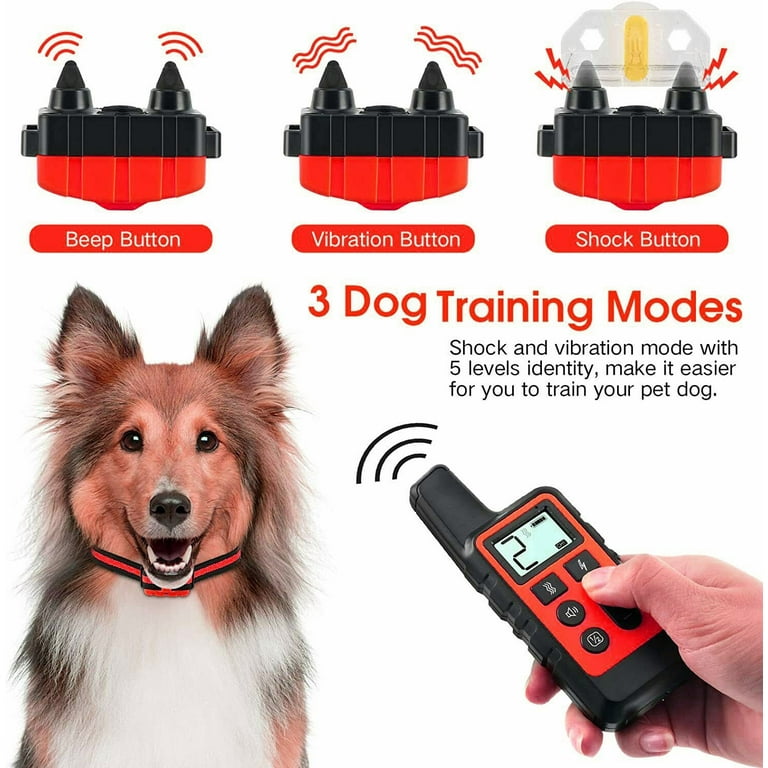
Credit: www.walmart.com
Choosing The Right Shock Collar
Selecting the right shock collar is crucial for effective dog training. Consider your dog’s size and temperament when choosing. Ensure the collar offers adjustable settings for safety and comfort.
Choosing the right shock collar for your dog is crucial in ensuring effective training while maintaining your pet’s well-being. It’s not just about picking the first collar you see; understanding the different types and features can make a world of difference. With so many options available, how do you decide which one suits your furry friend best?Types Of Shock Collars
Shock collars come in various forms, each designed for specific training needs.- Static Shock Collars:These deliver a mild electrical stimulus to get your dog’s attention. They’re often adjustable in intensity.
- Vibration Collars:Unlike static collars, these use vibrations to communicate with your dog. Ideal for sensitive dogs or as a gentler training method.
- Sound Collars:Emit a high-pitched tone instead of a shock or vibration. Useful for dogs that respond well to auditory cues.
- Remote-Controlled Collars:Offer flexibility by allowing you to control the stimulus manually. Great for personalized training sessions.
Features To Consider
When selecting a shock collar, consider features that enhance both safety and effectiveness.- Adjustable Intensity Levels:Choose a collar that lets you modify the intensity. You want enough control to suit your dog’s temperament and size.
- Waterproof Design:If your dog loves water, opt for a waterproof collar to ensure it functions in all conditions.
- Range:Depending on whether you’re training in your backyard or a large open field, the collar’s range is crucial. Longer ranges provide more flexibility.
- Battery Life:Look for collars with long-lasting batteries. You don’t want the collar to die during a crucial training moment.
- Safety Features:Some collars have automatic shut-off features to prevent overstimulation. This can be a lifesaver, literally.

Credit: www.amazon.com
Preparing For Training
Teaching your dog with a shock collar requires patience and care. Start with proper collar fitting for safety. Always use positive reinforcement alongside the collar to encourage desired behaviors.
Preparing for Training Training your dog with a shock collar can be a rewarding experience if done thoughtfully. Before diving into the process, it’s crucial to prepare adequately. This preparation will pave the way for effective training sessions that respect your dog’s well-being.Understanding Your Dog’s Behavior
Knowing your dog’s behavior is the cornerstone of effective training. Every dog is unique, with its own quirks and temperaments. Spend time observing how your dog reacts in various situations. Does your dog get anxious around strangers? Or perhaps it’s overly excited during walks? Understanding these behaviors will help tailor the training to suit their specific needs. Recognizing triggers that cause unwanted behavior is essential. It allows you to anticipate reactions and address them with the collar properly.Setting Training Goals
Clear goals are vital for successful training with a shock collar. What do you hope to achieve? Perhaps you’re aiming for your dog to sit on command or stop barking excessively. Start small and build up to more complex commands. Break down each goal into manageable steps, making it easier for both you and your dog. Consider your dog’s progress and adapt goals accordingly. Training is not a one-size-fits-all approach; flexibility will ensure better results. Make your goals specific and measurable. This helps track progress and adjust training techniques as needed. Are your training goals realistic?Introducing The Shock Collar
Training with a shock collar requires patience and consistency. It delivers a mild electric pulse to correct behavior. Always prioritize your dog’s safety and comfort during training sessions.
Introducing the Shock Collar Training your dog can be a rewarding journey, but sometimes you need a little extra help. A shock collar can be a useful tool when used responsibly and thoughtfully. It’s not about punishment, but more about communication—like a tap on the shoulder to get your dog’s attention. But how do you make this transition smoothly?Familiarizing Your Dog
Start by letting your dog explore the collar without any activation. Place it on them during their normal playtime or walk. This helps them associate the collar with positive experiences. Observe their reactions carefully. If they seem uneasy, give them some time and reassurance. Remember, patience is your ally here. Would you feel comfortable wearing a new gadget right away?Ensuring Comfort And Safety
Check the fit of the collar. It should be snug but not too tight, allowing for two fingers to slide between the collar and your dog’s neck. This prevents irritation and ensures the electric stimulation works effectively. Monitor your dog’s skin regularly for signs of redness or discomfort. Adjust the collar’s position if needed. Safety should always come first, because a happy dog is a healthy dog.Training Techniques
Shock collars can help train dogs by reinforcing boundaries. Begin with low settings to avoid discomfort. Pair commands with collar signals for effective communication.
Training your dog with a shock collar requires patience and understanding. It’s important to know how to use it effectively. This section explores training techniques that balance discipline with encouragement. Using a shock collar can be a helpful tool when combined with other methods.Positive Reinforcement Methods
Positive reinforcement means rewarding good behavior. This makes your dog want to repeat it. Treats, praise, and toys work well as rewards. Always reward immediately after the desired action. Your dog will link the reward to the behavior. Use a happy tone and gentle pats. This builds trust and confidence.- Start with simple commands like “sit” or “stay”.
- Use treats your dog loves. Keep them small.
- Say the command. When your dog obeys, reward quickly.
- Gradually reduce treats. Praise more often instead.
Corrective Feedback
Corrective feedback helps your dog understand mistakes. It’s about guiding, not punishing. The shock collar should be used carefully. It should signal rather than scare. Begin with the lowest setting possible. Use it to interrupt unwanted behavior.- Only use the collar during training sessions.
- Never shock your dog out of anger.
- Pair the signal with a command like “no”.
- Follow up with the correct behavior. Then reward.
Monitoring Progress
Tracking your dog’s progress with a shock collar is essential. Observe changes in behavior and adjust techniques as needed. Consistent monitoring ensures effective training and builds trust between you and your dog.
Monitoring your dog’s progress when using a shock collar is crucial for effective training. It’s important to observe how your dog responds to the collar and adjust your methods accordingly. This ensures that the training is both humane and effective, leading to a better-behaved dog. Let’s dive into how you can track behavioral changes and fine-tune your training techniques.Tracking Behavioral Changes
Notice the small victories. Is your dog responding quicker to commands? Consistent observation is key. Keep a journal to note any significant changes in behavior. Look for improvements in areas like obedience and social interaction. Regularly assess whether the collar’s usage is reducing unwanted behaviors. Share your observations with a professional trainer for additional insights.Adjusting Training Methods
If your dog shows signs of distress, it might be time to tweak your approach. Consider lowering the collar’s intensity if your dog reacts negatively. Switch to positive reinforcement techniques to complement the collar. Evaluate the timing of your corrections. Are they immediate enough to be effective? Engage with other pet owners or forums to learn from their experiences and adapt your strategy accordingly. By keeping a close eye on these aspects, you ensure a more tailored and effective training regimen for your furry friend.Troubleshooting Common Issues
Training a dog with a shock collar can present challenges. It’s crucial to address these issues promptly. This ensures effective training and a positive experience for your pet. Understanding and troubleshooting common issues is key to success. Let’s explore some common problems and their solutions.
Addressing Fear And Anxiety
Fear and anxiety are common in dogs using shock collars. They may react negatively to the unfamiliar sensation. To alleviate fear, start with the lowest setting. Observe your dog’s reaction closely. Increase the intensity gradually if needed. Pair the collar with positive reinforcement. Use treats and praises to create a positive association. Consistent, calm training helps reduce anxiety over time.
Dealing With Resistance
Some dogs resist shock collar training initially. This resistance can stem from confusion or discomfort. Begin by familiarizing your dog with the collar. Allow them to wear it without activation. This helps them get accustomed to the collar’s presence. Use short training sessions to prevent overwhelming your dog. Patience is crucial. Reward your dog’s progress to build cooperation and trust. Adjust your approach based on your dog’s unique needs.
Expert Advice And Tips
Training your dog with a shock collar requires careful guidance. Understand the device’s purpose and settings for effective use. Always prioritize your pet’s safety and comfort during training sessions.
Training your dog with a shock collar can be a beneficial method when done correctly. Many experts agree that understanding the nuances of this tool is crucial for both the trainer and the pet. By following expert advice, you can ensure the process is safe, effective, and humane. This section provides insights and tips from professionals to help you navigate this training technique with confidence.Common Mistakes To Avoid
Avoiding common mistakes can make the training process smoother and more effective. One major error is using the shock collar as a first resort rather than a supplementary tool. Always start with basic commands and positive reinforcement before introducing the collar. Another mistake is not properly fitting the collar. A collar that’s too tight or too loose can cause discomfort or ineffectiveness. Ensure a snug fit by being able to fit two fingers between the collar and your dog’s neck. Timing is everything. Administering shocks without considering the timing can confuse your dog. Make sure the correction is immediate and directly linked to the undesirable behavior.Success Stories
Many dog owners have found success using shock collars with the right approach. Take Jamie, for instance, who was struggling with her dog’s excessive barking. By using the shock collar alongside verbal commands, she noticed a significant reduction in barking within a week. Another success story is from Alex, who used a shock collar to curb his dog’s jumping habit. By pairing the collar with consistent training sessions, Alex’s dog learned to greet guests calmly, enhancing their social interactions. These stories highlight the importance of patience and consistency. Have you considered how these strategies might work for your own training challenges? Implementing expert tips can lead to positive changes in your dog’s behavior, ensuring a harmonious relationship for years to come.
Credit: www.amazon.com
Frequently Asked Questions
What Is A Shock Collar For Dogs?
A shock collar is a training device that delivers electrical stimulation to your dog. It’s often used to correct unwanted behaviors. The intensity can be adjusted to suit the dog’s size and temperament. Always consult a professional before using one to ensure safe and effective training.
Are Shock Collars Safe For Dog Training?
When used correctly, shock collars can be safe for dog training. It’s crucial to follow the manufacturer’s guidelines and consult with a professional. Misuse can lead to anxiety or fear. Always ensure the collar fits properly and monitor your dog’s reaction during training.
How Do I Introduce A Shock Collar To My Dog?
Start by letting your dog wear the collar without activation. Allow them to become comfortable with it. Gradually introduce low-intensity stimulation, observing your dog’s response. Pair the stimulation with verbal commands to reinforce positive behavior. Patience and consistency are key in the introduction process.
Can A Shock Collar Harm My Dog?
If misused, a shock collar can potentially harm your dog, causing stress or physical discomfort. It’s vital to use it properly and under professional guidance. Always monitor your dog’s reaction and ensure the collar is not too tight. Responsible usage minimizes risks.
Conclusion
Training a dog with a shock collar requires patience and care. Always prioritize your dog’s safety and well-being. Start with low settings and observe your dog’s reactions closely. Consistent training helps improve your dog’s behavior effectively. Remember, positive reinforcement is key.
Reward good behavior with treats and praise. Avoid overusing the shock feature to prevent stress. Consult a professional trainer for guidance, if needed. Your goal is a happy, well-behaved dog. With time and effort, you can achieve this. Building trust and understanding is crucial.
Enjoy the rewarding journey of training your beloved pet.


