How to Use a Clicker With a Dog: Expert Tips
Imagine transforming your dog’s behavior with just a small tool in your hand. A clicker can be your secret weapon in training, making communication clear and effective.
You might be wondering how a simple sound can work wonders with your furry friend. The magic lies in how it helps you guide your dog with precision and positivity. By using a clicker, you can unlock a world where commands are understood quickly, and learning becomes a fun experience for both of you.
Dive into this article to discover how you can use a clicker to enhance your bond and training sessions with your dog. Get ready to see amazing results!

Credit: www.calmshops.co.uk
Benefits Of Clicker Training
Clicker training enhances communication with dogs through positive reinforcement. It helps teach commands quickly and creates a strong bond. Training sessions become more enjoyable, fostering trust and understanding between owner and pet.
Clicker training offers numerous advantages for both dogs and their owners. This method relies on positive reinforcement, making it a humane and effective way to train. It enhances communication between you and your furry friend, fostering a deeper bond. By associating the click sound with rewards, dogs quickly learn desired behaviors. This approach is suitable for dogs of all ages and breeds, ensuring a versatile training experience.Improves Communication
Clicker training creates a clear line of communication. The click sound marks the exact moment a dog performs the desired action. This clarity helps dogs understand what is expected. It reduces confusion and speeds up the learning process.Encourages Positive Behavior
This training method focuses on rewarding good behavior. Dogs learn through positive reinforcement, which encourages them to repeat actions. It builds their confidence and reduces fear-based responses.Boosts Mental Stimulation
Clicker training engages a dog’s mind. It challenges them to think and solve problems. This mental stimulation keeps them active and prevents boredom. A mentally engaged dog is often happier and more content.Strengthens Owner-dog Bond
Training sessions are a bonding time. They allow for positive interactions and build trust. Dogs associate their owners with rewards and fun, enhancing the relationship.Offers Versatile Training Options
Clicker training suits various commands and tricks. It adapts to different training goals, from basic obedience to advanced tricks. This versatility makes it a valuable tool for all dog owners.Reduces Training Stress
This method minimizes stress for dogs. It focuses on positive experiences, creating a relaxed learning environment. Dogs feel safe and eager to learn with this approach.
Credit: ullery-lisa.medium.com
Choosing The Right Clicker
Using a clicker with your dog can enhance training by reinforcing positive behavior. Select a clicker that fits comfortably in your hand and produces a clear, distinct sound. This helps your dog associate the click with rewards, improving obedience and communication.
Choosing the Right Clicker is crucial for effective dog training. The perfect clicker helps establish clear communication between you and your dog. With many clickers available, selecting the right one can be overwhelming. Here are some key factors to consider.Material And Durability
The clicker’s material impacts its lifespan. Opt for durable materials like plastic or metal. These materials withstand regular use without breaking easily.Sound Level
The sound level of the clicker should be consistent and clear. A clicker that is too loud may scare your dog. A too-quiet clicker might not get your dog’s attention.Size And Comfort
Choose a clicker that fits comfortably in your hand. A compact size makes it easy to carry during walks. Comfort ensures you use the clicker regularly without strain.Ease Of Use
A clicker should be simple to use. Test the button to see if it’s easy to press. A user-friendly design enhances training sessions.Price And Quality
Balance price with quality. While affordable options exist, investing in a slightly higher-end clicker may offer better durability and sound quality.Additional Features
Some clickers come with extra features like wrist straps. These features can enhance convenience during training. Look for features that suit your specific needs. By considering these factors, you’ll choose a clicker that aids effective communication with your dog.Establishing A Positive Association
Establishing a positive association with a clicker can enhance training. Dogs learn through consistent and clear communication. The clicker becomes a signal for good behavior. This method encourages your dog to respond eagerly.
Introducing The Clicker
Start in a quiet space with your dog. Show the clicker to your dog first. Press it once to make a sound. Observe your dog’s reaction. The sound should catch their attention. Repeat this a few times. This step helps your dog become familiar with the clicker. Ensure your dog stays calm and curious.
Rewarding With Treats
Once your dog connects the clicker sound, introduce treats. Click once, then give a treat immediately. Repeat this several times. This process builds a strong link between sound and reward. Dogs love treats, which motivates them. Keep sessions short and rewarding. Use small, tasty treats to maintain interest. This encourages positive behavior consistently.

Credit: pupford.com
Timing The Click Correctly
Timing the click is key to effective dog training. Press the clicker the moment your dog completes the desired action. This instant feedback helps them understand what behavior earns rewards.
Timing the Click Correctly Using a clicker with your dog can transform training sessions from frustrating to fun. A clicker marks a precise moment when your dog performs the desired action, reinforcing their behavior effectively. But how do you ensure you’re clicking at the right time? The key lies in timing the click correctly.Understanding Timing
Timing is everything in clicker training. The click should occur the instant your dog completes the desired behavior. This immediate feedback helps your dog understand exactly what action earned them a reward. Imagine teaching your dog to sit; you should click the moment their bottom touches the ground. Have you ever tried taking a photo of a moving object? Clicking too early or too late can result in capturing the wrong moment. Similarly, a mistimed click can confuse your dog. They might think they’re being rewarded for something else entirely.Avoiding Common Mistakes
One common mistake is clicking while your dog is still performing the action. This can lead to mixed signals. Always wait for the behavior to be complete before clicking. Consistency is crucial. If you click sometimes and forget at other times, your dog might lose interest. They thrive on clear communication and knowing what to expect. Another pitfall is clicking without following up with a reward. The click alone isn’t enough; it needs to be paired with a treat or praise. This combination strengthens the connection between the click and the reward. Remember, every click should be purposeful. Are you clicking just to make noise or to reinforce a specific behavior? Always click with intention, ensuring your dog knows they’ve done something worthy of praise.Teaching Basic Commands
Clicker training helps your dog learn basic commands with positive reinforcement. Press the clicker when your dog does the desired action. Follow the click with a treat to encourage the behavior.
Teaching basic commands with a clicker helps strengthen the bond with your dog. This method is effective and enjoyable for both you and your furry friend. By associating the click sound with a reward, your dog learns to follow commands eagerly. Let’s explore how to teach essential commands using this simple tool.Sit And Stay
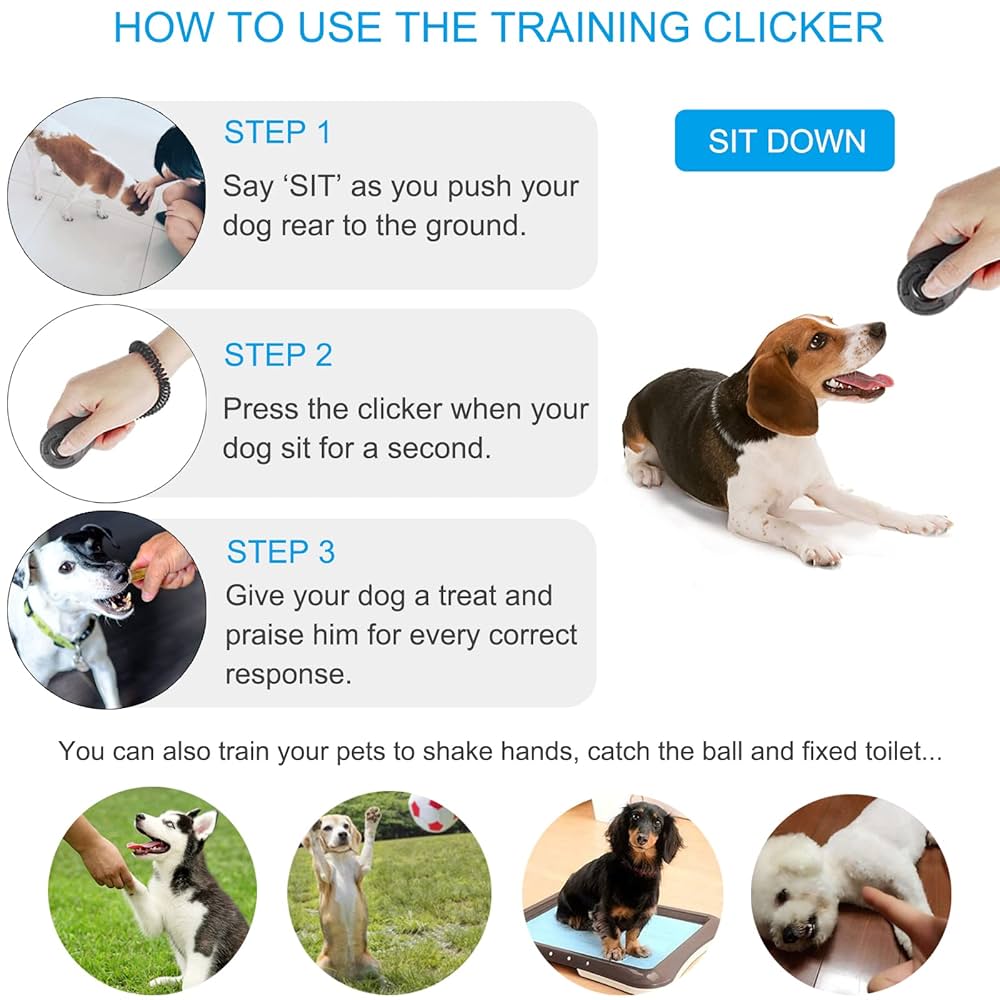
The “sit” command is a foundational skill. Hold a treat above your dog’s nose and move it upwards. As your dog follows the treat with their eyes, they will naturally sit. Click the clicker and reward them immediately. Repeat this process until your dog understands the command. For “stay,” have your dog sit and then take a step back. If they remain seated, click and reward. Gradually increase the distance and duration.Come And Heel
Teaching “come” is crucial for safety and control. Start by calling your dog’s name followed by “come.” Use the clicker as soon as they approach you and give a treat. Practice in various environments for consistency. The “heel” command ensures your dog walks beside you calmly. Begin with short walks, clicking and rewarding when your dog stays by your side. Over time, your dog will learn to maintain this position without pulling.Advanced Clicker Techniques
Teaching a dog with clicker techniques enhances communication and builds trust. A simple click signals correct behavior, reinforcing positive actions. Regular practice creates a fun and effective training routine.
Learning how to use a clicker with your dog can transform your training sessions into a fun and effective learning experience. Once you’ve mastered the basics, advanced clicker techniques open up a world of possibilities. These techniques can help you shape complex behaviors and teach your dog impressive tricks. Are you ready to take your clicker training to the next level?Shaping Behaviors
Shaping involves breaking down a complex behavior into smaller, manageable steps. Start by identifying the final behavior you want to achieve, like getting your dog to fetch a specific toy. Reward your dog for any small action that is a step toward that final behavior. For instance, if the goal is to fetch a toy, click and treat when your dog simply looks at the toy. Gradually increase the criteria: next click when they touch it, then when they pick it up. This method builds your dog’s confidence and keeps them engaged in the learning process. Patience is key. Dogs learn at their own pace, and shaping allows them to figure out what you want. It encourages problem-solving and can strengthen your bond with your furry friend.Using Clicker For Tricks
Teaching tricks with a clicker not only entertains but also stimulates your dog’s mind. Begin with simple tricks like ‘shake’ or ‘spin’. Click and treat as soon as your dog performs any part of the trick. For ‘shake’, wait for your dog to lift a paw, then click and treat. Consistency is crucial. Reinforce each step until your dog offers the behavior on command. As your dog becomes more adept, move on to more challenging tricks. Consider teaching them to ‘play dead’ or ‘bow’. The clicker helps clarify what you’re asking, making learning faster and more enjoyable. Using a clicker for tricks keeps your dog mentally stimulated and strengthens your communication. Are you ready to impress your friends with your dog’s new skills?Troubleshooting Challenges
Teaching a dog using a clicker can be challenging. Patience is key when your pet doesn’t respond immediately. Consistent practice helps your dog associate the click sound with rewards, improving their behavior over time.
Training a dog with a clicker is an effective technique, but it isn’t always smooth sailing. Sometimes, you may face challenges that make the process less effective. Whether it’s your dog being scared of the clicker or struggling to maintain consistency, understanding how to troubleshoot these issues can make a world of difference. Let’s explore some common challenges and how to address them.Addressing Fear Of Clicker
Some dogs may initially find the sound of the clicker frightening. If your dog is one of them, you can start by using a softer clicker or even a ballpoint pen that makes a similar noise. Try clicking at a distance first to gradually familiarize your dog with the sound. Reward them immediately to associate the click with positive outcomes. Another effective approach is to muffle the clicker sound. Wrap it in a towel or your hand to reduce the volume, making it less startling for your pup. Over time, you can slowly increase the volume as your dog becomes more comfortable.Improving Consistency
Consistency is crucial in clicker training, but it can be challenging to maintain. Make sure you click at the exact moment your dog performs the desired behavior. Timing is everything in reinforcing the action you want to encourage. Create a training schedule and stick to it. Set aside a specific time each day for training sessions to build a routine that both you and your dog can rely on. Keep training sessions short and focused, ideally 5-10 minutes at a time. This prevents your dog from losing interest and helps maintain your own focus and consistency. Encountering these challenges shouldn’t deter you from using a clicker. Instead, think of them as opportunities to better understand your dog and improve your training skills. Are there any other hurdles you’ve faced in clicker training? Let’s tackle them together.Maintaining Progress
Clickers can help dogs learn new tricks by marking desired behaviors with a distinct sound. Reward them immediately after the click to reinforce the action. Keep sessions short and consistent to maintain progress and prevent frustration.
Maintaining progress with clicker training ensures your dog retains skills over time. It’s crucial to keep the momentum going, making learning a continuous journey. Regular practice and fading clicker use are essential strategies in this phase.Regular Practice
Consistency is key in clicker training. Practice regularly to reinforce your dog’s skills. Short daily sessions work better than long ones. Keep training fun and engaging for your dog. Use different environments to challenge your pet. Reward progress with treats and praise.Fading Clicker Use
Gradually reduce reliance on the clicker. Start by clicking only for new or complex tasks. Over time, use verbal cues instead of clicks. This helps your dog respond to commands without the clicker. Maintain rewards to reinforce positive behavior. Keep sessions upbeat and rewarding.Frequently Asked Questions
What Is A Clicker Used For In Dog Training?
A clicker is a small device that emits a sound when pressed. It’s used to mark desired behaviors in dogs. When your dog performs the correct action, you click the device and immediately give a treat. This helps your dog associate the click sound with positive reinforcement.
How Do You Introduce A Clicker To Your Dog?
Start by clicking the device and immediately giving your dog a treat. Repeat this process several times. This helps your dog understand that a click means a reward is coming. Consistency and patience are key to successfully introducing the clicker.
When Should You Use A Clicker With Your Dog?
Use a clicker when your dog performs a desired behavior. Timing is crucial; click immediately when the action occurs. This helps your dog make the connection between the behavior and the reward. Gradually, your dog will understand which behaviors are encouraged.
Can A Clicker Be Used For All Dog Breeds?
Yes, a clicker can be used for all dog breeds. It’s a universal tool for positive reinforcement training. However, some dogs may respond differently, requiring more patience. The key is consistent use and pairing the click with treats to reinforce good behavior.
Conclusion
Using a clicker with your dog can be rewarding. It helps build a bond. The sound marks good behavior clearly. Dogs learn faster with consistency. Practice daily for the best results. Keep sessions short and fun. Patience is key. Praise and treats motivate your dog.
Remember, every dog learns at its own pace. Stay positive, and enjoy the journey together. Clicker training enhances communication. It strengthens your relationship. Soon, your dog will respond eagerly. Happy training!