How to Use Dog Nail Clippers: Expert Tips Unleashed
Are you a proud dog owner? Then you know how crucial it is to keep your furry friend’s nails in check.
But let’s be honest, the thought of using dog nail clippers can be a bit daunting. You might worry about hurting your pet or maybe you’re just not sure where to start. Don’t worry, you’re not alone. Many pet owners feel the same way.
But here’s the good news: with the right techniques and a little practice, you can turn nail clipping into a stress-free experience for both you and your dog. Imagine the peace of mind knowing your dog is comfortable and healthy, not to mention the satisfaction of mastering a new skill. Ready to transform nail clipping from a chore into a bonding moment with your pet? Let’s dive into the world of dog nail clippers and discover how easy it can be.

Credit: www.amazon.com
Choosing The Right Clippers
Choosing the right dog nail clippers is crucial for your pet’s comfort and safety. The right tool can make the task easier and less stressful for both you and your furry friend. But how do you know which clippers are the best fit for your dog’s needs?
Types Of Nail Clippers
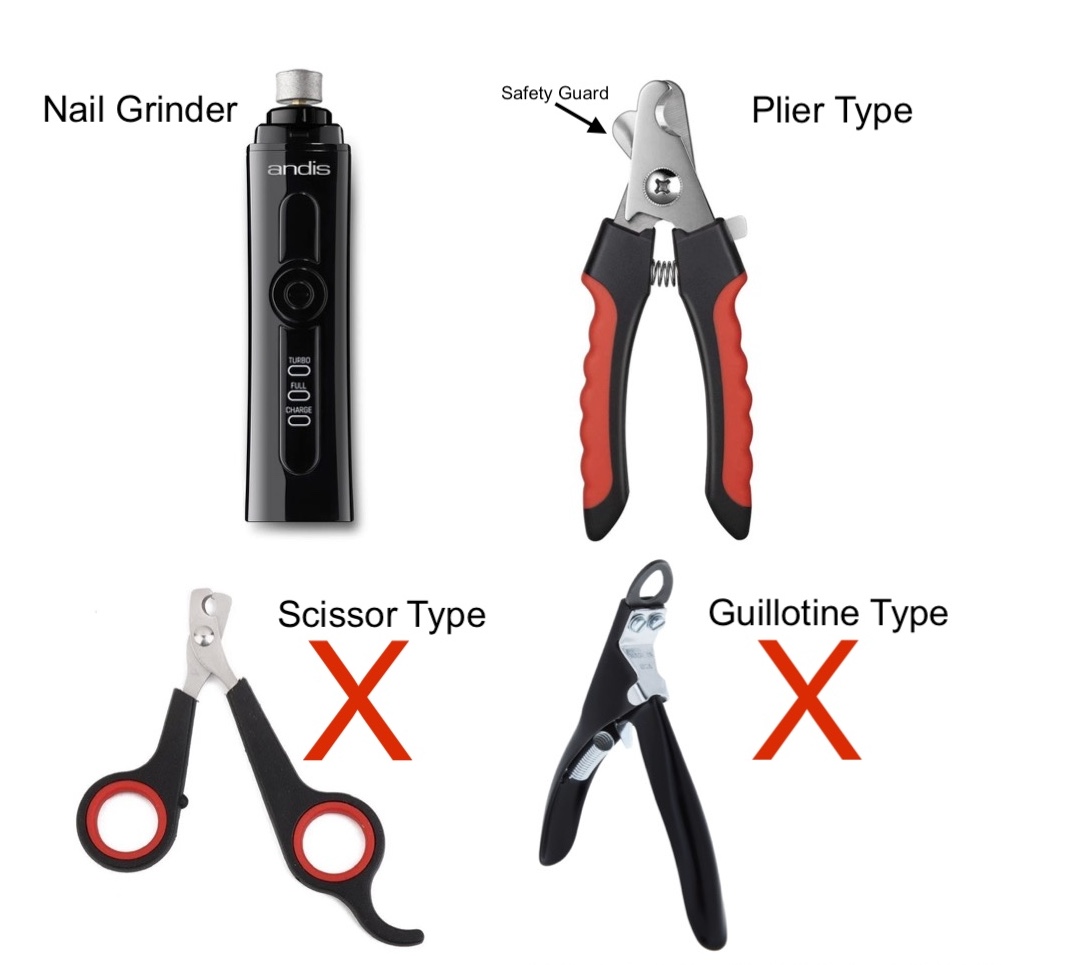
There are several types of dog nail clippers available, each serving a different purpose. The guillotine clipper is popular for small to medium-sized dogs due to its precise cutting mechanism. Scissor-style clippers are ideal for larger breeds with thicker nails, offering more leverage and power. Electric grinders, although not traditional clippers, provide a smooth finish and are great for dogs with sensitive nails.
Each type has its pros and cons, so it’s essential to assess your dog’s nail type and temperament. Are they calm during grooming, or do they get anxious? This can influence your choice significantly.
Size And Breed Considerations
Not all dog nail clippers are created equal, and size matters. Smaller clippers are suitable for puppies and small breeds, allowing for more precise control. Larger clippers are designed for big breeds, providing the strength needed to cut through thicker nails.
Think about your dog’s breed and size. A large Labrador will require a different clipper than a tiny Chihuahua. Using the wrong size can lead to discomfort or even injury, so choose wisely.
Have you ever noticed how uncomfortable it is to use a tool that doesn’t fit your hand? Dogs feel the same way about their clippers. Ensuring a proper fit can make a world of difference in their grooming experience.
Preparing Your Dog
Choose the right dog nail clippers for your pet’s nail size. Begin by gently holding the paw to ensure comfort. Gradually clip, avoiding the quick, to keep your dog relaxed and safe.
Preparing your dog for a nail clipping session is essential for a smooth experience. Dogs can be sensitive to nail clipping, so creating a positive and comfortable atmosphere can make a world of difference. By focusing on your dog’s comfort and familiarity with the clippers, you can transform nail trimming into a stress-free routine.Creating A Calm Environment
Make sure your dog feels relaxed before you start. Choose a quiet room where distractions are minimal. You might even consider playing soft music to set a soothing tone. If your dog senses anxiety in you, they are likely to mirror it. Try taking deep breaths and approaching the task with confidence. Your calm demeanor will help reassure your dog. Think about the times your dog feels most at ease. Perhaps after a walk or play session when they’ve burned off some energy. This is an ideal moment to clip their nails.Familiarizing With Clippers
Introduce the clippers to your dog before using them. Let them sniff and inspect the tool while offering treats. This helps build a positive association. You might want to practice opening and closing the clippers without actually trimming. The sound can be intimidating, so letting them get used to it without the pressure of a trim is helpful. Consider touching your dog’s paws gently with the clippers closed. This step familiarizes them with the sensation, making the actual clipping less startling. By adopting these strategies, you’re not just preparing your dog for a grooming session but nurturing trust and easing any potential fears. How do you think your dog will respond to this preparation?Clipping Techniques
Dog nail clippers are essential for pet grooming. Choose a comfortable and safe clipper style. Trim nails slowly and carefully to avoid hurting your dog.
Clipping your dog’s nails can be a simple task with the right techniques. Proper clipping ensures your pet stays comfortable and avoids injury. With a little practice, you can master the art of dog nail clipping.Correct Positioning
Find a quiet, comfortable space for your dog. Ensure your dog is relaxed and calm. Position your dog so you can reach their paws easily. Sitting on the floor with your dog in your lap works well. For larger dogs, use a low table or bench. Hold your dog’s paw gently but firmly. Keep the paw steady to avoid slipping.Safe Cutting Practices
Use sharp clippers designed for dogs. Dull clippers can crush the nail. Hold the clippers perpendicular to the nail. Avoid cutting at an angle to prevent splitting. Trim small sections at a time. Look for the quick, a pink area inside the nail. Avoid cutting the quick to prevent bleeding. If unsure, cut a tiny bit and check again. Reward your dog with treats for staying calm.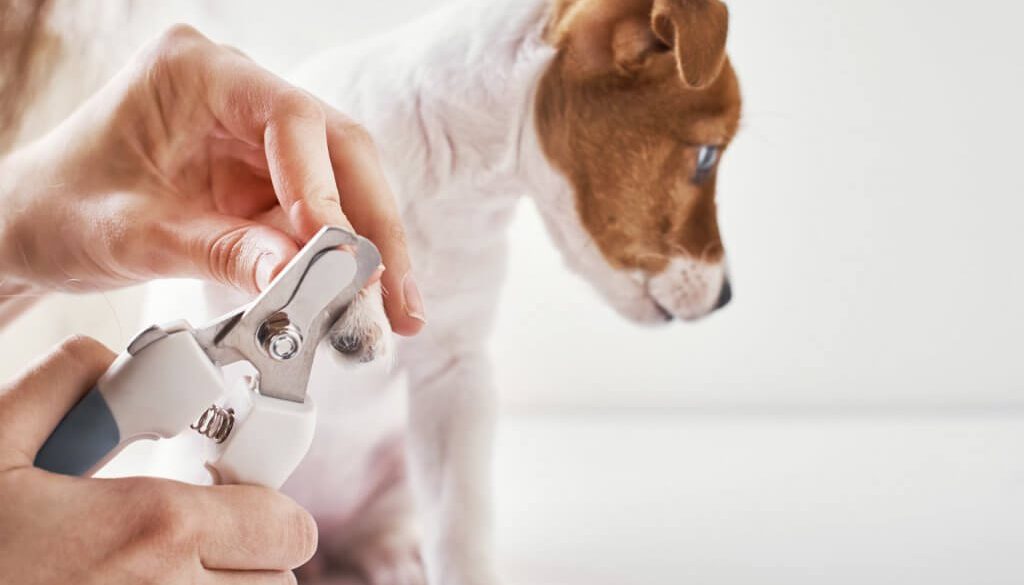
Credit: vetpetacademy.com
Handling Difficult Dogs
Using dog nail clippers requires patience and calmness. Start by gently handling the dog’s paws to build trust. Trim nails slowly, ensuring not to cut too close to the quick, which can cause pain.
Handling difficult dogs during nail clipping can be challenging. Some dogs get anxious or scared. Patience and understanding are key. The right approach can make the process smoother. Here are some tips for handling difficult dogs.Managing Anxiety
Anxiety is common in dogs during grooming. Calm your dog with a soothing voice. Pet them gently to reassure them. Use treats as positive reinforcement. Choose a time when your dog is relaxed. Avoid clipping when they are restless. Consider using calming sprays or diffusers. These can help reduce stress. Regular practice helps in building trust.Using Restraints Effectively
Restraints can help keep your dog steady. Use soft restraints that won’t hurt them. A grooming table with a harness is useful. Hold your dog gently but firmly. Ask someone to assist you if needed. They can help hold the dog still. Ensure the restraint is comfortable. Avoid making your dog feel trapped. Always monitor your dog’s comfort level. Adjust the restraint if necessary.Post-clipping Care
Ensure nails are smooth after clipping to prevent snagging. Apply pet-safe balm to soothe any irritation. Regularly check paws for signs of discomfort or injury.
Caring for your dog’s paws doesn’t end after the last snip of the nail clippers. Post-clipping care is crucial to ensure your furry friend remains comfortable and healthy. Proper attention after trimming can prevent infections and make the next grooming session a breeze.Checking For Bleeding
After clipping, take a close look at each paw. Occasionally, you might clip a bit too close, causing slight bleeding. Keep a styptic powder or pencil handy. It’s a quick remedy to stop bleeding. Apply a small amount to the affected nail, and hold gentle pressure for a few seconds. If you notice your dog licking or biting at their nails, inspect them again. Sometimes a small nick can be missed.Rewarding Your Dog
Once the nail trimming is complete, it’s time to reward your dog. Positive reinforcement makes future sessions much easier. Offer a treat or engage in a fun activity like a walk or playtime. This reinforces a positive association with nail clipping. Consider what your dog loves most. Is it a belly rub or a favorite toy? Use these as rewards to strengthen the bond and trust. How does your dog react to nail clipping? Observing their behavior can guide you in making post-clipping care more effective and enjoyable for both of you.Common Mistakes To Avoid
Trimming your dog’s nails can be tricky. Avoid common mistakes to keep your pet comfortable. Proper techniques ensure safety and a stress-free experience for both of you.
Overcutting Nails
One mistake is cutting nails too short. This can hurt your dog. It might cause bleeding and pain. Always check the nail’s quick. It’s the pink part inside the nail. Cut slowly and carefully. Use sharp clippers for a clean cut. Dull clippers can crush nails.
Ignoring Signs Of Distress
Watch your dog’s behavior during nail trimming. Signs of distress include whining or pulling away. Stop if your dog shows discomfort. Give them time to relax. Try calming techniques like petting or treats. A relaxed dog makes trimming easier. Make it a positive experience.
Professional Insights
Understanding how professionals use dog nail clippers can make a difference. Their insights can help you manage your dog’s grooming needs safely. Professionals have techniques that ensure a stress-free experience for both you and your pet.
Advice From Groomers
Experienced groomers suggest starting with the right clippers. Choose ones that match your dog’s nail size and type. Groomers often recommend scissor-style clippers for large dogs and guillotine-style for smaller ones.
Regular trimming is important. Groomers advise trimming every 4 to 6 weeks. This prevents nails from growing too long, which can cause discomfort or health issues.
Confidence during trimming is key. Groomers suggest holding the clippers firmly and cutting at a slight angle. This helps avoid cutting the nail’s sensitive quick.
When To Seek Help
If you’re unsure or nervous, consider professional help. A groomer can trim nails safely and efficiently. Seek advice if your dog shows signs of distress or discomfort during nail trimming.
Consult a vet if the nails are cracked or damaged. They can offer solutions to avoid infection or further injury. If the quick is accidentally cut, a professional can assist in treatment.
Groomers can also teach you techniques. This can improve your confidence and skill in handling nail clippers.
Credit: vetpetacademy.com
Frequently Asked Questions
What Are The Types Of Dog Nail Clippers?
Dog nail clippers come in three main types: guillotine, scissors, and grinders. Guillotine clippers are best for small dogs. Scissors are ideal for large breeds with thick nails. Grinders provide a smooth finish and are great for dogs sensitive to clipping noise.
How Often Should You Clip Dog Nails?
Clip your dog’s nails every 3-4 weeks to maintain healthy nail length. Regular trimming prevents overgrowth and discomfort. If you hear clicking sounds when your dog walks, it’s time for a trim. Monitor your dog’s nails regularly to ensure they don’t become too long.
How Do You Clip Dog Nails Safely?
To clip nails safely, hold your dog’s paw gently but securely. Use sharp clippers and cut small portions at a time. Avoid cutting the quick, which is the sensitive part of the nail. If unsure, consult a vet or groomer for guidance.
Can Nail Clipping Hurt My Dog?
Nail clipping can hurt if you cut into the quick, causing bleeding and pain. Use caution and trim small sections. Always use sharp, quality clippers for a clean cut. If you’re uncertain, seek professional help to ensure your dog’s safety and comfort.
Conclusion
Using dog nail clippers correctly ensures your pet’s comfort and safety. Practice makes perfect. Start slow and stay calm during each trimming session. Regular maintenance prevents overgrown nails and related issues. Always use sharp clippers for a clean cut. Reward your dog after every session for good behavior.
This builds trust and makes the process easier over time. Consider professional help if you’re unsure about clipping. Keeping your dog’s nails trimmed is essential for their health. Make nail trimming a routine, not a chore. Your dog will thank you with happy, healthy paws.