
Is Pet Insurance Worth It for Dogs: A Complete Guide
Imagine this: your beloved dog is running happily in the park, chasing after a squirrel. Everything seems perfect until suddenly, you notice a limp in their step.
Your heart skips a beat as worry sets in. You’re not alone in this moment—every pet parent has felt the anxiety of unexpected vet bills. That’s where pet insurance comes into play. But is pet insurance really worth it for your furry friend?
You might be wondering if it’s just another monthly expense or a wise investment in your dog’s health and happiness. As you dive into this article, you’ll uncover the truth about pet insurance and whether it can ease your worries, protect your wallet, and ensure your dog gets the best care possible. Let’s explore this important decision together, and help you make the choice that’s right for your four-legged family member.
Understanding Pet Insurance
Many dog owners wonder if pet insurance is worth the cost. It can help cover unexpected vet bills. Consider your dog’s health needs and budget before deciding.
Understanding Pet Insurance Pet insurance is like a safety net for your furry friend, offering peace of mind when unexpected veterinary bills arise. Just as you insure your health, your dog’s health can be protected too, ensuring they receive the best care without the heavy financial burden. But what does pet insurance actually cover, and how do you choose the right plan for your dog?What Pet Insurance Covers
Most pet insurance policies cover accidents and illnesses, which can range from a broken leg to a sudden illness like cancer. Some plans also include coverage for chronic conditions, hereditary issues, and even routine care such as vaccinations and check-ups. It’s crucial to read the fine print, as some providers may exclude specific conditions or treatments, leaving you with unexpected out-of-pocket costs.Types Of Pet Insurance Plans
There are several types of pet insurance plans to consider:- Accident-Only Plans:These cover injuries from accidents like fractures or poisonings. They are generally more affordable but don’t cover illnesses.
- Accident and Illness Plans:These plans offer broader coverage, including both accidents and a wide range of illnesses, making them a popular choice for comprehensive protection.
- Wellness Plans:Often available as add-ons, wellness plans cover routine care like vaccinations, flea control, and dental cleanings.

Credit: www.latimes.com
Benefits Of Pet Insurance
Pet insurance can save money on unexpected vet bills. Coverage often includes accidents, illnesses, and routine care. Peace of mind comes from knowing your dog is protected.
Pet insurance offers many benefits for dog owners. It provides financial security during unexpected medical expenses. It also ensures access to better veterinary care and gives peace of mind. Understanding these benefits can help decide if pet insurance is suitable.Financial Security
Pet insurance reduces the financial burden of unexpected vet bills. Treatments for illnesses or accidents can be costly. Insurance helps manage these expenses without draining savings. This security allows better focus on the dog’s health.Access To Better Veterinary Care
Insurance often covers advanced treatments and procedures. It enables choosing the best care options without worrying about costs. Dogs can receive high-quality care, improving recovery chances. This access ensures they get the best treatment available.Peace Of Mind
Pet insurance provides peace of mind for owners. Knowing medical expenses are covered reduces stress. Owners can focus on their dog’s recovery instead of finances. This assurance is invaluable during difficult times.Costs Of Pet Insurance
Understanding the costs of pet insurance is crucial for dog owners. It helps in planning the budget effectively. Pet insurance can provide financial relief in tough times. But, it also comes with its own expenses. Below, we break down the main cost factors. This will help you decide if it’s right for you and your dog.
Monthly Premiums
Monthly premiums are the regular fees you pay for coverage. These vary based on several factors. Your dog’s breed, age, and health status influence the cost. Location also plays a role. Urban areas might see higher premiums. Different companies offer various plans, affecting the price range. It’s important to compare options before choosing.
Deductibles And Co-pays
Deductibles are amounts you pay out-of-pocket before coverage kicks in. Co-pays are your share of costs after meeting the deductible. These costs depend on the plan you select. Plans with lower premiums might have higher deductibles and co-pays. Understanding these terms helps in managing unexpected expenses. Check the details of your chosen plan thoroughly.
Exclusions And Limitations
Exclusions are conditions or treatments not covered by insurance. Limitations refer to caps on coverage amounts. Common exclusions include pre-existing conditions or elective procedures. Each policy has its own set of rules. Reading the fine print is essential. Knowing what is not covered avoids surprises later.

Credit: www.usnews.com
Evaluating The Need For Pet Insurance
Deciding if pet insurance is necessary for your dog involves careful thought. Each dog has unique needs based on various factors. Understanding these factors helps determine the value of pet insurance. Let’s explore key considerations for making this decision.
Breed-specific Health Issues
Certain dog breeds are prone to specific health problems. Bulldogs often face respiratory issues. German Shepherds may experience hip dysplasia. Knowing breed-related health risks can indicate potential future costs. Insurance might help cover treatments for these conditions.
Age And Health Of The Dog
A young, healthy dog might not need insurance right away. But as dogs age, health issues can increase. Older dogs often require more medical attention. Insurance can help manage costs for chronic conditions or unexpected illnesses.
Lifestyle And Environment
Active dogs in busy environments might be more prone to accidents. Dogs living in rural areas might encounter wildlife risks. Consider your dog’s daily activities and surroundings. These factors can influence the likelihood of needing medical care. Insurance could be beneficial in such situations.
Alternatives To Pet Insurance
Pet insurance can be a lifesaver, but it isn’t the only option for safeguarding your dog’s health. Whether you have concerns about the cost or the coverage limitations, exploring alternatives might be worthwhile. Are you ready to discover some practical methods to financially prepare for your dog’s veterinary needs without relying solely on insurance?
Savings Accounts For Pet Expenses
Setting up a dedicated savings account for your pet can offer peace of mind. By regularly depositing a small amount, you build a financial cushion for unexpected vet bills. This method gives you complete control over your funds, allowing you to decide how much to save based on your dog’s needs and your budget.
Imagine having a financial buffer that grows with your dog. It’s like an investment in their health and well-being. Plus, there’s no risk of denied claims or coverage limits!
Discount Plans And Wellness Programs
Many veterinary clinics offer discount plans and wellness programs. These plans often cover routine care like vaccinations and check-ups at a reduced cost. Participating in such programs can help you manage predictable expenses and catch potential health issues early.
Have you ever considered how a wellness program might benefit both your dog and your wallet? Some plans offer unlimited office visits for a flat fee, which can be a boon for dogs with chronic conditions or those prone to accidents.
These alternatives provide flexibility and control, ensuring your dog receives the care they need without the constraints of traditional pet insurance. Which option seems like the best fit for you and your furry friend?
Choosing The Right Pet Insurance
Choosing the right pet insurance for your dog is crucial. It ensures your furry friend gets the best care without burning a hole in your pocket. But how do you sift through the sea of options to find the perfect fit?
Comparing Different Providers
Start by creating a list of potential insurance providers. Look at what each offers in terms of coverage, premiums, and deductibles. Some providers may cover routine check-ups, while others focus on emergencies or chronic conditions.
Use comparison websites to quickly gauge what different companies offer. This can save you time and help you spot any standout features or deals. Remember, the most expensive option isn’t always the best, and the cheapest might skimp on necessary coverage.
Reading Policy Fine Print
The devil is in the details. Carefully read the fine print of each policy. Check for exclusions like hereditary conditions or breed-specific issues.
Understanding the reimbursement process is also vital. Will the insurer pay the vet directly, or will you need to pay upfront and wait for reimbursement? Make sure you’re clear on the terms to avoid unpleasant surprises later.
Customer Reviews And Recommendations
Real-life experiences can offer invaluable insights. Look for reviews on trusted websites and forums where pet owners share their experiences with different insurers.
Pay attention to recurring themes in feedback, whether positive or negative. If multiple customers praise a provider’s quick claims process, it could be a good indicator of reliability.
Engage with community groups or social media platforms. Ask fellow pet owners about their insurance experiences. Their stories can guide you towards a more informed decision.
Making The Decision
Choosing pet insurance for dogs involves assessing potential vet costs and coverage benefits. Evaluate your dog’s health needs and financial situation. Weigh the peace of mind insurance can offer against its cost.
Making the decision to invest in pet insurance for your dog can feel overwhelming. There are numerous factors to consider, and each one plays a significant role in your choice. Ultimately, you want to ensure you’re making the best decision for both your financial well-being and your pet’s health.Weighing Costs Vs. Benefits
Evaluating the cost of pet insurance against its benefits is crucial. Consider monthly premiums, deductibles, and coverage limits. Is the peace of mind worth the price tag? Imagine your dog suddenly needs emergency surgery costing several thousand dollars. Without insurance, the financial burden can be daunting. But with a policy, you might only face a fraction of the cost. Ask yourself: can you afford unexpected veterinary bills without insurance? If not, pet insurance might be a wise choice.Long-term Considerations
Think about your dog’s breed and age. Certain breeds are prone to specific health issues, which can be costly. Young dogs might seem healthy now, but as they age, the probability of medical conditions increases. Insurance could offer substantial savings over time. Consider the longevity of your commitment. While it might seem unnecessary today, insurance can be a financial lifesaver in the future. Are you prepared for potential long-term health challenges? By balancing immediate costs with potential future needs, you can make a more informed decision. It’s about securing a stable future for your furry friend.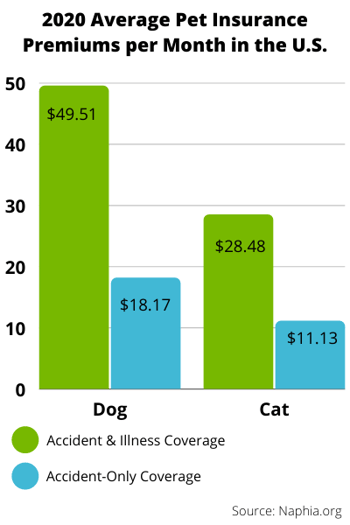
Credit: www.preventivevet.com
Frequently Asked Questions
What Does Pet Insurance Cover For Dogs?
Pet insurance typically covers accidents, illnesses, surgeries, and emergency care. Policies may include coverage for hereditary conditions, medications, and diagnostic tests. Some plans offer wellness coverage for routine care, like vaccinations and check-ups. It’s crucial to review policy details to understand specific inclusions and exclusions before purchasing.
How Much Does Dog Insurance Cost?
The cost of dog insurance varies based on factors like breed, age, location, and coverage level. Monthly premiums typically range from $25 to $70. Comprehensive plans with lower deductibles are more expensive. Comparing different providers and customizing coverage can help find an affordable plan that suits your needs.
Is Pet Insurance Worth It Financially?
Pet insurance can be financially worthwhile if unexpected veterinary costs arise. Treatments for accidents or illnesses can be expensive. Insurance helps manage these costs. However, it’s important to weigh monthly premiums against potential savings. For dogs with pre-existing conditions, insurance might offer limited benefits.
Can Pet Insurance Cover Pre-existing Conditions?
Most pet insurance plans do not cover pre-existing conditions. Conditions diagnosed or treated before policy inception are typically excluded. Some plans may cover conditions considered cured. Reviewing policy terms is essential to understand specific exclusions related to pre-existing conditions.
Conclusion
Weighing pet insurance for dogs involves considering benefits and costs. It can ease financial stress during emergencies. Vet bills add up quickly. Insurance offers peace of mind. Knowing your dog is protected feels good. But, it’s not for everyone. Assess your budget and your dog’s health needs.
Think about potential risks. Every dog and owner has unique situations. Research different plans thoroughly. Compare coverage options and prices. Make an informed choice. Protect your furry friend with confidence or decide it’s not necessary. Remember, your dog’s health is a priority.


