
Should I Give My Dog Probiotics Every Day: Expert Insights
Have you ever wondered if giving your dog probiotics every day is a good idea? You’re not alone.
As a caring pet owner, you want the best for your furry friend, and understanding what goes into their daily routine is crucial. Probiotics are often hailed as miracle workers for gut health, but do they really live up to the hype for dogs?
Imagine your dog having a happier tummy, more energy, and a shinier coat. It’s a picture-perfect scenario, right? But before you add probiotics to your dog’s diet, there are essential factors to consider. This article will unravel the mysteries surrounding probiotics and help you decide whether daily supplementation is the right choice for your pet. Keep reading to ensure you’re making informed decisions for your dog’s health and happiness!
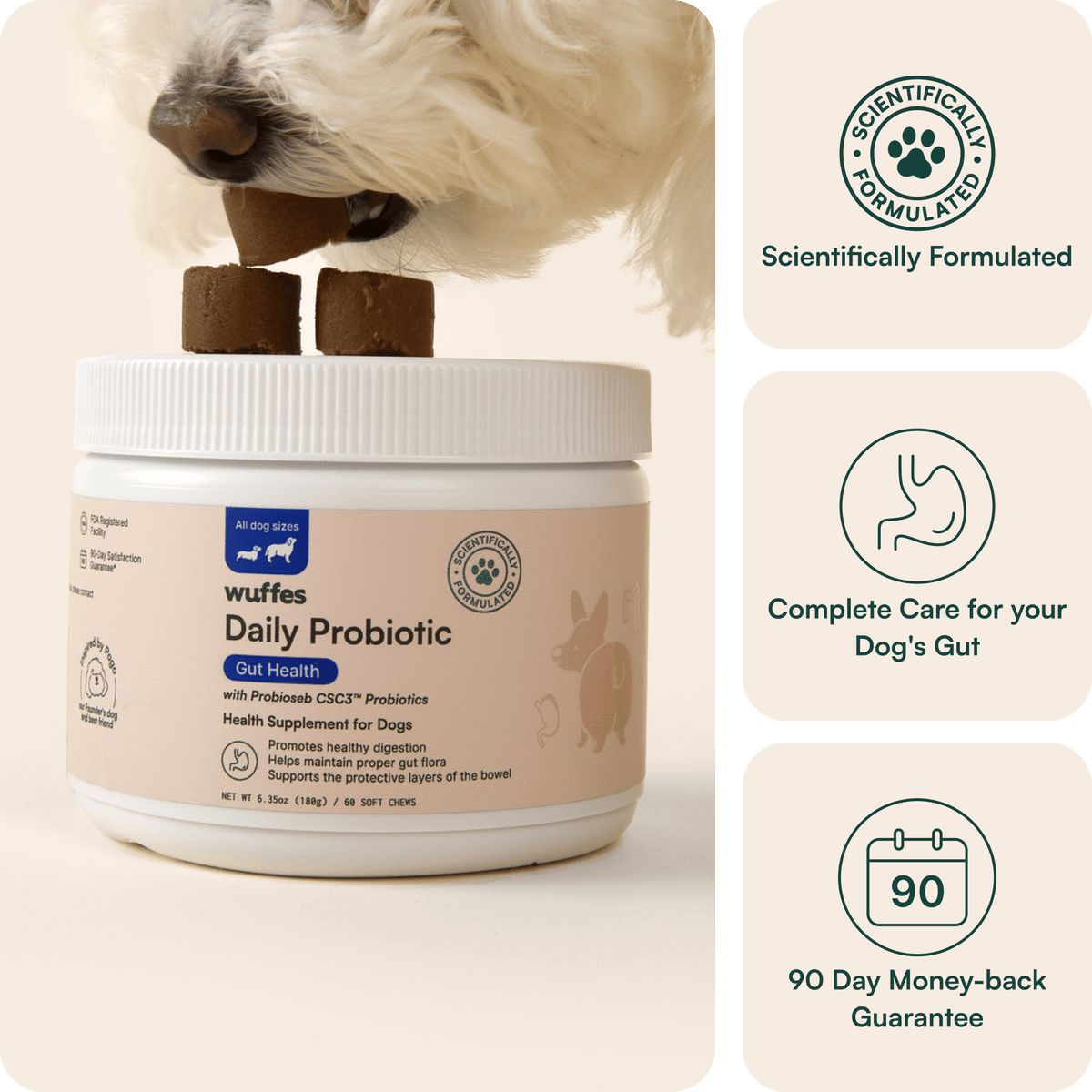
Credit: wuffes.com
Benefits Of Probiotics For Dogs
Probiotics are living microorganisms that support good health. For dogs, probiotics can be quite beneficial. These friendly bacteria offer numerous advantages. They help in maintaining a balanced gut flora. A healthy gut improves overall well-being in dogs. Let’s explore some key benefits.
Improved Digestion
Probiotics enhance digestive health in dogs. They aid in breaking down food efficiently. This leads to better nutrient absorption. Dogs with digestive issues may find relief. Consistent probiotic use can reduce diarrhea and constipation. It promotes regular bowel movements. A healthy digestive system means a happier pet.
Enhanced Immune Function
Probiotics strengthen your dog’s immune system. They boost the body’s defense against pathogens. A robust immune system helps fight infections. Dogs become less prone to illnesses. Regular intake of probiotics can lead to fewer vet visits. Keeping the immune system strong is vital for long-term health.
Reduction In Allergies
Probiotics can help reduce allergy symptoms in dogs. They balance gut bacteria, which impacts immune responses. A balanced gut can lower inflammation levels. This may result in fewer allergic reactions. Dogs with skin allergies might see noticeable improvements. A healthier gut means fewer itchy days for your furry friend.

Credit: www.vetriscience.com
Types Of Probiotics For Dogs
Daily probiotics can aid your dog’s digestion and boost immune health. Choices include Lactobacillus, Bifidobacterium, and Enterococcus. Always consult your vet before starting any supplement.
When considering probiotics for your furry friend, it’s essential to know that not all probiotics are the same. The various types available can make a significant difference in your dog’s health. Understanding the options can help you make an informed decision that benefits your pet’s digestive system, immune health, and overall well-being.Natural Probiotics
Natural probiotics are found in certain foods and can be a great addition to your dog’s diet. These include ingredients like yogurt, kefir, and fermented vegetables. For example, a spoonful of plain yogurt can be mixed with your dog’s meal to boost gut health. However, remember to check for low sugar and no artificial additives, which are better for dogs. Another option is kefir, a fermented milk drink that provides a rich source of probiotics. It’s simple to add a small amount to your dog’s food, enhancing the meal with beneficial bacteria.Commercial Supplements
Commercial probiotic supplements are specifically designed for dogs and are widely available in pet stores. They come in various forms, including powders, capsules, and chews. These supplements often contain strains of bacteria that are particularly beneficial for canine health. Products like FortiFlora or Proviable are popular choices among pet owners. It’s crucial to follow the dosage instructions provided, as over-supplementation can sometimes lead to digestive issues.Choosing The Right Type
Selecting the right type of probiotic for your dog can seem daunting, but it doesn’t have to be. Consider your dog’s specific health needs and dietary preferences. If your dog enjoys certain foods, natural probiotics like yogurt could be the easiest to incorporate. If your pet has specific health concerns, consult your vet about the most suitable commercial supplements. Think about your lifestyle too. Are you more likely to remember adding a supplement to your dog’s meal or mixing in a spoonful of yogurt? Your choice should align with what’s convenient for you and beneficial for your dog. What will you choose to support your dog’s health today?Daily Probiotic Dosage
Understanding the daily probiotic dosage for your dog is essential. Probiotics support gut health and boost the immune system. But, how much is enough for your furry friend? Dosage depends on the dog’s size, age, and health needs. Let’s explore the recommended amounts, signs of overconsumption, and how to adjust dosage effectively.
Recommended Amounts
Choosing the right probiotic amount is crucial for your dog’s health. Typically, smaller dogs need less than larger breeds. A general guideline might suggest:
- Small dogs (up to 20 lbs): 1-3 billion CFUs
- Medium dogs (20-50 lbs): 3-5 billion CFUs
- Large dogs (50+ lbs): 5-10 billion CFUs
Check the product label for specific instructions. Consult your vet for personalized advice.
Signs Of Overconsumption
Giving too many probiotics can cause issues. Watch for these signs:
- Diarrhea or loose stools
- Excess gas or bloating
- Decreased appetite
If these symptoms appear, reduce the dosage and consult your vet. Monitoring your dog’s reaction is vital for maintaining balance.
Adjusting Dosage
Adjusting probiotic dosage may be necessary over time. Start with the lower end of the dosage range. Observe your dog’s response. Gradually increase if needed. Ensure your dog’s comfort and health are prioritized. Regular check-ins with your vet can guide adjustments.
Potential Side Effects
Giving your dog probiotics every day might seem like a healthy choice, but it’s essential to consider the potential side effects. While probiotics can support digestive health, they can also lead to unexpected reactions in some dogs. Understanding these potential pitfalls helps you make informed decisions about your furry friend’s wellness.
Digestive Upset
Probiotics are designed to enhance gut health, but they can sometimes cause digestive upset. Your dog might experience symptoms like diarrhea, gas, or bloating. If you notice these signs, it could be a signal that the probiotics aren’t agreeing with your dog’s system.
Consider reducing the dosage or trying a different strain. Every dog’s digestive system is unique, and adjustments might be necessary. You wouldn’t want your attempt to boost health to backfire with discomfort.
Allergic Reactions
Just like humans, dogs can have allergies, and probiotics are no exception. Some dogs may develop allergic reactions, such as itching or skin irritation. These symptoms indicate that your dog might be sensitive to specific probiotic ingredients.
If you suspect an allergy, consult your vet promptly. They can guide you on whether to discontinue use or switch to a hypoallergenic formula. Your dog’s comfort and safety should always be a priority.
Monitoring Health Changes
Continuous monitoring is crucial when introducing daily probiotics into your dog’s diet. Keep an eye on changes in behavior, appetite, and stool quality. These indicators can provide insight into how well your dog is adjusting to the probiotics.
Engage with your dog and observe any noticeable differences. You might ask yourself: Is my dog more energetic or lethargic? Are there improvements in coat shine or mood? Regular monitoring helps you make proactive health decisions.
Ultimately, your dog’s health is a journey with you at the helm. Balancing benefits and side effects ensures a smoother ride toward optimal wellness.
Consulting With A Veterinarian
Giving your dog probiotics daily can boost their health. But, it’s crucial to consult a veterinarian first. This ensures your furry friend gets the right care. Professional guidance is key. It helps avoid possible risks and side effects.
Importance Of Professional Advice
Veterinarians understand a dog’s digestive system. They can assess if probiotics are suitable. Their advice is based on your dog’s health status. Professional input helps choose the right type and dosage. This prevents any harm or imbalance.
Customized Health Plans
Every dog has unique health needs. A veterinarian can tailor a health plan. They consider factors like age, breed, and health history. Customized plans ensure probiotics support your dog’s wellbeing. This personalized approach leads to better health outcomes.
Regular Check-ups
Regular check-ups monitor your dog’s health progress. They help adjust probiotics as needed. Veterinarians can spot any issues early. This proactive care maintains your dog’s optimal health. Regular visits ensure that probiotics are effective and safe.
Alternatives To Daily Probiotics
Considering daily probiotics for dogs? Explore alternatives like fermented foods or natural supplements to boost gut health. Balance your dog’s diet with fiber-rich vegetables or yogurt for digestive support.
Exploring alternatives to giving your dog probiotics every day can benefit their health. Many dog owners are curious about other methods to support their pet’s digestive system. These alternatives can be simpler and just as effective.Dietary Changes
Feeding your dog a balanced diet is crucial. Look for high-quality dog food with natural ingredients. Foods rich in fiber, like pumpkin, can improve digestion. Adding a variety of vegetables can also help. They provide essential nutrients and support gut health. Always introduce new foods gradually to avoid stomach upset.Occasional Use Strategies
Using probiotics occasionally can still support your dog’s gut health. Give them during stressful times, like travel or vet visits. This can help manage digestive issues during these events. Also, consider using probiotics after antibiotic treatments. Antibiotics can disrupt gut bacteria balance. Occasional probiotics can help restore it.Other Supplements
Other supplements can support your dog’s digestion. Digestive enzymes can aid in breaking down food. This helps with nutrient absorption. Prebiotics are another option. They feed the good bacteria in your dog’s gut. This can enhance the effectiveness of occasional probiotics. Always consult your vet before starting any new supplement.Expert Opinions On Probiotic Use
Deciding whether to give your dog probiotics daily can be a puzzling choice for many pet owners. Expert opinions offer valuable insights to guide your decision. Understanding what veterinarians and researchers say, along with real-life case studies, can help you make an informed choice for your furry friend.
Veterinary Perspectives
Veterinarians often have mixed opinions about daily probiotic use in dogs. Some see it as beneficial for maintaining gut health, especially if your dog has a history of digestive issues. Others suggest it’s best used only during specific situations like after antibiotic treatment or during stressful periods.
Your vet knows your dog’s health history best. It’s always a good idea to discuss with them before starting any new supplement regimen.
Research Findings
Research on probiotics for dogs is still evolving, but there are promising findings. Some studies indicate that probiotics can help with chronic diarrhea and improve overall gut health. Other research shows potential benefits for immune support.
However, not all probiotics are created equal. The effectiveness can depend on the strain and quality of the product.
Case Studies
Real-life examples can be incredibly informative. One dog owner shared how probiotics helped her pup recover from recurring gastrointestinal issues. Another found that probiotics reduced their dog’s anxiety during travel.
These stories highlight the potential benefits but also underline the importance of personalized approaches. What works for one dog may not work for another, emphasizing the need for tailored advice.
Have you considered how probiotics might fit into your dog’s daily routine? The decision is personal and should be made with care and expert guidance.

Credit: wuffes.com
Frequently Asked Questions
What Are The Benefits Of Probiotics For Dogs?
Probiotics support digestive health, boost the immune system, and improve nutrient absorption in dogs. They can also help reduce diarrhea and other gastrointestinal issues. By maintaining a healthy gut flora, probiotics contribute to overall well-being. Regular use can lead to a happier and healthier pet.
Can I Give My Dog Probiotics Daily?
Yes, daily probiotics can be beneficial for dogs. Consistent use supports a balanced gut microbiome. However, consult your veterinarian to ensure the correct dosage. Every dog is different, and a professional can recommend a suitable routine. This ensures maximum benefits without potential side effects.
What Types Of Probiotics Are Safe For Dogs?
Dog-specific probiotics are the safest choice. These products are designed specifically for canine digestive systems. Look for products with Lactobacillus and Bifidobacterium strains. Always choose high-quality brands and consult your vet before starting a new supplement. Human probiotics might not be suitable for dogs.
Are There Any Side Effects Of Dog Probiotics?
Probiotics are generally safe, but some dogs might experience mild side effects. These can include gas, bloating, or diarrhea. If these symptoms persist, consult your veterinarian. It’s important to introduce probiotics gradually and monitor your dog’s response. Adjusting the dosage can often resolve any issues.
Conclusion
Deciding on daily probiotics for your dog needs careful thought. Consider your dog’s health and your vet’s advice. Probiotics can help with digestion and immunity. But not all dogs need them daily. Observe your pet’s reaction and adjust as needed.
Balance is key in maintaining your dog’s health. Consult your vet for personalized guidance. They understand your dog’s unique needs best. Remember, a happy, healthy dog thrives with the right care. Prioritize their well-being every day.


