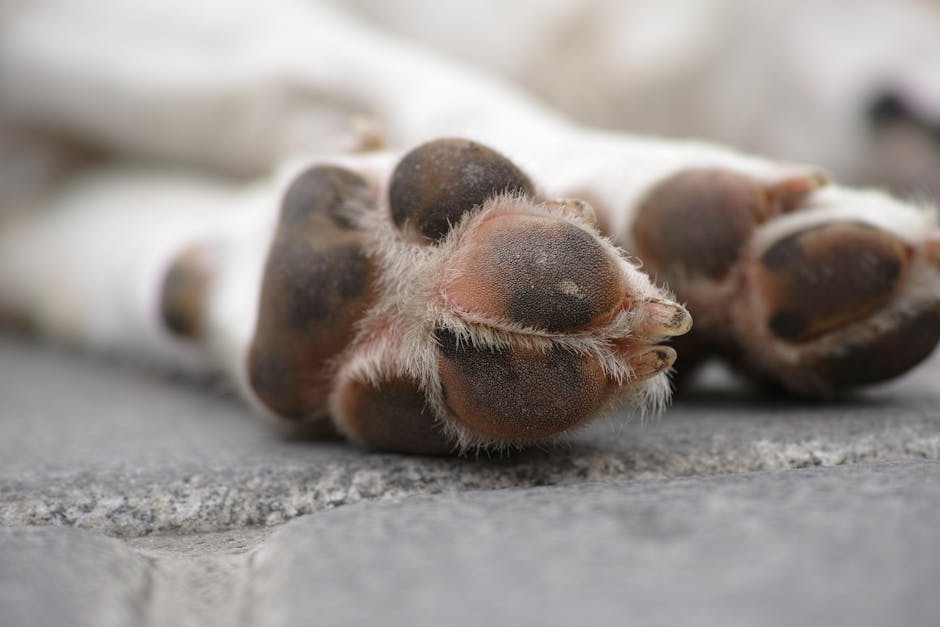
Have you ever watched your dog dash across a rocky path or trot on icy pavement without flinching? You might wonder what makes their paws so resilient.
The secret lies in their paw pads. Understanding what dog paw pads are made of can reveal how they protect your furry friend’s feet from harsh surfaces and temperatures. These little wonders are more complex than they appear, offering both strength and sensitivity.
By learning about your dog’s paw pads, you can ensure their comfort and health. Dive deeper into this fascinating topic and discover how you can best care for your pet’s paws.
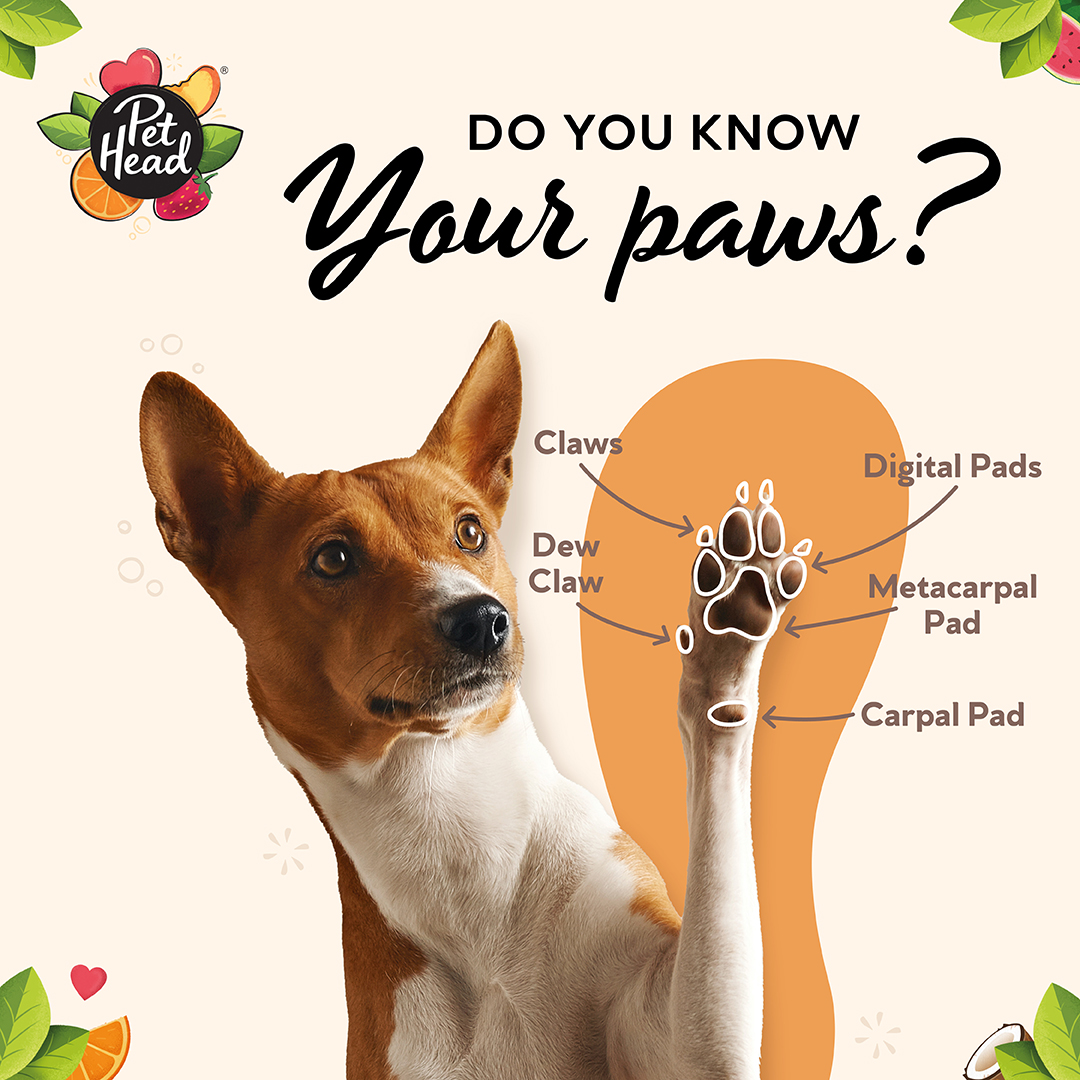
Credit: www.facebook.com
Composition Of Paw Pads
Dog paw pads are made of tough skin, fatty tissue, and connective tissue. These components provide protection and cushioning. Paw pads help dogs walk on rough surfaces comfortably.
Understanding the composition of dog paw pads can help you better care for your furry friend. These complex structures do more than just cushion your dog’s steps. They provide protection, temperature regulation, and even aid in traction. But what makes up these remarkable pads? Let’s break it down.Layers Of Skin
Dog paw pads are made up of several layers of skin, much like human skin but significantly thicker. The outer layer, known as the epidermis, is tough and resilient, providing a protective barrier against the environment. Beneath this, the dermis houses blood vessels and nerves, ensuring that your dog can feel sensations through their paws.Fatty Tissue
Beneath the skin layers lies a layer of fatty tissue. This fat acts as a shock absorber, cushioning your dog’s bones and joints as they walk or run. It’s particularly essential for high-impact activities, such as jumping or sprinting. This fatty layer also helps insulate against cold surfaces, keeping your dog’s paws warm during chilly walks.Collagen And Elastic Fibers
Within the dermis, collagen and elastic fibers provide both strength and flexibility. Collagen gives the paw pads their durability, allowing them to withstand rough surfaces and wear over time. Elastic fibers ensure that the pads remain flexible, adapting to different terrains and maintaining grip. Have you ever noticed how your dog seems to maneuver effortlessly over rocky paths? That’s partly thanks to these fibers working their magic. Understanding these components can change how you perceive your dog’s walks. Next time you see them dash across the park, you’ll know just how their paw pads are supporting them every step of the way.
Credit: www.scenthound.com
Functions Of Paw Pads
Dog paw pads are made of tough, layered skin and fatty tissue. They provide cushioning and protection. Paw pads help dogs walk on rough surfaces and absorb shock.
Dog paw pads are remarkable structures. They serve several important functions. These pads are crucial for a dog’s daily activities. Let’s explore these functions.Protection And Cushioning
Paw pads protect dogs from rough surfaces. They cushion the impact of running and jumping. This reduces stress on bones and joints. Pads prevent injuries from sharp objects. They act as a barrier against harmful elements. Their thick skin is tough and durable.Thermoregulation
Paw pads help regulate body temperature. Dogs release heat through their pads. This process cools them down. It’s vital for hot weather. Pads also protect against extreme cold. They insulate paws from icy surfaces. This keeps dogs comfortable in winter.Traction And Grip
Paw pads provide excellent traction. They help dogs move steadily. On slippery surfaces, grip is essential. Pads prevent slipping and falling. They enable sharp turns and quick stops. This gives dogs agility and control. It’s crucial for active dogs.Adaptations In Different Breeds
Dog paw pads are fascinating structures, uniquely adapted to each breed’s lifestyle and environment. These adaptations are more than just physical traits—they’re survival tools. As you observe your furry friend, have you noticed how their paw pads differ from other breeds? Let’s dive into the intriguing world of dog paw pads and how they vary across breeds.
Size Variations
Size matters when it comes to dog paw pads. Smaller breeds like Chihuahuas often have tiny, delicate pads. In contrast, larger breeds such as Great Danes boast hefty, robust pads that support their weight. This size difference isn’t just for show—it’s crucial for balance and mobility. Next time you’re at the park, take a moment to compare the paw pads of different dogs. You’ll see how size plays a role in their stride and stance.
Texture Differences
Texture is another fascinating aspect of dog paw pads. Some breeds have smooth, almost velvety pads, while others have rough, gritty surfaces. These textures are adaptations to their environment. A Labrador, known for its love of water, might have slightly smoother pads that help in swimming. Meanwhile, a Husky’s rougher texture aids in gripping icy surfaces. Have you ever touched your dog’s paw and wondered about its texture? It’s a direct link to their breed’s history and purpose.
Environmental Adaptations
Environmental adaptations are crucial for a dog’s comfort and survival. Dogs bred for colder climates, like Malamutes, have thick, insulated pads that protect against frostbite. Conversely, breeds from warmer regions, such as the Basenji, have pads designed to withstand hot surfaces. Understanding your dog’s environmental adaptations can help you take better care of their paws. Are you considering moving to a colder or hotter area? Your dog’s paw pads might need extra care to adjust.
Common Paw Pad Issues
Dog paw pads are primarily made of fatty tissue and keratin, providing protection and traction. Common issues include cuts, burns, and infections, affecting their ability to walk comfortably. Regular checks and proper care help maintain their health and functionality.
Understanding the common paw pad issues your dog may face is crucial in ensuring their paws remain healthy and pain-free. Paw pads are resilient yet sensitive, and they can encounter various problems that might affect your furry friend’s comfort and mobility. As a dog owner, being aware of these issues can help you take preventative measures and seek timely interventions. Let’s explore some of the prevalent paw pad problems and how you can address them effectively.Cracks And Dryness
Cracks and dryness are often caused by exposure to harsh weather conditions, such as hot pavements in summer or icy surfaces in winter. Just like human skin can get chapped and dry, your dog’s paw pads can suffer too. Regular moisturizing can help keep their pads supple. You might be surprised how a simple routine of applying paw balm can make a difference. Have you checked your dog’s paws lately?Injuries And Infections
Injuries can occur from sharp objects like glass or rocks, while infections may develop from bacteria entering through wounds. These can lead to limping or excessive licking. Imagine stepping on a sharp stone barefoot; it’s similar for your dog. Inspect your dog’s paws after walks to spot any potential injuries early. If you notice redness or swelling, consider consulting a vet.Allergic Reactions
Allergies can cause irritation and discomfort on paw pads, often resulting from contact with allergens like grass or chemicals in cleaning products. Have you ever noticed your dog scratching or licking excessively? This might be a sign of an allergic reaction. Switching to hypoallergenic pet products and monitoring their environment can help alleviate these symptoms. Always be on the lookout for changes in your dog’s behavior that might indicate allergies. By being proactive and attentive, you can ensure your dog’s paw pads stay healthy and robust. Remember, your dog’s comfort and happiness often start from the ground up—literally!Care And Maintenance
Dog paw pads consist of fat, connective tissue, and thick skin. They protect the feet from rough surfaces. These pads also help with shock absorption and temperature regulation.
Caring for your dog’s paw pads is essential to ensure their comfort and health. These pads are made of thick, pigmented skin and fatty tissue that acts as a cushion. They protect your dog’s feet from harsh surfaces and extreme temperatures. Proper care and maintenance can prevent injuries and keep your furry friend happy.Regular Inspection
Make it a habit to check your dog’s paw pads weekly. This simple step can help you identify cuts, cracks, or foreign objects early. During walks, your dog might step on sharp objects or debris. Inspecting their paws can prevent infections and discomfort. Look for redness, swelling, or unusual textures. These could be signs of an underlying issue. If you notice anything concerning, consult your vet.Moisturizing Solutions
Just like human skin, your dog’s paw pads can dry out. Dry pads are prone to cracking, which can be painful for your pet. Consider using paw balm or coconut oil to keep their pads moisturized. These solutions are easy to apply and highly effective. Apply a small amount after walks or playtime. Your dog’s paws will remain soft and healthy.Preventive Measures
Preventing paw pad injuries starts with choosing the right surfaces for walks. Hot pavement or icy sidewalks can harm your dog’s pads. Invest in dog booties for extreme weather conditions. They offer protection and comfort. Trim your dog’s nails regularly. Long nails can cause uneven weight distribution and stress on the pads. What steps do you take to protect your dog’s paws? Share your tips in the comments below!Evolutionary Insights
The evolution of dog paw pads offers fascinating insights into their survival. These pads are more than just a protective layer. They are a result of millions of years of adaptation. Let’s delve into how they evolved and their vital role in survival.
Historical Adaptations
Dog paw pads have undergone significant changes over time. Early canines needed protection while hunting and roaming. The pads developed to withstand rough terrains. This adaptation helped them navigate diverse environments. Over time, the pads became thicker and tougher. This allowed dogs to travel greater distances without injury.
Role In Survival
Paw pads are crucial for a dog’s survival in the wild. They provide grip on slippery surfaces. This prevents falls and injuries. The pads also act as shock absorbers. This helps dogs run and jump efficiently. They keep the feet insulated from extreme temperatures, too. This is essential for survival in harsh climates.

Credit: www.reddit.com
Frequently Asked Questions
What Are Dog Paw Pads Made Of?
Dog paw pads are made of thick, fatty tissue and tough skin. They provide cushioning, traction, and protection. The pads contain a high concentration of keratin, which makes them durable. This helps dogs walk on various surfaces without injury. The pads also have sweat glands, aiding in temperature regulation.
Why Are Dog Paw Pads Tough?
Dog paw pads are tough due to keratin and fatty tissue. This composition helps in absorbing shock and providing grip. It allows dogs to walk on rough or hot surfaces. The toughness protects against injuries and environmental conditions. This resilience is crucial for their mobility and safety.
How Do Dog Paw Pads Protect Feet?
Dog paw pads protect feet by acting as a cushion. They absorb shock and reduce impact on joints. The pads’ tough skin shields against sharp objects. They also provide traction on slippery surfaces. This ensures dogs maintain balance and prevents injuries during various activities.
Do Dog Paw Pads Have Nerves?
Yes, dog paw pads have nerves, making them sensitive. This sensitivity helps dogs detect surface changes. It aids in navigating different terrains safely. The nerves also help in feeling temperature variations. This sensory input is crucial for balance and protection.
Conclusion
Dog paw pads are remarkable. They endure tough terrains and protect paws. Made of tough skin, they cushion impact and provide grip. These pads help dogs walk, run, and play safely. Proper care ensures their longevity and health. Regular checks prevent issues like cracks or injuries.
Moisturize them to keep them soft and flexible. Remember, healthy pads mean happy paws. Understanding their makeup helps care for them better. Always ensure your furry friend’s paws stay in top shape. This care enhances their comfort and mobility. Your dog’s paws deserve attention and love.


