
Are you on the hunt for a loyal, intelligent, and compassionate companion to assist you or a loved one? Choosing the right service dog breed can be a life-changing decision.
You might wonder which breeds stand out for their exceptional abilities and unwavering dedication. You’ll discover the top breeds that make the best service dogs, each with unique traits designed to improve your daily life. Imagine a furry friend who anticipates your needs, supports you through challenges, and becomes a cherished part of your family.
Keep reading to uncover which canine companions are the ultimate helpers, ensuring you make the perfect choice for your situation.

Credit: www.sportmix.com
Top Qualities Of Service Dogs
Service dogs play a crucial role in assisting people with disabilities. Their success lies in a few core qualities. These traits ensure they perform their tasks effectively. Let’s explore the top qualities that make certain breeds excel as service dogs.
Temperament Traits
Service dogs need a calm and stable temperament. They should not react to sudden noises or stressful situations. Friendly and gentle behavior is key. These dogs must interact well with people. They should show patience and loyalty. Dogs with these traits build strong bonds with their handlers.
Trainability Factors
High trainability is essential for service dogs. They must learn tasks quickly and follow commands reliably. Breeds that are eager to please excel in training. Intelligence plays a role here. Smart dogs grasp complex tasks with ease. Consistent training ensures they perform their duties well.
Physical Attributes
Physical traits impact a service dog’s ability to assist. Medium to large-sized dogs often suit most tasks. They can provide physical support if needed. Strong and healthy dogs offer durability for long working hours. Their physical endurance ensures they can assist effectively.
Popular Service Dog Breeds
Service dogs play a crucial role in assisting individuals with disabilities. Some breeds stand out due to their unique qualities. These breeds are known for their intelligence, temperament, and trainability. Let’s explore these popular service dog breeds.
Labrador Retrievers
Labrador Retrievers are a top choice for service dog work. Their friendly nature makes them great companions. They are intelligent and easy to train. Labs are known for their reliability and patience. These traits are vital for assisting those in need.
Golden Retrievers
Golden Retrievers are another popular choice. They are gentle and loving. Their eagerness to please makes them excellent service dogs. Goldens excel in tasks requiring a calm demeanor. They form strong bonds with their handlers.
German Shepherds
German Shepherds are known for their loyalty and focus. They are often used in protective roles. Their intelligence helps them learn commands quickly. German Shepherds are versatile and adaptable. They perform well in various service roles.
Lesser-known Breeds
When we think of service dogs, breeds like Labradors and Golden Retrievers often come to mind. But what if we told you that some lesser-known breeds are equally impressive in their roles as service dogs? These breeds may not be as famous, but they possess unique qualities that make them exceptional companions for those in need. Let’s explore some of these hidden gems.
Poodles
Poodles are not just about fancy haircuts. They are incredibly intelligent and have a knack for understanding complex tasks. Their hypoallergenic coats make them ideal for individuals with allergies.
Imagine a dog that can detect when your blood sugar levels are low or provide emotional support during anxiety attacks. Poodles excel in these areas due to their keen sense of awareness and adaptability.
If you’re looking for a service dog that is both smart and stylish, a Poodle might be your perfect match. Their ability to learn quickly and their eagerness to please make them outstanding service dogs.
Border Collies
Border Collies are known for their herding skills, but they also make phenomenal service dogs. Their high energy and intelligence allow them to perform a variety of tasks with precision.
They thrive on mental stimulation and are always eager to learn. This makes them particularly good at tasks that require problem-solving and quick thinking.
Have you ever wondered if a dog could help you with daily routines or even assist in physical therapy? Border Collies might surprise you with their ability to support individuals in these ways.
Boxers
Boxers are often seen as playful and energetic, but their loyalty and protective nature make them excellent service dogs. They are particularly good at providing comfort and support to individuals with PTSD.
Their strong build and gentle demeanor allow them to assist with mobility tasks and provide physical support when needed. Imagine having a furry friend who can help you navigate crowded spaces with confidence.
Boxers have a unique way of connecting with their human partners, offering both emotional and physical support. Could a Boxer be the service dog you’ve been searching for?
Evaluating Suitability
Evaluating dog breeds for service roles involves assessing temperament, intelligence, and trainability. Labrador Retrievers and Golden Retrievers are often top choices due to their friendly nature and adaptability. Calm and steady breeds excel in providing assistance and companionship.
When choosing a service dog, evaluating suitability is vital. Not all breeds fit every need. Each breed has unique traits that affect their capability as service dogs. Understanding these traits helps in making the right choice. Evaluating factors like size, energy levels, and health can guide you.Size Considerations
Size impacts a service dog’s ability to perform tasks. Larger dogs often assist with mobility tasks. They can support weight and provide stability. Smaller dogs might be better for alert tasks. They can easily navigate through tight spaces. Size also affects living arrangements. Larger breeds may need more space to thrive.Energy Levels
Energy levels must match the owner’s lifestyle. High-energy breeds need lots of exercise. They suit active individuals. Low-energy breeds are better for quieter lives. They require less stimulation. Energy levels also affect training. High-energy dogs might need more consistent training. Low-energy breeds may be easier to manage.Health And Longevity
Health and longevity are key for service dogs. A healthy breed ensures consistent service. Some breeds face fewer health issues. This means fewer vet visits and lower costs. Longevity is important for long-term service. Breeds with longer lifespans offer more years of assistance. Always consider the breed’s common health issues. This helps in planning for future care.Training And Socialization
Golden Retrievers and Labrador Retrievers excel as service dogs due to their intelligence and friendly nature. Proper training and socialization ensure they adapt well to diverse environments and tasks. Their calm temperament makes them reliable companions for those in need.
Training and socialization are crucial for a service dog’s success. A well-trained service dog can offer invaluable support. They must learn specific skills and adapt to various environments. This process ensures they perform their duties effectively and remain calm in public.Basic Obedience
Basic obedience is the foundation of a service dog’s training. It includes commands like sit, stay, and come. These commands help establish control and communication. Dogs learn to follow instructions promptly and accurately. Consistent practice is essential for reinforcing these behaviors. Positive reinforcement encourages dogs to repeat good actions. Treats and praise work wonders in this phase.Specialized Skills
Specialized skills set service dogs apart. They learn tasks specific to their handler’s needs. This could include retrieving items or alerting to sounds. Each skill is tailored to assist with daily challenges. Training focuses on precision and reliability. Dogs repeat tasks until they achieve near perfection. Consistent repetition helps retain these specialized skills. Patience and persistence are key during this stage.Public Interaction
Public interaction training is vital for service dogs. They must remain calm in crowded places. Distractions should not deter them from their tasks. Socialization helps dogs adapt to various environments. Exposure to different people and situations is necessary. They learn to navigate public spaces without stress. Practice in real-world settings enhances their confidence. A well-socialized dog performs its duties seamlessly.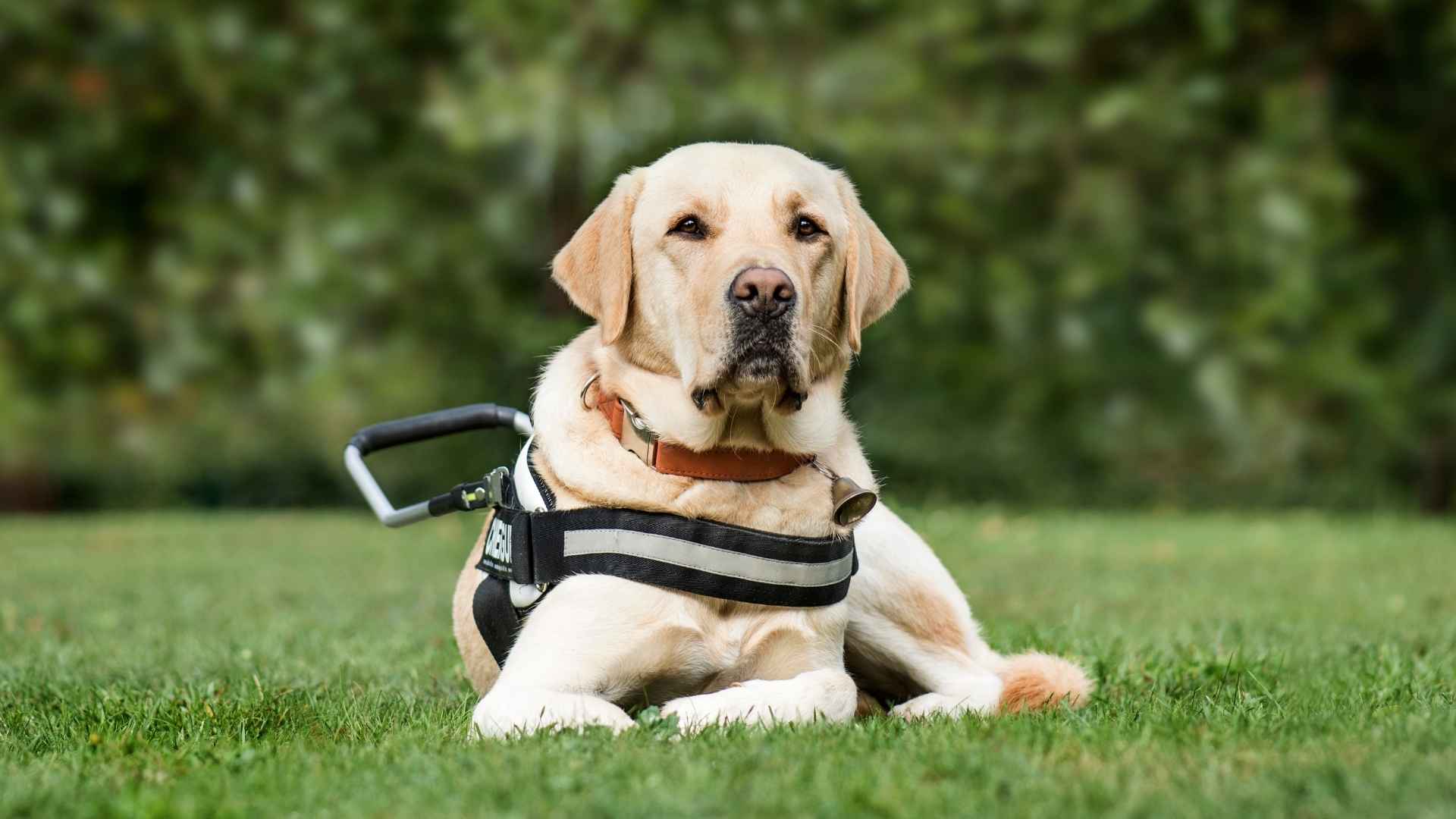
Credit: worldanimalfoundation.org
Matching Breeds To Tasks
Golden Retrievers excel as service dogs due to their friendly nature and intelligence. Labrador Retrievers are also favored for their adaptability and strong work ethic. Poodles, with their problem-solving skills, make excellent service companions too.
Matching a dog breed to the specific tasks of a service dog is like pairing the perfect wine with a meal; it can enhance the experience and effectiveness dramatically. Each breed brings unique strengths, personalities, and abilities that can be tailored to support different human needs. Whether you’re seeking a guide, a mobility helper, or a therapeutic companion, choosing the right breed can make all the difference.Guide Dogs For The Blind
When it comes to guiding individuals with visual impairments, breeds like the Labrador Retriever, Golden Retriever, and German Shepherd often top the list. These dogs are known for their intelligence, calm temperament, and strong work ethic. A friend of mine shared how her Labrador not only assists her in navigating busy city streets but also provides a comforting presence during stressful situations.Mobility Assistance Dogs
For those requiring support with physical mobility, breeds such as the Bernese Mountain Dog, Boxer, and Standard Poodle are often ideal. These dogs are strong and capable of providing physical support, like pulling wheelchairs or helping their handlers stand up. I once met a young man whose Boxer was expertly trained to pick up dropped items, significantly enhancing his independence.Therapeutic Support Dogs
Therapeutic support dogs are perfect for providing emotional comfort and stability. Breeds like the Cavalier King Charles Spaniel, Pomeranian, and Cocker Spaniel excel in this role due to their affectionate nature and keen sense of empathy. Have you ever felt the calming presence of a small dog curling up next to you during a tough day? That’s the magic of therapeutic support at work. Choosing the right breed for a service task requires understanding both the human’s needs and the dog’s natural abilities. What qualities are you looking for in a service dog? Identifying these can guide you to the perfect furry companion.Challenges And Solutions
Choosing the right breed for service dogs poses challenges. Breeds like Labradors and Golden Retrievers excel in service roles. Training and temperament are crucial for effective assistance.
Navigating the world of service dogs involves understanding both challenges and solutions. Selecting the right breed is a journey. It requires attention to behavioral traits, health, and training requirements. Each breed has its own set of challenges. With the right approach, these can be managed effectively. Let’s explore these aspects further.Behavioral Issues
Service dogs need calm and focused behavior. Some breeds may show excessive energy or anxiety. Labradors and Golden Retrievers are often ideal due to their friendly nature. Yet, every dog is unique. Early socialization and consistent training help manage behavioral quirks. Professional trainers can offer guidance, ensuring the dog is well-adjusted. Positive reinforcement works wonders in shaping behavior.Health Concerns
Health is a critical factor in choosing a service dog. Certain breeds are prone to specific health issues. German Shepherds, for example, may face hip dysplasia. Regular vet check-ups and a balanced diet are essential. Breeders who prioritize health screenings provide healthier puppies. Understanding a breed’s common health issues aids in proactive care. This ensures the service dog remains active and healthy.Training Difficulties
Training a service dog requires patience and skill. Some breeds learn faster than others. Poodles are intelligent but may be stubborn. Consistent training sessions with clear commands are vital. Professional trainers offer structured programs for effective learning. Using simple commands and rewarding good behavior enhances training success. The commitment to training builds a strong bond between dog and handler.
Credit: www.actijoy.com
Frequently Asked Questions
What Are The Top Breeds For Service Dogs?
Labrador Retrievers, Golden Retrievers, and German Shepherds are top service dog breeds. They are intelligent, obedient, and trainable. Their friendly nature makes them ideal companions. These breeds excel in various service roles, including guide dogs and therapy support.
Why Are Labradors Popular Service Dogs?
Labradors are popular due to their intelligence and trainability. They have a calm temperament and are eager to please. Their adaptability and friendly nature make them perfect for various service roles, including guiding and assisting.
Are Golden Retrievers Good Service Dogs?
Yes, Golden Retrievers are excellent service dogs. They are intelligent, gentle, and patient. Their friendly demeanor and strong work ethic make them ideal for assisting individuals with disabilities. They excel in roles like therapy and guide dogs.
How Do German Shepherds Serve As Service Dogs?
German Shepherds are versatile service dogs known for their intelligence and loyalty. They are highly trainable and excel in various roles, including guiding and protection. Their strong work ethic and ability to learn complex tasks make them exceptional service companions.
Conclusion
Choosing the right service dog breed is vital. Each breed offers unique traits. Labrador Retrievers are friendly and trainable. Golden Retrievers are loyal and gentle. German Shepherds are intelligent and protective. These breeds excel in different roles. Consider your needs and lifestyle.
Training and temperament matter most. A well-matched dog can change lives. Consult experts for guidance. The right service dog brings support and companionship. Make an informed choice. The bond you build is invaluable. Remember, a service dog is more than a helper.
It’s a partner and a friend.


