
When you’re petting your furry friend, the last thing you want to discover is a tick hiding in their coat. These tiny parasites can latch onto your dog’s skin, causing discomfort and potential health issues.
But what do ticks actually look like on your dog’s skin? Knowing how to identify them can help you take swift action to protect your pet. Imagine the peace of mind you’ll feel once you can confidently spot these pests and ensure your dog’s safety.
We’ll guide you through identifying ticks, empowering you with the knowledge to keep your dog happy and healthy. Stay with us to learn how you can be the hero your pet needs!
Identifying Ticks On Dogs
Ticks on dogs can cause discomfort and health issues. Identifying them early is crucial. Ticks are tiny parasites that feed on your dog’s blood. They can be hard to spot, but knowing what to look for helps. Here’s how to identify ticks on your dog’s skin.
Common Tick Species
Ticks come in various species. Some common ones are the American dog tick, the deer tick, and the brown dog tick. Each species has unique features. Knowing these can help you identify them on your dog.
Tick Color And Texture
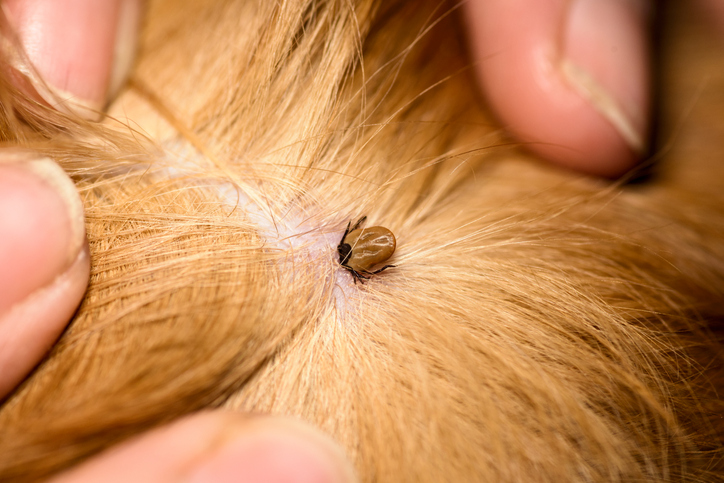
Ticks vary in color and texture. They can be gray, brown, or black. Their bodies are smooth and oval-shaped. When engorged with blood, they swell and change color. This makes them easier to spot. Regularly check your dog’s skin, especially after walks in wooded areas.
Credit: plymouth.thevillagevets.com
Tick Attachment Sites
Ticks on dogs often resemble tiny, dark bumps or small, swollen growths. These parasites latch onto warm areas like the ears, neck, and underbelly. Keeping an eye out for these spots can help in early detection and removal.
Tick attachment sites on dogs are areas where ticks are most likely to latch onto your furry friend. These pesky parasites are experts at finding hidden spots on your dog’s skin to attach and feed on blood. Knowing where to look can make a huge difference in keeping your dog tick-free.Preferred Areas On Dogs
Ticks have favorite hangout spots on dogs. These include areas where the skin is thinner and warm, such as around the ears, inside the groin, and between the toes. You might also find them nestled under collars or harnesses. Every time you return from a walk in wooded or grassy areas, a quick inspection of these zones can save your dog from discomfort and health issues. A tick’s ability to go unnoticed is impressive but not unbeatable if you know where they like to hide.Signs Of Tick Presence
Spotting a tick on your dog can be tricky because they often look like small dark bumps. However, there are tell-tale signs that can alert you to their presence. If your dog seems unusually itchy or is persistently scratching at a particular spot, it might be worth a closer look. Feeling your dog’s skin for lumps or bumps is another effective method. Ticks can range in size from a pinhead to a small grape depending on how long they’ve been feeding. Have you ever felt a suspicious bump while petting your dog? Taking action immediately by removing the tick safely can prevent potential health risks. Regular checks and maintaining awareness are key in keeping your dog healthy and happy.Visual Characteristics Of Ticks
Ticks on a dog’s skin appear as small, dark bumps. They can range in size from a pinhead to a grape. Often found in hidden areas like ears or between toes, ticks can be brown, black, or even red.
Ticks are more than just a nuisance; they pose serious health risks to your furry friends. Understanding their visual characteristics is crucial for early detection and prevention. These tiny creatures can latch onto your dog’s skin, often going unnoticed until they are fully engorged. Knowing what to look for can make all the difference in protecting your pet.Size And Shape Variations
Ticks come in different sizes and shapes, making them tricky to spot. Generally, they are about the size of a sesame seed, but their appearance can vary significantly between species. Some are oval, while others might appear more rounded. Their color ranges from reddish-brown to grayish-white, depending on their life stage and whether they have fed. Have you ever noticed a small, unusual bump on your dog’s skin? It could be a tick. Early detection might save your dog from potential diseases.Engorged Vs. Non-engorged Ticks
The size of a tick changes dramatically once it has fed. An engorged tick can swell up to ten times its original size, becoming more visible and easier to spot. Before feeding, ticks are flat and hard to detect, often blending in with your dog’s fur. It’s essential to regularly check your dog, especially after outdoor adventures. Feel for small bumps and unusual textures on their skin. How often do you examine your dog’s coat for ticks? If you’re not doing it regularly, you might miss these sneaky parasites before they become engorged and noticeable. Using these insights, you can better protect your dog from ticks. Regular checks and understanding their visual characteristics can help you act promptly, ensuring your pet’s health and safety.Tick Lifecycle Stages
Ticks on dogs appear as small, dark bumps on the skin. They vary in size and color, often resembling tiny spiders. These pests can embed themselves deeply, making them hard to spot.
Understanding the stages of a tick’s lifecycle is crucial for recognizing these pesky parasites on your dog’s skin. Ticks undergo four distinct stages: egg, larva, nymph, and adult. Each stage has unique characteristics, making it easier for you to spot them on your furry friend. Recognizing these stages can help you take timely action to protect your dog.Larvae Appearance
In the larval stage, ticks are tiny, about the size of a grain of sand. They typically have six legs and are often pale in color, making them difficult to spot. You might notice them clustered in warm, hidden areas on your dog, like between the toes or in the armpits. Despite their small size, they can still latch onto your pet, so a thorough inspection is necessary.Nymph And Adult Differences
As ticks mature into nymphs, they become slightly larger and gain two additional legs, totaling eight. Nymphs are about the size of a poppy seed and can be more challenging to identify due to their small size and translucent appearance. Adult ticks are easier to spot, often the size of an apple seed when unfed and much larger when engorged with blood. Their dark, leathery bodies make them stand out more against your dog’s skin. Have you ever noticed a small, dark bump on your dog’s ear? That could be an adult tick feeding. Keeping a close eye on these differences can significantly enhance your ability to protect your pet. Regularly inspect your dog, especially after outdoor adventures. Have you found ticks on your dog before? Share your experience in the comments and help fellow pet owners stay informed!Effects On Dog’s Skin
Ticks on your dog’s skin can lead to several unpleasant effects, significantly affecting their well-being. These tiny parasites can cause noticeable changes to your dog’s skin, leading to discomfort and potential health issues. Understanding the signs can help you address these problems promptly.
Skin Irritation Signs
One of the first signs you might notice is skin irritation. Your dog may excessively scratch, bite, or lick the affected area. This can lead to redness and swelling, making your furry friend increasingly uncomfortable. Have you ever noticed a small bump or a rash on your dog after a walk in the woods?
Ticks can be the culprit behind these symptoms. Their bites often result in localized irritation. If you spot any unusual behavior or skin changes, a thorough tick check might be in order.
Potential Infections
Ticks don’t just cause irritation; they can also transmit diseases. If left unchecked, a tick bite can lead to infections such as Lyme disease or Rocky Mountain spotted fever. The risk of infection increases the longer a tick remains attached.
Have you considered how a small tick can lead to a big problem? Ensuring your dog is regularly checked for ticks can prevent these potential health issues. Stay vigilant and consult your vet if you suspect an infection.
By being proactive and attentive, you can protect your dog from the harmful effects ticks can have on their skin. Regular checks and quick action can make all the difference in your dog’s health and happiness.
Removing Ticks Safely
Ticks on dogs appear as small, dark bumps on the skin, often resembling tiny seeds. These parasites can embed themselves in areas like under the ears, between toes, or near the tail. Identifying them quickly is crucial to prevent health issues.
Removing ticks from your dog’s skin is essential. Safe removal prevents infections and discomfort. Ticks can cause serious health issues for dogs. Removing them promptly is crucial.Tools And Techniques
First, gather the right tools. Use fine-tipped tweezers or a tick removal tool. These tools help grip the tick firmly. Ensure a steady hand to avoid breaking the tick. Grasp the tick close to your dog’s skin. Pull upward with steady, even pressure. Avoid twisting or jerking the tick. This can leave parts of the tick embedded in the skin. Dispose of the tick properly. Place it in alcohol or a sealed bag. Wash your hands thoroughly after removal.Post-removal Care
Check the bite area for any tick parts left behind. Clean the area with antiseptic to prevent infection. Monitor your dog for signs of illness. Look for symptoms like fever or weakness. These could indicate a tick-borne disease. Consult a vet if symptoms appear. Keep your dog safe with regular tick checks. Use tick prevention products as recommended by your vet.Preventing Tick Infestation
Ticks on dogs appear as tiny, dark, and round bugs on the skin. Often found near ears or belly. They can vary in size, becoming larger as they feed.
Preventing a tick infestation on your dog is crucial for maintaining their health and comfort. Ticks can cause numerous issues, from skin irritation to transmitting dangerous diseases. By adopting a few proactive measures, you can help keep your furry friend tick-free. Let’s explore effective strategies to prevent ticks from making your dog’s skin their home.Protective Measures
Invest in tick prevention products like topical treatments, collars, or oral medications. These products act as a barrier, repelling ticks before they latch onto your dog. Consider creating a tick-free zone in your yard by keeping grass short and removing debris. Ticks thrive in tall grass and piles of leaves, so maintaining a tidy outdoor space helps reduce their presence. Bathing your dog with tick-repellent shampoos can also be beneficial. These shampoos contain ingredients that discourage ticks from settling on your dog’s skin.Regular Skin Checks
Conduct regular checks by running your fingers through your dog’s fur, feeling for any bumps or irregularities. Pay extra attention to areas like the ears, neck, and underbelly where ticks often hide. Make skin checks a part of your weekly routine. This habit not only helps spot ticks early but also strengthens your bond with your pet. Consider using a tick removal tool for easy extraction if you find a tick. These tools are specifically designed to safely remove ticks without leaving parts behind. Do you remember the last time you checked your dog for ticks? Regular checks can be life-saving and prevent potential diseases.
Credit: www.scotsman.com

Credit: www.facebook.com
Frequently Asked Questions
What Do Ticks Look Like On Dogs?
Ticks on dogs are small, flat, and oval-shaped parasites. They can be brown, black, or reddish in color. As they feed on blood, they swell and become more visible. They often resemble small, dark bumps on your dog’s skin. Checking regularly helps identify them early.
How Can I Identify A Tick On My Dog?
To identify ticks, feel for small, hard bumps on your dog’s skin. They are usually found around the ears, neck, and underbelly. Ticks are small and round, often dark or reddish. Use a fine-toothed comb to check through your dog’s fur for any hidden ticks.
Are Ticks Dangerous To Dogs?
Yes, ticks can be dangerous to dogs. They can transmit diseases such as Lyme disease and ehrlichiosis. Ticks can cause irritation, infection, and allergic reactions. Prompt removal and prevention are crucial to protect your dog from tick-borne diseases.
How Do Ticks Attach To Dogs?
Ticks attach to dogs by biting and embedding their mouthparts into the skin. They release a glue-like substance to secure themselves. This allows them to feed on the dog’s blood for days. Regular checks help detect and remove ticks early before they attach firmly.
Conclusion
Ticks on dogs can be tricky to spot. They are small, often hiding well in fur. Regular checks help find them early. Look for tiny, dark bumps on the skin. Use your fingers to feel through their coat. Quick removal is crucial to prevent diseases.
A tick remover tool can make it easier. Always consult your vet for advice if needed. Keep your furry friend safe and healthy. Awareness is key. Stay vigilant, and your dog will thank you.


