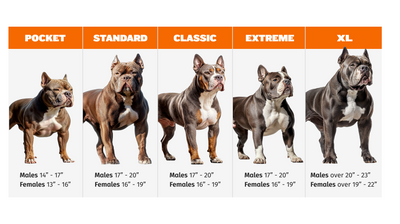
Are you curious about what dog breeds make up a Pitbull? You’re not alone.
Many people are fascinated by these strong, loyal dogs, but few know the specific breeds that contribute to their unique characteristics. Understanding the breeds behind a Pitbull can help you appreciate their personalities and behaviors even more. Imagine knowing exactly why your dog acts the way it does or why it looks a certain way.
This knowledge can deepen your bond and make you a more informed pet owner. Keep reading to discover the fascinating mix of breeds that create the Pitbull you know and love. You’ll uncover surprising facts and gain insights that could change how you see these incredible dogs forever.
Origins Of The Pitbull
The origins of the Pitbull breed are fascinating and complex. This breed has a rich history that dates back to the 19th century. Understanding its roots helps in appreciating its unique characteristics.
History Of The Pitbull
Pitbulls were originally bred in England and Ireland. They were created for bull-baiting, a popular sport at the time. Breeders aimed to produce dogs with strength and courage. These dogs were later brought to America, where they gained popularity.
Breeds Involved In Pitbull Creation
Several breeds contributed to the Pitbull’s development. The Bulldog and Terrier are the primary ancestors. Bulldogs contributed strength and tenacity. Terriers provided agility and spirit. Together, they formed a formidable breed.
Migration To America
Immigrants brought these dogs to America in the 1800s. The breed adapted to new roles in the United States. They became farm dogs and family companions. Their versatility helped them thrive in various environments.
Pitbull’s Evolving Role
Over time, the Pitbull’s role expanded. They moved from sports to work on farms. They protected livestock and helped hunters. Their loyal nature made them beloved family pets.
Defining The Pitbull
Many people think of Pitbulls as a single breed. But, they are actually a group of breeds. These dogs share similar traits and appearances. Understanding what makes a Pitbull can help in knowing more about them.
Understanding Pitbull Characteristics
Pitbulls are known for their muscular build. They have strong jaws and wide heads. They often have short hair with a shiny coat. Their bodies are compact yet powerful. These traits make them distinct among other breeds.
Breeds That Make Up The Pitbull
Several breeds fall under the Pitbull umbrella. The American Pit Bull Terrier is the most recognized. The American Staffordshire Terrier is another. The Staffordshire Bull Terrier is also considered a Pitbull. Each has unique traits but shares common features.
History And Origin Of Pitbulls
Pitbulls have a rich history. They were originally bred in England. Their purpose was to be fighting dogs. Over time, they became family companions. This change shows their versatility and adaptability.
American Pit Bull Terrier
American Pit Bull Terrier is a mix of several breeds. This includes the American Bulldog, Staffordshire Bull Terrier, and American Staffordshire Terrier. These breeds contribute to the Pit Bull’s strength and agility.
The American Pit Bull Terrier is a breed that evokes strong opinions and emotions. Known for its muscular build and energetic personality, this breed is often misunderstood. If you’re curious about the origins and characteristics of this breed, you’re not alone. Many dog lovers are drawn to its loyalty and zest for life, but what is it that truly defines an American Pit Bull Terrier?Characteristics Of The American Pit Bull Terrier
The American Pit Bull Terrier is known for its athletic build and confident demeanor. This breed has a short coat that comes in a variety of colors and patterns, making each dog unique. Despite their tough appearance, they are often incredibly affectionate and loyal to their families.History And Origin
The roots of the American Pit Bull Terrier can be traced back to England, where bulldogs and terriers were crossbred for bull-baiting. After these practices were banned, the breed evolved to become a beloved family companion. Its journey to America solidified its place as a versatile and hardworking breed.Temperament
These dogs are known for their intelligence and eagerness to please. They thrive on human interaction and require consistent training and socialization. With the right guidance, their natural energy can be directed towards positive activities, making them excellent companions. Unfortunately, the American Pit Bull Terrier is often misunderstood due to media portrayal. It’s important to remember that a dog’s behavior is shaped by its environment and training. Have you ever considered how a dog’s upbringing affects its personality? Responsible ownership can dispel myths and showcase the true nature of this loving breed.Training Tips
To ensure a happy and healthy relationship with your American Pit Bull Terrier, focus on positive reinforcement and regular exercise. These dogs excel in activities such as obedience training and agility courses. Engaging them in such activities not only keeps them fit but strengthens your bond with them.Living With An American Pit Bull Terrier
Sharing your life with an American Pit Bull Terrier means embracing their lively spirit. They love being part of a family and thrive when included in daily activities. Whether it’s a walk in the park or a cozy evening at home, these dogs relish time spent with their loved ones. It’s fascinating how a breed can be misunderstood yet loved by so many. Have you ever met an American Pit Bull Terrier? Their unique blend of strength and sweetness might surprise you.Staffordshire Bull Terrier
Staffordshire Bull Terriers are part of the breeds commonly grouped as Pitbulls. Known for their muscular build and friendly nature, they share a lineage with American Pit Bull Terriers and American Staffordshire Terriers. These dogs are often recognized for their loyalty and strength.
The Staffordshire Bull Terrier is a notable breed among Pitbulls. Known for its muscular build and friendly demeanor, this breed captures the hearts of dog lovers. Despite its tough appearance, the Staffordshire Bull Terrier is affectionate and loyal. Families often choose this breed for its gentle nature with children. Its history is rooted in the United Kingdom, where it was initially bred for bull-baiting. Over time, it has evolved into a loving companion.Staffordshire Bull Terrier Characteristics
The Staffordshire Bull Terrier has a compact and muscular body. It typically weighs between 24 to 38 pounds. Its coat is short, smooth, and comes in various colors like brindle, black, and blue. This breed is known for its intelligence and eagerness to please. Training them is often straightforward due to their keen nature.Staffordshire Bull Terrier Temperament
This breed is renowned for its friendly and playful personality. Staffordshire Bull Terriers are good with children, making them excellent family pets. They thrive on human interaction and love being part of family activities. Their loyalty is unmatched, often forming strong bonds with their owners.Staffordshire Bull Terrier Care
Caring for a Staffordshire Bull Terrier involves regular exercise and mental stimulation. Daily walks and playtime help maintain their physical and mental health. Grooming is minimal due to their short coats. Regular vet check-ups ensure they remain healthy and happy. Their diet should include high-quality dog food for optimal health.Staffordshire Bull Terrier Training
Training a Staffordshire Bull Terrier is generally easy. They respond well to positive reinforcement techniques. Consistency and patience are key to successful training. Early socialization helps them adapt to various environments and people. Their intelligence allows them to learn commands quickly.Staffordshire Bull Terrier Health Concerns
Common health issues include hip dysplasia and cataracts. Regular vet visits help in early detection and management. A balanced diet and regular exercise contribute to their overall well-being. Owners should be aware of any changes in behavior or health.Staffordshire Bull Terrier Popularity
This breed is popular due to its affectionate nature and adaptability. Many families choose them for their friendly demeanor. Their size makes them suitable for various living situations. They are often seen in homes across the globe, cherished for their loving nature.American Staffordshire Terrier
American Staffordshire Terrier contributes to the Pitbull mix. They are known for strength and loyalty. These dogs share ancestry with Bulldogs and Terriers, forming part of the Pitbull family.
The American Staffordshire Terrier is a key breed in the Pitbull family. Known for its muscular build and loyal nature, this breed has a rich history. Often mistaken for other Pitbull breeds, it stands out with its unique characteristics. Owners cherish them for their intelligence and affectionate demeanor. They make excellent companions and are eager to please. Despite their strong appearance, they are gentle with family members. Their protective instincts make them reliable watchdogs.Physical Appearance
The American Staffordshire Terrier has a robust physique. It features a broad head and well-defined muscles. Its short coat is smooth and glossy, requiring minimal grooming. Colors vary, including solid or mixed shades. Their eyes are round and expressive, often conveying emotion. The ears are typically cropped, but natural ears are equally appealing.Temperament And Personality
This breed is friendly and outgoing. It enjoys socializing with humans and other animals. Its playful nature makes it great for families with kids. Loyalty is one of its strongest traits. Training is essential, as they are eager learners. Positive reinforcement works best with them. They thrive in active households where they can exercise.Health And Care
Regular health check-ups are vital for this breed. They require balanced diets to maintain their energy levels. Exercise is important to keep them fit and happy. Daily walks and playtime are beneficial. Grooming is simple due to their short coat. Regular brushing helps keep their coat shiny. They are prone to certain genetic conditions, so vigilance is key.Training Tips
Start training early to instill good habits. Consistency is crucial for effective training. Use rewards to encourage positive behavior. Socialization helps them adapt to new situations. Leash training is important for outdoor activities. Obedience classes can enhance their learning experience. Keep sessions short and engaging to maintain interest.Living Environment
They adapt well to various living situations. A fenced yard is ideal for outdoor play. They enjoy indoor companionship with family. Apartments are suitable if they get enough exercise. Provide toys to keep them entertained. Safe spaces are important for rest and relaxation. Interaction with family members strengthens their bond.
Credit: pethelpful.com
Bull Terrier Influence
The Bull Terrier, with its distinct egg-shaped head, plays a crucial role in the Pitbull lineage. Known for their playful and loyal nature, Bull Terriers have influenced the development of various Pitbull breeds. Their unique characteristics contribute to the temperament and appearance of Pitbulls. Understanding this influence helps in appreciating the diverse traits within the Pitbull family.
Physical Characteristics Of Bull Terriers
Bull Terriers have a muscular build and short coat. Their oval eyes and strong jaw are notable features. These traits often appear in Pitbull breeds, adding to their distinct look.
Temperament Traits Passed To Pitbulls
Bull Terriers are known for their friendly and energetic nature. They exhibit strong loyalty and affection towards their owners. These qualities are often seen in Pitbulls, making them great companions.
Training And Socialization Impact
Bull Terriers require consistent training and socialization. Their influence in Pitbull breeds highlights the need for early socialization. Proper training helps manage their energy and ensures they are well-behaved.
Historical Role In Pitbull Development
Bull Terriers were originally bred for various tasks. Their strength and agility were valuable traits. These qualities have been passed down to Pitbull breeds, enhancing their versatility.
Many people misunderstand Bull Terriers due to their strong appearance. This misconception extends to Pitbulls. Educating about their true nature can help change perceptions.
Common Misconceptions
Many believe Pitbulls are a single breed, but they actually include the American Pit Bull Terrier, Staffordshire Bull Terrier, and American Staffordshire Terrier. These breeds share similar physical traits and temperament, often leading to confusion among dog enthusiasts.
Understanding what breeds make up a Pitbull can often lead to confusion and misconceptions. Many people mistakenly believe that “Pitbull” refers to a single breed, when it’s actually a term used to describe several breeds with similar traits. This misunderstanding contributes to the stigma and myths surrounding these dogs, often painting them in a negative light.Html Heading: Misidentification Of Breeds
One common misconception is the misidentification of different dog breeds as Pitbulls. Dogs such as the American Bulldog, Bull Terrier, and even some mixed-breed dogs are often mistakenly labeled as Pitbulls. This misidentification can lead to unfair breed-specific legislation and discrimination against these dogs.Html Heading: Aggression Myths
Another widespread myth is the belief that all Pitbulls are inherently aggressive. This stereotype overlooks the fact that aggression is not a breed trait but rather an individual behavior often influenced by environment and training. Just like any other dog breed, Pitbulls can be affectionate and loyal companions when raised in a loving and supportive environment.Html Heading: Lack Of Breed Understanding
There’s also a lack of understanding about the diversity within the breeds labeled as Pitbulls. The term typically includes the American Pit Bull Terrier, American Staffordshire Terrier, Staffordshire Bull Terrier, and sometimes even the American Bully. Each has its unique characteristics and temperament, yet they’re often lumped together under one umbrella term.Html Heading: Media Influence
Media portrayal significantly impacts public perception of Pitbulls. Often, sensational news stories focus on negative incidents involving these dogs, while positive stories rarely receive the same attention. This selective coverage perpetuates fear and misinformation, overshadowing the countless stories of Pitbulls living peacefully with families.Html Heading: Impact On Adoption
Misconceptions can also affect adoption rates for Pitbulls. Due to the stigma, many potential pet owners might shy away from adopting these breeds, despite their loving nature. By educating yourself and others, you can help break down these barriers and give Pitbulls the fair chance they deserve. Reflect on your own experiences or perceptions. Have you ever encountered a friendly Pitbull that defied these common myths? Sharing your story could help change someone else’s perspective and improve the lives of these misunderstood dogs.Physical Traits And Characteristics
Pitbulls are a blend of several breeds. American Staffordshire Terrier, American Pit Bull Terrier, and Staffordshire Bull Terrier contribute to their robust build. Known for muscular bodies and strong jaws, they possess a friendly demeanor when trained well.
Physical traits and characteristics of Pitbulls are as diverse as their lineage, offering a fascinating blend of strength, agility, and charm. These dogs often attract attention due to their robust build and unique appearance. Understanding their physical traits can help you appreciate the incredible versatility and adaptability of this breed.Body Structure
Pitbulls typically exhibit a muscular and compact body. Their athletic build makes them agile and powerful. You might notice their broad chest and strong neck, which are key indicators of their strength.Coat And Color
Pitbulls often have short, smooth coats that are easy to maintain. Their colors vary widely, including black, white, brown, and brindle. The diverse color palette adds to their unique appeal.Facial Features
Their distinct face is characterized by a broad, flat skull and wide-set eyes. The ears can be cropped or left natural, standing erect or flopping down. Their expressive eyes often convey a range of emotions.Height And Weight
Pitbulls are medium-sized dogs, generally weighing between 30 to 60 pounds. Their height ranges from 17 to 21 inches at the shoulder. This size makes them suitable for various living environments.Temperament Traits
Despite their intimidating appearance, Pitbulls are known for their loyalty and affection. They often form strong bonds with their families and are eager to please. Their temperament is as important as their physical traits when considering them as pets. Are you considering adopting a Pitbull? Understanding these traits can guide your decision and ensure you provide the best care for your new companion.Temperament And Behavior
Understanding the temperament and behavior of Pitbulls is essential for potential owners. These dogs are often misunderstood due to their strong build and history. Yet, many find them to be loyal and loving companions.
Friendly And Loyal Nature
Pitbulls are known for their friendly demeanor. They often form strong bonds with their families. Loyalty is a key trait, making them devoted pets. They enjoy being around people and thrive on attention.
Energy And Playfulness
These dogs are energetic and playful. They require regular exercise to stay happy. Activities like running and fetch are ideal. Their playful nature makes them great for active families.
Protective Instincts
Pitbulls have a natural protective instinct. This makes them excellent watchdogs. They are alert and aware of their surroundings. Their protective nature should be managed with proper training.
Socialization Needs
Early socialization is crucial for Pitbulls. Exposure to different environments helps them adapt. Meeting other dogs and people reduces anxiety. Socialization ensures a well-rounded pet.
Training And Discipline
Training is vital for Pitbulls to flourish. Consistent discipline helps manage their strong will. Positive reinforcement works best with them. Training strengthens the bond between dog and owner.

Credit: www.blackburnromey.com
Breed Identification Challenges
Determining which breeds form a Pitbull can be tricky. The term often refers to several breeds, including the American Pit Bull Terrier, Staffordshire Bull Terrier, and American Staffordshire Terrier. These breeds share physical traits, leading to frequent misidentification.
Identifying the specific breeds that make up a Pitbull can be a challenging task. This is because the term “Pitbull” doesn’t refer to a single breed, but rather a group of breeds with similar characteristics. These breeds often share physical traits such as a muscular build and a strong jawline, which can lead to confusion and misidentification. Understanding these nuances is essential for both potential dog owners and those interested in canine behavior.Understanding The Pitbull Group
The Pitbull group typically includes the American Pit Bull Terrier, American Staffordshire Terrier, Staffordshire Bull Terrier, and sometimes the American Bully. Each of these breeds has its own distinct history and set of characteristics. However, due to their similar appearance, they are often lumped together under the “Pitbull” label.Visual Similarities And Misidentification
Dogs within the Pitbull group often share visual similarities with other breeds like Boxers and Bulldogs. This can lead to frequent misidentification, especially in shelters or by the general public. The shared traits can complicate breed-specific legislation and influence public perception of these dogs.The Role Of Mixed Breeds
Many dogs that are labeled as Pitbulls are actually mixed breeds. These mixes can include traits from other breeds that aren’t traditionally part of the Pitbull group. This further muddies the waters of breed identification and can make it difficult to predict the dog’s behavior or size.Dna Testing: A Double-edged Sword
DNA testing has become a popular tool for identifying dog breeds, but it comes with its own set of challenges. While it can provide insights into a dog’s genetic makeup, it may not always give a clear answer about whether a dog is a Pitbull. These tests are not foolproof and can sometimes deliver unexpected results.Impact On Dog Ownership And Legislation
The confusion surrounding Pitbull identification has real-world implications. Breed-specific legislation often targets Pitbulls, leading to restrictions based on appearance rather than behavior. This can affect your ability to own or insure certain types of dogs, making accurate identification more important than ever. Are you considering adding a Pitbull to your family, or perhaps you already have a dog that might fall into this group? Understanding these challenges can help you make informed decisions and advocate effectively for your pet.Role Of Genetics In Breed Characteristics
The role of genetics in breed characteristics is a fascinating journey into the DNA of our canine companions. Genetics shape the behavior, physical traits, and health predispositions of dogs, making each breed unique. Understanding this can deepen your appreciation for the pitbull and its genetic makeup.
Understanding Genetic Traits
Genetic traits are the building blocks of a dog’s identity. They determine everything from coat color to temperament. For pitbulls, these traits are a blend of several breeds, each contributing distinct qualities.
- Physical Appearance:The muscular build and short coat are inherited from breeds like the American Staffordshire Terrier.
- Temperament:Traits such as loyalty and bravery are influenced by the Bulldog’s genetics.
Impact Of Ancestral Breeds
Each ancestral breed contributes specific characteristics to the pitbull. The American Pit Bull Terrier, for instance, is known for its agility and strength, which are evident in pitbulls today. You might notice this when your pitbull shows incredible endurance during playtime.
Ever wondered why pitbulls are so affectionate? The Staffordshire Bull Terrier, one of their ancestors, is renowned for its loving nature. This lineage explains the pitbull’s fondness for cuddles and family bonding.
Genetic Variation And Health
Genetic variation plays a crucial role in health aspects of pitbulls. While their robust lineage gives them strength, it’s essential to be aware of potential health issues passed down through generations, such as hip dysplasia.
Regular veterinary check-ups can help in managing these genetic predispositions effectively. Have you scheduled your pitbull’s next health assessment?
The Evolution Of Breed Standards
Breed standards evolve as genetic research advances. This affects breeding practices and the traits emphasized in pitbulls. As a dog owner, staying informed about these changes can help you understand your pitbull’s needs better.
Consider how these evolving standards might influence the future of pitbull genetics. Could selective breeding change the pitbull’s characteristics over time?
Credit: ycspca.org
Frequently Asked Questions
What Breeds Are Considered Pitbulls?
Pitbulls are not a single breed. They include the American Pit Bull Terrier, American Staffordshire Terrier, Staffordshire Bull Terrier, and American Bully. These breeds share similar physical traits and ancestry but differ in appearance and temperament. They are often grouped together due to misconceptions and media portrayal.
Are Pitbulls A Specific Breed Of Dog?
No, Pitbulls are not a specific breed. Instead, they are a category that includes several breeds, such as the American Pit Bull Terrier and Staffordshire Bull Terrier. These dogs share similar characteristics but are distinct breeds with unique traits and histories.
What Is The Origin Of The Pitbull Breeds?
Pitbull breeds originated in the 19th century. They were developed by crossing Bulldogs and Terriers in the United Kingdom. The goal was to combine the strength of Bulldogs with the agility of Terriers. These breeds were initially used for bull-baiting and later became popular as companion animals.
Why Do People Confuse Pitbull Breeds?
People often confuse Pitbull breeds due to their similar appearance and shared ancestry. Media portrayal and misconceptions about their behavior contribute to this confusion. Additionally, the term “Pitbull” is used loosely, leading to misunderstandings about the distinct breeds within this group.
Conclusion
Understanding pitbull breeds helps you appreciate their unique traits. These dogs often have a mix of American Staffordshire Terrier, Staffordshire Bull Terrier, and American Pit Bull Terrier. Each breed contributes to the pitbull’s strength and loyalty. Knowing these breeds helps build better care and respect.
Loving a pitbull means valuing its diverse heritage. These dogs aren’t just tough; they are loving companions too. Always ensure responsible ownership and training. It promotes safety and happiness for both dog and owner. Embrace the pitbull’s legacy. They deserve love and respect.
Their heart matches their strength.


