Imagine the heart-pounding moment when you realize your beloved dog has wandered off. Your mind races, filled with worry and fear.
Now, picture the relief as someone finds your furry friend and reads the information on their ID tag, knowing exactly how to reunite them with you. This tiny piece of metal can make all the difference in ensuring your pet’s safety and your peace of mind.
But what exactly should you write on a dog ID tag to make it most effective? You might think it’s as simple as putting your phone number, but there’s more to consider. We’ll guide you through the essential information to include, helping you create a tag that not only helps your dog find their way home but also speaks directly to the person who finds them. Keep reading to discover how the right details can transform a simple ID tag into your dog’s lifeline.
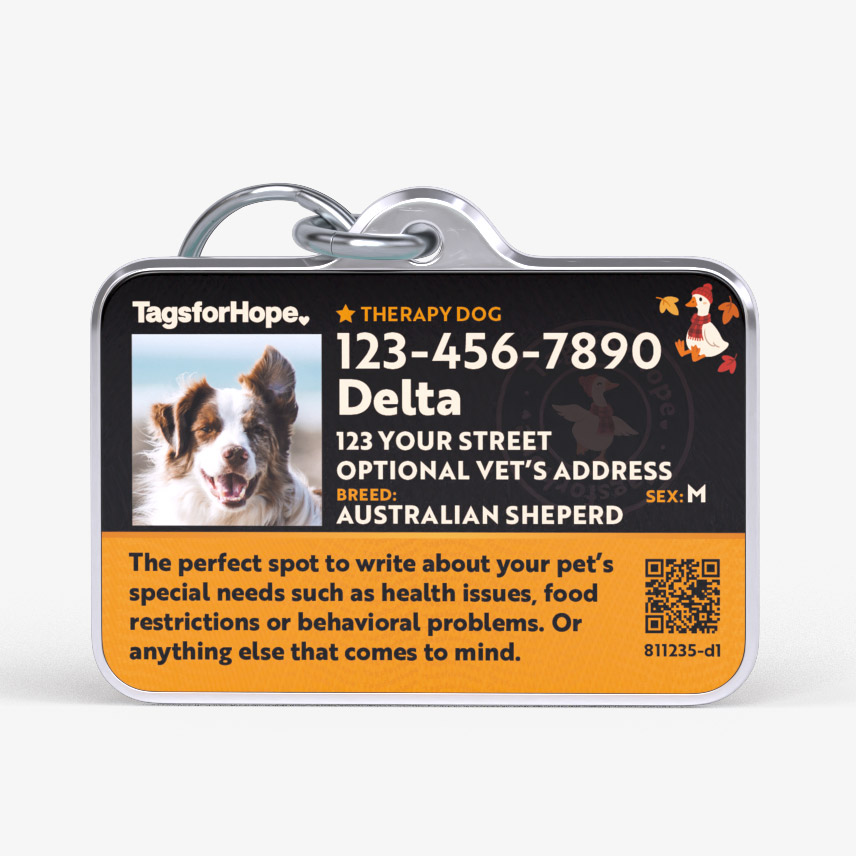
Credit: www.tagsforhope.com
Importance Of Dog Id Tags
Dog ID tags are crucial for pet safety. Include the dog’s name, your contact information, and address on the tag. This helps in reuniting lost dogs with their owners quickly.
Dog ID tags may seem like a small accessory, but they hold immense importance for your pet’s safety. A simple tag can be the difference between a quick reunion with your lost pet and an extended, stressful search. These tags are vital tools for ensuring your furry friend’s safe return should they ever wander away.Immediate Identification
Imagine your dog slipping out of the yard, and a concerned neighbor finding them. The first thing they will check is a tag for identification. Having your contact information readily available on a tag can ensure a swift return home for your pet.Peace Of Mind
Knowing your dog has an ID tag offers peace of mind. You’ll feel more relaxed when taking them for walks or letting them play in the park. It’s a small step that provides a significant sense of security.Simple And Cost-effective
Dog ID tags are inexpensive yet highly effective. Compared to other safety measures, they require minimal investment. Despite their simplicity, they pack a punch in terms of safety and security for your pet.Legal Requirement In Some Areas
In many places, having an ID tag on your dog is not just recommended but required by law. It’s essential to check local regulations, as neglecting this small accessory could result in fines. This requirement underscores the tag’s importance in responsible pet ownership.Customization Options
Dog ID tags offer numerous customization options, allowing you to add essential information like your phone number and address. Some even include space for medical information or special care instructions. This personalization ensures your pet gets the care they need if found by someone else.Quick Access For Emergency Contacts
In emergencies, time is of the essence. A dog ID tag provides instant access to your contact information, enabling swift communication. This can be crucial in situations where your dog may need immediate help or attention. Are you considering what to write on your dog’s ID tag? Remember, it’s not just about aesthetics but about ensuring your beloved pet’s safety and well-being.Basic Information To Include
Choosing the right information for your dog’s ID tag is crucial. It ensures your pet can be returned safely if lost. The tag should have essential details that help in quick identification.
Owner’s Contact Number
Include a phone number that is always reachable. This is the most important piece of information. It allows anyone who finds your dog to contact you quickly. Consider adding a secondary number for extra security.
Dog’s Name
Adding your dog’s name helps in calming them when found. It makes the finder feel more connected to your pet. This can be especially useful in stressful situations.
Address Details
Include your city and state to provide a location context. A full address is optional but helpful. It assists in pinpointing your dog’s home area if they’re found nearby. Ensure the address is accurate and up-to-date.
Additional Useful Details
When it comes to ensuring the safety and well-being of your furry friend, adding additional useful details to their dog ID tag can be a game-changer. While the basics like name and phone number are essential, there’s more you can do to enhance your pet’s protection. Let’s explore some key elements that can offer a layer of security and peace of mind.
Microchip Information
Microchip numbers can be invaluable in the quick identification and recovery of lost pets. If your dog is microchipped, consider including the chip number on the tag. This allows anyone who finds your dog to contact a vet or shelter to scan the chip and access your contact information. It’s a simple addition that can make a big difference.
Medical Needs
Does your dog have specific medical conditions or allergies? Including this information on the ID tag is crucial. If your dog has a serious health issue, having it noted can guide whoever finds your dog to provide appropriate care. For example, mentioning a medication they need or a food allergy can be lifesaving.
Alternative Contact
Life is unpredictable, and there may be times when you are unreachable. Adding an alternative contact, such as a family member or friend, ensures someone can be contacted in emergencies. This backup contact number can be a reliable safety net, especially during vacations or hectic schedules.
What details do you have on your dog’s ID tag? Consider how these additional elements could enhance your pet’s safety. Being proactive about your pet’s identification can lead to quicker reunions and better protection.
Choosing The Right Tag Material
Choosing the right tag material for your dog’s ID tag is crucial not only for aesthetic reasons but also for practical purposes. The material you choose can significantly affect the tag’s longevity, comfort, and visibility. Let’s explore these factors to help you make the best decision for your furry friend.
Durability
Durability should be a top priority when selecting a tag material. Tags made from stainless steel or brass are highly durable, resisting wear and tear from daily activities. If your dog loves outdoor adventures, these materials can withstand scratches, bites, and weather conditions effectively. Consider how active your dog is and choose a material that matches their lifestyle.
Comfort
Comfort is another essential factor, especially for dogs that wear their tags continuously. Lightweight materials like aluminum or plastic might be more comfortable for smaller breeds or puppies. A heavy tag could be bothersome and uncomfortable for your pet. Always ensure the tag is smooth and rounded to prevent irritation or injury to your dog’s skin.
Visibility
Visibility can be a lifesaver if your dog ever goes missing. Materials like reflective plastic or brightly colored metals enhance visibility, making it easier for people to spot your pet’s ID tag. You might even consider engraving with bold fonts to ensure that contact information is legible from a distance. Does your dog’s tag stand out enough in dim lighting? It’s worth checking.
Design Tips For Id Tags
Dog ID tags are an essential accessory for your furry friend, offering both style and safety. But designing the perfect tag isn’t just about aesthetics; it’s about functionality too. Let’s dive into some design tips that will help you create an eye-catching and practical ID tag for your beloved pet.
Font Selection
Choosing the right font can make all the difference in readability. Opt for clear, sans-serif fonts like Arial or Helvetica that are easy to read at a glance. Avoid overly decorative fonts that might look great but can be hard to decipher.
Think about your dog’s personality when selecting a font. A playful pup might suit a more whimsical typeface, while a dignified dog could carry a more classic style. Your choice of font should reflect your pet’s unique character while ensuring legibility.
Color Choices
Colors can add vibrancy to your dog’s ID tag, but they also serve a practical purpose. Bright colors like red, orange, or yellow can enhance visibility, especially if your dog has a darker coat. Complementary colors can create an appealing contrast that stands out.
Consider your dog’s coat color when selecting tag colors. You want the tag to pop, not blend in. Think of it as choosing a shirt color that stands out against your own hair color. What colors would make your dog’s tag noticeable?
Size Considerations
Size does matter when it comes to ID tags. Ensure the tag is large enough to fit necessary information like your phone number and your dog’s name, but not so large that it becomes cumbersome for your pet to wear.
The tag should be proportionate to your dog’s size. A tiny Chihuahua might need a smaller, lightweight tag, while a big Labrador could comfortably sport a larger tag. Reflect on your dog’s comfort and the amount of information you need to include.
Designing the perfect dog ID tag is a balance between style and function. By considering font, color, and size, you can create a tag that not only looks great but serves its purpose effectively. What unique design elements will you incorporate to ensure your dog’s tag is perfect?
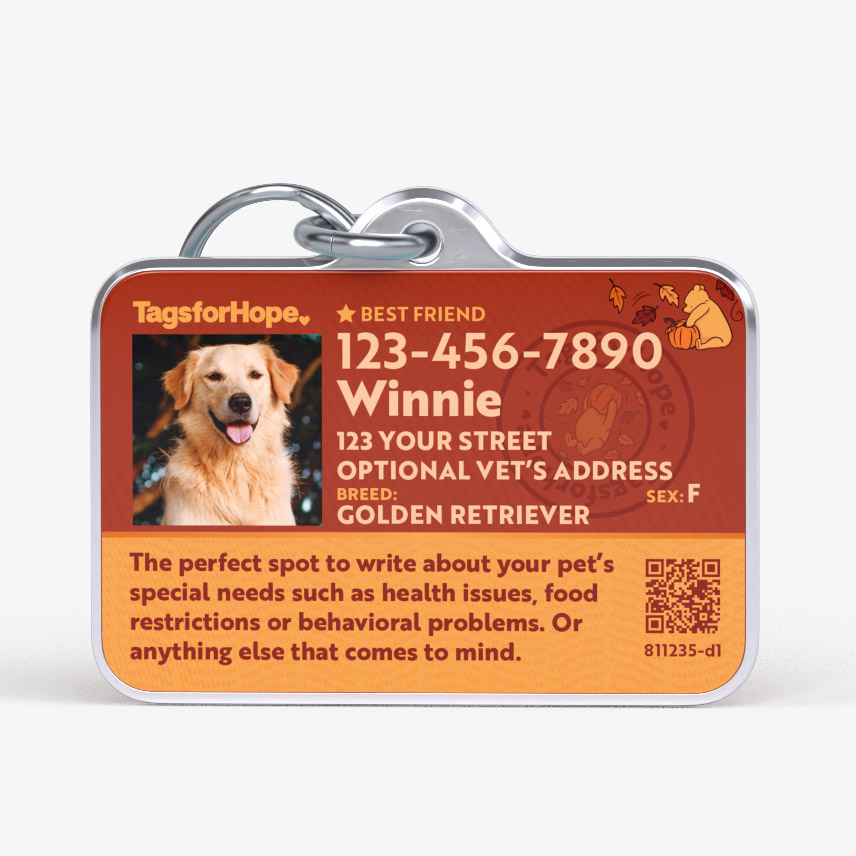
Credit: www.tagsforhope.com
Tag Attachment Options
Choosing the right tag attachment option for your dog’s ID tag is essential for ensuring it stays secure and easy to access. With various choices available, it’s important to know which ones suit your dog’s lifestyle and your convenience. Whether your dog is an adventure enthusiast or a couch potato, there’s a tag attachment option perfect for every scenario. Let’s dive into the main types and see which one might work best for you.
Collar types play a huge role in how a tag is attached. Standard buckle collars are sturdy and provide a fixed point for tag attachment. On the other hand, martingale collars offer extra security for dogs who pull, but ensure the tag doesn’t get caught when tightening. If you prefer harnesses, look for those with designated D-rings for tag attachment. Always check the material and durability, especially if your dog loves outdoor adventures.
Secure fasteners are crucial for keeping tags in place. Split rings are common, but they can be challenging to attach and detach. Consider using S-hooks for a more straightforward option, but ensure they are tightly closed to avoid losing the tag. Silicone tag holders offer a softer, more flexible alternative, reducing the noise of jangling tags. Remember, the right fastener can prevent the heartache of losing crucial identification.
Quick release mechanisms add convenience, especially for active dogs. These allow you to swap tags easily without the hassle of unthreading a collar. Quick release buckles are perfect for quick changes and safety concerns, like avoiding entanglement in brush during hikes. Reflect on your dog’s routines—could a quick release mechanism make your life easier? They’re a game-changer for pet owners who love efficiency.
Maintaining And Updating Tags
Dog ID tags should include essential information like the pet’s name and your contact number. Consider adding your address for extra safety. Keep details simple and readable to ensure quick assistance if your dog is lost.
Maintaining and updating your dog’s ID tag is crucial for ensuring their safety. Think of it as a small investment that can save a lot of heartache. A tag with clear, accurate information makes it easier for someone to return your dog if they get lost. But just like anything else, it needs a little attention now and then. Let’s dive into the details of keeping your dog’s ID tag in top shape.Regular Checks
Regularly checking your dog’s ID tag is more important than you might think. Over time, tags can become scratched or tarnished, making the information hard to read. Have you ever struggled to read a worn-out label on an old item? Imagine the same scenario with your dog’s ID tag. Set a monthly reminder to examine the tag’s condition. Ensure the text remains clear and legible. This simple task could be pivotal if your furry friend ever wanders off.Replacing Worn Tags
No matter how durable, tags will eventually wear out. When the time comes to replace them, do so promptly. A faded tag is as useful as a broken compass. Have you ever had to replace worn-out shoes because they were no longer comfortable? The same logic applies here. Consider keeping a spare tag handy. This way, if you notice wear and tear, you can swap it out immediately without delay.Updating Information
Your contact details may change, and so should your dog’s tag. Imagine finding a lost dog with outdated information on their tag. Frustrating, right? Ensure your tag has your current phone number and address. Whenever you change your phone number or move to a new home, update the tag immediately. It’s a small task with potentially big outcomes. By keeping your dog’s ID tag in excellent condition, you contribute to their safety and your peace of mind. What’s the point of having a tag if it doesn’t serve its purpose? Engage in these simple maintenance steps to ensure you’re always ready for the unexpected.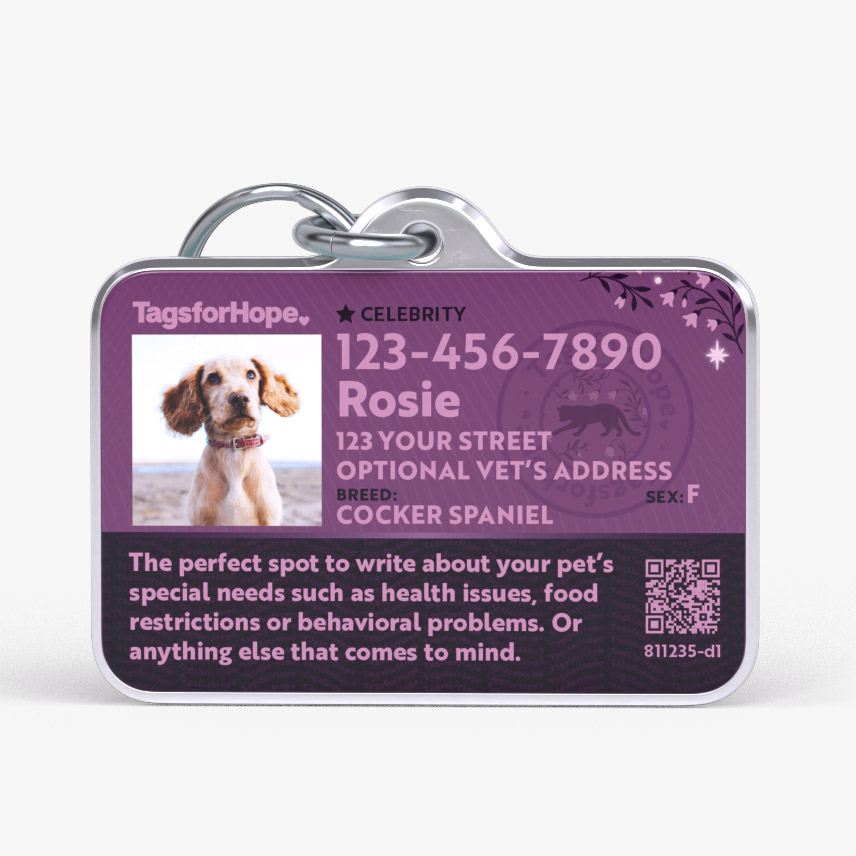
Credit: www.tagsforhope.com
Frequently Asked Questions
What Details Should A Dog Id Tag Include?
A dog ID tag should include the pet’s name and your phone number. Adding your address can be helpful. Consider including medical needs or microchip information. These details ensure quick identification and return if your pet gets lost.
Why Is A Dog Id Tag Important?
A dog ID tag is crucial for your pet’s safety. It provides immediate contact information if your dog is lost. Tags serve as a quick identification method. They increase the chances of a safe return home.
How Can I Make A Dog Id Tag Readable?
Ensure the text on the dog ID tag is large and clear. Use durable materials that resist wear. Choose a tag with contrasting colors for easy reading. Regularly check and replace if the tag becomes worn out or damaged.
Can I Include A Message On A Dog Id Tag?
Yes, you can include a short message on a dog ID tag. Phrases like “I’m friendly” or “Call my owner” can be helpful. Keep the message brief and relevant. It can provide additional guidance to the person finding your pet.
Conclusion
Choosing the right words for a dog ID tag is crucial. Keep information clear and concise. Include your dog’s name and your contact number. This ensures quick help if your dog gets lost. Consider adding a backup contact too. Microchip details can be helpful.
Avoid overcrowding the tag with too much text. Focus on essential information only. Reflect your dog’s personality with a fun quote if space allows. A simple, well-thought-out tag makes all the difference. Keep your beloved pet safe and easily identifiable.
Your dog will thank you!