What Type of Harness is Best for a Dog: Ultimate Guide
Senior Canine Nutritionist & Dog Behavior Specialist at Cozy Dog Go Wellness Lab

Choosing the right harness for your dog is more than just a decision; it’s an investment in their comfort, safety, and happiness. Whether you’re planning a leisurely stroll around the block or gearing up for an adventurous hike, the harness you pick can make all the difference.
But with so many options on the market, how do you know which one is best for your furry friend? You want something that fits well, is easy to use, and most importantly, keeps your dog safe and secure. As you continue reading, you’ll discover the key factors that make one harness stand out from the rest, ensuring you find the perfect match for your beloved companion.
Dive deeper, and let’s find out what your dog truly needs.
Types Of Dog Harnesses
Choosing the right harness for your dog can make walks safer and more enjoyable. Different harnesses offer unique benefits. Let’s explore various types of dog harnesses to help you decide the best fit for your furry friend.
Back-clip Harness
The back-clip harness is popular among dog owners. It features a D-ring on the dog’s back. This makes attaching the leash easy. It reduces pulling and choking risks. Back-clip harnesses are ideal for small or well-trained dogs.
Front-clip Harness
Front-clip harnesses feature a leash attachment on the chest. This design helps control pulling. It gently redirects your dog’s direction. Front-clip harnesses are great for training. They offer better control during walks.
Dual-clip Harness
Dual-clip harnesses offer both front and back clips. This versatility suits different training needs. You can switch between controlling and casual walks. Dual-clip harnesses provide flexibility. They are excellent for growing dogs.
Step-in Harness
Step-in harnesses are easy to use. Your dog steps into the harness, and you secure it. This design is straightforward and quick. Step-in harnesses suit dogs that dislike things going over their heads. They are comfortable and secure.
Vest Harness
Vest harnesses offer a snug fit. They distribute pressure evenly across the body. This makes them comfortable for long walks. Vest harnesses often have padding. They are ideal for small breeds or dogs with sensitive skin.
Choosing The Right Harness
Choosing the right harness ensures comfort and safety for your dog. Opt for a harness that fits well and suits your dog’s activity level. Consider padded options for added comfort during long walks or adventures.
Choosing the right harness for your dog can make a world of difference in your daily walks and adventures. Not only does it ensure your dog’s comfort, but it also enhances safety and control. With so many options available, it’s crucial to consider several factors that can help you make an informed decision. Let’s dive into the essential aspects you should look into when selecting the ideal harness for your furry friend.Size And Fit
A proper fit is the cornerstone of any good harness. Measure your dog’s girth and neck to find a harness that fits snugly but comfortably. A harness that’s too tight can cause discomfort, while one that’s too loose might slip off. Try to adjust the straps and observe how your dog moves. Does it look comfortable or restricted? Always check the manufacturer’s sizing chart, as sizes can vary between brands.Material And Comfort
The material of the harness plays a significant role in your dog’s comfort. Opt for breathable fabrics like mesh or soft cotton that won’t irritate the skin. Durable materials such as nylon are great for active dogs. Consider the weight of the harness, too. Lightweight options are best for smaller breeds, while sturdier options suit larger or more energetic dogs. Look for padded areas that provide extra comfort, especially around the chest and neck.Safety Features
Safety is paramount when choosing a harness. Reflective strips can enhance visibility during evening walks, keeping your dog safe from oncoming traffic. A sturdy D-ring for leash attachment is essential for secure control. Some harnesses come with additional safety features like a handle on the back, useful for assisting your dog over obstacles or in emergencies. Always inspect the harness for robust stitching and strong buckles to avoid unexpected breakage. Selecting the right harness involves careful consideration of your dog’s specific needs. By focusing on size and fit, material and comfort, and safety features, you can ensure enjoyable walks with your canine companion. What features are most important to you when choosing a harness for your dog?Benefits Of Using A Harness
Choosing the right harness for your dog can make a significant difference in both your dog’s safety and your own peace of mind. Harnesses offer numerous benefits that can enhance your daily walks and training sessions, ensuring your furry friend stays comfortable and secure. Below, we’ll explore some key advantages of using a harness for your dog.
Better Control
Harnesses provide better control over your dog compared to traditional collars. With a harness, you can guide your dog more effectively, especially during busy walks or crowded areas. This control is particularly useful for larger breeds or dogs who tend to pull. Imagine walking your energetic Labrador; a harness distributes the force evenly across their chest, making it easier to maintain balance and steer them safely.
Reduced Risk Of Injury
Unlike collars, harnesses minimize the risk of neck injuries. Collars can strain your dog’s neck, especially if they tend to pull. Harnesses distribute pressure across the chest and shoulders, reducing the chance of harm. Think about your pup’s well-being; wouldn’t you want to prevent potential injuries? A harness is a safer option that ensures your dog can enjoy walks without the risk of choking or neck strain.
Suitable For Training
Harnesses are excellent tools for training purposes. They offer the necessary support and control required for teaching commands and good behavior. Whether you’re training your new puppy or refining the skills of your older dog, a harness can be a valuable aid. Picture working with your young border collie; a harness helps guide them gently, reinforcing positive habits without causing discomfort.

Credit: www.cnn.com
Common Mistakes To Avoid
Choosing the right dog harness can be a challenge. Many pet owners make mistakes that affect their dog’s comfort and safety. Avoiding these common errors ensures a happier experience for your furry friend.
Incorrect Fitting
A poorly fitted harness can cause discomfort or even injury. It should be snug but allow room for two fingers to slide under. Too tight can restrict breathing, too loose can lead to slipping out.
Ignoring Dog’s Needs
Every dog has unique requirements. Consider age, size, and health. A puppy may need a softer harness, while an older dog might need extra support.
Using Worn-out Harness
Regularly check for wear and tear. Frayed straps or broken buckles can lead to accidents. Replace old harnesses promptly to ensure safety.
Top Brands And Recommendations
Choosing the right harness for your dog can make daily walks a delight. With numerous options available, finding the best brands can be challenging. This section provides insights into top brands that offer quality, comfort, and durability.
Budget-friendly Options
Not all quality harnesses are expensive. Some brands offer great value without breaking the bank. Consider these options:
- Frisco – Known for durable yet affordable options.
- Voyager – Offers comfort at a reasonable price.
- Pawaboo – Provides simple designs with good functionality.
Premium Choices
For those seeking luxury and top-notch quality, these premium brands are worth considering:
- Ruffwear – Offers high-end, adventure-ready harnesses.
- Kurgo – Known for rugged durability and comfort.
- Julius-K9 – Provides stylish designs with exceptional quality.
Customer Reviews
Listening to other dog owners can guide your decision. Here’s what they say:
- Frisco users appreciate its easy adjustments and sturdy build.
- Voyager gets praise for being gentle on small dogs.
- Ruffwear fans love its durability for active lifestyles.

Credit: www.familyhandyman.com
Tips For Harness Training
Choosing the right harness depends on your dog’s size and breed. Opt for adjustable, comfortable harnesses for better fit and control. Consider padded designs to prevent chafing and ensure ease during walks.
Training your dog to wear a harness can be a rewarding experience that strengthens your bond. It requires patience, consistency, and a pinch of creativity. With the right approach, you can make harness training a positive and enjoyable process for both you and your furry friend.Introducing The Harness
Start by allowing your dog to sniff and explore the harness. Place it near their food bowl or favorite resting spot. This helps your dog associate the harness with positive experiences. Once your dog seems comfortable, gently drape the harness over their back without fastening it. Offer treats and praise to create a positive connection. Repeating this step over a few days can help your dog become more comfortable with the sensation.Positive Reinforcement Techniques
Reward your dog with treats or affection each time they interact calmly with the harness. Reinforce small progress like allowing the harness to rest on their back or putting their head through the loop. Consistency is key. Keep training sessions short and fun to maintain your dog’s interest and enthusiasm. Gradually increase the time they wear the harness, always ending on a positive note.Overcoming Resistance
If your dog resists wearing the harness, don’t force it. Instead, return to steps where they were comfortable. Patience and understanding can help ease their anxiety. Try engaging your dog in a game or walk immediately after putting on the harness. Redirecting their focus can reduce resistance and help them associate the harness with enjoyable activities. Have you ever considered how your dog’s personality influences their reaction to the harness? Some dogs are naturally more cautious, while others may be more curious. Tailor your approach to suit your dog’s unique temperament, and soon enough, they’ll be strutting around in their harness with confidence.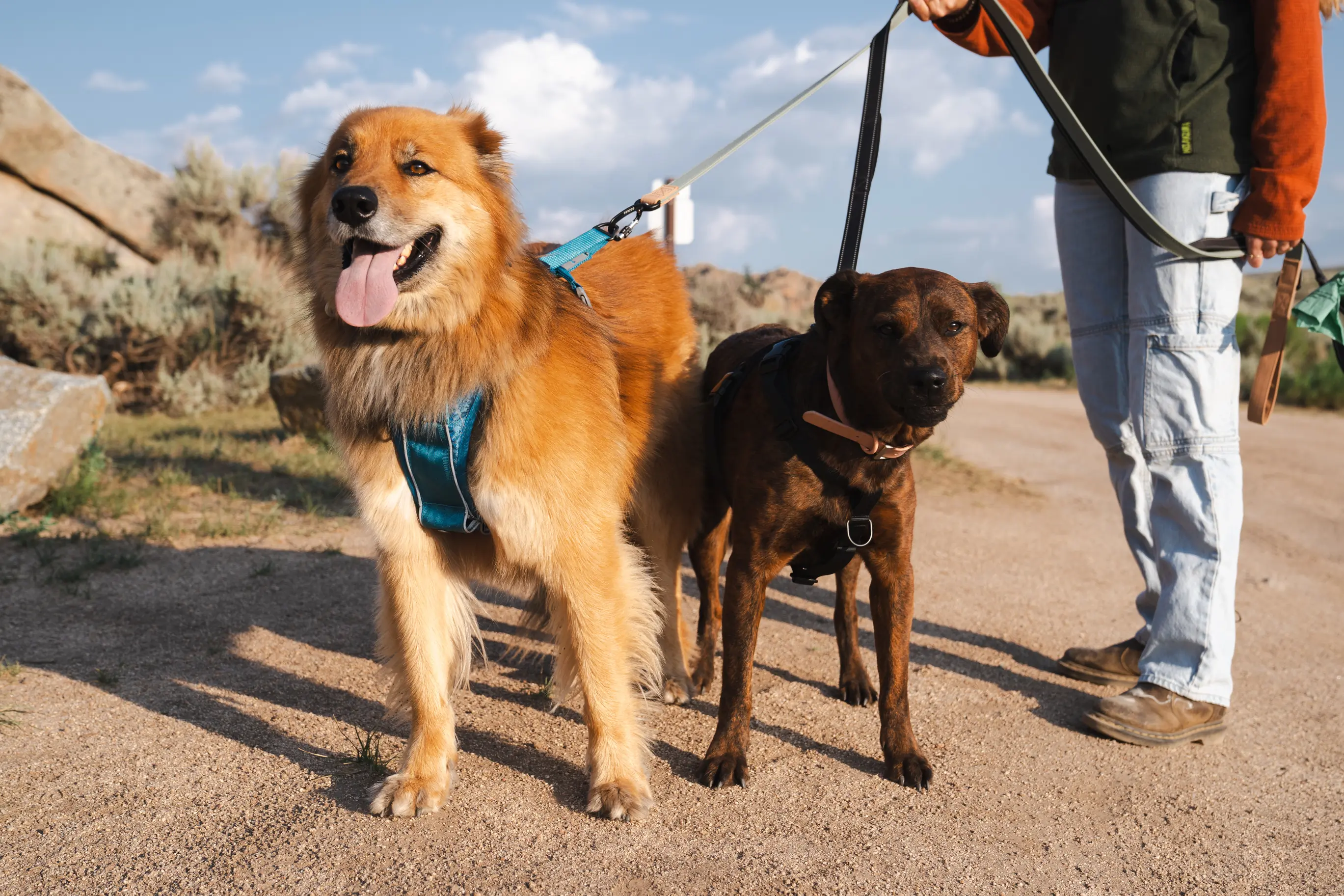
Credit: gearjunkie.com
Frequently Asked Questions
What Is The Best Harness For Large Dogs?
The best harness for large dogs provides control and comfort. Look for durable, adjustable straps and padding. A front-clip harness can help with training and reduce pulling. Ensure it fits well to avoid chafing. Brands like Ruffwear and Kurgo are popular among large dog owners.
Are No-pull Harnesses Good For All Breeds?
No-pull harnesses are good for dogs prone to pulling. They work well with most breeds, offering better control. However, they may not be suitable for dogs with sensitive skin. Always check the fit and comfort for your dog’s specific needs.
Consult with a vet if unsure.
How Do I Measure My Dog For A Harness?
Measure your dog’s chest and neck for a proper fit. Use a tape measure, wrapping it around the widest part of the chest. Measure the neck just above the shoulders. Compare these measurements with the harness size chart. A snug fit ensures safety and comfort.
Is A Front-clip Harness Better Than A Back-clip?
Front-clip harnesses offer more control over pulling. They are ideal for training and better leash control. Back-clip harnesses are suitable for calmer dogs and everyday walks. Choose based on your dog’s behavior and walking needs. Both types should fit comfortably without restricting movement.
Conclusion
Choosing the best harness keeps your dog safe and happy. Consider your dog’s size and behavior. Comfort is key, so look for soft materials. Adjustable straps help the harness fit well. No-pull harnesses work for dogs that tug. Try different styles to find the perfect match.
Read reviews and talk to other dog owners. Your dog’s comfort matters most. A well-fitted harness makes walks enjoyable. Keep exploring options until you find the right one. Your dog deserves the best care and love.

Similar Posts