Are you considering using a shock collar for your dog and wondering where exactly to place it? It’s important to get this right, not just for your dog’s comfort, but also to ensure the collar works effectively.
Misplacing a shock collar can lead to discomfort or even harm, which is the last thing any pet owner wants. In this guide, we’ll walk you through the best practices for placing a shock collar on your dog, ensuring both safety and effectiveness.
You’ll gain peace of mind knowing you’re taking the right steps to train your furry friend responsibly. Stay with us to discover practical tips that will make this process easier for both you and your dog.
Proper Placement Of Shock Collars
Proper placement of a shock collar ensures your dog’s safety and comfort. It also helps the collar work effectively. Knowing where to place the collar is crucial. This guide will help you understand the best practices.
Identifying The Right Area
The collar should sit high on the dog’s neck. It should be just below the jawline. This area provides a snug fit. Avoid placing it too low on the neck. The collar must touch the skin, not just fur. This ensures the device works properly.
Ensuring Comfort And Safety
A comfortable fit is essential for your dog’s safety. The collar should be tight enough to stay in place. But not too tight to cause discomfort. You should fit two fingers between the collar and neck. Check the fit regularly, especially if your dog grows or gains weight. Always look for signs of irritation or discomfort.

Credit: www.amazon.com
Choosing The Correct Collar Size
Choosing the correct collar size for your dog’s shock collar is crucial. A well-fitted collar ensures effective training and comfort. A collar that’s too loose may not work properly. A collar that’s too tight can cause discomfort or injury. Let’s explore how to find the perfect fit for your dog.
Measuring Your Dog’s Neck
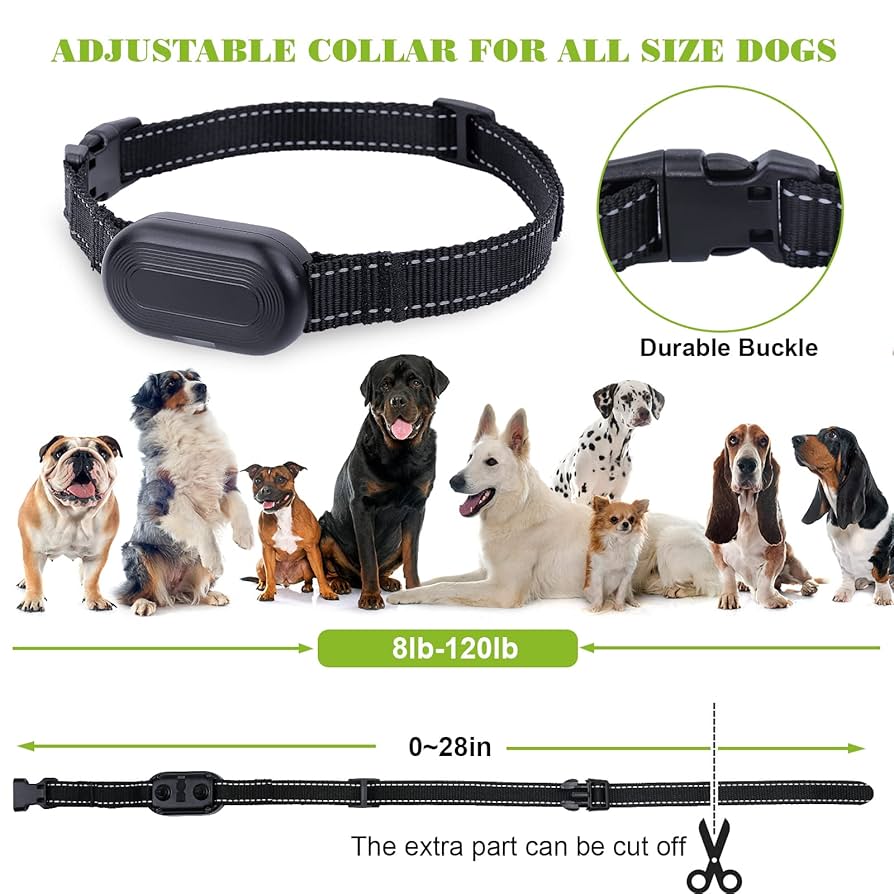
Measure your dog’s neck using a flexible tape measure. Wrap it around the base of the neck. Ensure it’s snug but not tight. You should be able to fit two fingers between the tape and the neck. This measurement helps find the right collar size.
Adjusting For A Snug Fit
Once you have the measurement, adjust the collar for a snug fit. Place the collar around your dog’s neck. Check that it fits comfortably with two fingers under it. Ensure the collar sits high on the neck. This position prevents slipping and ensures effective operation.
Understanding Shock Levels
Understanding shock levels in a dog collar is crucial for ensuring your furry friend’s safety and well-being. It’s not just about getting your dog to listen; it’s about teaching them responsibly. Knowing how to assess and adjust these levels can make all the difference between a positive training experience and an uncomfortable one.
Assessing Your Dog’s Sensitivity
Every dog is unique, and so is their sensitivity to shock levels. While some dogs might only need a gentle nudge, others might require a bit more stimulation to respond. Pay attention to your dog’s reactions, such as twitching, startling, or ignoring the signal altogether.
Have you ever noticed how your dog reacts to different environments or strangers? The same sensitivity can apply to shock collars. Start at the lowest setting, and gradually increase until you see a mild response. This ensures you are not overwhelming your pet.
Testing The Collar Settings
Before you place the collar on your dog, it’s important to test the settings. You can do this by holding the collar in your hand and trying different levels. This allows you to understand what your dog will experience.
Are you concerned about whether the shock is too intense? A simple test you can do is place the collar against your own skin. If the sensation is uncomfortable for you, it might be too strong for your dog. Adjust accordingly, ensuring a comfortable and effective training experience.
Remember, the goal is to communicate, not to punish. By understanding and managing shock levels effectively, you contribute to a safer, more respectful training environment for your beloved pet.

Credit: www.walmart.com
Training Tips With Shock Collars
Position the shock collar on the lower part of the dog’s neck for effective training. Ensure the contact points touch the skin to deliver consistent signals. Adjust the strap for a snug fit without causing discomfort or restricting movement.
Training with shock collars can be effective with the right approach. These tools need careful handling to ensure the dog’s safety. Proper techniques help build a positive learning environment.Start With Positive Reinforcement
Begin training with rewards like treats or praise. Use these to create a happy atmosphere. Reward good behavior often. This helps dogs associate training with positive outcomes. Avoid starting with the collar immediately. Let them understand basic commands first.Gradual Introduction Of The Collar
Introduce the shock collar slowly. Let the dog wear it without activation. This helps them get used to its presence. Keep sessions short and calm. Gradually, activate the collar at a low setting. Observe your dog’s reaction. Adjust the intensity according to their comfort. Always prioritize their well-being during training.Common Mistakes To Avoid
Using a shock collar can be a helpful tool for training dogs. But many owners make mistakes that can cause harm or reduce effectiveness. Understanding these mistakes helps ensure the collar is used safely and properly.
Incorrect Placement Risks
Placing the shock collar too high on the dog’s neck can lead to discomfort. It might also cause skin irritation. The collar should sit snugly, avoiding any tightness. If it’s too loose, it won’t work well. A collar positioned incorrectly can frighten the dog. This can lead to stress or anxiety. Make sure the collar fits correctly. Adjust it so the contact points touch the skin without pressing too hard.
Overuse Of Shock Collar
Overusing a shock collar can harm your dog. Frequent shocks may lead to fear or aggression. Dogs might become scared rather than learn proper behavior. The collar should be used sparingly. Combine its use with positive reinforcement. This encourages better learning. Shock collars are not meant for punishment. Use them to guide behavior gently. Always remember to reward good behavior. This helps build trust and a positive relationship.
Alternatives To Shock Collars
Finding alternatives to shock collars can improve your dog’s training experience. Consider using positive reinforcement techniques like treats and praise. These methods encourage good behavior without causing stress or discomfort.
Alternatives to Shock Collars Are you searching for a kinder approach to train your dog? You’re not alone. Many dog owners are exploring alternatives to shock collars that focus on building trust and communication rather than fear. Let’s dive into some effective and humane methods to help your furry friend learn and thrive.Exploring Gentle Training Methods
Gentle training methods center around positive reinforcement, which rewards your dog for desired behaviors. This approach can include treats, praise, or playtime. Imagine your dog learning a new trick, excitedly wagging its tail as you offer a treat. This creates a positive association with the action, encouraging your dog to repeat it. Consider using clicker training as a tool. A clicker marks the exact moment your dog performs the desired behavior, helping them understand what they did right. This can be especially helpful for complex commands. Engaging your dog in consistent and fun training sessions can foster a strong bond and enhance communication. Have you tried teaching your dog new tricks using toys or games? It can turn training into a delightful experience for both of you.Considering Professional Training Assistance
Sometimes, seeking the help of a professional trainer can make all the difference. Professional trainers can offer tailored strategies that suit your dog’s unique personality and needs. Finding a trainer who shares your values and uses humane techniques is essential. Have you researched trainers in your area and read reviews from other dog owners? A professional trainer can provide insights and techniques that you might not have considered. They can guide you in addressing specific behavioral issues or developing basic obedience. Why not attend a local dog training class or seminar? It can be a great opportunity to learn from experts and meet other dog owners who share your commitment to gentle training methods.
Credit: www.ebay.com
Frequently Asked Questions
Where Should A Shock Collar Sit On A Dog?
The shock collar should sit high on your dog’s neck. Position it just below the dog’s jawline. Ensure it’s snug but not too tight, allowing one finger to fit between the collar and the neck. This placement ensures effective and safe use of the collar.
Can A Shock Collar Harm My Dog?
Shock collars can cause discomfort if misused. Use the lowest effective setting to minimize harm. Proper placement and usage are essential to ensure safety. Always monitor your dog’s reaction and consult a professional if unsure about its use.
How Tight Should A Shock Collar Be?
A shock collar should be snug but not overly tight. You should be able to fit one finger comfortably between the collar and the dog’s neck. This ensures contact with the skin without causing discomfort or restricting breathing.
Is It Safe To Leave A Shock Collar On All Day?
It’s not recommended to leave a shock collar on all day. Prolonged use can cause skin irritation or pressure sores. Limit usage to training sessions and remove it afterward. Always follow the manufacturer’s guidelines for safe usage duration.
Conclusion
Placing a shock collar on your dog needs care. Ensure it fits snugly but not too tight. Position it high on the neck for better contact. Avoid leaving it on for too long. Regularly check your dog’s skin for irritation.
Use the collar responsibly and only when needed. Training should always focus on positive reinforcement first. Remember, your dog’s comfort and safety come first. Educate yourself on proper usage. Consult a professional if you’re unsure. Your dog will appreciate your careful approach.
With patience and understanding, you can ensure a happier training experience.


