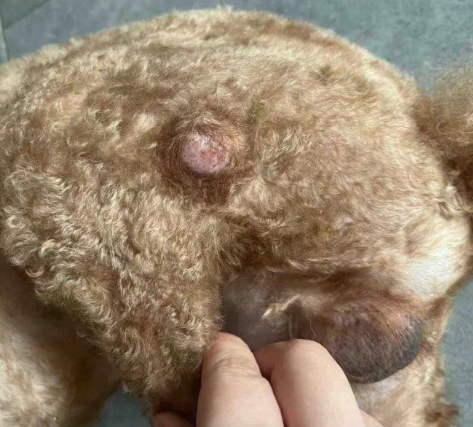
Have you ever noticed a small, fleshy bump on your dog’s skin and wondered what it is? You’re not alone.
Skin tags are quite common in dogs, and while they are usually harmless, they can leave you questioning what causes them. Understanding why dogs get skin tags is not just about soothing your curiosity; it’s about ensuring your furry friend’s health and happiness.
Imagine the peace of mind that comes from knowing what’s normal and what might need a vet’s attention. Are skin tags a sign of something more serious? What should you look out for? These are questions every pet owner asks. You’ll find simple explanations and practical advice, so you can confidently care for your beloved canine. Keep reading to discover why your dog might develop skin tags and what you can do about them.

Credit: www.facebook.com
Common Causes Of Skin Tags In Dogs
Dogs, much like humans, can develop skin tags. These are small, benign growths. Understanding their causes helps in managing them effectively. Here, we explore some common reasons why dogs might get skin tags.
Genetic Factors
Genetics can play a significant role in skin tag development. Certain breeds are more prone. Pugs, Cocker Spaniels, and Boxers often get skin tags. If a dog’s parents had skin tags, they might too. This hereditary tendency is common in many animals.
Age-related Changes
Age is a common factor in skin tag development. Older dogs tend to have more skin tags. Their skin becomes less elastic as they age. This makes it easier for tags to form. The body’s natural wear and tear also contributes.
Environmental Influences
The environment can impact skin tag formation. Dogs exposed to certain elements might develop them. Humid areas can lead to skin irritation. Frequent contact with certain surfaces might irritate the skin. This can result in tags over time.

Credit: www.facebook.com
Identifying Skin Tags On Dogs
Dogs can develop skin tags due to age, genetics, or friction. These small, benign growths often appear on areas with frequent movement. Keeping a close eye on your pet’s skin changes helps in identifying any unusual growths early.
Identifying Skin Tags on Dogs Have you ever noticed a small, fleshy bump on your dog’s skin and wondered what it could be? Skin tags are quite common among dogs and generally harmless. Recognizing them early can help ensure your furry friend stays healthy and comfortable.Physical Characteristics
Skin tags on dogs often look like small, soft growths that hang off the skin. They are usually flesh-colored, but can also appear brown or black. Unlike warts, skin tags are smooth to the touch and are not painful for your dog. These growths can vary in size from a few millimeters to a couple of centimeters. Their texture is often soft and pliable, which helps differentiate them from other types of skin abnormalities.Typical Locations On The Body
Dogs can develop skin tags in various areas, but some spots are more common than others. You might find them on your dog’s chest, belly, or under the armpits. These areas are prone to friction, which may contribute to skin tag formation. Other typical locations include the neck and eyelids. Observing these common areas regularly can help you catch any new growths early. Have you checked your dog’s favorite napping spot lately? Sometimes, a change in their sleeping habits can be a clue to investigate further. Keeping an eye on these signs ensures that you’re always one step ahead when it comes to your pet’s health.Potential Health Implications
Skin tags on dogs are often harmless, but they can signal health issues. Understanding their implications is crucial for your pet’s well-being. While most skin tags are benign, they can sometimes indicate underlying health concerns. Knowing the difference between safe and harmful growths is important for dog owners.
Benign Vs Malignant Growths
Most skin tags are benign and pose little risk. These are usually small, soft, and painless. They don’t change in size or color quickly. Malignant growths, though, can be dangerous. They may grow rapidly or change color. Pay attention to any bleeding or discharge from the skin tag. Such changes might indicate cancerous growths.
When To Consult A Veterinarian
Consult a vet if a skin tag changes size or color. Any discomfort or bleeding warrants professional attention. A vet can determine if the growth is benign or malignant. Early detection of skin issues can prevent more serious health problems. Regular check-ups help catch any concerns early.

Credit: www.reddit.com
Treatment Options For Skin Tags
Treatment options for skin tags in dogs can vary based on the size, location, and number of tags present. While these benign growths are usually harmless, they can sometimes cause discomfort or irritation, especially if located in areas prone to friction. If you’re considering treatment for your furry friend, understanding the different options available can help you make an informed decision. Let’s explore some practical approaches to dealing with these pesky growths.
Surgical Removal
Surgical removal is often the most effective way to eliminate skin tags, especially if they’re causing your dog discomfort. A vet can perform this procedure swiftly, often under local anesthesia, ensuring your pet’s safety and comfort. The procedure is straightforward, and most dogs recover quickly, returning to their playful selves in no time.
Have you ever noticed how your dog bounces back from minor procedures? It’s reassuring to know that surgical removal is a quick fix when skin tags become bothersome.
Before opting for surgery, it’s wise to consult your vet about potential risks and the recovery process. They can provide insights tailored to your dog’s health and needs.
Home Remedies And Care
For those who prefer a less invasive approach, home remedies might be worth exploring. Some pet owners use natural solutions like apple cider vinegar, applying it gently to the skin tag with a cotton ball.
Patience is key here; consistency in application could lead to results over time. However, always ensure that your dog doesn’t lick the treated area, as some substances might not be safe if ingested.
Do you enjoy spending time in nature with your pet? Incorporating natural remedies could align well with your lifestyle, fostering a holistic approach to pet care.
Monitoring your dog’s skin is essential. Regularly check for any changes in the skin tag’s appearance or behavior, as these could signal a need for professional intervention.
Preventive Measures
Dogs often develop skin tags due to aging, friction, or genetics. Regular grooming and maintaining a healthy diet can help prevent these harmless growths. Consulting with a vet ensures any unusual skin changes are promptly addressed.
Preventive measures can play a crucial role in reducing the likelihood of your dog developing skin tags. Understanding these measures can help you maintain your pet’s skin health and overall well-being. Let’s explore some practical steps you can take to help prevent skin tags on your furry friend.Maintaining Skin Health
Maintaining your dog’s skin health is essential. Regular grooming can help you spot any changes or growths early on. Brushing your dog not only keeps their coat clean but also stimulates the skin and promotes healthy blood circulation. Hydration is key. Ensure your dog has access to fresh water at all times to keep their skin hydrated from the inside out. A balanced diet rich in essential fatty acids can also support skin health. Consider foods that are high in omega-3 and omega-6, which can be found in fish oils and certain seeds.Regular Veterinary Check-ups
Regular veterinary check-ups are invaluable. They allow for professional examination and early detection of any skin abnormalities. Your vet can provide tailored advice based on your dog’s specific needs and health status. During these visits, don’t hesitate to ask questions. Inquire about any skin changes you’ve noticed, no matter how small. This proactive approach can make a significant difference in your dog’s health. Have you ever considered how often you should schedule these check-ups? It’s generally recommended to visit the vet at least once a year, but puppies, senior dogs, or those with health issues may need more frequent visits. Prioritizing these appointments can help catch potential issues before they become serious concerns.Myths And Misconceptions
Many believe skin tags on dogs signal disease, but they often appear due to aging or genetics. These harmless growths are usually painless, though they can occasionally get irritated. Understanding their nature helps alleviate unnecessary worry for pet owners.
Understanding why dogs get skin tags can be a bit puzzling, especially with so many myths and misconceptions floating around. Many dog owners, including myself, have at times fallen for some of these common beliefs. However, it’s essential to separate fact from fiction to ensure your furry friend’s health is well taken care of.Common Beliefs About Skin Tags
Many people think skin tags are contagious or a sign of poor hygiene. It’s a common worry that these tiny growths might spread from one dog to another or even to humans. Others believe that skin tags can turn into cancerous growths over time, causing unnecessary panic. Some folks might also assume that only older dogs get skin tags. While it’s true that age can be a factor, young dogs can also develop these harmless skin growths.Scientific Clarifications
Scientifically, skin tags are simply benign growths composed of collagen and blood vessels. They are not contagious and cannot be transmitted between pets or from pets to humans. This means you can freely cuddle with your pooch without any worries. Although skin tags are generally harmless, it’s always a good idea to keep an eye on them. If you notice changes in size or color, consult your vet. This ensures any unusual growth is checked promptly, maintaining peace of mind for you and comfort for your dog. In your experience, have you ever worried about skin tags on your dog? Understanding these myths and scientific truths can help ease any concerns. Isn’t it reassuring to know that a little knowledge can go a long way in caring for your beloved pet?Frequently Asked Questions
What Causes Skin Tags On Dogs?
Skin tags on dogs are often caused by friction or irritation. They commonly appear in areas where the skin folds. Other factors include aging, genetics, and hormonal changes. These benign growths are generally harmless, though they might be unsightly. Regular check-ups can help monitor any changes or potential issues.
Are Dog Skin Tags Dangerous?
Most skin tags on dogs are benign and not dangerous. They are usually just cosmetic issues. However, if a skin tag changes size, color, or bleeds, consult a veterinarian. Regular monitoring can ensure there are no underlying health concerns associated with skin tags.
How Can I Identify A Dog’s Skin Tag?
Dog skin tags are small, fleshy growths that often dangle from the skin. They are usually painless and soft. Skin tags can appear anywhere but are common in areas with friction. If you’re unsure, a vet can help differentiate between skin tags and other growths.
Can Skin Tags Be Removed From Dogs?
Yes, skin tags can be removed from dogs if necessary. Removal is typically recommended if the tag is irritated or causing discomfort. A veterinarian should evaluate the need for removal. They can safely remove skin tags with minimal risk. Always consult a vet before deciding on removal.
Conclusion
Dogs often get skin tags, which can be harmless. These small growths appear due to aging or friction. Owners should monitor skin tags for changes. Consulting a vet ensures your dog’s health. Skin tags can sometimes resemble other skin issues.
Early detection helps manage potential problems. Regular check-ups can keep your dog comfortable. Understanding skin tags reduces worries and promotes better care. Keep an eye on your dog’s skin regularly. This way, you can address any concerns promptly. Your dog’s health and happiness come first.


