Imagine coming home after a long day, craving peace, but your dog’s relentless barking shatters the silence. It’s frustrating, isn’t it?
You’re not alone. Many dog owners struggle with this issue, searching for effective solutions. One option you might have considered is using a muzzle. But will a muzzle really stop your dog from barking? Before you make a decision, it’s crucial to understand how muzzles work and whether they can truly solve the problem.
You’ll discover the truth about muzzles, explore alternative methods, and learn how to ensure your dog is happy and quiet. Stick around, because finding the right solution could transform your home into a peaceful haven.
Understanding Dog Barking Behavior
A muzzle can limit barking by restricting a dog’s ability to open its mouth fully. This tool is a temporary solution and does not address the underlying causes of barking behavior. Understanding the reasons behind a dog’s bark is key to managing it effectively.
Understanding why dogs bark can help manage their behavior. Dogs use barking to communicate. It can be a sign of joy, fear, or alertness. Understanding their reasons helps in addressing excessive barking.Reasons Dogs Bark
Dogs bark for many reasons. They might bark when they are excited. A stranger at the door can trigger barking. Boredom can lead to barking too. Dogs may bark for attention. Sometimes they bark when they feel threatened. Each bark has a reason behind it.Communication Through Barking
Barking is a dog’s language. It’s how they express feelings. A happy dog may bark with a wagging tail. A scared dog might bark with growls. Barking can alert you to danger. It’s also a way to bond with their owners. Listening to a dog’s bark reveals a lot.
Credit: collardirect.com
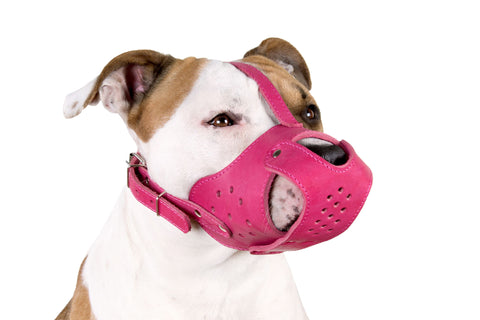
Types Of Dog Muzzles
Will a Muzzle Stop Dog from Barking Dog muzzles can help reduce barking by limiting mouth movement. Basket muzzles and soft muzzles are popular types. While they may not completely stop barking, they can manage excessive noise effectively.
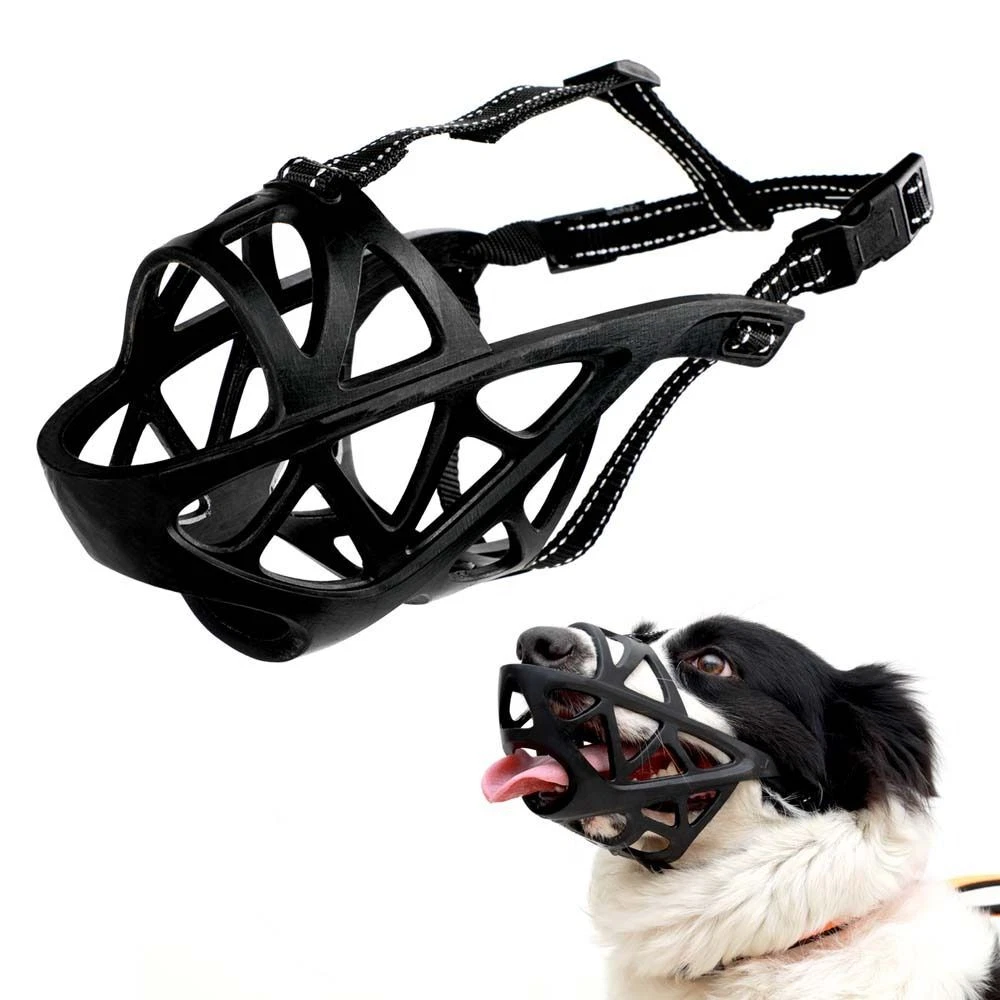
Understanding the types of dog muzzles is essential if you’re considering using one to manage your dog’s barking. Each type serves a different purpose and fits various situations. Picking the right muzzle can help you address your dog’s needs while ensuring comfort and safety.Basket Muzzles
Basket muzzles are sturdy and allow dogs to pant, drink, and even accept treats. They are often made from plastic, rubber, or metal, providing a secure fit. These muzzles are ideal for longer periods as they let your dog breathe freely, making them suitable for active dogs. I once used a basket muzzle for my energetic Labrador. It helped him stay calm during walks without restricting his natural behaviors. Would a basket muzzle suit your dog’s lifestyle?Soft Muzzles
Soft muzzles, typically made from fabric or nylon, are a temporary solution for short-term needs. They wrap snugly around the dog’s snout, limiting barking and biting. These muzzles are not meant for extended use as they can restrict panting, which is vital for your dog’s cooling mechanism. I tried a soft muzzle during vet visits, where brief control was necessary. It worked well for those quick moments. Can you think of situations where a soft muzzle might be beneficial?Mesh Muzzles
Mesh muzzles are lightweight and offer a balance between restriction and comfort. Made from breathable materials, they allow for limited panting and drinking. These muzzles are useful in warm climates or for dogs that find other types too cumbersome. A friend swears by mesh muzzles for her small terrier during grooming sessions. They keep him calm without causing distress. Could a mesh muzzle be the right choice for your dog’s grooming or travel needs? By exploring these options, you can find a muzzle that fits your dog’s personality and lifestyle. Remember, choosing the right muzzle requires considering your dog’s comfort and the specific scenarios you face. Have you found the perfect fit yet?Muzzle Effectiveness On Barking
Muzzles can help manage a dog’s barking. Some pet owners find them useful for training. They cover a dog’s mouth, limiting its ability to bark freely. But can they truly stop barking? Let’s explore their effectiveness.
Restricting Barking With Muzzles
Muzzles restrict the opening of a dog’s mouth. This limits the sound a dog can make. They don’t completely silence barking but can reduce its volume. Dogs might still whine or growl. It’s important to pick the right type. Some muzzles allow panting and drinking, while others don’t.
Temporary Vs Permanent Solutions
Muzzles are a temporary fix for barking. They work in specific situations like vet visits or walks. For long-term barking control, training is essential. Teaching commands and using positive reinforcement can help. Muzzles should not replace proper training. They’re a tool, not a permanent solution.
Pros And Cons Of Using Muzzles
Muzzles may limit barking temporarily, but they don’t address the underlying cause. Dogs might feel uncomfortable wearing them. On the positive side, muzzles can prevent biting and protect during vet visits. Proper training and understanding why a dog barks are more effective long-term solutions.
Pros and Cons of Using Muzzles Choosing whether to use a muzzle for your dog can be challenging. Muzzles can help manage barking but come with advantages and disadvantages. Understanding these can guide you in making an informed decision.Benefits Of Muzzles
Muzzles can prevent excessive barking in dogs. They offer a quick solution in public spaces. Muzzles can help keep dogs calm during stressful events. They can also protect others from bites in new situations. Muzzles can be a training tool for behavior management. They are useful for vet visits or grooming sessions. Using a muzzle can give peace of mind to pet owners.Potential Drawbacks
Muzzles can restrict a dog’s ability to pant. Panting is essential for cooling and stress relief. Dogs might find muzzles uncomfortable or stressful. They can cause distress if not introduced properly. Muzzles should not replace proper training methods. Some dogs may try to remove the muzzle by pawing. Incorrect fit can lead to chafing or injury. Misuse can lead to increased anxiety in dogs.Alternatives To Muzzles
Dog muzzles can prevent barking, but they aren’t the only option. Many pet owners seek alternatives to address excessive barking effectively. These approaches can help manage your dog’s behavior without resorting to muzzles. Let’s explore some practical methods.
Training Techniques
Consistent training builds trust between you and your dog. Positive reinforcement encourages good behavior. Reward your dog for quiet moments. Use commands like “quiet” and “sit.” Practice regularly for better results. Avoid punishment; it can create fear.
Behavioral Therapy
Professional help can identify underlying issues. A dog therapist assesses behavior patterns. They offer strategies tailored to your dog’s needs. Therapy sessions can reduce anxiety and stress. Gradually, your dog’s barking may decrease.
Environmental Adjustments
Changes in surroundings can impact barking. Ensure your dog feels safe at home. Minimize loud noises and distractions. Provide toys and activities for engagement. A calm environment can soothe your dog. This approach reduces triggers for barking.
Expert Opinions
Muzzles can help control barking by limiting a dog’s ability to open its mouth fully. Experts suggest choosing a comfortable muzzle to ensure the dog’s safety and well-being. Proper training alongside muzzle use might be more effective in managing excessive barking.
Muzzles are often considered as a tool to curb excessive barking in dogs, but how effective are they really? To understand the nuances, it’s crucial to look at what the experts say. From veterinarians to dog trainers, each professional has unique insights that can guide you in making an informed decision for your furry friend.Veterinarian Insights
Many veterinarians express caution when it comes to using muzzles for stopping barking. While muzzles can temporarily prevent a dog from barking, they do not address the underlying cause. A vet might suggest exploring other options to understand what triggers your dog’s barking—could it be anxiety, boredom, or something else? Consider this: would you want a temporary solution, or would you prefer to solve the root problem? Consulting your veterinarian can offer you a tailored approach that respects your dog’s well-being.Dog Trainer Perspectives
Dog trainers often emphasize the importance of training and behavior modification over quick fixes like muzzles. A muzzle might stop barking momentarily, but trainers argue that teaching your dog commands and rewarding positive behavior yields better long-term results. Trainers may recommend techniques like clicker training or using specific commands to manage your dog’s barking. Have you ever tried rewarding your dog when it stays quiet? Trainers often suggest this as a way to reinforce desired behavior. The question remains: do you want to merely silence your dog, or do you want to communicate effectively with them? By heeding expert advice, you can make a choice that benefits both you and your canine companion.Common Misconceptions
Many people have misconceptions about muzzles and their purpose. These misunderstandings can lead to misuse and negative perceptions. It’s important to clarify the role of muzzles in dog care.
Muzzles As Punishment
Some think muzzles are a form of punishment. This is not true. Muzzles are tools for safety, not discipline. They prevent unwanted biting or chewing. Dogs can learn to wear them comfortably. Using muzzles correctly avoids stress and fear in pets.
Muzzles And Aggression
People often link muzzles with aggressive dogs. This is a common misconception. Not all muzzled dogs are aggressive. Muzzles can be useful in various situations. They help in training or during vet visits. Muzzles ensure safety for both the dog and people.
Credit: namibian.com.na
Choosing The Right Approach
Choosing the right approach to manage a dog’s barking is crucial. Not all solutions work for every dog. Understanding your dog’s needs helps in finding the best method. Muzzles might seem like a simple fix, but they’re not suitable for all situations. Knowing when and how to use them is key.
Assessing Dog Needs
Every dog is unique with its own triggers for barking. Some bark out of boredom. Others might be anxious or excited. Observe your dog closely. Identify what causes their barking. Is it strangers, other dogs, or loud noises? Understanding these triggers helps in choosing an effective solution. Consider the dog’s age, breed, and temperament. Puppies might need different strategies than older dogs.
Consult a professional if you’re unsure. A vet or trainer can provide insights. They can help identify underlying issues. This assessment forms the foundation for any barking solution.
Tailoring Solutions
Once you understand your dog’s needs, tailor solutions accordingly. Muzzles can be a temporary solution. They’re not for long-term use. Use them only when necessary. Ensure the muzzle fits properly. It should allow your dog to pant and drink.
Consider alternative methods. Training is effective in many cases. Teach your dog commands like “quiet” or “enough.” Reward them when they stop barking. This reinforces positive behavior. Use distractions to redirect their focus. Toys or treats can shift their attention. Exercise is another effective solution. A tired dog is often a quiet dog.
Choose solutions that align with your dog’s specific needs. Not all methods work for every dog. Be patient and consistent. Adjust your approach based on your dog’s response. With time, your dog will learn when and when not to bark.

Credit: www.ebay.com.au
Frequently Asked Questions
Can A Muzzle Completely Stop Barking?
A muzzle can reduce barking but not completely stop it. It restricts movement, which can prevent excessive barking. However, a muzzle should not be a long-term solution. Training is essential for addressing the root cause of barking. It’s crucial to use muzzles responsibly, ensuring the dog’s comfort and safety.
Is It Safe To Use A Muzzle For Barking?
Using a muzzle safely for barking is possible with proper supervision. Ensure the muzzle fits well and doesn’t restrict breathing or drinking. It’s meant for short-term use to manage barking. Always monitor your dog while muzzled to prevent stress or discomfort.
Never use it as a punishment tool.
What Type Of Muzzle Is Best For Barking?
Basket muzzles are ideal for controlling barking. They allow dogs to breathe and pant comfortably. Basket muzzles provide enough restraint to reduce barking. Ensure it’s made of durable, dog-friendly material. Proper fit is essential to ensure the dog’s comfort and effectiveness.
Consult with a vet for the best choice.
How Long Can A Dog Wear A Muzzle?
A dog should wear a muzzle for short periods only. Limit use to 20-30 minutes, ensuring the dog remains comfortable. Monitor for signs of stress or discomfort. Muzzles are temporary tools and should not replace proper training. Always prioritize your dog’s well-being and consult a professional if needed.
Conclusion
Muzzles can help reduce barking in some situations. They aren’t a permanent solution, though. Training is crucial for lasting results. Understanding your dog’s needs is key. Sometimes, barking is a sign of stress. Ensure your dog feels safe and comfortable.
Practice patience during training. Positive reinforcement works best. Consult a professional if needed. Every dog is unique. Find what works for yours. Keep your bond strong. A happy dog is less likely to bark excessively. Remember, patience and understanding foster harmony.


