Imagine you’re enjoying a quiet evening at home, but your dog just won’t stop barking. It’s enough to drive anyone up the wall.
You’re not alone in this struggle. Many dog owners face the same challenge and wonder if a muzzle might be the solution. You’re probably asking yourself, “Would a muzzle really stop my dog from barking? ” This question isn’t just about silencing your furry friend; it’s about finding a way to maintain peace without compromising your dog’s comfort and well-being.
As you read on, you’ll discover insights into how muzzles work, their impact on barking, and whether they’re the right choice for you and your beloved pet. Dive deeper to learn more about this common dilemma and find out if a muzzle is the answer you’ve been searching for.

Credit: collardirect.com
Dog Barking: Causes And Triggers
A muzzle can reduce barking by limiting mouth movement, but it doesn’t address the underlying causes. Barking often stems from anxiety, excitement, or territorial behavior. Understanding triggers can lead to better solutions.
Dog barking is a natural behavior. But frequent barking can be a concern. Understanding the causes and triggers can help manage it better. Dogs bark for many reasons. Some are common across breeds. Others depend on specific situations or stimuli. Recognizing these can help in addressing excessive barking.Common Reasons Dogs Bark
Dogs bark to communicate. It’s their way of expressing needs or emotions. Common reasons include:- Alerting:Dogs bark to alert owners of something unusual.
- Attention Seeking:They bark to get your attention.
- Fear or Anxiety:Loud noises or strange environments can cause fear.
- Playfulness:Barking can occur during play as a sign of excitement.
- Boredom:Lack of activity or stimulation leads to barking.
Situational Triggers For Barking
Situational triggers can make dogs bark more. Knowing these helps in managing their response.- Visitors:New people or animals might trigger protective barking.
- Noise:Sudden or loud noises can startle a dog into barking.
- Separation:Being left alone can cause separation anxiety and barking.
- Environment Changes:Moving to a new place might make dogs uneasy.
- Visual Stimuli:Seeing other animals or people through windows can excite them.
Types Of Dog Muzzles
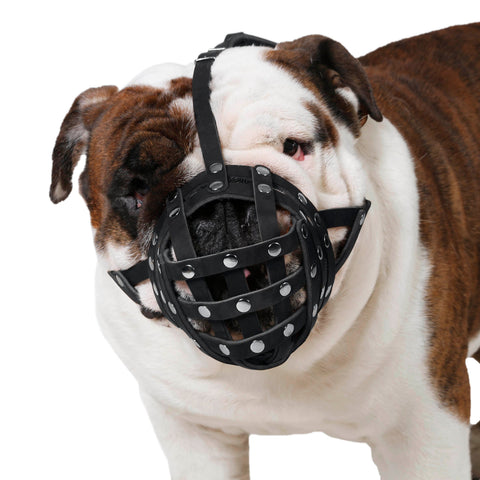
Exploring the types of dog muzzles reveals their potential to reduce barking. Basket muzzles allow panting but limit vocalization. Soft muzzles can restrict barking more effectively but should be used carefully for short periods.
Understanding the types of dog muzzles can be crucial when you’re considering ways to manage your dog’s barking. Muzzles can be effective, but it’s essential to choose the right type for your dog’s comfort and your specific needs. Let’s explore the different types of muzzles available and what makes each one unique.Basket Muzzles
Basket muzzles are often seen as the most comfortable option for dogs. They are usually made from materials like plastic, rubber, or metal. These muzzles allow your dog to pant, drink water, and even take treats. Imagine you’re on a walk with your dog. With a basket muzzle, they can sniff and explore without restrictions. However, while they reduce barking, they don’t completely stop it. Your dog can still make sounds, albeit muffled.Soft Muzzles
Soft muzzles are typically made of fabric such as nylon. They fit snugly around your dog’s snout and are easy to put on. These muzzles can be great for short-term use, like a visit to the vet. They are effective at preventing barking because they restrict the movement of the mouth. But consider this: would your dog be comfortable wearing it for long periods? Soft muzzles can limit panting, which is essential for your dog’s cooling and comfort.Mesh Muzzles
Mesh muzzles are a lightweight option, often used for dogs who need a breathable solution. They provide a balance between comfort and restraint. Picture this: a hot summer day, and your dog can still breathe easily while wearing a mesh muzzle. These muzzles can reduce barking, but they are not as restrictive as soft muzzles, allowing for some mouth movement. When choosing a muzzle, prioritize your dog’s comfort and safety. A muzzle should never be used as a punishment. Instead, view it as a tool to help manage situations. Would a muzzle help your dog become a better companion? Consider the options and choose wisely.How Muzzles Affect Barking
Many dog owners wonder if muzzles can effectively stop their dogs from barking. The answer is not as straightforward as it seems. While muzzles are designed to restrict a dog’s mouth, their impact on barking varies and can have unintended consequences. Understanding how muzzles affect barking is crucial for any pet owner considering this tool. Let’s dive deeper into this topic.
Restrictive Nature Of Muzzles
Muzzles limit a dog’s ability to open their mouth wide. This restriction naturally affects barking, as it requires movement of the jaw. However, a muzzle may not entirely silence a dog. Some dogs still manage to bark, albeit in a muffled manner.
Consider the type of muzzle you’re using. Basket muzzles allow more freedom for panting and drinking, which can mean a dog might still bark. Soft muzzles fit more snugly but should never be used for extended periods as they restrict panting, a critical function for dogs.
Behavioral Impact On Dogs
Muzzles can alter a dog’s behavior, but not always in the way you might expect. For some dogs, the presence of a muzzle can cause stress or anxiety. This may actually exacerbate barking once the muzzle is removed.
Dogs can associate muzzles with negative experiences if not introduced properly. Positive reinforcement is key. Always reward your dog when they wear a muzzle calmly. This can help mitigate any adverse behavioral impacts.
Have you ever considered the long-term effects on your dog’s emotional well-being? Consistently relying on a muzzle without addressing the root cause of barking can lead to more profound issues. It’s essential to combine the use of muzzles with training and behavior modification techniques.
Pros And Cons Of Using Muzzles
Deciding whether to use a muzzle for barking control involves weighing the pros and cons. Muzzles can be an effective tool, but they are not a one-size-fits-all solution. Understanding the advantages and potential risks helps in making an informed decision. Let’s explore both sides to see if a muzzle might suit your dog’s needs.
Advantages In Managing Barking
Muzzles can help reduce excessive barking. They offer a safe way to manage noise. Dogs might bark less due to the restriction. This can be useful in noisy environments. Muzzles can also prevent unwanted interactions. They protect others from bites and injuries. This is particularly helpful in public places. In some situations, they can calm anxious dogs. The physical restraint can soothe them.
Potential Downsides And Risks
Muzzles are not a long-term solution for barking. They should not replace training or behavior modification. Prolonged use can cause discomfort and stress. This might lead to increased anxiety. A poorly fitted muzzle can cause injury. It may rub against the skin or restrict breathing. Dogs need time to adjust to wearing a muzzle. Immediate use without training can lead to resistance. Always monitor your dog while using a muzzle. Safety should be the top priority.
Alternative Solutions For Barking
A muzzle can help manage a dog’s barking temporarily. It prevents the dog from opening its mouth fully. While effective, it should be used carefully and not as a long-term solution.
Alternative Solutions for Barking Dogs bark for many reasons. They express excitement or warn of danger. Some bark from boredom or anxiety. While a muzzle might reduce barking, there are gentler methods. These alternatives can address the root causes of barking. Let’s explore some effective solutions.Training Techniques
Training is key to managing barking. Start with basic commands like “quiet.” Reward the dog when it obeys. Consistency is crucial. Practice daily for best results. Use positive reinforcement. Treats and praise work well. Avoid shouting or punishment. They can increase anxiety and barking.Environmental Adjustments
A dog’s environment affects its behavior. Ensure it has enough toys and activities. Boredom often leads to barking. Create a calm space for relaxation. Reduce noise and distractions. If the dog barks at passersby, consider fencing or shades. These can limit visual triggers. Regular walks help release energy. A tired dog barks less.
Credit: www.instagram.com
Expert Opinions On Muzzles
Expert opinions on muzzles vary widely. Some believe muzzles can help manage barking. Others think they should be used with caution. Understanding these perspectives can help make informed decisions.
Veterinarian Insights
Veterinarians often see the pros and cons of using muzzles. They stress using muzzles as temporary solutions. Dogs might bark due to health issues. A muzzle doesn’t address underlying problems. Vets recommend addressing the root cause of barking first. They also note the importance of a well-fitted muzzle. An ill-fitting muzzle can cause discomfort or harm.
Dog Trainer Perspectives
Dog trainers have varied opinions on using muzzles. Some see them as useful tools for specific situations. Others caution against relying on them for behavior modification. Trainers often suggest positive reinforcement techniques. This approach can reduce barking more effectively. They emphasize understanding why a dog barks. Identifying triggers helps in training better. Proper training can lead to lasting behavior changes.
Choosing The Right Approach
Selecting the right method for addressing a dog’s barking is crucial. Muzzles may reduce barking temporarily, but they don’t address the underlying cause. Understanding the root of the behavior can lead to more effective solutions.
Choosing the right approach to stop your dog from barking can be challenging. Different strategies work for different dogs. Some dogs respond well to training, while others might need a muzzle. Understanding your dog’s unique needs is crucial.Assessing Your Dog’s Needs
Every dog is unique. Some bark due to anxiety or fear. Others bark for attention. Identify the root cause of your dog’s barking. This helps in choosing the right solution. Consult a vet if unsure. They can provide valuable insights.Combining Methods For Best Results
Sometimes one method isn’t enough. Combining strategies can be more effective. Use a muzzle with positive reinforcement. Teach your dog to stay calm. Reward them for quiet behavior. This creates a positive experience.
Credit: collardirect.com
Frequently Asked Questions
Can A Muzzle Completely Stop Barking?
A muzzle can reduce barking but won’t completely stop it. Muzzles restrict the mouth, making barking difficult. However, they don’t address the root cause of barking. Training and addressing underlying issues are more effective long-term solutions to curb excessive barking.
Is It Safe To Use A Muzzle For Barking?
Using a muzzle for barking is generally safe if done correctly. Ensure the muzzle fits properly and allows the dog to pant and drink. Muzzles should not be used for extended periods, as they can cause stress or discomfort. Always supervise your dog when muzzled.
What Type Of Muzzle Is Best For Barking?
Basket muzzles are best for reducing barking. They allow dogs to breathe, pant, and drink while limiting mouth movement. Soft muzzles might seem more comfortable but restrict panting and can cause stress. Always choose a muzzle that fits well and is made of durable materials.
How Long Can A Dog Wear A Muzzle?
A dog should wear a muzzle for short periods only. Extended use can cause stress and discomfort. Typically, limit muzzle use to 30 minutes to an hour. Always monitor your dog’s behavior and remove the muzzle if they show signs of distress.
Conclusion
A muzzle can help manage barking. But it’s not a cure-all. Dogs bark for many reasons. Understanding the cause is key. Training and patience work best for long-term results. Muzzles are a tool, not a solution. Use them responsibly and safely.
Always prioritize your dog’s comfort and well-being. Consult a professional if needed. A peaceful home is possible. With the right approach and care. Stay patient and observe your dog’s needs. Every dog is unique. Tailor solutions to fit their personality.


