How to Use a Dog Harness: A Step-by-Step Guide
Imagine this: You’re out for a walk with your furry best friend, and everything is going smoothly. No more constant tugging, no more choking, just a pleasant stroll enjoying each other’s company.
Sounds like a dream, right? This could be your reality with the simple addition of a dog harness. Whether you’re a seasoned dog owner or a newbie, understanding how to use a dog harness can transform your walks from chaotic to calm.
In this guide, you’ll discover not only why harnesses are a game-changer but also how to choose and use one effectively for your dog’s comfort and safety. Get ready to unlock the secret to stress-free walks and a happier, healthier pet. Keep reading to find out how a little change can make a big difference in your and your dog’s life.
Choosing The Right Harness
Choosing the right harness for your dog is important. A good harness ensures comfort and control during walks. It prevents choking and distributes pressure evenly. Many options are available, so understanding them can help you make the best choice.
Types Of Dog Harnesses
Different harness types suit different needs. Here are some common types:
- Back-Clip Harness:The leash attaches on the back. It’s easy to use.
- Front-Clip Harness:The leash attaches at the chest. It helps with control.
- Dual-Clip Harness:Offers both front and back clip options. It provides flexibility.
- Step-In Harness:The dog steps into it. It’s simple to wear.
- Vest Harness:Made with padded material. It’s comfortable for small dogs.
Sizing And Fit
A proper fit is crucial for your dog’s comfort. Measure your dog’s girth and neck. Use a soft measuring tape for accuracy. Check the manufacturer’s size chart. Ensure the harness fits snugly but allows movement.
Here are some tips for sizing:
- Leave space for two fingers between the harness and your dog.
- Adjust straps for a secure fit. Avoid tightness.
- Observe your dog while wearing it. Look for signs of discomfort.
By choosing the right type and size, your dog will enjoy safe and happy walks.

Credit: sites.google.com
Preparing For Harness Use
Preparing for harness use is crucial for your dog’s comfort and safety. A harness can provide better control and reduce strain on your dog’s neck. Understanding how to prepare for harness use will ensure a smooth transition for both you and your furry friend.
Introducing The Harness To Your Dog
Start by showing the harness to your dog. Allow them to sniff and explore it. This helps reduce any fear or anxiety they might have. Use treats to create positive associations. Reward your dog when they show interest in the harness.
Practice putting the harness on your dog without fastening it. Let them wear it for short periods. Gradually increase the time as they become more comfortable. Make this a fun experience with praise and encouragement.
Ensuring Comfort And Safety
Check the harness fit carefully. It should be snug but not tight. You should be able to fit two fingers between the harness and your dog’s body. Adjust the straps for a secure fit. A proper fit prevents slipping and discomfort.
Inspect the harness for signs of wear. Ensure it has no sharp edges or broken parts. This ensures your dog’s safety. Regularly check for any damage. Replace the harness if needed to keep your dog safe and comfortable.
Observe your dog’s behavior with the harness. If they seem uncomfortable, reassess the fit. Make adjustments to improve their comfort. A happy dog is more likely to enjoy walks with a harness.
Putting The Harness On
Secure your dog’s harness by placing it over their head and adjusting the straps. Ensure the harness fits snugly, allowing two fingers to slide between your dog’s body and the harness. This simple method provides safety and comfort during walks.
Putting a harness on your dog can be a fun bonding moment, but it often comes with challenges. You might wonder if you’re doing it right or if your furry friend feels comfortable. It’s crucial to ensure a snug fit without compromising your dog’s comfort or safety. Let’s break down the process to make it as easy and enjoyable as possible for both you and your pet.Step-by-step Instructions
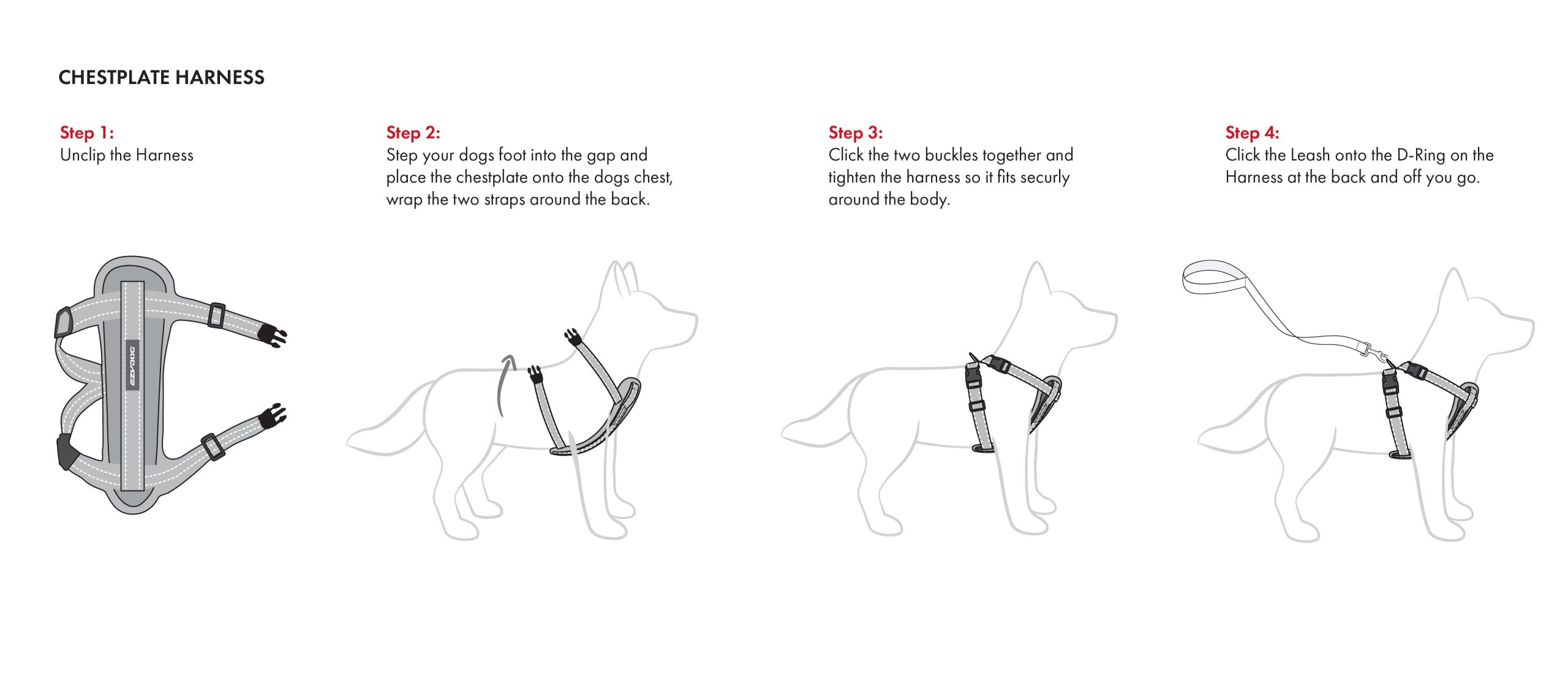
Start by examining the harness. Identify the front and back, and make sure all straps are untangled. Invite your dog to sit or stand calmly. If your dog is nervous, try offering a treat for encouragement. Slide the harness over your dog’s head, ensuring the D-ring is positioned on the back. This is where you will attach the leash. Guide the front strap under your dog’s chest and fasten the side buckles. Double-check that all straps are secure.Adjusting For A Secure Fit
Ensure the harness fits snugly. You should be able to slide two fingers between the harness and your dog’s body. Adjust the straps as needed for comfort. Loose straps can lead to escapes, while overly tight ones might irritate the skin. Observe your dog’s reaction. Are they moving comfortably? If not, make slight adjustments for ease of movement. Listen to your dog’s feedback. If they’re trying to wriggle out or seem uncomfortable, reassess the fit. A harness should feel natural to your dog. Wouldn’t you adjust your own backpack if it felt off? Pay attention to the details for a happy, wagging tail.Using The Harness On Walks
Proper use of a dog harness can ensure safe and enjoyable walks. First, adjust the harness for a snug fit. Secure all clips and check for comfort.
Using a dog harness on walks can transform the experience for both you and your furry companion. Unlike traditional collars, harnesses distribute pressure evenly across your dog’s chest, reducing the risk of injury and providing better control. Whether you’re strolling through the park or navigating busy streets, a harness can make walks safer and more enjoyable. Have you ever wondered if you’re truly maximizing its benefits?Managing Leash Tension
Balancing leash tension is crucial for a smooth walk. Too much slack can lead to tangled leashes and unexpected lunges, while excessive tension might make your dog uncomfortable. Find a sweet spot where the leash is gently taut but not pulling. This keeps you in control without hindering your dog’s natural movement. Try practicing in a quiet area before heading out to busier spots. This helps both you and your dog get accustomed to the right level of tension.Training With A Harness
Harnesses offer an excellent opportunity for training. They provide clear feedback to your dog, which helps in teaching commands like “heel” or “stop.” Begin with short sessions to keep your dog focused. Gradually increase the duration as they get better at responding to commands. Reward positive behavior consistently. Treats or verbal praise can reinforce good habits, making walks a positive experience for your dog. By integrating these techniques, you not only enhance your walks but also strengthen the bond with your dog. What changes have you noticed in your walks since using a harness?Maintenance And Care
Proper maintenance ensures your dog’s harness stays effective and comfortable. Regularly check for wear and clean it. Adjust the fit to match your dog’s growth or weight changes.
Caring for your dog harness is crucial to ensure its longevity and safety for your furry friend. Proper maintenance not only keeps the harness in good condition but also guarantees your pet’s comfort and security during walks. Let’s dive into how you can keep your dog’s harness in top shape.Cleaning The Harness
Regular cleaning is essential to prevent odors and maintain the quality of the harness. Depending on the material, some harnesses can be machine-washed while others may need hand washing. Always check the manufacturer’s instructions. For harnesses that are machine washable, use a gentle cycle with mild detergent. Avoid using bleach or fabric softeners as they can degrade the material. For hand washing, soak the harness in warm soapy water, scrub gently, and rinse thoroughly. After cleaning, let the harness air dry. Avoid placing it in direct sunlight, as this can cause fading and weaken the fabric. Consider setting a routine—weekly cleaning can keep your harness fresh and durable.Checking For Wear And Tear
Inspect the harness regularly for signs of wear and tear. Look for frayed edges, loose stitching, or any broken parts that could compromise safety. Even minor damage can lead to major issues if left unchecked. Feel the straps with your hands to ensure there are no sharp or rough spots that could irritate your dog’s skin. Pay special attention to buckles and clips, ensuring they fasten securely. If you notice any damage, it’s best to replace the harness immediately. It’s always better to invest in a new harness than to risk your dog’s safety. How often do you check your dog’s harness? Making it part of your routine can make all the difference. Maintaining your dog’s harness doesn’t have to be a chore. With these simple tips, you can ensure every walk is safe and comfortable for your furry companion.Credit: www.businessinsider.com
Troubleshooting Common Issues
Properly adjusting a dog harness ensures comfort and safety for your pet. Start by checking fit around the chest. Tighten straps evenly, avoiding pinching or discomfort. Secure all clips to prevent slips or escapes. Regularly inspect for wear and replace if needed.
When using a dog harness, you might encounter some common issues that can affect both you and your furry friend’s comfort and safety. Addressing these concerns promptly ensures a pleasant and secure experience for both parties. Let’s dive into some practical solutions to these common harness-related problems.Addressing Discomfort
A dog harness should fit snugly without causing discomfort. If your dog seems uneasy, check the fit first. It should be tight enough to prevent slipping but loose enough to slide two fingers underneath. Consider the material of the harness. Some dogs have sensitive skin that reacts to certain fabrics. Opt for padded or soft materials for added comfort. Observe your dog during walks. If you notice chafing or irritation, adjust the straps and ensure there are no tangled fur or pinched skin. Regularly checking for signs of distress can prevent long-term discomfort.Preventing Escapes
An escaping dog is a nightmare for any pet owner. Ensure the harness is the right size; an improperly fitted harness can easily slip off. Choose a harness with multiple adjustment points. This helps you tailor the fit to your dog’s unique shape, reducing the chance of a breakout. During walks, double-check all buckles and fastenings. A secure harness gives you peace of mind, knowing your dog won’t slip away. Consider using a harness with an additional safety buckle for extra security. Have you ever noticed your dog trying to wriggle out during walks? This can indicate discomfort or fear. Address these underlying issues to ensure your dog feels secure in the harness.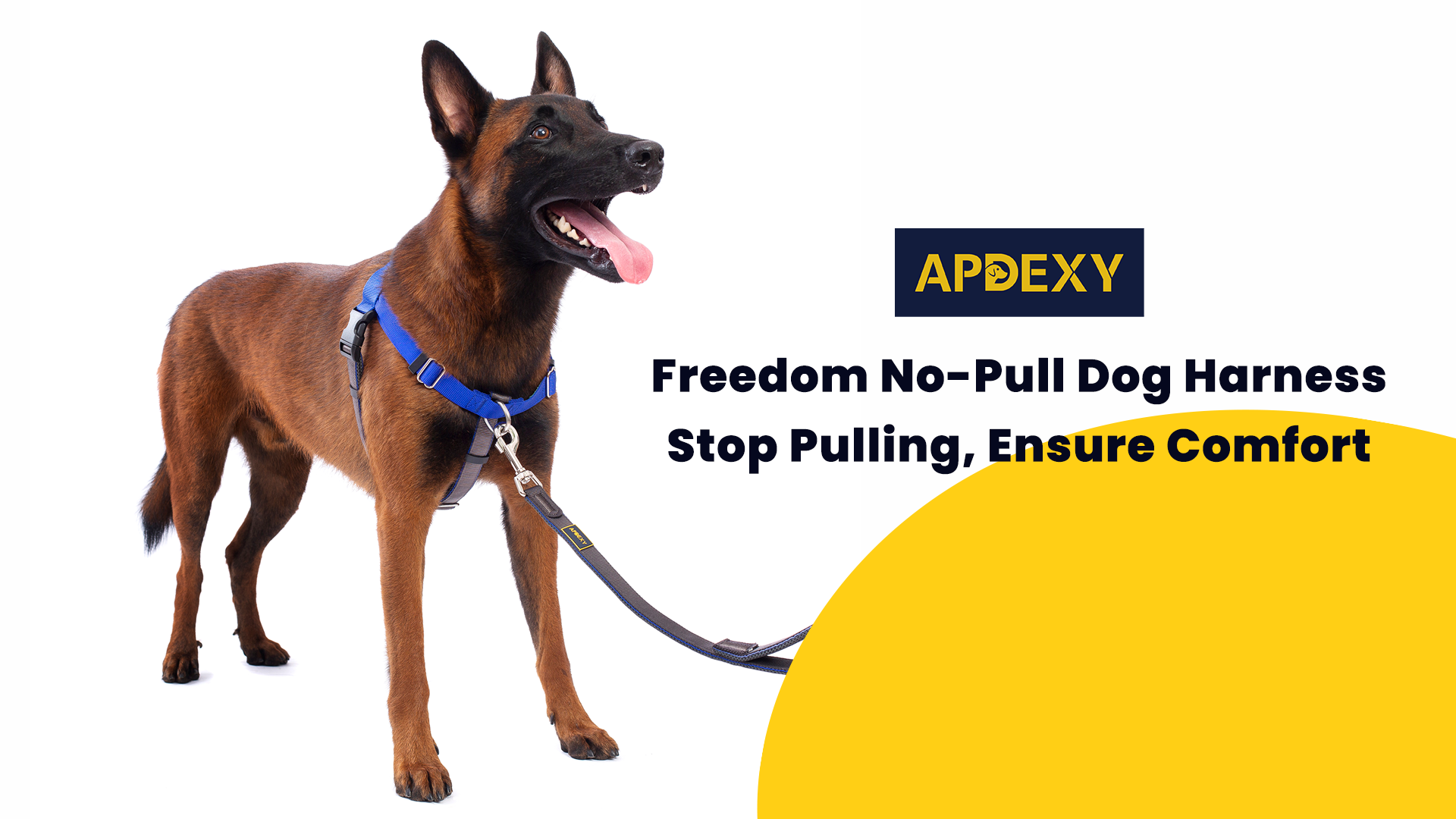
Credit: www.amazon.com
Frequently Asked Questions
How Do I Put On A Dog Harness Correctly?
To correctly put on a dog harness, first loosen all the straps. Slide it over your dog’s head, ensuring the D-ring is on the back. Adjust the straps around the chest and belly for a snug fit. Make sure you can slip two fingers under the straps for comfort.
Can A Dog Harness Be Used All Day?
It’s not recommended to leave a harness on all day. Continuous wear can cause discomfort or irritation. Allow your dog’s skin to breathe by removing the harness when they’re indoors or resting. Ensure regular checks for any signs of chafing or discomfort.
How Do I Choose The Right Size Harness?
To choose the right size harness, measure your dog’s chest and neck. Refer to the manufacturer’s sizing chart for guidance. A properly fitted harness should be snug but not tight. You should be able to fit two fingers under the harness for comfort.
What Type Of Harness Is Best For My Dog?
The best harness depends on your dog’s size and behavior. Front-clip harnesses are great for dogs that pull. Back-clip harnesses are suitable for well-trained dogs. For small breeds, consider a step-in harness. Always choose a harness that distributes pressure evenly and ensures comfort.
Conclusion
Using a dog harness can simplify your daily walks. It offers better control and comfort for your furry friend. Harnesses reduce strain on your dog’s neck. Choose the right size and style for your pup. This ensures safety and ease during outings.
Follow the steps we discussed to fit the harness correctly. Practice patience and positive reinforcement. This helps your dog adjust to wearing it. With these tips, enjoy stress-free adventures with your loyal companion. Happy walking!