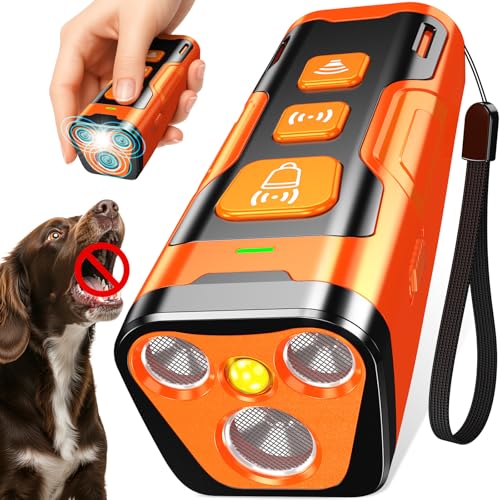
How to Properly Use a Shock Collar on a Dog: Expert Tips
Are you thinking about using a shock collar on your dog, but unsure of how to do it safely and effectively? You’re not alone.
Many dog owners face this dilemma when trying to address behavioral issues. A shock collar, when used properly, can be a helpful tool in training your furry friend, but misuse can lead to fear, anxiety, and pain for your pet.
This is why it’s crucial to understand the correct methods before you begin. You’ll discover practical tips to ensure you’re using the shock collar in a way that is both humane and beneficial for your dog. By the end, you’ll feel confident in your ability to train your dog while ensuring their safety and well-being. Let’s dive in and learn how to make this training tool work for you and your beloved pet.

Credit: www.tiktok.com
Choosing The Right Shock Collar
Selecting the right shock collar requires understanding your dog’s needs. Ensure the collar fits comfortably and is used responsibly. Training should focus on positive reinforcement, with the collar as a supportive tool, not a primary method.
Choosing the right shock collar for your dog is essential for ensuring both effective training and your pet’s safety. With so many options available, it can be overwhelming to decide which one to choose. Understanding the different types and features can help you make an informed decision that best suits your dog’s needs and your training goals.Types Of Shock Collars
Shock collars come in various types, each designed for specific training needs. Basic shock collars deliver a static shock to deter unwanted behavior, while more advanced models offer additional features like vibration and sound. Remote-controlled collars allow you to manually administer corrections, providing more control over the training process. Bark control collars automatically respond to your dog’s barking, which can be helpful if you’re not always around to monitor them. Boundary collars, also known as invisible fence collars, are useful for keeping your dog within a designated area without a physical fence.Features To Consider
When selecting a shock collar, it’s important to consider the features that will best support your training efforts. Look for a collar with adjustable intensity levels to tailor the correction to your dog’s size and temperament. A rechargeable battery can save you money and hassle in the long run, ensuring that the collar is always ready when you need it. Consider models with waterproof capabilities if your dog enjoys swimming or playing in wet conditions. Also, check for safety features like automatic shut-off, which prevents prolonged exposure to static correction.Size And Fit
The size and fit of the shock collar are crucial to its effectiveness and your dog’s comfort. A collar that’s too tight can cause discomfort or injury, while one that’s too loose may not function correctly. Measure your dog’s neck accurately and choose a collar that offers adjustable sizing to ensure a snug yet comfortable fit. Consider the collar’s weight, especially for smaller dogs, as a heavy collar might be cumbersome. Always check the manufacturer’s size guide and try the collar on your dog to ensure it fits well before starting training. Choosing the right shock collar involves careful consideration of these factors. By understanding the types, features, and fit, you can make a decision that supports your training goals while keeping your furry friend safe and comfortable. What features matter most to you in a shock collar?Understanding Shock Collar Functions
Understanding how a shock collar works is essential for effective training. Proper use involves setting the collar to the lowest effective level and rewarding positive behavior. This helps reinforce commands without causing distress to the dog.
Understanding Shock Collar Functions Navigating the world of shock collars can feel overwhelming. Understanding their functions is key to ensuring they’re used effectively and safely. By familiarizing yourself with the different features, you can make informed decisions that will benefit both you and your furry friend.Intensity Levels
Shock collars come with adjustable intensity levels. This allows you to find the right setting for your dog’s temperament and size. It’s crucial to start at the lowest setting and gradually increase if necessary. What works for a larger breed might be too harsh for a smaller one. You might wonder, “How can I tell if the intensity is too high?” Look for signs of distress like yelping or excessive fear. Always prioritize your dog’s comfort and well-being.Modes Of Operation
Many shock collars offer multiple modes: shock, vibration, and sound. Each mode serves a different purpose. For instance, vibration can be used for a gentle reminder, while sound might be ideal for alerting your dog without physical correction. Consider what behavior you want to modify. Is it a minor nuisance or a serious issue? Choose the mode that aligns best with your training goals. Experimenting with different modes can reveal what your dog responds to best.Safety Features
Safety should never be compromised when using a shock collar. Look for collars with built-in safety features such as automatic shut-off to prevent prolonged exposure. These features are designed to protect your dog from potential harm. Make sure to regularly check the collar’s fit and battery life. A poorly fitted collar can cause discomfort or even injury. How often do you inspect your dog’s collar? Regular checks can prevent unexpected issues. Remember, a shock collar is just one tool in your training toolkit. Combining it with positive reinforcement and patience will yield the best results.Training Principles With Shock Collars
Using a shock collar on a dog requires careful technique. Start with the lowest setting to avoid harm. Consistent training and positive reinforcement are crucial for effective results.
Understanding the training principles behind using a shock collar is crucial for achieving a positive outcome in your dog’s behavior. Shock collars are tools, not solutions, and their effectiveness hinges on how well they are integrated into a broader training strategy. It’s not just about pressing a button; it’s about fostering a relationship built on trust, communication, and mutual respect. As you embark on this training journey, consider these essential principles to ensure your approach is both humane and effective.Positive Reinforcement Techniques
Incorporating positive reinforcement alongside a shock collar can create a balanced training regimen. Rewarding your dog for good behavior encourages them to repeat those actions. For example, if your dog responds correctly to a command, provide a treat or verbal praise. This not only reinforces the command but also associates positive feelings with the training process. Could your dog benefit from more rewards during training?Timing And Consistency
Timing is everything when using a shock collar. The correction must be immediate so that your dog can link it directly to their behavior. Consistency is equally important; using the collar sporadically can confuse your pet and undermine training. Consistent timing helps create clear expectations for your dog. Are you consistent enough to make a lasting impact?Building Trust And Communication
Trust is the foundation of any successful training program. Shock collars should be used as a means to enhance communication, not instill fear. Spend time engaging with your dog in activities they enjoy, strengthening the bond beyond training sessions. This builds trust, making your dog more receptive to your commands and corrections. How strong is your communication with your dog?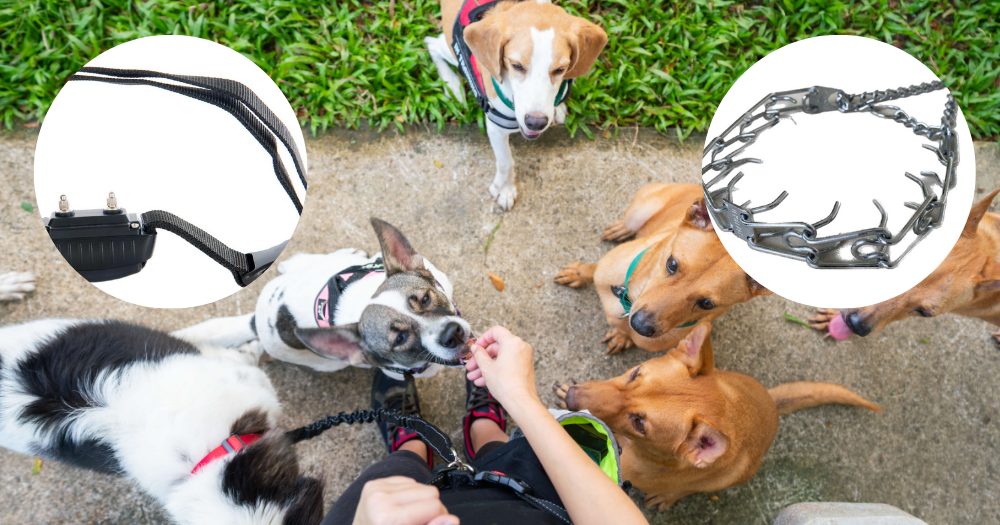
Credit: mothership.sg
Common Mistakes To Avoid
Using a shock collar on a dog can be effective if done correctly. Many pet owners make mistakes that can harm the dog and hinder training. It’s important to understand these common pitfalls to ensure the safety and well-being of your furry friend. Here are some key mistakes to avoid for a positive training experience.
Overuse Of Shock
Overusing the shock feature can lead to fear and anxiety in dogs. It’s tempting to use it frequently, but this can cause more harm than good. Aim to use the shock sparingly, only when necessary. Constant shocks can make your dog nervous and less responsive. Limit usage to specific behaviors that need correction.
Ignoring Dog’s Signals
Dogs communicate through body language and sounds. Ignoring these signals can be detrimental during training. Pay attention to signs of distress, such as whining or cowering. These indicate discomfort and should prompt a review of your methods. Understanding your dog’s signals enhances the effectiveness of training.
Using Shock Collar For Punishment
Using the shock collar as a punishment is a common mistake. This approach can lead to fear and aggression, damaging the bond between you and your dog. Shock collars should reinforce positive behavior, not punish negative actions. Focus on rewarding good behavior instead of punishing bad behavior.
Monitoring Progress And Adjustments
Monitoring progress is crucial when using a shock collar on a dog. Observe your dog’s reactions to ensure effective training. Adjust the settings based on behavior and comfort for the best results.
Monitoring progress and adjustments are crucial when using a shock collar on a dog. Every dog responds differently. Understanding their reaction ensures the effectiveness of this training tool. Observing changes helps refine techniques. Regular monitoring assists in identifying areas needing improvement. This approach promotes a balanced and humane training method.Tracking Behavioral Changes
Observe your dog’s behavior closely. Look for signs of stress or discomfort. Notice improvements in obedience or responsiveness. Maintain a journal of daily behaviors. Record positive and negative changes. This helps in understanding patterns. Regular observations guide necessary adjustments.Adapting Techniques
Adjust techniques based on your dog’s responses. If negative reactions occur, modify your approach. Use the collar less frequently if needed. Experiment with different settings. Tailor methods to suit your dog’s temperament. This ensures a supportive training environment.Consulting Professional Trainers
Seek guidance from professional trainers. They offer valuable insights. Trainers can suggest alternative methods. Their expertise helps refine techniques. Consult them for challenging behaviors. Their experience aids in achieving desired results safely.Ethical Considerations
Ethical considerations are crucial when using a shock collar on a dog. Prioritize the dog’s well-being and use it as a last resort. Always consult with a professional trainer to ensure humane and effective use.
Ethical considerations are at the heart of any decision to use a shock collar on a dog. It’s crucial to weigh the potential benefits against the possible harm to your furry friend. As you navigate these waters, it’s important to consider not just the effectiveness, but also the moral implications of using such a device.Debates On Shock Collar Use
The use of shock collars has sparked significant debate among dog owners, trainers, and animal welfare advocates. Some argue that these collars can effectively deter unwanted behaviors quickly. However, others raise concerns about the emotional distress and fear they may cause in dogs. You might wonder if a quick result justifies the potential stress or harm. Can behavioral issues be resolved without compromising your dog’s emotional well-being?Alternatives To Shock Collars
There are several alternatives to using shock collars that may align better with your ethical views. Positive reinforcement training is a popular method, rewarding your dog for good behavior rather than punishing bad behavior. Consider clicker training, which uses a sound to mark desired behaviors, followed by a reward. This method encourages learning in a stress-free environment.Ensuring Dog Welfare
Ensuring your dog’s welfare should be your top priority when considering training methods. Observe your dog’s reactions closely if you decide to try a shock collar. Are they showing signs of anxiety or fear? Always consult with a professional dog trainer or veterinarian. Their expertise can guide you towards methods that prioritize your dog’s health and happiness. Is the quick fix of a shock collar worth the potential impact on your dog’s overall well-being?Safety Precautions
Using a shock collar on your dog requires careful consideration and responsible practices to ensure their safety and well-being. It’s essential to prioritize safety precautions to prevent harm and foster positive behavior training. Here are key safety measures to keep in mind when using a shock collar.
Proper Collar Placement
Ensuring the shock collar is correctly placed is vital. Position the collar high on your dog’s neck, just beneath their ears. This helps achieve consistent contact with the skin, avoiding slipping or causing discomfort.
Check the fit regularly. The collar should be snug but not too tight. You should be able to slide two fingers between the collar and your dog’s neck.
Using a personal experience, remember the time when your friend placed the collar too low, causing irritation. Avoid these mistakes for your dog’s comfort.
Regular Equipment Checks
Regularly inspect the shock collar for wear and tear. Damaged equipment can malfunction and harm your dog. Make it a habit to check the battery, ensuring it’s fully charged to deliver consistent signals.
Examine the contact points for rust or dirt buildup. Clean them as needed to ensure proper functionality and hygiene.
Would you trust faulty equipment with your dog’s safety? Regular checks prevent unexpected issues.
Recognizing Stress Signals
Observe your dog closely for signs of stress or discomfort. Look for behaviors like excessive panting, drooling, or avoidance when the collar is in use.
If your dog exhibits stress signals, reconsider the collar’s settings or consult a professional. Not all dogs respond the same way to shock collars.
Remember, your dog can’t verbally express discomfort. It’s up to you to understand their body language and act accordingly.
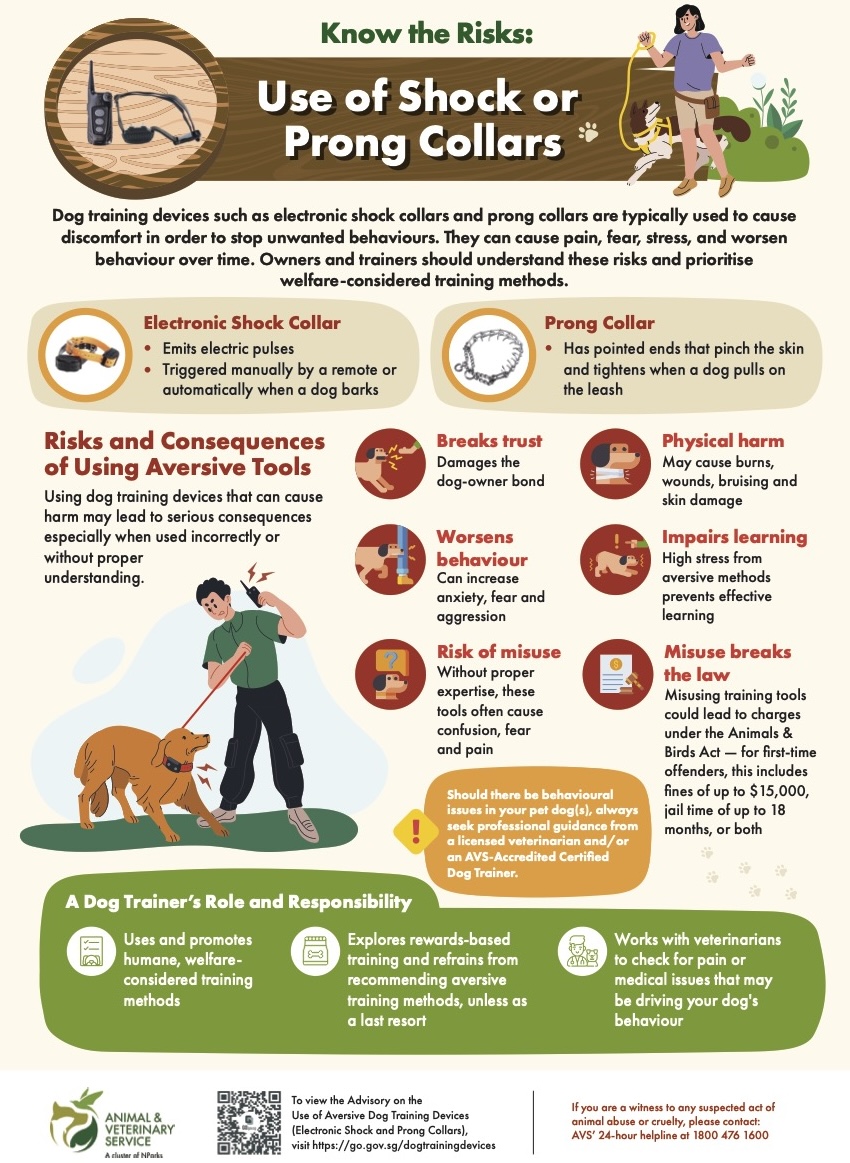
Credit: mothership.sg
Frequently Asked Questions
What Is A Shock Collar For Dogs?
A shock collar is a training device for dogs. It uses electrical stimulation to correct unwanted behaviors. When used properly, it can be an effective training tool. However, misuse can harm your pet. It’s essential to follow guidelines and consult professionals before using it.
How Do You Fit A Shock Collar?
To fit a shock collar, ensure it’s snug but not too tight. It should sit high on the neck, with the contact points touching the skin. Check the fit regularly, especially with growing dogs. Proper fitting ensures effective training and prevents discomfort or injury.
Are Shock Collars Safe For Dogs?
Shock collars can be safe if used correctly and responsibly. They should only be used as a last resort, with professional guidance. Misuse can lead to anxiety, aggression, or physical harm. Always prioritize positive reinforcement training methods before considering a shock collar.
Can Shock Collars Help With Dog Training?
Yes, shock collars can aid in training by correcting unwanted behaviors. However, they should be used cautiously and as part of a comprehensive training plan. It’s crucial to understand your dog’s needs and consult a professional trainer for best results.
Positive reinforcement is often more effective.
Conclusion
Using a shock collar requires responsibility and understanding. Always prioritize your dog’s safety. Start with the lowest setting to avoid harm. Observe your dog’s reactions closely. Positive reinforcement should always accompany training. Consistency is key to successful training. Never leave the collar on for extended periods.
Consult a professional if unsure about usage. Training should be a positive experience for your dog. Remember, patience and care lead to better results. Your dog deserves a safe and loving environment. Always strive for trust and mutual respect in your training journey.