Imagine you’re taking your dog for a walk, enjoying the fresh air and the wagging tail beside you. Suddenly, a stranger approaches, eager to pet your furry friend.
This scenario, while common, isn’t always ideal for every dog. You want to ensure your pet feels safe and secure, and sometimes, that means setting boundaries for interaction. That’s where the “Do Not Pet” dog harness comes into play. It’s more than just a tool; it’s a statement of your dog’s needs and your commitment to their comfort.
You’ll discover how this simple harness can transform your outings, empowering you with peace of mind and offering your dog the tranquility they deserve. Dive in and learn how to make your walks more enjoyable for both you and your pet.
Choosing The Right Harness
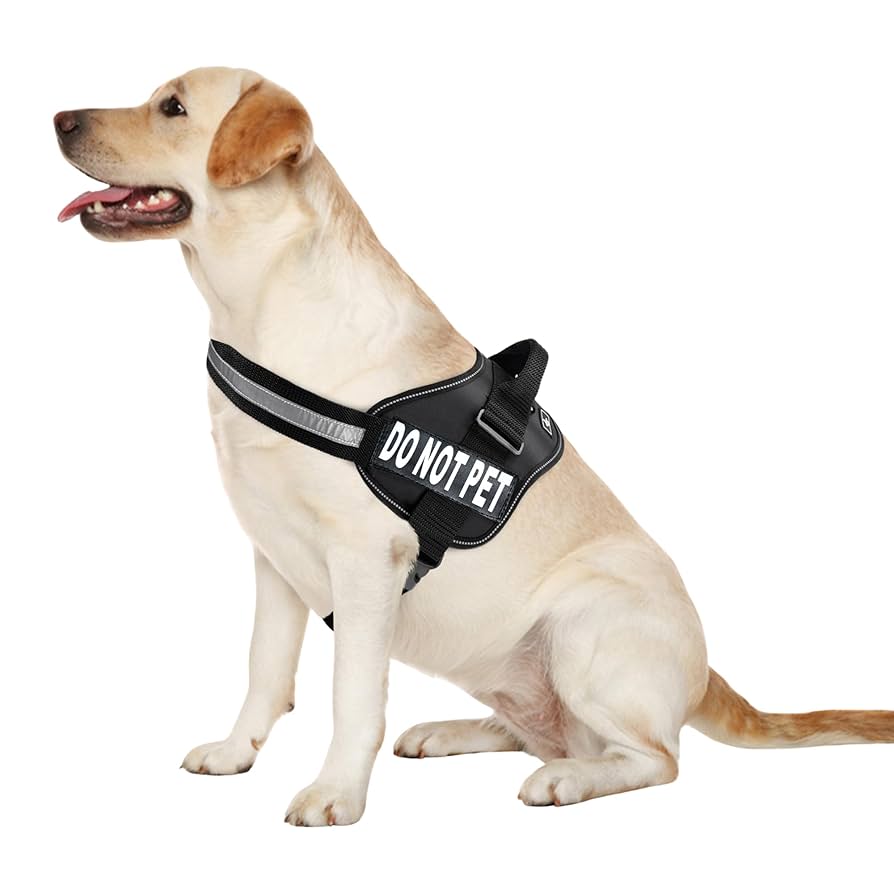
Selecting a “Do Not Pet” dog harness can help communicate your dog’s need for space. This harness clearly signals others to give your dog room, ensuring a safer environment. Ideal for training or anxious dogs, it prevents unwanted interactions and enhances your pet’s comfort.
Choosing the Right Harness Selecting the perfect ‘Do Not Pet’ dog harness is more than just picking a stylish accessory. It’s about ensuring your dog’s safety and comfort while sending a clear message to those around you. The right harness can make a world of difference in your daily walks and interactions.Size And Fit Considerations
The importance of size and fit cannot be overstated. A harness that is too tight can cause discomfort, while one that’s too loose might not effectively communicate your message. Measure your dog’s chest and neck accurately to find the best fit. Have you ever noticed your dog wriggling out of a poorly fitted harness? It’s not just frustrating; it can be dangerous. Ensure the harness is snug, yet comfortable, allowing you to slip two fingers between the harness and your dog’s skin.Material And Durability
When it comes to material, durability is key. You want a harness that can withstand the wear and tear of daily use. Nylon and polyester are popular choices known for their strength and resilience. Consider the conditions you and your dog often find yourselves in. If you frequently go on hikes or walks in the rain, a water-resistant harness could be ideal. The durability of the harness ensures it will last longer, saving you money and providing peace of mind. Remember, a good harness does more than just fit well and last long; it should also reflect your dog’s personality and needs. What qualities do you prioritize in a harness?Benefits Of ‘do Not Pet’ Harness
A ‘Do Not Pet’ dog harness is a valuable tool for dog owners. It signals to others that your dog should not be approached or touched. This can be beneficial for various reasons, including preventing stress for your dog. It also helps in managing your dog’s behavior in public spaces.
Preventing Unwanted Attention
Many dogs feel anxious around strangers. Some dogs are working or service animals with specific tasks. A ‘Do Not Pet’ harness clearly communicates these needs. It helps by reducing unwanted interactions. Passersby are less likely to approach or attempt to pet your dog. This reduces stress for the dog and the owner.
Enhancing Dog’s Comfort
The harness is designed with comfort in mind. It is typically made from soft materials. This ensures your dog can wear it for extended periods. The harness also distributes pressure evenly. This prevents discomfort and allows for free movement. Your dog can walk, run, and play without restriction.
Training Your Dog With The Harness
Training a dog requires patience and the right tools. A “Do Not Pet” harness can help in this process. It sends a clear message to others and supports training efforts. This harness can improve focus and obedience.
Introducing The Harness
Start by familiarizing your dog with the harness. Let them sniff and inspect it. Show them it is safe and comfortable. Gradually put the harness on for short periods. Reward them with treats and praise. This helps them associate the harness with positive experiences.
Reinforcing Commands
Use the harness during command training sessions. Its clear message reduces distractions. Focus on basic commands like “sit,” “stay,” and “come.” Consistency is key. Repeat these commands with the harness on. Use a firm voice and offer treats for correct actions. This strengthens their understanding.

Credit: www.amazon.com
Safety Tips For Using The Harness
Using a ‘Do Not Pet’ dog harness is a great way to ensure your dog’s safety while communicating a clear message to those around you. However, simply putting the harness on your dog is not enough. It’s crucial to understand how to use it correctly to maximize safety for both you and your furry friend. Here are some essential safety tips that will help you make the most out of your ‘Do Not Pet’ dog harness.
Ensuring Secure Attachment
Before each walk, check the harness for a snug fit. You should be able to fit two fingers between the harness and your dog’s body.
Make sure all buckles and straps are securely fastened. A loose harness can slip off, putting your dog at risk.
Consider adding a double-ended leash for added security. This provides control at both the chest and the back, offering more stability.
Monitoring Wear And Tear
Regularly inspect the harness for signs of damage. Look for fraying, broken buckles, or weakened material.
Replace the harness immediately if you spot any defects. A compromised harness can fail when you least expect it.
Keep an eye on how your dog reacts to the harness. If they seem uncomfortable or agitated, it might be time for a new one.
Have you ever had your dog’s harness break during a walk? Share your experiences and tips for choosing a durable harness in the comments below!
Common Mistakes To Avoid
Using a “Do Not Pet” dog harness can help protect your pet’s space. But many people make mistakes when choosing or using them. These errors can reduce the harness’s effectiveness. Let’s explore some common mistakes to avoid.
Incorrect Size Selection
Choosing the wrong size harness can lead to discomfort or escape. Measure your dog’s chest and neck before buying. Follow the manufacturer’s size guide closely. A harness that’s too tight can cause pain. One that’s too loose might slip off. Double-check measurements for the best fit.
Overlooking Visibility Features
Visibility features are crucial for safety. Reflective strips help others see your dog at night. Bright colors make your dog stand out during the day. Many people skip these features, risking their dog’s safety. Choose a harness with visible elements to keep your pet safe.

Credit: www.amazon.com
Harness Maintenance And Care
Keeping your dog’s harness in good condition is essential. Regular maintenance ensures safety and durability. This section provides practical tips for cleaning and inspecting your dog’s harness.
Cleaning Guidelines
Proper cleaning extends the life of a dog harness. Start by checking the label for any specific instructions. Most harnesses are machine washable. Use a gentle cycle with cold water. Avoid using harsh detergents. They can damage the fabric. For stubborn stains, spot-clean with mild soap. Rinse thoroughly and let it air dry. Avoid direct sunlight. It might weaken the material.
Inspecting For Damage
Regular inspections prevent accidents. Check the harness for frayed edges. Examine the buckles and clips. Make sure they function smoothly. Inspect stitching for loose threads. Replace damaged parts promptly. A quick inspection before each use keeps your dog safe.

Credit: www.amazon.com
Frequently Asked Questions
What Is A “do Not Pet” Dog Harness?
A “Do Not Pet” dog harness is designed to signal others not to approach your dog. It typically features bold lettering or symbols indicating the dog should not be disturbed. This is especially useful for working dogs, anxious dogs, or dogs in training.
Why Use A “do Not Pet” Dog Harness?
Using a “Do Not Pet” harness helps maintain your dog’s focus and safety. It clearly communicates to others that your dog needs space. This is particularly beneficial for dogs that are nervous or reactive, ensuring they remain calm and undistracted.
Are “do Not Pet” Harnesses Effective?
Yes, “Do Not Pet” harnesses are effective in preventing unwanted interactions. They provide a clear visual cue for people to maintain their distance. This helps in managing situations where your dog might get anxious or overwhelmed by unsolicited attention.
Can Any Dog Wear A “do Not Pet” Harness?
Yes, any dog can wear a “Do Not Pet” harness if needed. It is especially useful for service dogs, reactive dogs, or those in training. It’s important to ensure the harness fits properly for comfort and effectiveness.
Conclusion
Choosing a “Do Not Pet” dog harness can make walks stress-free. It signals others to respect your dog’s space. This helps keep your dog calm and focused. A clear message on the harness prevents unwanted interactions. It’s a great tool for training or anxious dogs.
Always ensure the harness fits well and is comfortable. Your dog’s safety and comfort come first. Enjoy peaceful walks with your furry friend. Remember, a simple tool can make a big difference. Keep your dog happy and stress-free with the right harness.


