What Can I Use to Brush My Dog’s Teeth: Best Tools
Senior Canine Nutritionist & Dog Behavior Specialist at Cozy Dog Go Wellness Lab
Have you ever wondered how to keep your dog’s teeth clean and healthy? Just like humans, dogs need regular dental care to prevent issues like plaque buildup, gum disease, and bad breath.
You might be surprised to learn that brushing your dog’s teeth is one of the best ways to maintain their oral hygiene. But what can you use to brush your dog’s teeth effectively? With so many options on the market, choosing the right tools can be overwhelming.
You’ll discover simple solutions and learn which products can make brushing your dog’s teeth a breeze. Stick around to find out how you can ensure your furry friend has a sparkling smile and a healthier life.
Importance Of Dental Care For Dogs
Dental care is crucial for your dog’s overall health. Neglecting their teeth can lead to serious health issues. Poor dental hygiene can cause gum disease, tooth loss, and infections. These problems can spread to other parts of the body. Regular dental care keeps your dog healthy and happy.
Understanding The Risks Of Poor Dental Hygiene
Dogs with poor dental hygiene face many risks. Plaque buildup can turn into tartar. Tartar leads to gum disease, known as gingivitis. In severe cases, this can develop into periodontal disease. This condition can cause pain and tooth loss. Bacteria from infected gums can enter the bloodstream. This can harm vital organs like the heart and kidneys.
Benefits Of Regular Dental Care
Regular dental care prevents many health issues. It reduces the risk of gum disease and infection. Clean teeth mean fresher breath and better oral health. Regular brushing also strengthens the bond between you and your dog. It shows you care for their well-being.
Signs Your Dog Needs Dental Attention
Look for signs of dental problems in your dog. Bad breath is often the first sign. Other signs include red or swollen gums, difficulty eating, and pawing at the mouth. Loose or missing teeth also indicate dental issues. If you notice any of these signs, consult your vet.
How To Start A Dental Care Routine
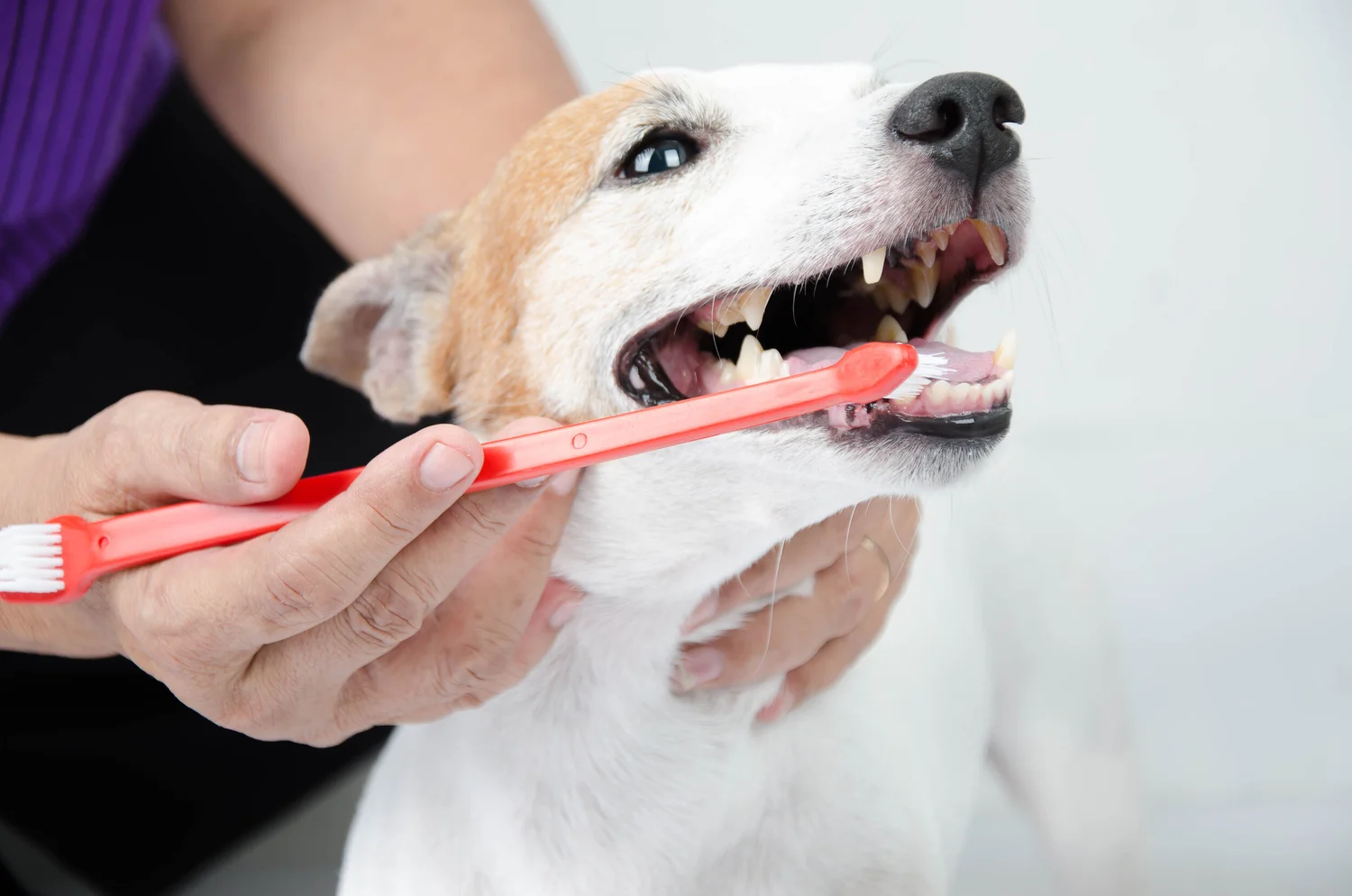
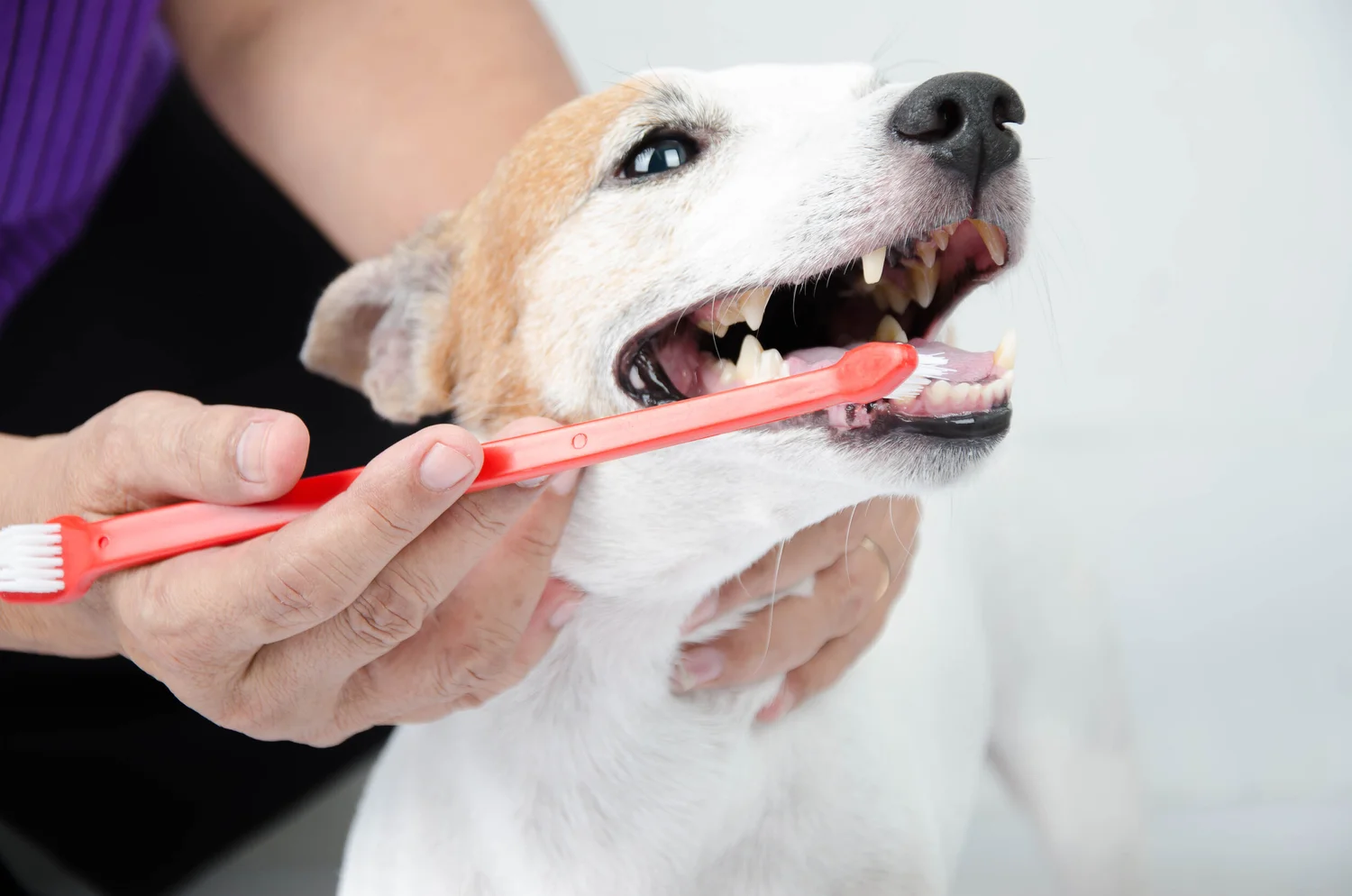
Starting a dental care routine is simple. Introduce brushing gradually. Use a soft-bristled toothbrush designed for dogs. Choose a toothpaste made for pets. Human toothpaste can harm your dog. Be gentle and patient. Reward your dog with praise and treats.

Credit: www.amazon.com
Choosing The Right Toothbrush
Choosing the right toothbrush for your dog is crucial for their dental health. A good toothbrush helps remove plaque and prevents gum disease. Different types of toothbrushes suit various needs and preferences. Understanding the options will help you make the best choice for your furry friend.
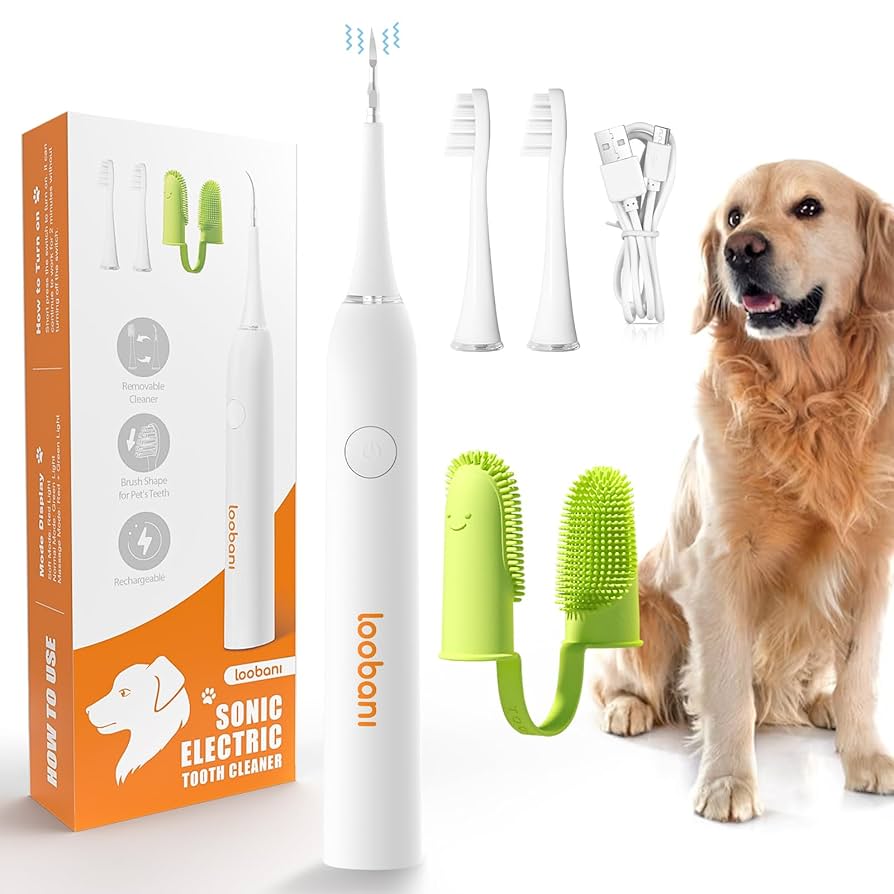
Finger Brushes
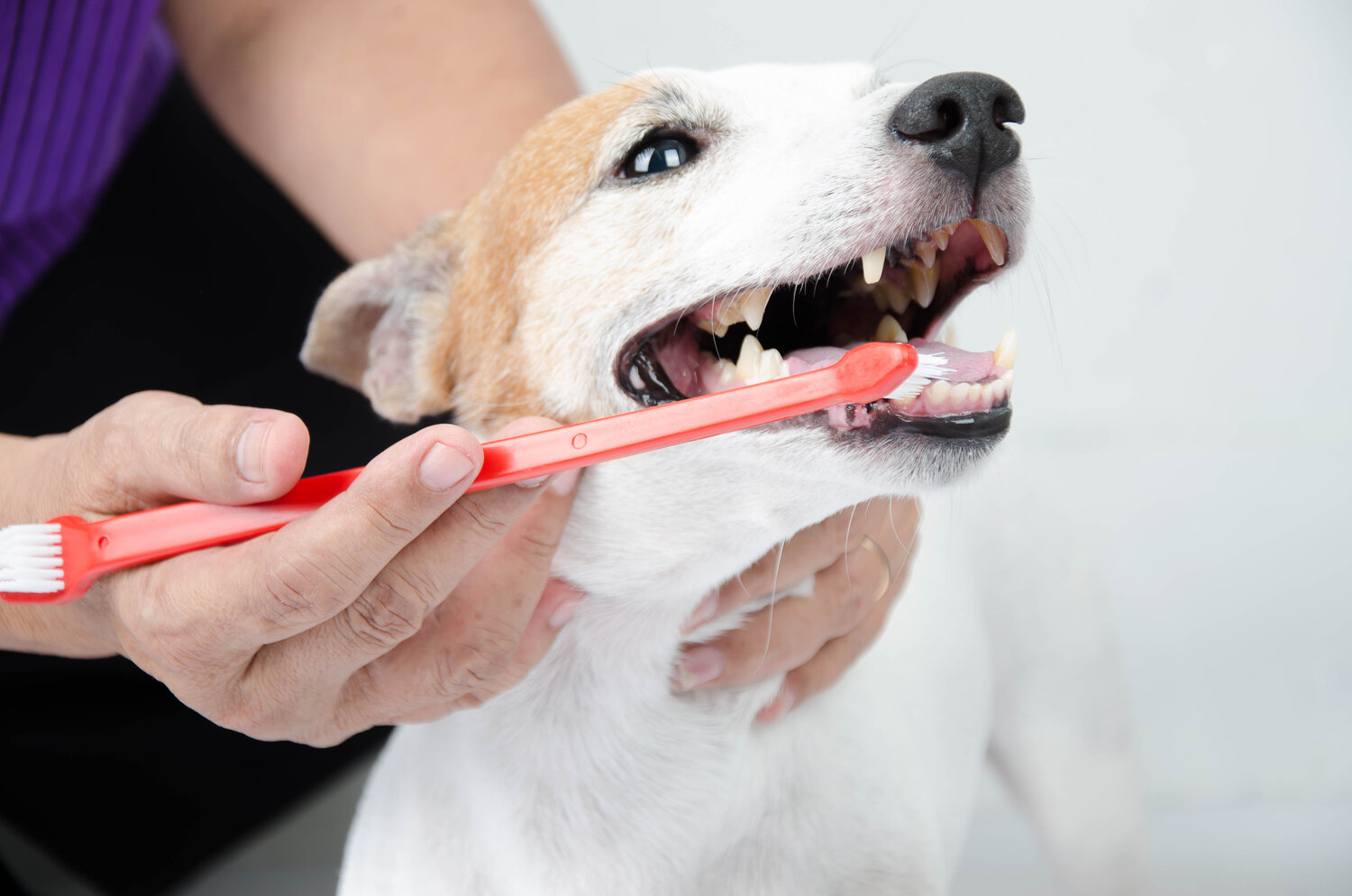
Finger brushes are popular for their easy use and control. They fit over your finger, allowing you to gently brush your dog’s teeth. This type is great for pets new to brushing. It offers direct contact and helps clean hard-to-reach areas.
Dual-head Brushes
Dual-head brushes have two brush heads at different angles. They clean both sides of the teeth at once. This design saves time and ensures thorough cleaning. It is ideal for larger dogs with wide mouths. The different angles help reach all surfaces.
Electric Toothbrushes For Pets
Electric toothbrushes provide a deep clean with minimal effort. They are designed specifically for pets, with gentle vibrations suitable for sensitive gums. These brushes can be more efficient than manual ones. They are perfect for dogs with a lot of plaque buildup. Electric options might require some time for pets to adjust.
Dog-friendly Toothpaste Options
Choosing the right toothpaste for your dog’s dental care is crucial for maintaining their oral health. While you might be tempted to use your own toothpaste, it’s important to know that human toothpaste can be harmful to dogs. Fortunately, there are several dog-friendly toothpaste options available, designed specifically to cater to your furry friend’s needs. Let’s explore some of these options that can make tooth brushing a pleasant experience for your dog.
Flavored Toothpaste
Dogs are more likely to tolerate tooth brushing if the toothpaste tastes good to them. Many brands offer flavored toothpaste that can make the process more enjoyable for your pet. Popular flavors include chicken, beef, peanut butter, and even mint. These flavors can entice your dog and make brushing an event they look forward to. Consider trying different flavors to see which one your dog prefers. You might be surprised by how much a little flavor can change your dog’s attitude towards dental hygiene.
Natural And Organic Toothpaste
If you’re conscious about using natural products, there are several organic toothpaste options available for dogs. These products often contain ingredients like aloe vera, baking soda, and essential oils. They focus on cleaning teeth without the use of artificial additives. Natural toothpaste is not only gentle on your dog’s teeth but also on the environment. This option is perfect for pet owners who prefer eco-friendly solutions. Have you ever checked the ingredient list on your dog’s toothpaste? It might be time to make the switch to natural for a healthier choice.
Alternatives To Traditional Toothbrushes
Consider using finger brushes designed for dogs. These are soft and fit over your finger for easy control. Dental wipes are another option, helping to remove plaque gently. For a natural approach, gauze wrapped around your finger can also clean your dog’s teeth effectively.
Brushing your dog’s teeth is essential for their health, but not all pets are comfortable with traditional toothbrushes. Luckily, there are several alternatives that can make this task easier and more enjoyable for both you and your furry friend.Dental Wipes
Dental wipes are a convenient option for maintaining your dog’s oral hygiene. These wipes are specially designed to clean your dog’s teeth and gums. They can be particularly useful for dogs that resist traditional brushing. Using dental wipes is simple. Wrap the wipe around your finger and gently rub your dog’s teeth and gums. The texture of the wipe helps remove plaque and bacteria. Plus, they often come flavored, making the experience more pleasant for your pet. Have you ever tried using dental wipes? They can be a great addition to your dog’s dental care routine without the stress of a brush.Dental Sprays And Gels
Dental sprays and gels offer another alternative to traditional brushing. These products are easy to apply and can help reduce plaque and tartar buildup. Simply spray or apply the gel directly onto your dog’s teeth and let the product work its magic. Some sprays and gels contain enzymes that actively break down harmful substances in your pet’s mouth. Imagine reducing the hassle of brushing while still maintaining your dog’s oral health. Wouldn’t that be a relief? Dental sprays and gels could be the solution you’re looking for. Exploring these alternatives can transform your dog’s dental care routine, making it easier for you and more comfortable for them. Why not try them out and see how your pet responds?Additional Dental Care Tools
Proper dental care is vital for your dog’s health. Regular brushing is important, but additional tools can enhance their dental hygiene. These tools offer easy and enjoyable ways to keep your dog’s teeth clean and healthy.
Chew Toys With Dental Benefits
Chew toys do more than entertain. They help clean your dog’s teeth. As your dog chews, these toys scrub away plaque. Choose toys designed for dental care. They often have textures that reach between teeth. Materials like rubber or nylon are durable and effective. Always supervise your dog to ensure safety.
Dental Treats And Bones
Dental treats serve a dual purpose. They delight your dog while promoting oral health. These treats are specially formulated to reduce tartar and plaque. Choose treats with natural ingredients for the best results. Bones, especially raw ones, can be excellent for dental care. They encourage chewing, which cleans teeth naturally. Always choose bones appropriate for your dog’s size to avoid choking hazards.
Credit: www.woofpurnayvet.com.au
Tips For Effective Toothbrushing
Use dog-specific toothpaste for safe brushing. A soft-bristled toothbrush or finger brush works well. Regular brushing keeps their teeth healthy and breath fresh.
Brushing your dog’s teeth is crucial for maintaining their dental health, preventing gum disease, and ensuring overall well-being. But how do you make toothbrushing a stress-free experience for both you and your furry friend? Let’s dive into some tips for effective toothbrushing that will keep your dog’s pearly whites shining bright.Creating A Routine
Consistency is key when it comes to brushing your dog’s teeth. Establish a regular schedule that fits well into your daily routine. Start by choosing a time when your dog is relaxed, perhaps after a meal or a walk. This will help them associate toothbrushing with positive experiences. Gradually introduce the brushing process. Initially, let your dog sniff the toothbrush and toothpaste, allowing them to become familiar with these new objects. Over time, your dog will become more comfortable, making the task easier for both of you.Gentle Techniques
Approach toothbrushing with patience and gentleness. Use a toothbrush designed specifically for dogs. These often have softer bristles and are angled for better reach. If your dog is small, consider using a finger brush for more control. Apply dog-friendly toothpaste to the brush. Human toothpaste can harm dogs, so ensure you’re using one with flavors like chicken or peanut butter which they’ll love. Start brushing in circular motions, focusing on the gum line where plaque tends to build up. Praise and reward your dog with treats or affection to reinforce positive behavior. Have you ever tried brushing your dog’s teeth while they were distracted by a toy? This can be an unexpected tip. Sometimes, a favorite toy can keep them occupied just enough to sneak in a quick brush. Would it work for your dog? Remember, the goal is not to complete the task quickly but to make it comfortable and beneficial for your dog. What other techniques have you found effective in keeping your dog’s dental health on track?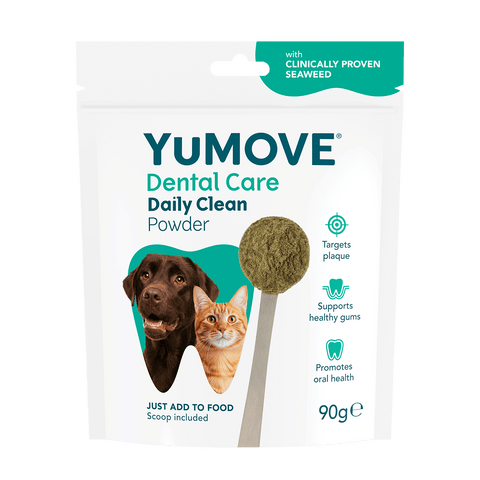
Credit: yumove.co.uk
Frequently Asked Questions
What Are The Best Tools For Brushing Dog Teeth?
The best tools for brushing your dog’s teeth include dog-specific toothbrushes and finger brushes. These are designed to clean effectively without harming your pet’s gums. Pair them with enzymatic toothpaste formulated for dogs, which helps break down plaque and prevent tartar buildup.
Can I Use Human Toothpaste For My Dog?
No, you should not use human toothpaste for your dog. Human toothpaste contains fluoride and other ingredients that can be toxic to dogs. Instead, use toothpaste specifically designed for dogs, which is safe if swallowed and often comes in flavors appealing to them.
Are There Natural Alternatives For Brushing Dog Teeth?
Yes, there are natural alternatives for brushing your dog’s teeth. You can use coconut oil, which has antibacterial properties, or baking soda mixed with water. Dental chews and toys also help reduce plaque naturally. Always consult your vet before trying new methods.
How Often Should I Brush My Dog’s Teeth?
Ideally, you should brush your dog’s teeth daily. Regular brushing helps prevent plaque and tartar buildup, which can lead to dental diseases. If daily brushing isn’t feasible, aim for at least three times a week to maintain good oral health.
Conclusion
Caring for your dog’s teeth is crucial for their health. Regular brushing helps prevent dental issues. Use a soft-bristled brush and dog-friendly toothpaste. These are easy to find at pet stores. Consistency is key. Try to brush your dog’s teeth daily.
Start slow and be patient. Your dog might need time to adjust. Reward them with praise or a treat. This makes the experience positive. Healthy teeth lead to a happy dog. Remember, your vet can offer advice. Keep your furry friend’s smile bright and healthy!

Similar Posts