Do Dogs Groom Each Other? Discover the Surprising Truth!
Have you ever watched your dogs interact and wondered why they seem to groom each other? You might find it heartwarming or maybe even puzzling.
Understanding why dogs groom each other can deepen your connection with your furry friends and reveal fascinating insights into their behavior. Discover how these grooming habits are more than just a cute display of affection; they are vital to their communication and social bonding.
Keep reading to explore how these grooming rituals can strengthen their relationships, impact their health, and even influence your bond with them. Uncover the secrets behind this intriguing behavior and learn how it fits into your dog’s world.

Credit: www.instagram.com
Canine Social Behavior
Canine social behavior is fascinating and complex. Dogs interact in various ways to strengthen their bonds. Grooming is one of these behaviors, playing a crucial role in their social structure. It helps them communicate and maintain harmony within the group.
Pack Dynamics
Dogs are pack animals by nature. In a pack, each member has a role. Grooming serves to reinforce these roles. It helps establish trust and hierarchies. Higher-ranked dogs might groom lower-ranked ones. This act shows acceptance and leadership. Grooming also reduces tension and promotes peace. It is a sign of unity and friendship among pack members.
Communication Methods
Grooming is a subtle form of communication. Dogs use grooming to express affection and care. It is also a way to soothe and relax each other. Through grooming, dogs can convey messages without barking or growling. This quiet interaction is essential in close-knit groups.
Dogs groom each other’s fur, ears, and face. These actions strengthen their bond. Grooming is an intimate activity that builds trust. It shows that they care for each other’s well-being.

Credit: www.youtube.com
Grooming Practices Among Dogs
Dogs display fascinating grooming practices that deepen their social bonds. Observing these behaviors reveals much about canine interactions. Grooming is not just about cleanliness; it’s a vital part of their social structure. Let’s explore how dogs groom each other.
Mutual Grooming
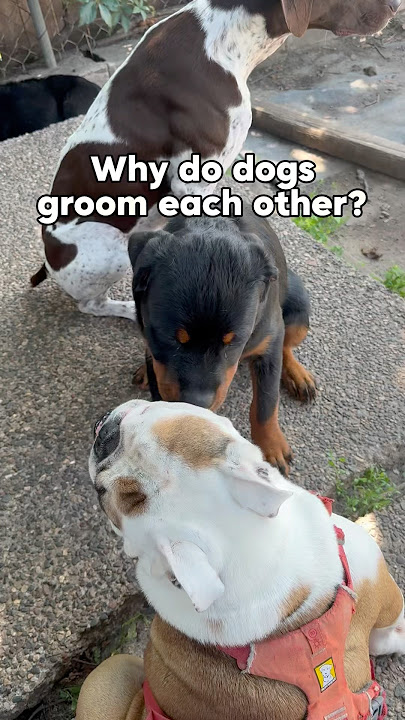
Mutual grooming is a common practice among dogs. It strengthens their relationship and builds trust. Dogs often lick each other’s ears and faces. This behavior is soothing and comforting. It helps reduce stress and anxiety. Mutual grooming also helps in maintaining hygiene. Dogs often groom areas that are hard to reach.
Grooming Vs. Play
Grooming and play can look similar but serve different purposes. Play is more energetic and involves chasing or wrestling. Grooming is calm and focused on care. Dogs might switch from grooming to play quickly. This shows their versatility in interactions. Both activities are essential for their well-being. Understanding these differences helps in interpreting dog behavior.
Reasons For Grooming Each Other
Dogs groom each other to strengthen bonds and show affection. This mutual grooming also helps keep their fur clean. It’s a natural behavior that promotes social harmony within the pack.
Dogs often groom each other for various reasons. This behavior is natural and reflects their social nature. Grooming is not just about cleanliness. It serves deeper purposes within their social structure. Here are some key reasons why dogs engage in mutual grooming.Bonding And Affection
Grooming strengthens the bond between dogs. It acts as a social glue. When one dog grooms another, it shows trust and friendship. This act releases oxytocin, the bonding hormone. It helps them feel more connected. Grooming creates a sense of belonging in the pack. It reassures dogs of their place in the group. This is especially important in multi-dog households.Stress Reduction
Grooming helps reduce stress in dogs. It has a calming effect on them. Dogs often groom each other during stressful situations. It can help soothe anxiety and tension. Grooming releases endorphins, which elevate mood. This shared activity can defuse conflicts in a pack. It creates a peaceful and harmonious environment. Dogs feel more relaxed and content after grooming.Comparative Grooming: Dogs Vs. Other Animals
Dogs and many other animals have unique grooming habits. Grooming is essential for cleanliness and social bonding. Understanding these differences can give insights into animal behavior. Let’s explore how dogs compare to other animals in their grooming rituals.
Similarities And Differences
Dogs groom each other for social bonding and cleanliness. Licking is the primary method they use. It’s similar to how cats groom, but cats use their tongues more precisely. Monkeys groom with their hands, picking dirt and insects from each other’s fur. Birds preen by using their beaks to clean feathers. Each species has adapted grooming to its needs.
Unique Grooming Rituals
Dogs often groom each other’s faces and ears. This shows affection and strengthens pack bonds. Cats, on the other hand, are meticulous in their grooming. They spend hours licking their fur to maintain hygiene. In the wild, lions groom to reinforce social structures. Elephants use their trunks to dust their bodies. Each animal’s grooming style reflects its social and environmental needs.
Implications Of Grooming Behavior
Dog grooming behavior is more than just a cute interaction between furry friends. It holds deeper implications that can impact their health and social dynamics. If you’ve ever watched dogs groom each other, you might wonder about the benefits this behavior brings to their lives. Let’s explore how this natural act plays a vital role in their well-being and relationships.
Health Benefits
Grooming each other can significantly contribute to the physical health of dogs. It helps in removing parasites like ticks and fleas, thus preventing skin infections. A dog might miss these pesky critters when grooming itself, but a buddy can spot them with ease.
Additionally, grooming encourages better blood circulation. As dogs lick and nibble on each other’s coats, it can stimulate the skin, promoting healthier fur growth. Have you noticed how some dogs have shinier coats? Regular grooming from their peers might be the secret behind it.
Social Impacts
Grooming is not just about hygiene; it’s a social bonding activity. Dogs that groom each other often share stronger bonds. This behavior can create a sense of trust and cooperation among them. It’s like the dog version of a handshake or a hug.
Imagine a new dog joining a group. Grooming can be a welcoming gesture, helping the newcomer feel accepted. This interaction can reduce stress and build confidence. Have you ever seen two dogs grooming after a playful fight? It’s their way of reconciling and reinforcing their friendship.
Does your dog often engage in grooming with others? Understanding these implications can help you appreciate the complexity of their interactions and foster a healthier environment for your pet.
Observing Your Dog’s Grooming Habits
Dogs often groom each other as a part of their social interactions. This behavior helps strengthen bonds and establish trust between them. Observing your dog’s grooming habits can reveal important aspects of their health and happiness. Understanding these habits will help you ensure your furry friend is thriving in their environment.
Signs Of Healthy Grooming
Healthy grooming involves specific behaviors that indicate your dog is content and well-adjusted.
- Regular licking and cleaning of their own fur.
- Grooming other dogs in a gentle manner.
- Minimal hair loss or bald spots.
- No signs of skin irritation or redness.
These signs show that your dog is engaging in normal grooming behavior. Healthy grooming is a sign of a well-balanced dog.
When To Intervene
Sometimes, dogs may develop grooming habits that require your attention. Notice if your dog grooms excessively or seems obsessed with one area. These could be signs of anxiety or skin problems.
- Constant licking or biting of the skin.
- Visible wounds or sores from over-grooming.
- Unusual odors coming from the skin or fur.
- Changes in their grooming routine suddenly.
Intervene if these signs appear. Consult a vet to ensure your dog’s health is not compromised.

Credit: tryfurgo.com
Frequently Asked Questions
Do Dogs Groom Each Other Naturally?
Yes, dogs naturally groom each other as a part of their social behavior. This mutual grooming helps strengthen bonds and maintain social hierarchies. It’s a common behavior seen among dogs who live or spend a lot of time together. Grooming can also be a way for dogs to show affection and care.
Why Do Dogs Lick Each Other’s Ears?
Dogs lick each other’s ears as a form of grooming and social bonding. This behavior helps clean hard-to-reach areas, which can prevent infections. It also releases endorphins, promoting relaxation and trust between the dogs. Ear licking can be both a practical and affectionate gesture among canine companions.
Is Mutual Grooming A Sign Of Friendship In Dogs?
Mutual grooming is indeed a sign of friendship among dogs. It indicates trust, affection, and a strong bond between them. When dogs groom each other, they are comfortable and happy in each other’s company. This behavior is often observed in dogs that have established a positive relationship and enjoy being together.
Can Grooming Indicate Dominance In Dogs?
Yes, grooming can sometimes indicate dominance in dogs. A more dominant dog may groom a submissive one to reinforce their social hierarchy. However, grooming is primarily a social and bonding activity. It’s important to observe other behaviors to understand the complete social dynamics between dogs.
Conclusion
Dogs often show love by grooming each other. This behavior strengthens their bond. Mutual grooming is common in dog packs. It helps with health and cleanliness. Dogs feel safe and cared for through grooming. It’s a natural way to express affection.
Observing dogs groom each other is heartwarming. It highlights their social nature. Grooming creates trust among dogs. It’s more than just cleaning; it’s friendship. For dog owners, understanding this behavior is important. It helps in providing a loving environment. So next time you see dogs grooming, know it’s their way of saying, “You matter to me.
”