
Have you ever wondered how to keep your dog’s teeth clean and healthy? You’re not alone.
Many dog owners are curious about the right way to brush their dog’s teeth, and it’s easier than you might think. Imagine your furry friend with a bright, healthy smile and fresh breath. Sounds great, right? This is not just about aesthetics; it’s about ensuring your pet’s overall health.
Dental problems can lead to serious health issues, but you can prevent them with a simple routine. You’ll discover the secrets to making tooth-brushing an enjoyable experience for both you and your dog. From choosing the right tools to mastering the technique, we’ve got you covered. Get ready to unlock the path to a happier, healthier life for your beloved pet.
Importance Of Dental Care For Dogs
Dental care is crucial for your dog’s overall health and happiness. Just like humans, dogs can suffer from dental issues that lead to discomfort and even serious health problems. Regular brushing not only keeps their teeth clean but also helps prevent gum disease and other oral conditions. Imagine your dog being able to chew their favorite toy without any pain or discomfort. Sounds great, right?
Why Dental Care Matters For Dogs
Dogs can’t tell us when they have a toothache, but you can often see the signs. Bad breath, difficulty eating, or inflamed gums are common indicators of dental issues. These problems can lead to more severe health complications like heart disease or kidney problems. Taking proactive steps to brush your dog’s teeth can save them from unnecessary pain and expensive vet visits.
What Happens If You Neglect Your Dog’s Dental Care?
Neglecting dental care can lead to plaque buildup, which eventually hardens into tartar. Tartar can cause gum disease, leading to tooth loss and infections. You wouldn’t want your dog to lose their teeth or experience constant oral pain. Regular brushing is a simple routine that can prevent these issues and keep your dog healthy.
How Often Should You Brush Your Dog’s Teeth?
Consistency is key when it comes to brushing your dog’s teeth. Aim for daily brushing to maintain optimal dental health. If daily brushing seems overwhelming, try to brush at least a few times a week. Establishing a routine can make this task easier and ensures your dog’s teeth stay clean and strong.
Tools You Need For Effective Dog Teeth Brushing
Choosing the right tools can make the brushing process smoother. Use a toothbrush designed for dogs, as they are specifically crafted to reach all areas of their mouth. Dog-friendly toothpaste is also essential since human toothpaste can be harmful. These specialized products are often flavored to make the experience enjoyable for your furry friend.
Can Brushing Prevent Bad Breath In Dogs?
Yes, regular brushing can significantly reduce bad breath in dogs. Bad breath is often a sign of bacteria buildup or dental disease. By maintaining a consistent brushing routine, you remove plaque and bacteria that contribute to foul odors. So, if you want to enjoy cuddling with your dog without the unpleasant smell, brushing their teeth is a must.

Credit: dogtrotting.net
Choosing The Right Tools
Brushing your dog’s teeth is crucial for their health. Picking the right tools makes the task easier. You need a suitable toothbrush and toothpaste for your furry friend. These tools ensure effective cleaning and keep your dog comfortable. Let’s explore the types of dog toothbrushes and toothpaste options.
Dog Toothbrush Types
Dog toothbrushes come in various styles. Each has its benefits. Here are some popular types:
- Finger Brushes: Small and easy to control. Fit on your finger. Ideal for small dogs.
- Dual-Head Brushes: Have two brush heads. Suitable for larger dogs. Reach more areas.
- Angled Brushes: Designed for easier access. Help clean hard-to-reach spots.
Choose a brush that matches your dog’s size and comfort.
Dog-friendly Toothpaste Options
Human toothpaste isn’t safe for dogs. Dog-friendly toothpaste comes in flavors dogs love. Here are some options:
- Poultry Flavor: Popular choice. Dogs enjoy the taste.
- Beef Flavor: Rich and savory. Appeals to many dogs.
- Mint Flavor: Freshens breath. Some dogs prefer this.
Pick a flavor your dog likes. It makes brushing enjoyable for them.
Preparing Your Dog
Brush your dog’s teeth gently using a toothbrush designed for pets. Apply dog toothpaste and brush in small circles. Reward your dog after brushing to make it a positive experience.
Preparing your dog for tooth brushing is essential. It helps ensure a smooth process. By taking the right steps, you can make dental care enjoyable. Here’s how to get started.Creating A Calm Environment
Start by choosing a quiet place in your home. A peaceful setting helps your dog relax. Turn off loud devices like TVs. Speak softly to keep the mood calm. Ensure the room has enough light. This helps you see better while brushing. Keep the space free from distractions. Remove toys and other pets to create focus.Getting Your Dog Comfortable
Begin by gently petting your dog. This builds trust and comfort. Offer a treat to create positive feelings. Let your dog sniff the toothbrush. Familiarize them with the taste of the dog toothpaste. Place a small amount on your finger. Allow your dog to lick it. This helps them get used to the new flavor. Use short sessions to start. Brush for a few seconds each day. Gradually increase the time as your dog gets used to it. Always praise your dog after each session. Positive reinforcement is key.Step-by-step Brushing Guide
Brushing your dog’s teeth might sound daunting, but it doesn’t have to be. With the right approach, it can be a smooth and rewarding routine. Below is a step-by-step brushing guide to ensure your furry friend’s dental health.
Positioning Your Dog
Start by finding a calm place. Have your dog sit or lie down comfortably. Ensure the area is well-lit for visibility. Use gentle touches to keep your dog relaxed. Speak softly to reassure them.
Brushing Technique
Use a dog toothbrush or finger brush. Apply a pea-sized amount of dog toothpaste. Lift the upper lip to expose the teeth. Brush in small circular motions. Focus on the gum line and outer surfaces. Praise your dog throughout the process.
Duration And Frequency
Brush your dog’s teeth for about two minutes. Aim to brush at least two to three times a week. Consistency is key for preventing plaque buildup. Establish a routine to make it a habit.
Handling Resistant Dogs
Brushing a dog’s teeth can be challenging, especially with resistant dogs. Use a soft-bristled toothbrush and dog-friendly toothpaste. Gently lift the dog’s lip and brush in circular motions, keeping the session short and calm.
Handling Resistant Dogs Brushing a dog’s teeth can be challenging. Some dogs resist and make it difficult. Understanding their behavior is key. You need patience and a gentle approach.Building Trust
Trust is essential. Start with a calm environment. Use soothing tones to reassure your dog. Offer treats or rewards. Let your dog sniff and explore the toothbrush. This helps to reduce fear. Make the experience positive. Show affection and praise. This builds a bond.Gradual Introduction
Introduce brushing slowly. Begin with short sessions. Focus on one part of the mouth. Use your finger first, wrapped in gauze. Gradually switch to a toothbrush. Increase the duration over time. Be gentle and patient. Consistency is key to success.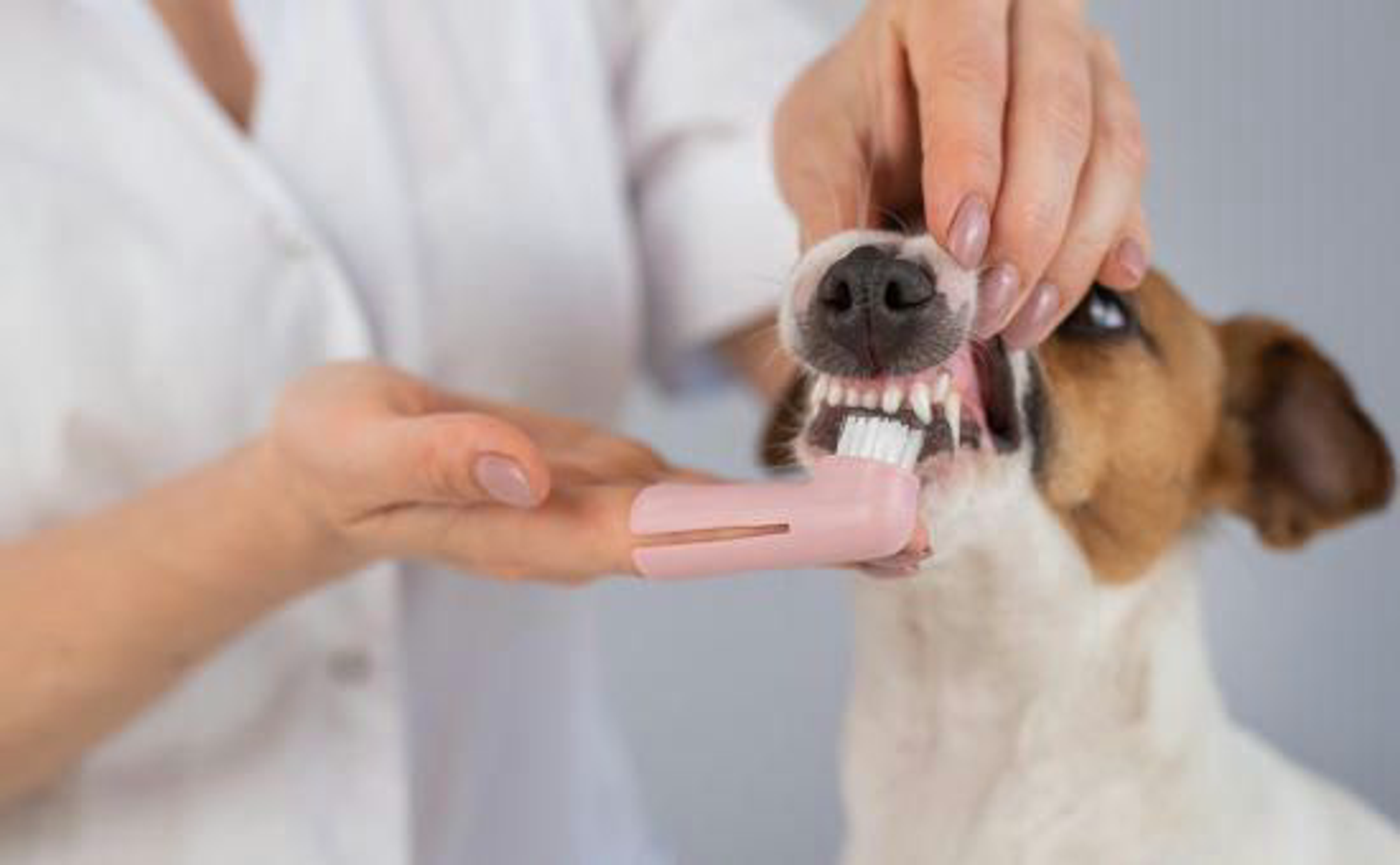
Credit: www.green-petfood.com
Alternative Dental Care Options
Brushing a dog’s teeth might not always be easy. Some dogs resist it completely. Thankfully, there are alternative dental care options that can help. These methods can maintain your dog’s oral health effectively. They provide a less stressful way to care for your dog’s teeth.
Dental Chews And Treats
Dental chews are a popular option for dog owners. They help clean teeth while your dog enjoys a tasty snack. These chews reduce plaque and tartar build-up. They also freshen your dog’s breath. Select chews that suit your dog’s size and chewing habits. Always monitor your dog to prevent choking.
Dental treats offer another way to support oral health. These are often softer than chews. They contain ingredients that promote healthy gums. Offering these regularly can improve your dog’s dental health. They also make a great reward during training.
Professional Cleaning
Professional cleaning is an effective dental care option. Vets perform these cleanings under anesthesia. This allows for a thorough cleaning below the gum line. Professional cleanings prevent serious dental issues. They also help detect other health problems early. Schedule regular cleanings based on your vet’s advice.
Discuss any concerns with your vet. They can guide you on the best care plan for your dog. Regular check-ups ensure your dog’s teeth stay healthy. Remember, good dental care improves your dog’s overall well-being.
Maintaining Oral Health
Brushing a dog’s teeth involves using a dog-friendly toothbrush and toothpaste. Gently lift their lips to expose teeth, and brush in circular motions. Regular brushing helps prevent plaque buildup and maintains oral health.
Maintaining your dog’s oral health is crucial for their overall well-being. Healthy teeth prevent pain and infections. Regular brushing keeps their mouth clean and fresh. Use a dog-friendly toothbrush and toothpaste. Begin slowly, allowing them to get used to it. Gradually increase the brushing time. A consistent routine helps maintain strong teeth.Regular Check-ups
Schedule regular dental check-ups with the vet. They can spot early signs of problems. Early treatment prevents serious issues. A professional cleaning may be needed. It removes plaque and tartar. Vets provide advice on dental care. They recommend suitable products for your dog.Monitoring Dental Issues
Keep an eye on your dog’s mouth. Look for signs of dental issues. Bad breath can indicate problems. Red gums might suggest gum disease. Difficulty eating needs attention. Loose teeth require immediate care. Regular checks help catch issues early. Address problems before they worsen.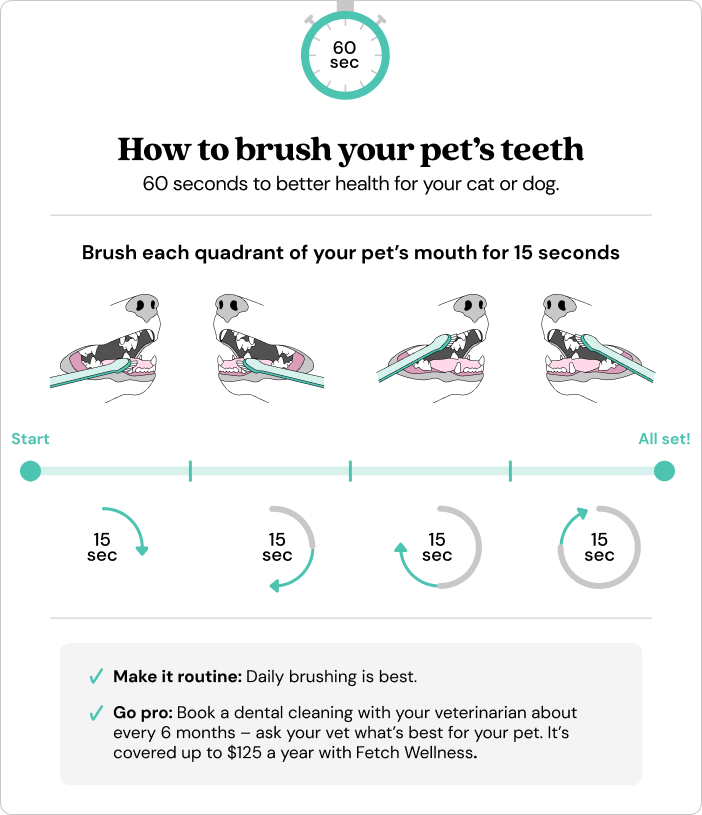
Credit: www.fetchpet.com
Frequently Asked Questions
How Often Should I Brush My Dog’s Teeth?
Brushing your dog’s teeth daily is ideal, but at least three times a week is recommended. Regular brushing helps remove plaque and prevent tartar buildup. If daily brushing isn’t possible, consider using dental chews or toys to maintain oral hygiene.
What Tools Do I Need To Brush My Dog’s Teeth?
You’ll need a dog-specific toothbrush and toothpaste. Human toothpaste can harm your dog. Dog toothbrushes come in various styles, including finger brushes. Choose one your dog is comfortable with. Dental wipes are an alternative if your dog resists brushing.
Can I Use Human Toothpaste For Dogs?
No, human toothpaste should never be used for dogs. It contains fluoride and other ingredients that can be toxic to them. Instead, use specially formulated dog toothpaste, which is safe if swallowed and comes in flavors dogs enjoy, like poultry or beef.
How Do I Make My Dog Comfortable With Brushing?
Start slowly by letting your dog taste the toothpaste. Gradually introduce the toothbrush. Praise and reward your dog after each session. Consistency is key; regular brushing will help your dog become accustomed to the routine over time.
Conclusion
Brushing your dog’s teeth keeps them healthy and happy. Regular care prevents dental issues. Start slowly if your dog seems nervous. Use dog-friendly toothpaste. Consistency is key for success. Make brushing a fun routine. Praise your dog after each session.
Healthy teeth mean a healthier dog. Enjoy fresh breath and fewer vet visits. Show love through good oral care. Your furry friend will thank you with wagging tails. Remember, small steps lead to big health benefits. Keep brushing simple and stress-free.
A little effort goes a long way. Your dog deserves the best care.


