Imagine this: your dog, full of energy and joy, wagging their tail, but with a hidden problem that you might not have noticed yet – their dental health. You might think that brushing your dog’s teeth is a daunting task, but it’s easier than you think and crucial for their overall health.
Just like humans, dogs need regular dental care to prevent serious issues like gum disease and bad breath. As a loving pet owner, you want what’s best for your furry friend. You might be wondering how to make teeth brushing a part of your dog’s routine without stress for either of you.
The good news is, there are simple techniques and tips to make this process smooth and even enjoyable. In this guide, you’ll discover practical steps to ensure your dog’s dental health is in tip-top shape. Keep reading to learn how you can make this essential care part of your everyday life, ensuring your dog stays happy and healthy.
Credit: www.green-petfood.com
Benefits Of Dental Care For Dogs
Taking care of your dog’s teeth is more than just a hygiene routine; it’s a gateway to their overall well-being. Many dog owners overlook the importance of dental care, but it plays a crucial role in preventing health issues. Let’s explore why maintaining your dog’s dental health should be a priority.
Benefits Of Fresh Breath
Have you ever been greeted by your dog’s less-than-pleasant breath? Regular brushing keeps that at bay, ensuring every greeting is fresh and enjoyable. Clean teeth reduce the bacteria that cause bad breath, making snuggles more pleasant for everyone.
Prevention Of Gum Disease
Dental care helps prevent gum disease, a common issue in dogs that can lead to pain and tooth loss. By brushing your dog’s teeth regularly, you remove plaque before it hardens into tartar. This simple act can save your dog from discomfort and expensive dental procedures.
Reduction Of Tooth Loss
Keeping your dog’s teeth clean strengthens their gums and teeth, reducing the risk of tooth loss. Healthy teeth contribute to proper chewing, aiding digestion. Imagine the relief of knowing your dog can enjoy their meals without discomfort or difficulty.
Improved Overall Health
Did you know that poor dental health can affect your dog’s entire body? Bacteria from oral infections can enter the bloodstream, impacting organs such as the heart and kidneys. Regular dental care promotes not just oral health, but also a healthier life for your furry friend.
Cost Savings In The Long Run
While dental care products might seem like an added expense, they actually save money by preventing costly vet visits. Dental cleanings and treatments can be expensive, but regular brushing minimizes the need for these procedures. Investing a little time now can spare you significant expenses later.
Bonding Time With Your Dog
Brushing your dog’s teeth can be a bonding experience, strengthening your relationship. It’s an opportunity to show love and care, building trust. Plus, who wouldn’t want an extra chance to pamper their beloved pet?
So, have you considered brushing your dog’s teeth? The benefits clearly outweigh the effort, ensuring a healthier, happier life for your four-legged friend.
Choosing The Right Toothbrush And Toothpaste
Keeping your dog’s teeth clean is crucial for their health. Choosing the right toothbrush and toothpaste is the first step. This ensures effective cleaning and a pleasant experience for your dog.
Types Of Dog Toothbrushes
Dog toothbrushes come in various types to suit different needs. Some popular options include:
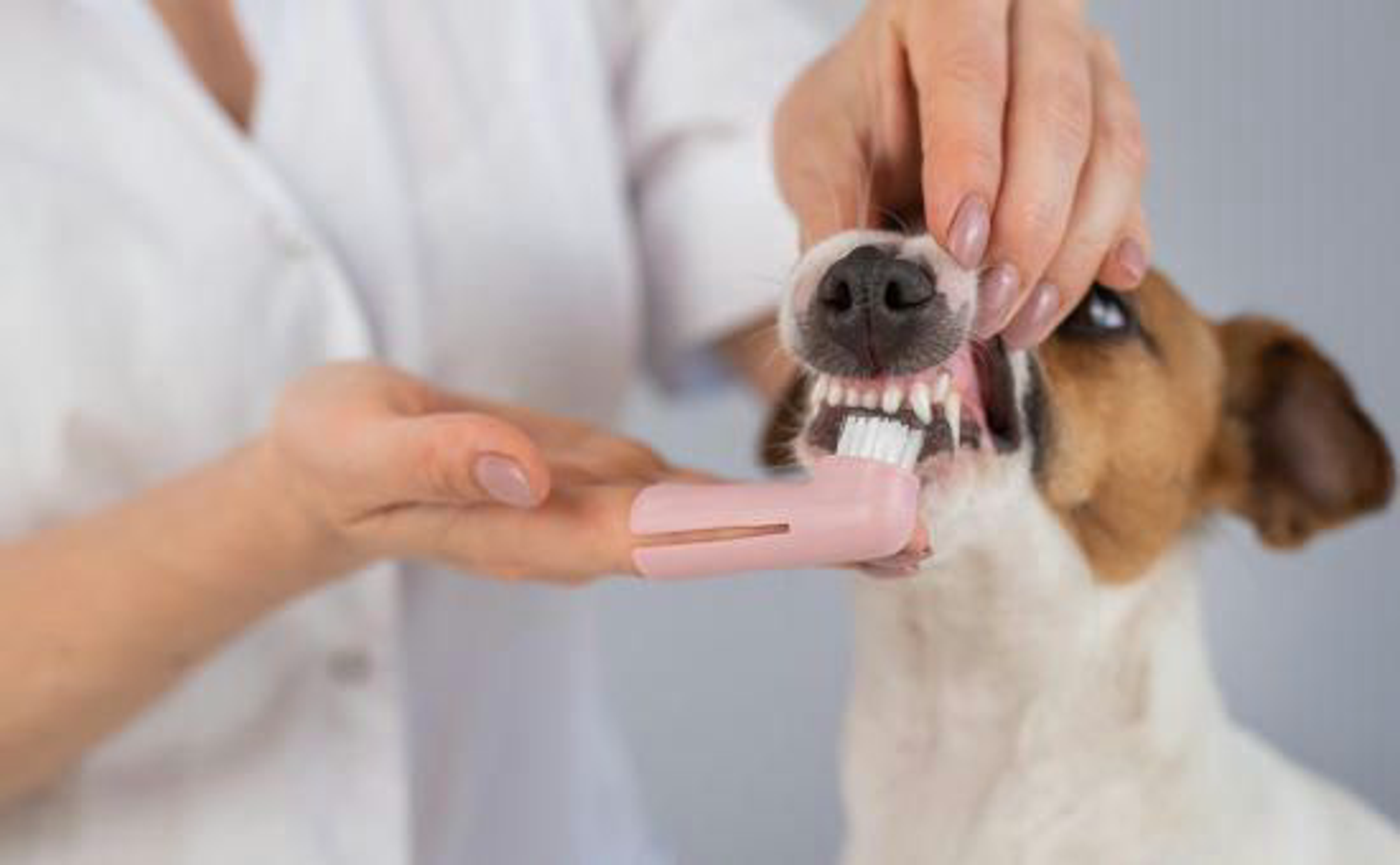
- Finger Brushes:These fit over your fingertip. They’re great for beginners.
- Double-Headed Brushes:They clean both sides of teeth at once.
- Single-Headed Brushes:These resemble human toothbrushes. They are easy to use.
Choose a toothbrush size that matches your dog’s mouth. This ensures comfort during brushing.
Selecting Dog-friendly Toothpaste
Human toothpaste is not safe for dogs. Always pick a toothpaste made for dogs. Look for flavors your dog likes. Chicken or beef flavors are popular choices.
Check the ingredients. Avoid toothpaste with artificial sweeteners. These can harm dogs. Opt for natural ingredients for safety and health.
Test a small amount on your dog’s paw first. This helps ensure they like the taste.
Preparing Your Dog For Teeth Brushing
Start by introducing your dog to the toothbrush slowly. Use a soft-bristled brush and dog-friendly toothpaste. Reward your dog with treats to make the experience positive.
Preparing your dog for teeth brushing is crucial for a smooth experience. Many dogs resist having their teeth brushed. Helping them feel comfortable can make the process easier. Start by introducing your dog to the toothbrush and paste gradually. This builds trust and reduces anxiety. With patience, your dog will become more accustomed to this new routine.Acclimating Your Dog To The Process
Begin with short sessions to get your dog used to the toothbrush. Allow them to sniff and investigate the brush and paste. Use positive reinforcement like treats or praises. Rewarding your dog encourages good behavior. Gradually increase the time spent brushing as your dog becomes more comfortable. Consistency is key for success.Creating A Comfortable Environment
Choose a quiet place to brush your dog’s teeth. This helps minimize distractions and stress. Ensure the room is well-lit so you can see clearly. Sit next to your dog to make them feel secure. Speak softly and gently throughout the process. Keeping a calm demeanor reassures your dog and makes the experience pleasant.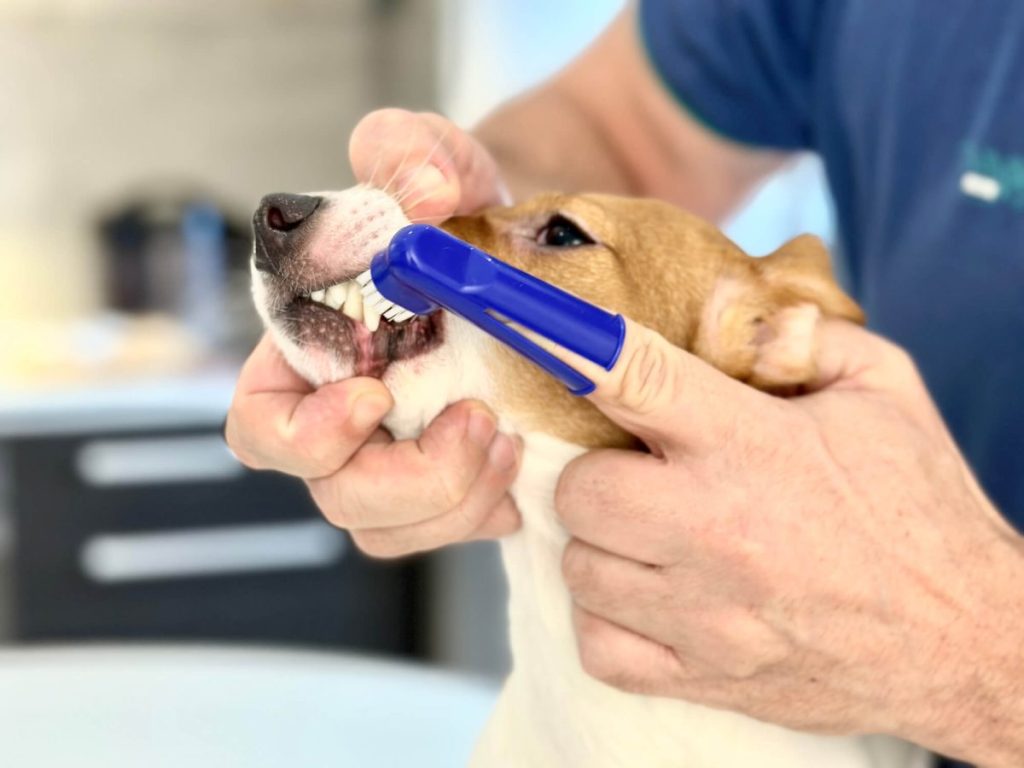
Credit: dogtime.com
Step-by-step Guide To Brushing
Brushing your dog’s teeth is essential for their oral health. It prevents plaque buildup and keeps their breath fresh. This guide will help you brush your dog’s teeth effectively, ensuring a happy and healthy pet.
Proper Brushing Technique
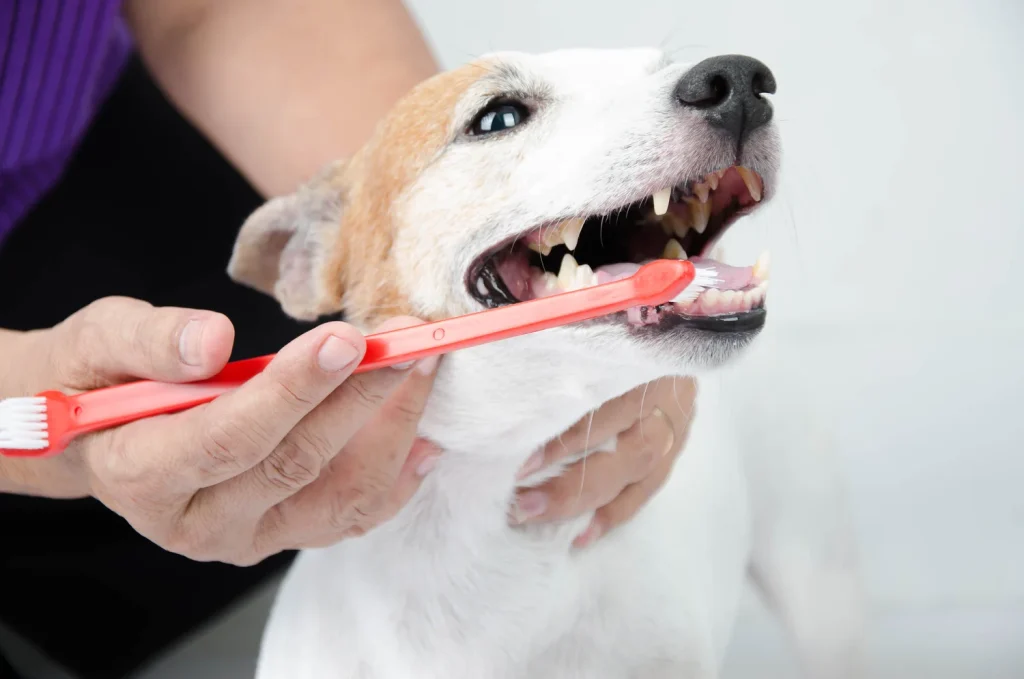
Choose a quiet spot with good lighting. Use a dog toothbrush and toothpaste. Human toothpaste can harm dogs. Gently lift your dog’s lip to expose the teeth. Angle the brush at 45 degrees to the gum line. Use small circular motions to clean the outer surfaces. Focus on the back teeth, where plaque often builds up. Be gentle to avoid hurting your dog.
Frequency And Duration
Brush your dog’s teeth three times a week. Each session should last two minutes. This routine helps maintain good oral hygiene. Short sessions prevent stress for your pet. Consistent brushing reduces plaque and tartar. A clean mouth leads to better overall health for your dog.
Tips For A Positive Experience
Brushing your dog’s teeth can be a pleasant experience. Begin by using a dog-friendly toothbrush and toothpaste. Make the process enjoyable by rewarding your pet with treats and praise.
Brushing your dog’s teeth can be a daunting task, but with the right tips, it can turn into a positive experience for both you and your furry friend. Establishing a routine that your dog looks forward to is key. It’s not just about maintaining oral hygiene, but also about strengthening the bond between you and your pet.Rewarding Your Dog
Positive reinforcement is crucial. After each successful brushing session, reward your dog with their favorite treat or a few extra minutes of playtime. This creates a positive association with the brushing process. Consistency is important. Always follow up brushing with a reward, no matter how small the progress. You’ll be surprised how quickly your dog learns to enjoy the experience. Communicate encouragement through your tone. A cheerful voice can make a big difference. Dogs can sense your emotions, so staying upbeat can help them feel relaxed.Dealing With Resistance
It’s normal for dogs to resist at first. Patience is your best tool here. Start with short sessions, even if it’s just a few seconds. Introduce the toothbrush gradually. Let your dog sniff and explore it without any pressure. Make it a part of playtime initially to reduce any anxiety. If your dog pulls away, don’t force it. Instead, take a break and try again later. Persistence, combined with patience, often leads to success. Have you ever considered brushing your dog’s teeth while they’re relaxed, perhaps after a walk? Timing can play a huge role in how receptive they are.Signs Of Dental Problems
Understanding the signs of dental problems in dogs is crucial. Dental health affects your dog’s overall well-being. Regular checks help prevent serious issues. Dogs often hide pain, so vigilance is key. Spotting early signs can save them discomfort and costly treatments.
Common Symptoms To Watch For
Here are common symptoms indicating potential dental issues in dogs:
- Bad breath that doesn’t go away.
- Difficulty eating or chewing.
- Swollen or bleeding gums.
- Excessive drooling.
- Loose or missing teeth.
- Pawing at the mouth or face.
- Reduced appetite or weight loss.
When To Consult A Veterinarian
Consult a vet if symptoms persist. Sudden changes in behavior also warrant a visit. Regular dental check-ups are essential. Early intervention prevents complications. Regular cleanings and check-ups keep your dog healthy. Your vet can guide you on best practices for your dog’s dental care.
Additional Dental Care Options
Brushing your dog’s teeth is crucial for their dental health, but what if you could enhance their oral care routine even more? Exploring additional dental care options can be a game-changer, ensuring your furry friend’s teeth stay clean and healthy. From specialized treats to professional services, let’s dive into some effective ways to support your dog’s dental hygiene.
Dental Treats And Toys
Ever thought of making playtime a dental health boost? Dental treats and toys are designed to clean teeth as your dog chews. These products often contain ingredients that help reduce plaque and tartar buildup.
- Opt for treats with ridges or textures that scrape away plaque.
- Choose toys that encourage chewing, like rubber or nylon bones.
My Labrador, Max, loves his mint-flavored dental bones. It’s his daily ‘treat’ that keeps his breath fresh and teeth healthier. What about your dog? Could a fun chew toy be the next step in their dental care?
Professional Cleaning Services
Sometimes, despite your best efforts, plaque and tartar might still accumulate. That’s where professional cleaning services come into play. Regular veterinary check-ups can identify when a deep cleaning is necessary.
- Veterinarians use specialized tools to clean teeth thoroughly.
- They can also provide valuable insights into your dog’s dental health.
Have you ever considered professional cleaning for your dog’s teeth? It’s an investment in their long-term health and happiness. After all, a clean mouth contributes to a happier, healthier pet.

Credit: dogtrotting.net
Frequently Asked Questions
How Often Should I Brush My Dog’s Teeth?
Brushing your dog’s teeth should be done at least 2-3 times a week. Regular brushing helps prevent plaque buildup and gum disease. Daily brushing is ideal for optimal dental health. Use a dog-specific toothbrush and toothpaste to ensure safety and effectiveness.
What Type Of Toothbrush Is Best For Dogs?
Choose a soft-bristled toothbrush designed for dogs. Finger brushes can also be effective for smaller breeds. Ensure the brush reaches all teeth surfaces for thorough cleaning. Regularly replace the toothbrush to maintain hygiene and effectiveness.
Can I Use Human Toothpaste For My Dog?
Avoid using human toothpaste for dogs as it contains ingredients harmful to them. Use dog-specific toothpaste with flavors like poultry or beef. These are safe and more appealing to your dog. Always read labels to ensure the product is suitable for pets.
How Do I Make Brushing Enjoyable For My Dog?
Start slowly and use positive reinforcement to make brushing enjoyable. Offer treats and praise during and after brushing. Gradually increase brushing time and consistency. Ensure a calm environment to reduce stress and anxiety during the process.
Conclusion
Brushing your dog’s teeth keeps them healthy and happy. Start slowly and gently. Use a dog-friendly toothbrush and paste. Make it a regular routine. Praise and reward them after each session. Consistency is key for success. Your furry friend will thank you with fresh breath and a wagging tail.
Remember, dental care matters for your dog’s overall health. Take the time to brush their teeth regularly. Your efforts will prevent future dental issues. Keep your dog smiling with clean teeth. They deserve it, and so do you!


