Are you tired of store-bought dog harnesses that never quite fit right or cost a fortune? Imagine the satisfaction of crafting a custom harness for your furry friend using just a simple piece of rope.
Not only is this a cost-effective solution, but it also allows you to tailor the fit perfectly to your dog’s size and comfort. Dive into this guide where you’ll discover step-by-step instructions and clever tips to create a durable and stylish harness.
You’ll feel empowered knowing you have the skills to ensure your dog’s safety and comfort. Keep reading to unlock the secrets to an easy DIY project that will strengthen the bond between you and your loyal companion.
Materials Needed
Gather sturdy rope, scissors, and a measuring tape. Choose durable materials to ensure your dog’s safety. Opt for a comfortable rope to prevent skin irritation.
To make a dog harness out of rope, you’ll need a few key materials. These items ensure your harness is strong, safe, and comfortable for your furry friend. Gathering the right supplies before starting will make the process much smoother.Rope
Choose a durable rope, like nylon or cotton. It should be strong yet comfortable for your dog. A rope with a diameter of about 0.25 inches works well. This provides enough strength without being too bulky.Measuring Tape
Accurate measurements are crucial for a good fit. A flexible measuring tape helps you measure your dog’s chest and neck properly. This ensures the harness is neither too tight nor too loose.Scissors
Sharp scissors are essential for cutting the rope. Make sure they can easily cut through the rope without fraying. This ensures a clean cut for a professional-looking harness.Lighter Or Matches
Use a lighter to seal the ends of the rope. This prevents fraying and ensures durability. Be careful when using fire around the rope to avoid accidents.Metal Rings
Metal rings are needed to secure the harness. Look for sturdy, rust-resistant rings. These will hold the rope securely and safely when your dog pulls.Needle And Thread
A needle and strong thread help to stitch parts of the harness. This adds extra security to the areas where the rope overlaps. Use a thread that matches the color of the rope for a neat finish.Optional: Padding Material
Padding can add comfort to your dog’s harness. Soft materials like fleece work well. They prevent the rope from rubbing against your dog’s skin.
Credit: www.tiktok.com
Choosing The Right Rope
Selecting the right rope is crucial for making a safe dog harness. Consider durability and comfort, ensuring it’s strong yet gentle on your dog’s skin. Opt for weather-resistant materials for outdoor adventures.
Choosing the right rope is a crucial step in crafting a dog harness that balances comfort and durability. Your choice can make the difference between a harness that’s easy to use and one that’s a hassle. It’s important to consider factors such as the rope’s material, thickness, and flexibility to ensure it’s suitable for your furry friend.Material Matters
Selecting the right material is the first step. Cotton and nylon ropes are popular choices due to their durability and softness. Cotton is gentle on your dog’s skin, while nylon offers strength and longevity. Evaluate where you’ll be using the harness; for wet environments, nylon’s resistance to water damage might be preferable.Thickness And Strength
The thickness of the rope plays a significant role in the harness’s effectiveness. A rope that’s too thick might be cumbersome, while one that’s too thin might not offer enough support. Aim for a medium thickness—something you can comfortably hold and secure without compromising safety. Think about your dog’s size; larger dogs might require thicker ropes for added strength.Flexibility And Comfort
A flexible rope ensures ease in tying knots and adjusting the harness as needed. Stiff ropes can be challenging to work with, leading to discomfort for your dog. Test the rope’s pliability before making a purchase. You want something that moves with ease but maintains its form under pressure.Color And Visibility
Why not add a splash of color? Brightly colored ropes can enhance visibility, especially during evening walks. Choose colors that stand out against your dog’s fur. This not only makes the harness stylish but also adds a layer of safety. Choosing the right rope is not just about practicality; it’s about ensuring your dog’s comfort and safety. Have you ever considered how the right rope choice could transform your walks?Measuring Your Dog
Accurate measurements ensure the harness fits well and keeps your dog comfortable. Measure around the chest, right behind the front legs, and neck with a flexible tape. Confirm the rope’s length matches these dimensions for a secure fit.
Making a dog harness out of rope can be a rewarding DIY project. But before you get started, measuring your dog accurately is vital. This ensures the harness fits snugly yet comfortably, providing both security and freedom of movement. The right measurements will help avoid any discomfort or chafing that could upset your furry friend. Let’s delve into the details of getting these measurements just right.Neck And Chest Measurements
Begin by measuring your dog’s neck at the base, where the neck meets the shoulders. Use a flexible measuring tape to get a precise reading. This is the spot where the harness will rest, so it’s important to get it right. Next, measure around the broadest part of your dog’s chest. This is typically right behind the front legs. It’s crucial to ensure there’s enough room to comfortably slide a couple of fingers under the tape. This small allowance will give your dog the flexibility to breathe and move freely. Remember, each dog is unique. My Labrador, Max, for instance, has a broader chest than my neighbor’s Beagle, Lucy. Tailor your measurements to suit your pet’s specific build.Adjustments For Comfort
Once you have your basic measurements, think about adjustments for your dog’s comfort. Dogs come in various shapes, and a harness needs to accommodate this. Consider adding a little extra length to the rope for easy adjustments. Using adjustable knots, like a slip knot, can provide the flexibility needed to tweak the harness fit as needed. This is especially useful if your dog is still growing or if they have thick fur that changes with the seasons. A comfortable harness can make a world of difference in your dog’s experience. Have you ever noticed how much more enjoyable walks are when your dog isn’t constantly tugging at their harness? Small adjustments can make all the difference.Preparing The Rope
Gather a sturdy rope to begin crafting your dog harness. Ensure the rope is strong and durable for safety.
Preparing the rope is an essential step in crafting a dog harness from scratch. The right preparation ensures the harness is both sturdy and comfortable. Using rope gives you the flexibility to adjust the harness to fit your dog perfectly.Cutting To Size
Begin by measuring your dog’s chest and neck. Use a tape measure for accuracy. Once you have the measurements, add a few extra inches for knots and adjustments. This ensures a snug yet comfortable fit for your dog. Using a sharp pair of scissors or a utility knife, cut the rope to the required length. Keep the cuts clean to avoid fraying.Sealing The Ends
Sealing the ends of the rope prevents it from unraveling. Use a lighter or a match to slightly melt the ends of synthetic ropes. For natural fiber ropes, apply a small amount of glue or tape to the ends. This step is crucial for maintaining the rope’s integrity. Properly sealed ends will ensure the harness remains durable during use.Creating The Harness
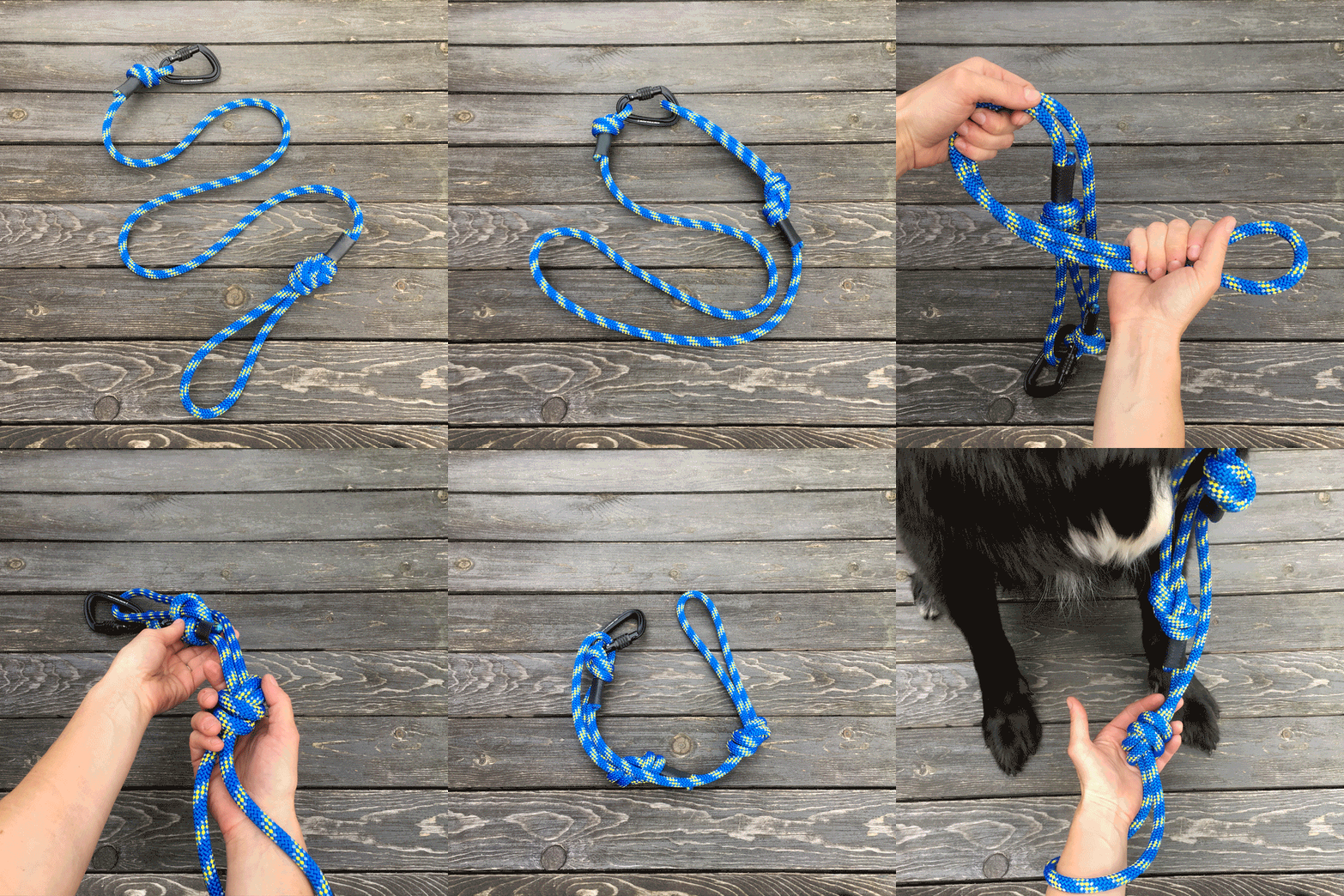
Creating a harness with rope offers a cost-effective solution for your dog. Measure your dog carefully, then knot the rope securely to ensure a snug fit. This simple DIY project ensures comfort and safety for your furry friend during walks.
Creating a harness from rope is practical and cost-effective. It ensures your dog’s safety during walks. Use durable, soft rope to avoid discomfort. Here’s a simple guide to help you craft a sturdy harness.Forming The Neck Loop
Start with a piece of rope about 4 feet long. Make a loop that fits comfortably around your dog’s neck. Ensure it’s not too tight. Knot the ends securely, leaving some slack for adjustments. This loop should sit high on the neck.Crafting The Chest Strap
Use another piece of rope, about 3 feet long. Pass it under your dog’s chest. Attach it to the neck loop with a knot. Ensure the chest strap is snug but allows easy movement. Double-check the fit to prevent chafing.Connecting The Pieces
Join the neck loop and chest strap at the back. Use a strong knot for extra security. Check the harness for any loose ends or weak spots. Ensure the harness sits comfortably on your dog’s body. Adjust as needed for a perfect fit.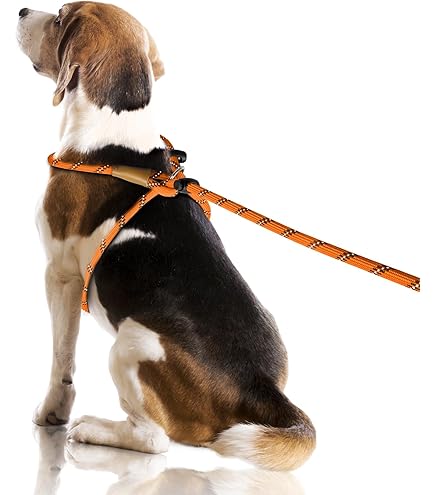
Credit: www.amazon.com
Testing The Fit
Ensure the harness fits snugly but not too tight. Check for two fingers’ space between the rope and fur. Adjust until it feels secure yet comfortable for your dog.
After you’ve crafted a dog harness out of rope, the next crucial step is testing the fit. A well-fitted harness ensures not only the comfort of your furry friend but also their safety during walks. It’s exciting to see your creation come to life, but it’s essential to ensure it fits perfectly before taking your dog out for a stroll.Ensuring Comfort
Your dog’s comfort should be a top priority. Check if the harness sits snugly without pinching or rubbing against the skin. A good rule of thumb is to slide two fingers between the harness and your dog’s body. Observe your dog’s movements. Are they walking naturally, or do they seem restricted? If your dog seems uncomfortable, adjust the fit or consider padding areas that might cause friction.Adjusting For Safety
Safety is non-negotiable. Ensure that the harness is secure enough to prevent your dog from slipping out, yet not too tight to cause discomfort. Look for signs that the harness might be too loose, such as the rope slipping over the head or shoulders. If needed, adjust the knots or loops to maintain a secure fit. Consider the strength of your dog. If you have a strong, energetic breed, double-check the knots and stress points for durability. Would you trust this harness if your dog suddenly pulled hard? By focusing on comfort and safety, you ensure that your handmade harness not only functions well but also provides peace of mind during your outdoor adventures.Tips For Use
Ensure the rope is sturdy and comfortable for your dog. Tie knots securely to prevent slipping. Adjust the harness to fit snugly but not too tight, allowing easy movement.
When you make a dog harness out of rope, it’s important to know how to use it correctly. This ensures your dog’s safety and comfort. Here are some tips to help you use the harness effectively.Training Your Dog
Training your dog with a rope harness requires patience. Start by letting your dog get used to the harness. Allow them to sniff and explore it. Once they’re comfortable, gently put the harness on them. Reward them with treats to create a positive experience. Practice walking with the harness in a safe space. Gradually increase the duration of walks as your dog becomes more comfortable.Maintenance And Care
Proper maintenance of your rope harness extends its life. Check the rope regularly for fraying or damage. Wash the harness periodically to keep it clean. Use mild soap and warm water for cleaning. Let the harness air dry completely before use. Store the harness in a dry place away from direct sunlight. This prevents the rope from weakening over time.
Credit: sailrite.wordpress.com
Frequently Asked Questions
How Do I Choose The Right Rope For A Dog Harness?
Choose a rope that is durable, soft, and non-toxic. Opt for materials like nylon or cotton. These are strong yet gentle on your dog’s skin. Ensure the rope’s thickness matches your dog’s size for comfort and safety. A well-chosen rope ensures a reliable and comfortable harness.
What Is The First Step In Making A Rope Harness?
Start by measuring your dog accurately. Measure around the chest, neck, and body length. These measurements guide rope cutting and knot placement. Accurate measurements ensure a snug fit and prevent discomfort. Always double-check measurements to avoid errors in harness construction.
How Do I Tie Knots For A Rope Harness?
Use simple, secure knots like the square knot or bowline knot. These knots are strong and easy to untie. Practice knot tying separately before crafting the harness. Proper knot tying ensures the harness remains secure during use, enhancing safety for your dog.
Can I Use Any Rope For A Puppy Harness?
Avoid using overly thick or heavy ropes for puppies. Choose lightweight, soft materials like cotton or thin nylon. These materials prevent strain on your puppy’s body. The right rope ensures a comfortable fit, promoting safe, enjoyable walks for your growing puppy.
Conclusion
Crafting a dog harness from rope is simple and rewarding. You save money. Your pet stays comfortable. Follow the steps carefully for safety. Choose strong rope material. Measure your dog accurately. Practice the knots a few times. This ensures strength and durability.
Your dog will appreciate the handmade touch. Plus, you create a unique harness. Personalize it with colors or patterns. Enjoy walks with your furry friend. Bonding time is precious. A homemade harness is not just a tool. It’s a symbol of love and care.


