Do Dogs Need Their Teeth Brushed: Essential Insights
Have you ever wondered if your dog needs their teeth brushed? You might be surprised to learn that dental care is just as important for your furry friend as it is for you.
Many pet owners overlook this crucial aspect of their dog’s health, potentially leading to serious problems down the road. Imagine the discomfort your dog might feel if their mouth isn’t properly cared for—bad breath is just the beginning. By the end of this article, you’ll discover how maintaining your dog’s dental hygiene can significantly improve their quality of life and prevent costly vet visits.
Keep reading to uncover the secrets to a happier, healthier pet and ensure your dog’s smile stays bright and healthy for years to come.
Credit: www.green-petfood.com
Importance Of Oral Health In Dogs
Oral health is a crucial aspect of your dog’s overall well-being. Just like humans, dogs rely on healthy teeth and gums for eating, playing, and interacting with their environment. Neglecting your dog’s dental care can lead to serious health problems, impacting their quality of life. Have you ever wondered how your dog’s oral hygiene affects their daily activities and mood?
Impact Of Neglecting Dental Care
Ignoring your dog’s dental health can result in plaque buildup, leading to gum disease and tooth decay. This is not just about bad breath; untreated dental issues can cause pain and discomfort, affecting your dog’s ability to eat properly. In severe cases, bacteria from periodontal disease can enter the bloodstream, potentially leading to heart, liver, or kidney problems.
Imagine a scenario where your furry friend avoids their favorite chew toy due to sore gums. This could be a sign of neglected dental care. Regularly checking your dog’s mouth can prevent these issues from escalating. Can you afford to ignore these signs and risk your dog’s health?
Benefits Of Regular Teeth Cleaning
Regular teeth cleaning can drastically improve your dog’s oral health. It helps in removing plaque and tartar, reducing the risk of periodontal disease. A clean mouth also means fresher breath, making those affectionate licks more enjoyable.
Moreover, routine dental care can lead to a happier and more active dog. When your dog’s teeth and gums are healthy, they are more likely to engage in their favorite activities without discomfort. Isn’t it reassuring to know that a simple routine can enhance your dog’s life significantly?
To maintain your dog’s dental health, consider incorporating dental chews or toys into their routine. These tools can help in naturally cleaning their teeth, making the process enjoyable for your pet. What steps can you take today to prioritize your dog’s oral health?
Credit: www.primpedpooches.com
Signs Of Dental Problems
Maintaining your dog’s dental health is essential for their overall well-being. Regular brushing can prevent dental problems. Recognizing signs of dental issues early can save your dog from discomfort and serious health problems. Understanding these signs helps in taking timely action.
Common Symptoms To Watch For
Keep an eye out for changes in your dog’s behavior or routine. Bad breath is often the first sign of dental trouble. Dogs with dental issues may have difficulty eating or lose interest in their food. They might drool more than usual. Swollen or bleeding gums are a clear indicator of oral health problems. Check for loose or missing teeth. Your dog may also paw at their mouth frequently.
Long-term Effects Of Dental Issues
Ignoring dental problems can lead to severe consequences. Untreated dental issues can cause infections. These infections may spread, affecting your dog’s heart, liver, and kidneys. Chronic pain due to dental problems can lead to changes in behavior. Your dog may become irritable or withdrawn. Long-term dental issues can reduce your dog’s quality of life significantly. Regular dental care is crucial to prevent these long-term effects.
Methods For Brushing Dog Teeth
Keeping your dog’s teeth clean is essential for their health. Regular brushing helps prevent plaque buildup and gum disease. But how do you properly brush your dog’s teeth? Let’s explore the best methods for brushing your furry friend’s teeth to ensure they maintain a healthy smile.
Choosing The Right Tools
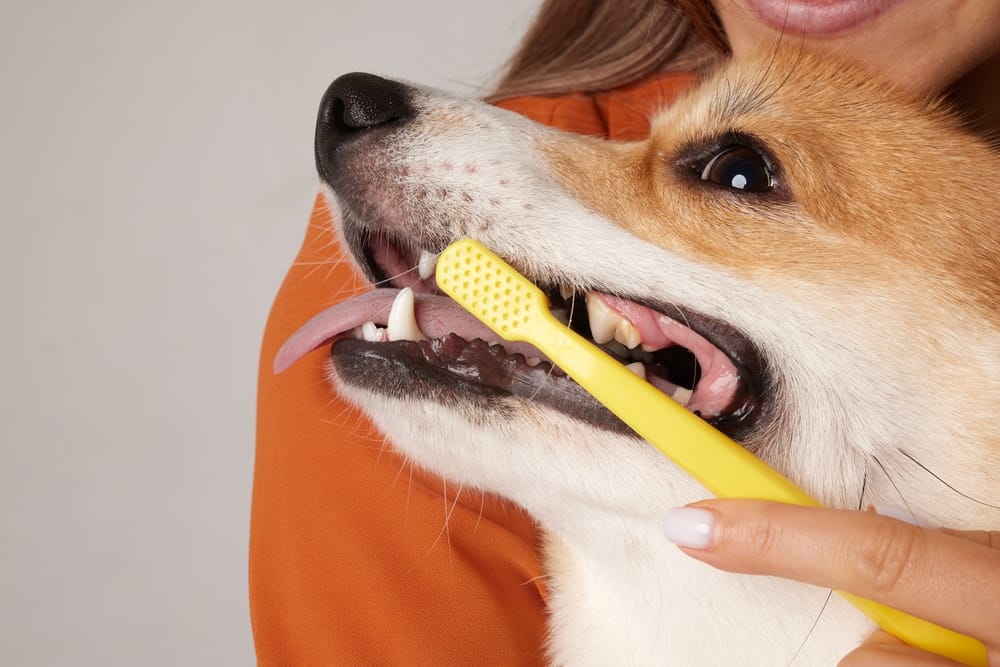
Selecting the right tools makes brushing easier. Choose a toothbrush designed for dogs. These have softer bristles and an angled handle. Dog toothpaste is also important. Human toothpaste can be harmful to dogs. Dog toothpaste comes in flavors like chicken or peanut butter. These flavors make brushing more enjoyable for your pet.
Step-by-step Brushing Guide
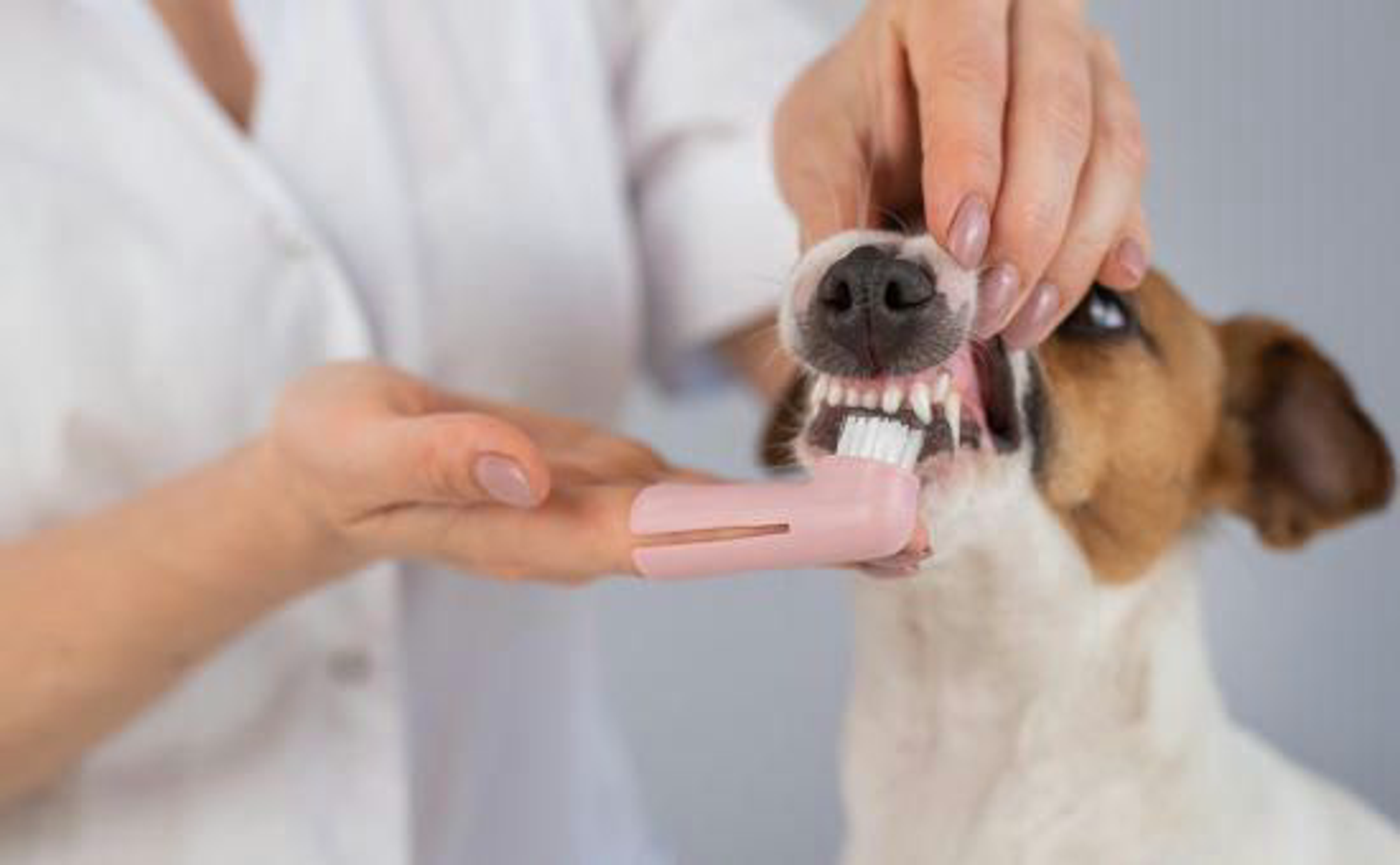
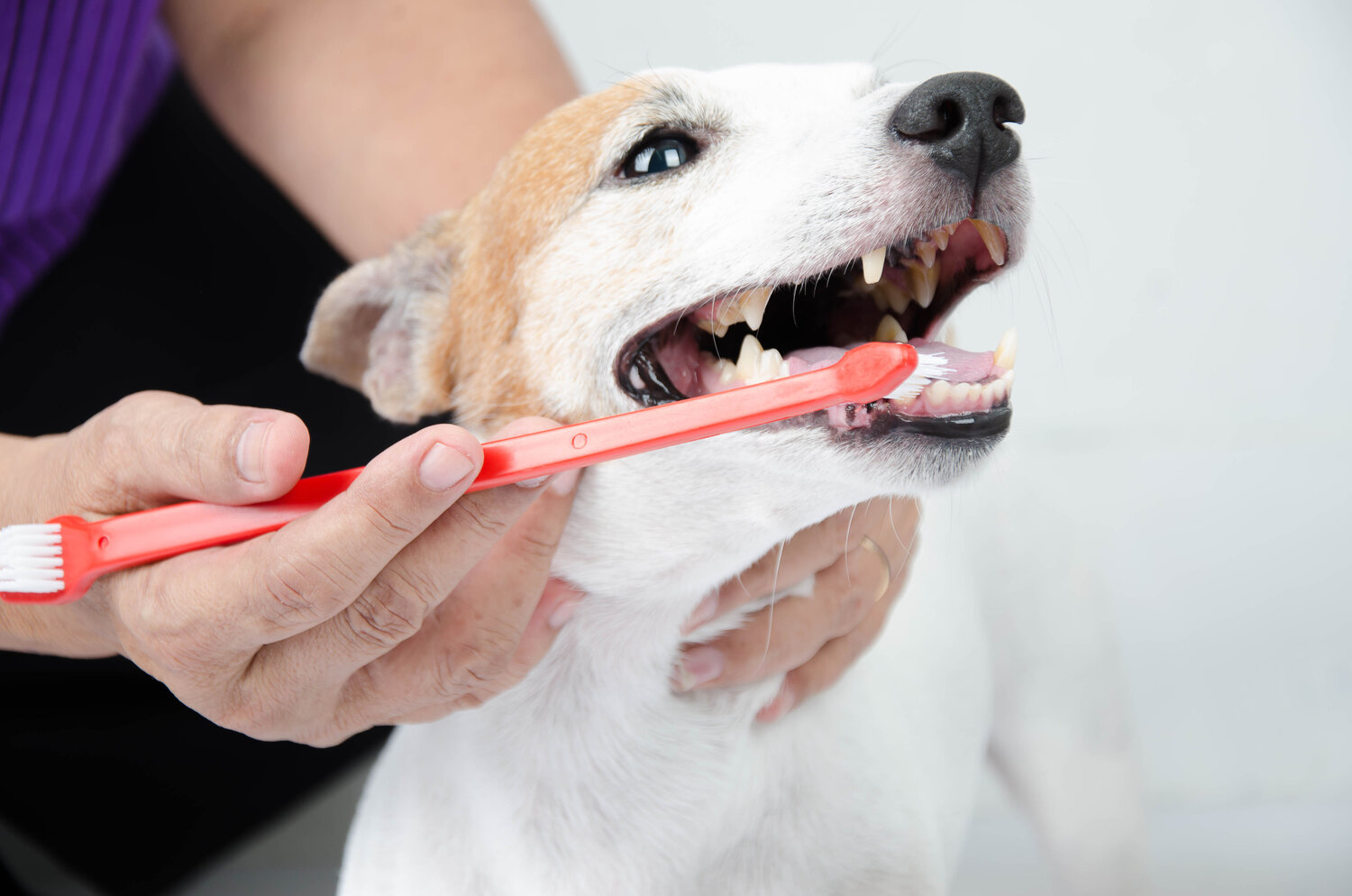
Start by letting your dog taste the toothpaste. This helps them get used to it. Then, gently lift their lip to expose their teeth. Place the toothbrush at a 45-degree angle to the gum line. Move the brush in small circles, focusing on each tooth.
Brush the outer surfaces of the teeth first. These are the easiest to reach. Gradually move to the inner surfaces. Be patient and gentle throughout the process. Praise your dog to keep them calm and cooperative. Reward them with a treat afterward to reinforce positive behavior.
Credit: www.woofpurnayvet.com.au
Alternatives To Brushing
Brushing a dog’s teeth can be challenging for many pet owners. Not all dogs enjoy having their teeth brushed. Luckily, several alternatives can help maintain your dog’s oral health. These options can reduce plaque and freshen breath without the stress of brushing.
Dental Chews And Toys
Dental chews are tasty and help clean teeth. They work by scraping away plaque and tartar. Many are designed to freshen breath too. Be sure to select chews that are safe and appropriate for your dog’s size. Toys also play a crucial role in oral hygiene. Chew toys can massage gums and reduce plaque buildup. Choose durable toys that are safe and non-toxic.
Professional Cleaning Options
Veterinarians offer professional cleaning services. These cleanings are thorough and effective. Vets can reach areas that are hard to clean at home. Professional cleanings usually involve anesthesia. This ensures your dog is comfortable and still during the procedure. Regular vet check-ups can also help monitor your dog’s dental health.
Frequency Of Dental Care
Keeping your dog’s teeth healthy is crucial for their overall well-being. But how often should you brush their teeth? This question might leave you puzzled, especially if you’re new to pet care. The right frequency can vary, but understanding the basics can help you make informed decisions.
Daily Vs. Weekly Routine
Many experts suggest brushing your dog’s teeth daily to prevent plaque buildup and ensure fresh breath. Daily brushing can be part of your routine, just like it is for humans. It might sound daunting, but even a quick brush can make a significant difference.
On the other hand, a weekly routine might be more feasible for some. If your dog resists daily brushing or if your schedule is tight, aim for at least a few times a week. Consistency is key, and weekly brushing is better than none at all.
Factors Influencing Frequency
Several factors can impact how often you should brush your dog’s teeth. Consider your dog’s age, breed, and overall health. Puppies might need less frequent brushing, while senior dogs could require more.
Your dog’s diet plays a role too. Dogs eating mostly wet food might need more frequent brushing compared to those on a dry diet. Pay attention to their breath and dental health to tailor the frequency accordingly.
Think about your own schedule and ability to commit. If daily brushing seems overwhelming, consider building it into a routine that works for both you and your pet. Have you ever noticed how your dog reacts after a good brushing session? They often seem happier and healthier.
Ultimately, the goal is to keep your dog’s dental health in check. Finding the right balance between daily and weekly brushing can lead to a happier, healthier pup. What’s your current routine, and how might it evolve with these insights?
Addressing Challenges
Brushing your dog’s teeth can feel like a daunting task. Many pet owners struggle with getting their furry friends comfortable with the process. But with some patience and understanding, you can make tooth brushing a positive experience for both you and your dog.
Handling Resistance
Dogs can be surprisingly stubborn when it comes to dental care. You might find your dog squirming, pulling away, or even refusing to open their mouth. It’s important to stay calm and patient. Dogs often pick up on your energy, so a relaxed demeanor can help ease their anxiety.
Consider rewarding them with treats or praise for any small success, even if it’s just sitting still. Gradually, this positive reinforcement can make the experience less stressful. Have you ever tried making the toothbrush a toy first? Allowing your dog to sniff and play with it can reduce their fear.
Gradual Introduction Techniques
Start by introducing the toothbrush and toothpaste slowly. Let your dog get used to the smell and taste without any pressure. Use your finger initially to gently rub their gums, mimicking the brushing motion.
Once your dog seems comfortable, move on to using the toothbrush. Begin with a few gentle strokes and gradually increase the time. Keep the sessions short to prevent overwhelming your pet.
Consistency is key. Try to brush at the same time each day to build a routine. Do you have a favorite time of day when your dog is calm? Use that moment to your advantage.
Remember, patience and persistence can turn a challenging task into a manageable routine.
Expert Opinions
When it comes to maintaining your dog’s health, you might wonder if brushing their teeth is necessary. Experts often weigh in on this topic, offering insights that can guide your pet care routine. Let’s delve into what veterinarians and dog owners have to say about the importance of dental hygiene for dogs.
Veterinarian Recommendations
Veterinarians consistently stress the importance of brushing your dog’s teeth. They point out that dental disease is one of the most common issues in dogs, affecting their overall health. Regular brushing helps prevent plaque buildup, reducing the risk of gum disease and tooth loss.
Many vets recommend brushing your dog’s teeth at least two to three times a week. Some even suggest daily brushing for optimal oral health. They advise using a dog-specific toothbrush and toothpaste, as human products can be harmful to pets.
Have you ever considered that dental health impacts more than just your dog’s mouth? Poor dental hygiene can lead to heart, liver, and kidney issues. Vets highlight that a simple brushing routine could save your pet from these severe health problems.
Insights From Dog Owners
Dog owners often share their experiences and tips for maintaining their pet’s dental health. Many have found that starting early with tooth brushing makes the process much easier as dogs grow older.
Some owners use tasty toothpaste flavors to make brushing a more enjoyable experience for their pets. Others have turned to dental chews and toys as supplemental solutions, finding them helpful in keeping teeth clean between brushings.
Have you ever noticed how some dogs seem to resist tooth brushing? Owners suggest patience and a gradual introduction to the routine. Using positive reinforcement, like treats or praise, can make a significant difference in your dog’s acceptance of tooth brushing.
What about your own experiences? Have you tried brushing your dog’s teeth, and if so, what has worked for you? Engaging with your pet’s dental care could be a game-changer for their health and happiness.
Frequently Asked Questions
Why Do Dogs Need Their Teeth Brushed?
Brushing your dog’s teeth helps prevent plaque buildup and gum disease. Regular dental care can improve their overall health. It also helps eliminate bad breath. Dogs are prone to dental issues, so routine brushing is essential. This practice supports a longer, healthier life for your pet.
How Often Should I Brush My Dog’s Teeth?
Brushing your dog’s teeth daily is ideal. However, if that’s not possible, aim for several times a week. Regular brushing helps maintain oral hygiene and prevents dental problems. It removes food particles and bacteria, reducing the risk of tooth decay and gum disease.
Can Dental Treats Replace Brushing?
Dental treats can aid in oral health but don’t replace brushing. They help reduce plaque and freshen breath. However, brushing is more effective at removing debris and bacteria. Use dental treats as a supplement to brushing for optimal results in maintaining your dog’s oral health.
What Happens If I Don’t Brush My Dog’s Teeth?
Neglecting to brush your dog’s teeth can lead to plaque buildup and gum disease. It can also cause bad breath, tooth decay, and painful infections. These issues may require costly veterinary treatment. Regular brushing is essential to prevent these health problems and ensure your dog’s well-being.
Conclusion
Brushing your dog’s teeth is important for their health. It prevents plaque and gum disease. Regular brushing can help avoid costly vet visits. Start slowly to make your dog comfortable. Use dog-friendly toothpaste for safety. Healthy teeth mean a happy dog.
A simple routine can make a big difference. Keep your furry friend smiling. Remember, a little effort goes a long way. Prioritize their dental care today. Your dog deserves the best care. Make brushing a habit and enjoy more playful years.
Healthy teeth, happy life!