What is Nesting Behavior in Dogs: Unveiling Instincts
Senior Canine Nutritionist & Dog Behavior Specialist at Cozy Dog Go Wellness Lab
Have you ever noticed your dog rearranging their bedding or digging at the couch cushions? This behavior might seem peculiar at first, but it’s actually a fascinating instinct known as nesting behavior.
Understanding this can offer you valuable insights into your furry friend’s needs and emotions. Whether it’s fluffing up pillows or circling before lying down, these actions are more than just quirks—they’re signals of comfort-seeking, security, and sometimes even anxiety. By diving deeper into why dogs nest, you can enhance your bond with them and ensure their environment supports their well-being.
Keep reading to uncover the mysteries of your dog’s nesting habits and learn how to respond effectively.
Understanding Nesting Behavior
Dogs often exhibit nesting behavior when they feel the need to create a safe, comfortable space. This involves digging, rearranging blankets, or choosing cozy spots. Instinct plays a crucial role, helping them prepare for rest or feel secure.
Understanding Nesting Behavior Have you ever noticed your dog engaging in seemingly strange activities like rearranging blankets or burrowing under cushions? This could be nesting behavior, a fascinating instinct that many dogs exhibit. Understanding this behavior can help you connect with your furry friend on a deeper level and meet their needs more effectively.Definition And Characteristics
Nesting behavior in dogs is an instinctive action often associated with preparing for comfort or safety. This behavior is primarily observed in pregnant females, but non-pregnant dogs may also exhibit it. Dogs may gather and arrange soft materials like blankets, towels, or pillows into a comfortable pile or nook. The characteristics of nesting can vary. Some dogs might gently paw and nudge objects into place, while others may dig or scratch at surfaces as if creating a den. This behavior is deeply rooted in their wild ancestry, where creating a safe and comfortable space was crucial for survival.Common Signs In Dogs
Nesting behavior can manifest in several noticeable ways. Look out for signs like your dog carrying items from one place to another or creating a small ‘nest’ out of clothing or bedding. You might also find them circling an area multiple times before settling down. Some dogs may vocalize more, such as whining or barking, while engaging in nesting activities. Others might become more protective of their chosen spot, showing reluctance to leave it. These behaviors are normal and part of your dog’s instinctual repertoire. Understanding why your dog exhibits nesting behavior can enhance your bond. Does your dog engage in these activities before resting, or perhaps during stressful situations? Observing these patterns can offer insights into their comfort and emotional needs.Credit: www.instagram.com
Origins Of Nesting Instincts
The origins of nesting instincts in dogs can be traced back to their ancient ancestors. This behavior, which often manifests as digging, arranging blankets, or creating a cozy space, is deeply embedded in a dog’s genetic makeup. Understanding these instincts offers a fascinating glimpse into the evolutionary journey of our canine companions.
Evolutionary Background
Dogs are descendants of wolves, and their nesting behavior is a survival trait inherited from these wild ancestors. Wolves would create dens to protect their young from predators and harsh weather conditions. This instinctive act of preparing a safe and comfortable place is mirrored in the domestic dog, even though the threat of predators is no longer present.
Think about how your dog often circles before lying down. This ritualistic behavior harks back to the need to flatten grass and check for hidden dangers. It’s a testament to the age-old survival strategies that have been passed down through generations.
Comparison With Wild Canines
Observing wild canines like wolves and foxes can provide insights into this behavior. These animals meticulously choose nesting spots that offer both security and strategic advantage. For instance, foxes may select burrows that are concealed yet offer easy access to food sources.
Consider how your dog carefully selects the corner of your couch or a quiet spot in the house to rest. This mimics the strategic choices made by their wild counterparts, showcasing an innate understanding of comfort and security.
As you witness your dog exhibiting nesting behavior, ask yourself: Is it simply seeking comfort, or is it responding to an ancient call? This curiosity can deepen your appreciation for your pet’s unique habits and encourage a closer connection with your furry friend.
Reasons Dogs Exhibit Nesting
Dogs often display nesting behavior for various reasons. This instinctive action is deeply rooted in their nature. Understanding these reasons can help pet owners cater to their dogs’ needs better.
Comfort And Security
Nesting provides dogs with a sense of comfort. They arrange blankets, pillows, or toys to create a cozy environment. This behavior mimics their ancestors’ practice of creating safe spaces in the wild. Dogs feel secure in their self-made nests. It is a way to mark a personal territory, offering them a sense of ownership and peace.
Preparing For Offspring
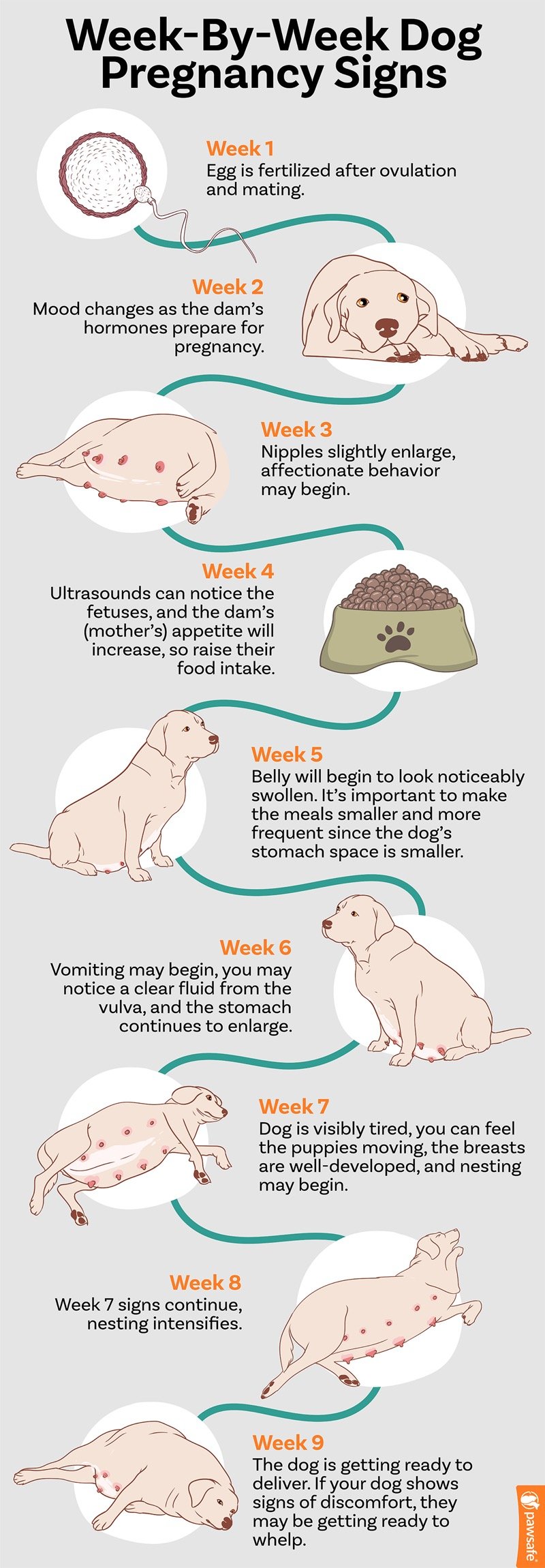
Pregnant dogs exhibit nesting to prepare for their puppies. This behavior is part of their maternal instincts. They gather materials to make a comfortable spot for birthing. The nesting area becomes a place for nurturing their young. It is a crucial phase in the natural reproductive cycle of dogs.
Credit: pawsafe.com
Nesting Behavior Across Breeds
Dogs often show nesting behavior, a trait rooted in their ancestry. This behavior varies across breeds. Understanding these differences helps in addressing your dog’s needs better.
Breed-specific Tendencies
Some breeds have stronger nesting instincts than others. Terriers often dig and rearrange their bedding. This behavior mirrors their ancestors’ habits of burrowing for safety. Retrievers, known for their loyalty, may gather items like toys or blankets. This action mimics gathering materials for a nest. Herding breeds, such as Collies, may organize their space, showing a desire to create a safe environment.
Variations In Intensity
Nesting behavior intensity can differ greatly among dogs. Small breeds might display less intense nesting actions. Their size may limit their ability to dig or move large objects. Larger breeds, like Huskies, may show more pronounced nesting. Their strength allows for more vigorous rearranging of their surroundings. Age also influences nesting behavior. Puppies often explore nesting, but older dogs may do it more for comfort.
Managing Nesting Behavior
Nesting behavior in dogs involves creating a comfortable space for resting or caring for puppies. This instinctive activity can include digging, arranging bedding, or gathering soft items. Understanding this behavior helps in providing a suitable environment for your pet’s comfort and well-being.
Managing nesting behavior in dogs can be a rewarding experience. Understanding this instinct helps create a harmonious environment. Dogs exhibit nesting behavior for comfort and security. Providing guidance is essential for their well-being.Creating A Safe Space
Designate a cozy area for your dog to nest. Use soft blankets and pillows. This space should be quiet and comfortable. Ensure it is away from high traffic areas. It should be easily accessible for the dog. A calm space reduces anxiety and stress. Regularly clean and maintain this area.Training And Guidance
Teach your dog appropriate nesting habits. Use positive reinforcement to guide behavior. Reward them when they nest correctly. Avoid punishing inappropriate nesting. Redirect their attention if needed. Consistent training fosters positive behavior. Encourage calmness in their safe space.When Nesting Indicates Health Issues
Nesting behavior in dogs involves creating a comfortable space by rearranging bedding or gathering items. It usually signifies comfort, but unusual nesting might hint at stress or health problems. Observing changes can help in identifying potential issues early.
Understanding when nesting behavior in dogs indicates health issues is crucial for any pet owner. While nesting is a natural and often harmless behavior, there are times when it might signal something more serious. Being aware of the subtle signs can help you address potential problems early, ensuring your furry friend stays healthy and happy.Signs Of Anxiety Or Stress
Dogs, like humans, can experience anxiety and stress. Nesting can sometimes be their way of coping. Is your dog suddenly tearing up bedding or obsessively arranging their sleeping area? These could be signs of anxiety. Consider if there have been changes in their environment. New family members or a recent move can trigger stress. Also, look for other symptoms like excessive barking or panting. You might notice your dog hiding more often. This is another tell-tale sign of stress or anxiety. Observing these behaviors can provide insight into their emotional state.Consulting A Veterinarian
If you suspect your dog’s nesting is linked to health issues, consulting a veterinarian is wise. They can help determine if there’s an underlying medical condition. A professional assessment can rule out problems like hormonal imbalances or pain. Preparing for your vet visit can make the process smoother. Take note of any additional symptoms your dog is showing. Mention any recent changes in their routine or environment. Remember, a vet is your best resource for ensuring your dog’s well-being. Don’t hesitate to seek their advice. Your proactive approach can lead to a healthier, happier pet.
Credit: www.reddit.com
Frequently Asked Questions
What Triggers Nesting Behavior In Dogs?
Nesting behavior in dogs is often triggered by hormonal changes, especially in pregnant females. Stress, anxiety, or preparing for a comfortable resting spot can also cause it. It’s a natural instinct rooted in their wild ancestors, ensuring a safe environment for their offspring or themselves.
Is Nesting Behavior Normal In Male Dogs?
Yes, nesting behavior can occur in male dogs, although it’s less common. It may be triggered by stress, anxiety, or the need for comfort. Providing a safe and comfortable environment can help reduce this behavior. Observing and understanding your dog’s needs can ensure their well-being.
How Can I Manage My Dog’s Nesting Behavior?
To manage nesting behavior, provide a comfortable and safe space for your dog. Ensure they have a cozy bed and avoid stress triggers. Regular exercise and mental stimulation can also help. If behavior persists, consult a veterinarian to rule out medical issues.
Does Nesting Indicate A Dog’s Pregnancy?
Nesting often indicates pregnancy in female dogs, especially during the later stages. It’s a preparation for the arrival of puppies. However, other factors like stress or comfort-seeking can also cause it. If you suspect pregnancy, consult a veterinarian for confirmation and guidance.
Conclusion
Understanding nesting behavior in dogs helps strengthen your bond with them. Recognizing their needs ensures they feel secure and comfortable. Observe your dog’s actions closely for signs of nesting. Offer a cozy, safe space for them to relax. Support their instincts with positive reinforcement and patience.
A nurturing environment makes your furry friend happier and healthier. Remember, each dog is unique. Tailor your approach to fit your dog’s personality and needs. By doing so, you enhance their well-being and happiness. Keep learning and adapting to your dog’s behavior for a lasting, loving relationship.

Similar Posts