
Have you ever wondered what the tiny tool known as a dog whistle can do for you and your furry friend? If you’ve tried everything from clickers to treats and still struggle to get your dog’s attention, you’re not alone.
This seemingly simple device might just be the answer to transforming your pet training experience. Imagine having a secret language with your dog, a way to communicate effectively without shouting or causing a scene. Intrigued? That’s exactly what the dog whistle can offer.
It taps into your dog’s keen sense of hearing, offering you a unique way to command attention and improve obedience. Stick around as we delve into how this small tool can make a big difference in your pet’s behavior and your peace of mind.
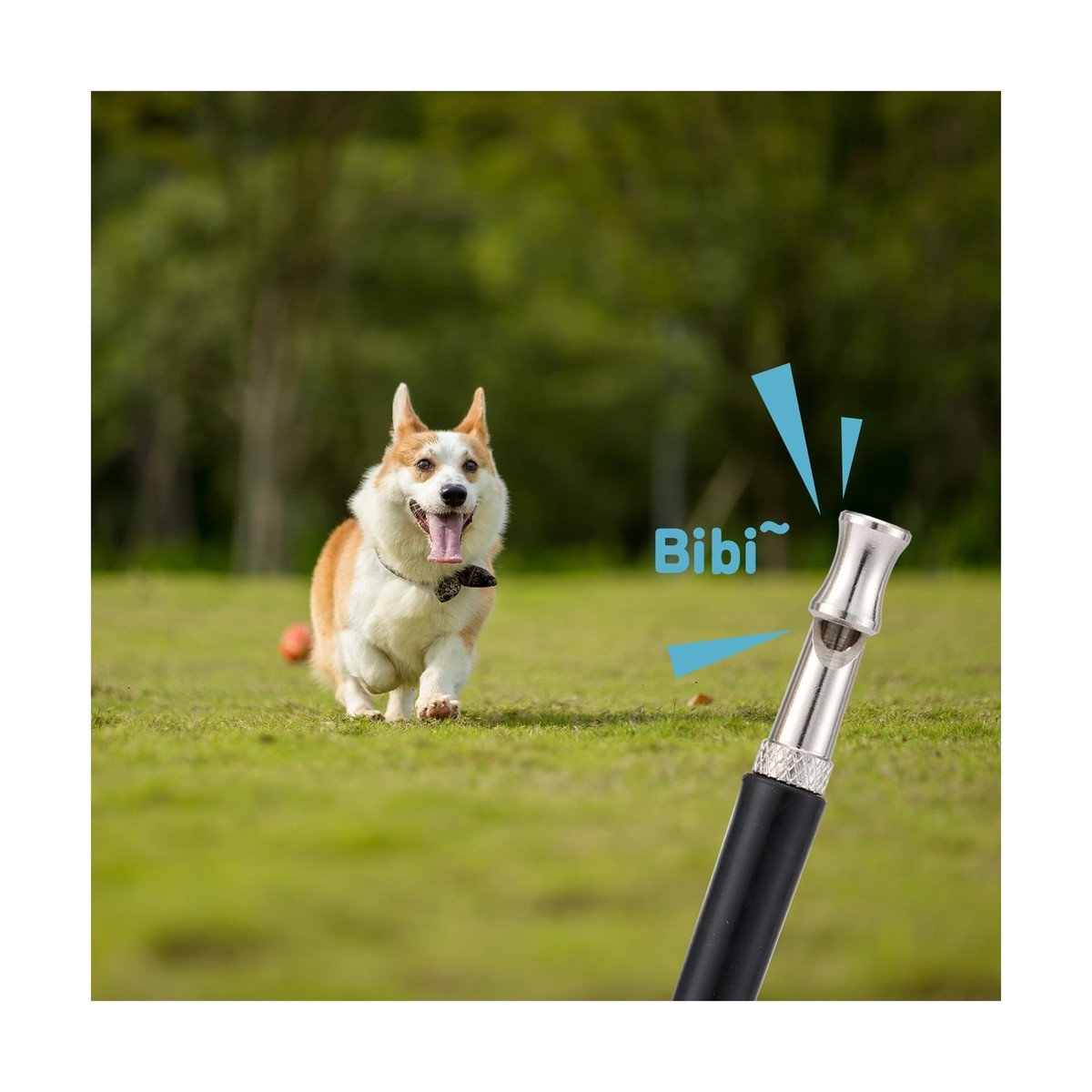
Credit: carrelighting.com
Purpose Of The Dog Whistle
Dog whistles create sounds that are beyond human hearing but easily detected by dogs. These sounds grab a dog’s attention without disturbing people. Ideal for training, they help communicate commands effectively.
The dog whistle is a simple yet powerful tool used by dog trainers and pet owners. Its high-pitched sound, often inaudible to human ears, serves multiple purposes in canine communication. Understanding its purpose can enhance your training sessions and improve your relationship with your furry friend.Training Commands
Dog whistles are essential for issuing commands over long distances. Unlike your voice, the whistle’s sound can travel further without distortion. This is particularly useful when your dog is off-leash in a park or open field.Stopping Unwanted Behaviors
Are you struggling with a dog that won’t stop barking? A dog whistle can help interrupt and redirect their focus. By associating the sound with a specific command, you can teach your dog to cease barking or other disruptive behaviors.Silent Communication
Have you ever tried giving a command in a noisy environment? The dog whistle offers a silent way to communicate with your dog, ensuring they hear you even amidst chaos. This can be crucial during events or in bustling urban settings.Consistency In Training
Consistency is key in dog training, and the whistle provides a uniform sound that doesn’t change with your mood or energy levels. This consistent signal helps your dog learn faster, as they associate the whistle with specific actions or commands.Specialized Commands
Dog whistles can be used to teach specialized commands for hunting dogs or service animals. These commands can be more complex and require a sound that stands out from regular speech. The whistle allows for precise communication tailored to your dog’s specific training needs. Using a dog whistle can significantly enhance your training techniques. Have you tried it yet? If not, consider incorporating it into your routine. You might just find it becomes an indispensable part of your dog-training toolkit.History Of Dog Whistles
Dog whistles produce a sound that is inaudible to humans but clearly heard by dogs. These whistles are used to train dogs by emitting a high-pitched frequency that grabs their attention without disturbing people nearby.
The history of dog whistles is as fascinating as the tool itself. While today we might associate dog whistles with training commands, their origins delve into innovation and practicality. Understanding where they came from helps us appreciate their enduring presence in canine training.The Early Beginnings
The concept of using sound to command animals is centuries old. Initially, humans used their voices or simple instruments to communicate with dogs. However, as the need for more precise and distance-effective commands grew, inventors began seeking alternatives.Inventor’s Eureka Moment
Francis Galton, a prominent Victorian-era scientist, made a significant breakthrough in the late 1800s. He discovered that dogs could hear high-pitched sounds inaudible to humans. This revelation led to the creation of the first modern dog whistle.Popularity And Evolution
The dog whistle quickly became popular among trainers and hunters. Its ability to send commands over long distances without disturbing the natural surroundings was revolutionary. Over time, designs evolved for better portability and effectiveness, making them a staple in dog training kits.Modern Usage
Today’s dog whistles come in various forms, including adjustable pitch models. They are used not just for commands but also for behavior modification. Have you ever wondered why your dog responds so well to a whistle? It’s because they are finely tuned to hear it over other noises.Personal Experience Insight
Reflecting on my own experience with dog whistles, I remember the first time I used one with my energetic Labrador. The immediate attention and response were astounding. It made me question: Are we truly tapping into our dog’s natural instincts with these tools?How Dog Whistles Work
Dog whistles are fascinating tools for training and communication. They produce sounds that dogs can hear, but humans cannot. Understanding how they work is essential for effective use. Let’s dive into the mechanics behind these intriguing devices.
Frequency Range
Dog whistles operate at high frequencies. These frequencies range between 16,000 and 22,000 hertz. Human ears can’t detect these high-pitched sounds. Dogs, on the other hand, can hear them clearly. This makes the whistle a unique communication tool.
Mechanism Of Action
The dog whistle uses a simple mechanism. It consists of a small metal tube. Inside, there is a piston or screw that adjusts the frequency. When you blow through the whistle, air passes through the tube. This creates a sound wave at a high frequency.
By adjusting the screw, you can change the pitch. Different pitches can signal different commands to the dog. This helps in training without disturbing others. The dog learns to associate specific pitches with actions. This method enhances communication between the dog and the owner.

Credit: www.amazon.com
Training With Dog Whistles
Training with dog whistles can be an incredibly effective way to communicate with your canine companion. Unlike verbal commands, a whistle can cut through distractions and grab your dog’s attention quickly. The high frequency sound of the whistle is often easier for dogs to hear than human voices, making it an essential tool for training various commands.
Basic Commands
Dog whistles are perfect for teaching basic commands such as ‘sit’, ‘stay’, or ‘come’. The key is consistency. If you’re training your dog to come to you with a whistle, ensure you use the same whistle pattern each time. Start by pairing the whistle with the command and a treat. Your dog will soon associate the sound with the desired action.
Imagine you’re at the park, and your dog gets distracted by a squirrel. A consistent whistle pattern can be your saving grace, bringing them back to you without a shout. Have you ever tried using a whistle for ‘stay’? It’s a great way to reinforce boundaries from a distance.
Advanced Techniques
Once your dog masters basic commands, you can use dog whistles for more advanced techniques. Consider using different whistle patterns for varying commands. A short burst could signal ‘come’, while a long, steady whistle might mean ‘heel’. This adds layers to your communication.
Ever thought about whistle training for agility courses? Dogs can learn to respond to specific whistle cues for jumping or weaving through obstacles. It’s fascinating to see how effectively a simple sound can guide your dog through complex tasks.
Challenge yourself and your dog with whistle cues for off-leash control. It requires patience and practice, but the result is a more responsive and attentive dog. Are you ready to take your dog’s training to the next level with a whistle?
Benefits Of Using Dog Whistles
Dog whistles help in training by producing a sound only dogs can hear. This sound grabs their attention quickly. They offer an effective way to teach commands and improve communication between dogs and their owners.
Dog whistles offer a unique way to communicate with dogs. Their sound is often silent to humans but clear to dogs. This tool can improve training and behavior management. Using a dog whistle can bring multiple benefits for both pets and owners.Improved Communication
Dog whistles enable precise communication with your pet. They produce distinct sounds for different commands. This can make training more efficient. Dogs learn to associate specific sounds with actions. Consistency in whistle use aids in faster learning.Noise Reduction
Dog whistles reduce noise pollution for humans. Regular whistles can be loud and intrusive. Dog whistles are mostly inaudible to human ears. This makes them ideal for quiet environments. They let you train without disturbing others.
Credit: www.amazon.ca
Common Misconceptions
Dog whistles are often misunderstood. Many people have misconceptions about their function. These devices serve specific purposes and are not harmful as many believe. Let’s explore some common misconceptions about dog whistles.
Human Audibility
Many think dog whistles are inaudible to humans. This is only partially true. While they produce high-frequency sounds, some people can hear them. It depends on the pitch and individual hearing ability. Not everyone perceives the same frequencies. Understanding this can prevent confusion.
Harm To Dogs
Some believe dog whistles harm dogs. This is a misconception. When used correctly, they are safe. Dog whistles are designed to capture a dog’s attention. They do not cause pain or distress. It’s crucial to use them responsibly. Proper training ensures they are beneficial, not harmful.
Selecting The Right Dog Whistle
A dog whistle emits a high-pitched sound that dogs can hear but humans cannot. It grabs their attention for training. Selecting the right whistle ensures effective communication and improves obedience in dogs.
Selecting the right dog whistle can make training effective and enjoyable. Understanding the different features helps in choosing the best whistle for your needs. Dog whistles come in various styles and materials, each offering unique benefits. Some are better suited for specific training purposes. Knowing what to look for is key.Material Considerations
The material of a dog whistle affects its durability and sound quality. Metal whistles often produce a sharper sound, ideal for long-distance communication. They are sturdy and can withstand rough handling. Plastic whistles are lightweight and less expensive. They are perfect for casual training sessions. Wooden whistles provide a softer tone, which might be better for sensitive dogs. Choose a material based on your training environment and your dog’s temperament.Adjustable Frequencies
Adjustable frequency whistles offer flexibility in training. They allow you to find the pitch that your dog responds to best. Each dog hears differently, so adjustable frequencies can be very useful. You can experiment with different pitches to see what works. This feature is especially helpful if you own multiple dogs. Each dog might respond to a different frequency. With adjustable whistles, you can tailor your training sessions. This ensures that your commands are clear and effective.Innovative Uses Beyond Training
The dog whistle is not just for training. It offers unique benefits beyond that. This small tool can enhance the bond between you and your dog. Let’s explore some innovative uses that go beyond traditional training techniques.
Behavior Correction
Dog whistles can help correct unwanted behavior. They produce a sound only dogs hear. This sound can interrupt negative actions like barking or chewing. It can refocus their attention on positive behaviors. Consistent use helps dogs associate the sound with stopping certain actions.
Owners can use the whistle to signal calmness. When a dog starts barking, a quick whistle can remind them to quiet down. It’s an effective way to manage behavior without physical intervention.
Emergency Recall
Emergency recall is crucial for safety. A whistle can be a lifesaver in urgent situations. Dogs can be trained to return to the sound during emergencies. It works well when a dog is off-leash or in a large area.
The unique sound catches their attention quickly. This method provides an immediate response, even in noisy environments. Regular practice ensures dogs recognize the whistle as a signal to return.
Potential Limitations
Understanding what a dog whistle does can be fascinating. Yet, it’s important to acknowledge potential limitations. These limitations can affect the effectiveness of the whistle. Let’s explore some common factors that might impact its use.
Environmental Factors
Environmental factors can influence a dog whistle’s reach and effectiveness. Weather conditions play a big role. Wind can carry sound further or muffle it. Rain and fog can also absorb sound, reducing its reach. Urban areas pose another challenge. Buildings and traffic noise can drown out the whistle’s sound. Open fields or quiet spaces are ideal for clear communication.
Individual Dog Responses
Dogs, like humans, have individual personalities. Not all dogs respond the same way to whistles. Some dogs might ignore the sound entirely. Others might react with curiosity or excitement. Age can also impact response. Puppies may be more responsive, while older dogs might show less interest. Training and familiarity with the whistle’s sound are crucial. Consistent training helps in building a reliable response.
Frequently Asked Questions
What Is The Purpose Of A Dog Whistle?
A dog whistle is used for training and communication with dogs. It emits a sound that dogs can hear, but humans cannot. This sound grabs the dog’s attention and helps in giving commands or signals without disturbing others.
How Does A Dog Whistle Work?
A dog whistle works by emitting high-frequency sounds that are inaudible to humans. Dogs have better hearing than humans and can detect these sounds. The whistle’s frequency can be adjusted to suit different training needs and preferences.
Can A Dog Whistle Stop Barking?
Yes, a dog whistle can help stop barking. It distracts the dog with its unique high-pitched sound. Consistent training with the whistle can reduce or eliminate excessive barking by conditioning the dog to associate the sound with stopping.
Are Dog Whistles Harmful To Dogs?
Dog whistles are generally safe and not harmful to dogs. They produce sounds at frequencies that dogs can hear comfortably. However, it’s important to use them responsibly and avoid prolonged or excessive use, which may cause discomfort to your pet.
Conclusion
Dog whistles can be powerful tools for training. They help with commands and focus. Sounds are often inaudible to humans but effective for dogs. They serve as a means of non-verbal communication. Training with consistency yields the best results. Patience and practice are key.
Whistles work well in various situations. From recall to stopping bad behaviors. Pet owners find them useful and convenient. Always consider your dog’s comfort and response. Each dog is unique. Find what works best for you and your furry friend.
Happy training!


