How Often Brush Dog Teeth: Essential Tips for Pet Care
Imagine this: you’re relaxing at home, your furry friend by your side, and suddenly you catch a whiff of something not so pleasant. It’s their breath, a reminder that our beloved pets need dental care too.
You might be wondering, “How often should I brush my dog’s teeth? ” The answer is crucial for your pet’s health and happiness. Picture this—every time you brush your dog’s teeth, you’re not just promoting good oral hygiene; you’re building a routine that can extend their life, prevent costly vet visits, and strengthen your bond.
You want the best for your four-legged family member, but knowing the right frequency can feel overwhelming. Stay with us as we dive into the ins and outs of canine dental care, empowering you with simple, actionable tips. By the end, you’ll have the confidence to keep your dog’s smile healthy and bright, ensuring those moments of joy and companionship are never tainted by dental woes. Let’s discover how often your dog’s teeth should be brushed for optimal health and happiness.
Importance Of Dental Care For Dogs
Brushing your dog’s teeth at least two to three times a week prevents plaque buildup. Regular dental care reduces the risk of gum disease and bad breath. Healthy teeth keep your furry friend happy and playful.
The importance of dental care for dogs is often underestimated. Proper dental hygiene plays a crucial role in a dog’s overall health. Poor oral care can lead to severe health issues. This includes heart, liver, and kidney problems. Regular brushing helps maintain your dog’s dental health. It prevents plaque buildup and tartar formation. Understanding its importance can enhance your pet’s quality of life.Understanding The Risks Of Poor Dental Hygiene
Dogs with poor dental hygiene may suffer from gum disease. This condition can cause pain and difficulty eating. It can also lead to tooth loss. Bacteria from the mouth can enter the bloodstream. This can affect vital organs like the heart. Regular dental care reduces these risks significantly.Benefits Of Regular Teeth Brushing
Brushing your dog’s teeth regularly offers many benefits. It removes food particles and reduces bad breath. It also prevents the development of plaque. Consistent brushing strengthens gums and teeth. It can increase your dog’s lifespan. A healthy mouth supports a healthy body.Signs Of Dental Problems In Dogs
Look for signs of dental issues in your dog. These include bad breath, red gums, and loose teeth. Difficulty eating or chewing is another sign. Excessive drooling can also indicate a problem. Early detection ensures timely treatment.How Dental Care Affects Overall Health
Good dental care impacts your dog’s overall well-being. It boosts their immune system. Healthy teeth and gums can prevent infections. A healthy mouth means a happier and more active dog. Regular check-ups with the vet are crucial. They ensure your dog’s dental health is optimal.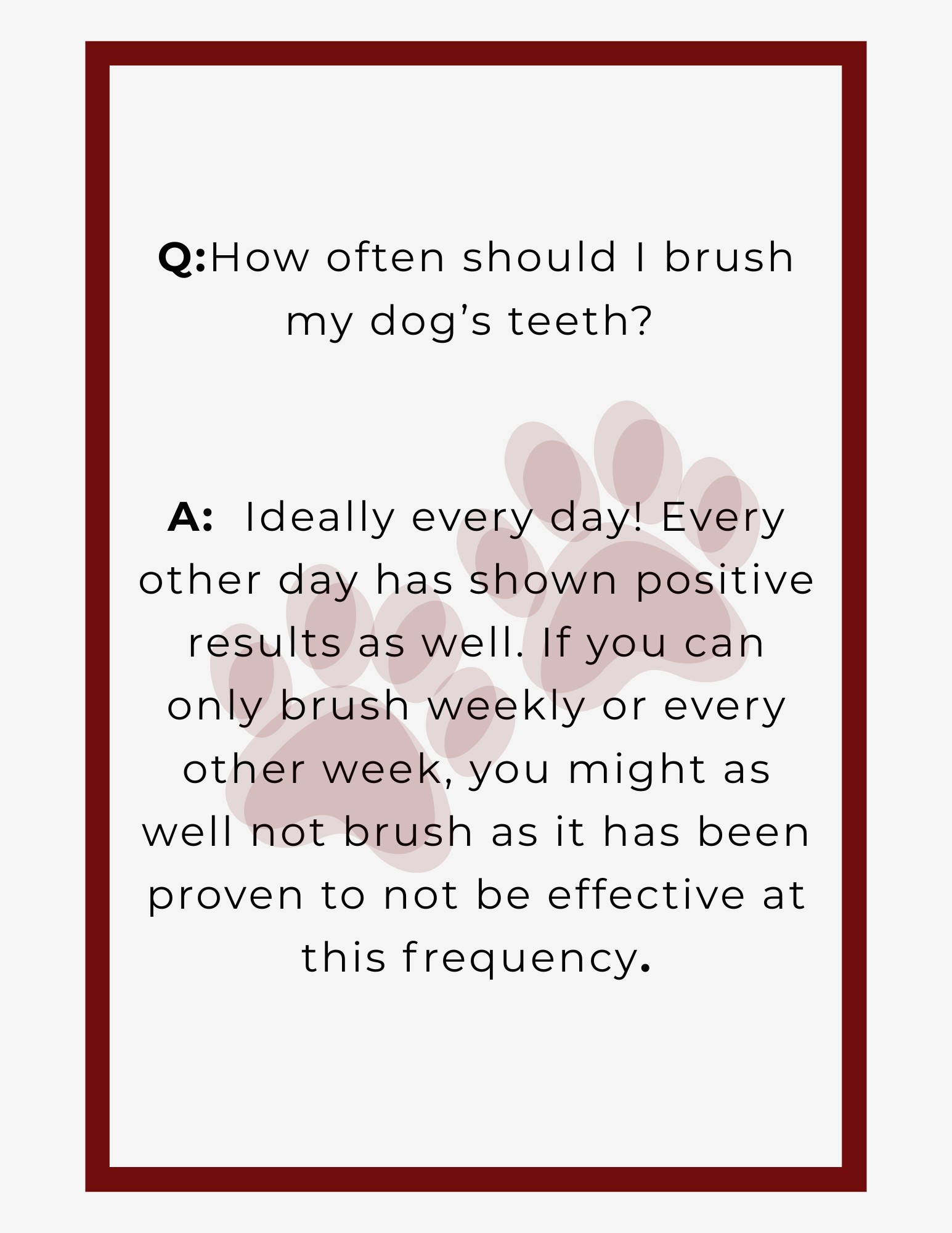
Credit: m.facebook.com
Signs Of Dental Problems
Dental health is crucial for your dog’s overall well-being, yet it’s often overlooked. Identifying signs of dental problems early can prevent serious issues and ensure your furry friend’s comfort. But how can you tell if your dog is experiencing dental distress? Let’s explore the common signs to watch for.
Bad Breath
While a dog’s breath isn’t naturally minty fresh, persistent bad breath is a red flag. If you notice a strong, unpleasant odor, it could indicate plaque buildup or gum disease. Imagine cuddling your pup only to be greeted by foul breath—it’s not pleasant for you, and it signals discomfort for them.
Difficulty Eating
Is your dog suddenly picky about their food? Difficulty chewing or refusal to eat hard kibble might be a sign of oral pain. Consider how frustrating it would be if every meal was painful. Observing your dog’s eating habits can offer clues about their dental health.
Swollen Or Bleeding Gums
Swollen or bleeding gums are a clear indicator of periodontal disease. Regularly inspect your dog’s mouth for signs of redness or bleeding. Picture the discomfort of inflamed gums—it’s a condition you can help prevent with regular brushing and check-ups.
Excessive Drooling
While drooling is typical for some breeds, excessive drooling can hint at dental trouble. If your dog is drooling more than usual, it might be due to pain or irritation in their mouth. Ask yourself, have you noticed puddles of drool that seem unusual? This could be worth investigating.
Behavioral Changes
Dental pain can lead to behavioral changes. Is your dog less playful or more irritable? A typically cheerful dog showing signs of aggression or withdrawal could be experiencing discomfort. Consider how a toothache might affect your mood and behavior—your dog experiences similar distress.
Being observant of these signs can make a significant difference in your dog’s dental health. Regular brushing and professional check-ups can help you avoid these issues. How often do you check your dog’s teeth? It might be time to make it a routine part of their care.
Recommended Brushing Frequency
Proper dental care is crucial for your dog’s health. Understanding how often to brush can prevent dental issues. Regular brushing helps remove plaque and reduces tartar buildup. This section explores the ideal brushing frequency to maintain your dog’s oral health.
Daily Brushing Benefits
Brushing your dog’s teeth daily is ideal. It mimics human dental care. Daily brushing effectively removes food particles. It helps prevent plaque from hardening into tartar. This practice keeps your dog’s mouth clean. It also reduces the risk of gum disease.
Brushing 3-4 Times A Week
If daily brushing seems hard, aim for 3-4 times weekly. This frequency still helps maintain dental health. It allows you to catch plaque early. Regularity prevents bacteria buildup. It’s a manageable routine for many pet owners.
Weekly Brushing: A Minimum Requirement
Brushing once a week is the minimum requirement. It’s better than no brushing at all. Weekly brushing can still help reduce tartar. It keeps bad breath in check. But, it may not prevent dental disease. Consider this a starting point. Aim to increase frequency over time.
Credit: www.primpedpooches.com
Choosing The Right Toothbrush
Choosing the right toothbrush for your dog is crucial for maintaining their oral health. A well-selected toothbrush can make brushing more effective and comfortable for your furry friend. But with so many options available, how do you decide which one is the best fit for your dog?
Types Of Dog Toothbrushes
- Finger Brushes:These small brushes fit snugly on your finger, allowing you to reach all areas of your dog’s mouth easily. They are ideal for dogs who are new to teeth brushing and are more comfortable with their owner’s touch.
- Dual-Headed Brushes:Featuring two brush heads on one handle, these are great for larger breeds. The varied sizes make it easy to clean both the inner and outer surfaces of your dog’s teeth.
- Electric Toothbrushes:Offering a thorough clean, electric brushes can be a great choice for dogs who are accustomed to regular brushing and don’t mind the vibrations.
Features To Look For
- Soft Bristles:Opt for toothbrushes with soft bristles to avoid damaging your dog’s gums. Gentle bristles ensure a comfortable experience for your pet.
- Ergonomic Handle:A toothbrush with a comfortable grip will make the brushing process easier and more efficient for you.
- Size Appropriateness:The toothbrush should match the size of your dog’s mouth. Smaller brushes are best for toy breeds, while larger ones suit bigger dogs.
Have you ever tried different toothbrush types for your dog? If not, experimenting with various styles could be the key to finding the perfect fit. Remember, your dog’s comfort is paramount. A good toothbrush can make a world of difference in their dental hygiene routine. Are you ready to enhance your pet’s oral care with the right tools?
Selecting Dog-friendly Toothpaste
Brushing your dog’s teeth should be done at least two to three times a week. Choose a toothpaste safe for dogs. Human toothpaste can harm them. Regular brushing helps prevent gum disease and bad breath.
Selecting the right toothpaste for your dog is crucial to maintaining their dental health. Not all toothpastes are created equal, especially for our furry friends. Dogs have specific needs and preferences that should be considered to ensure they enjoy the brushing process and receive the best care possible. Let’s dive into what makes a dog-friendly toothpaste truly beneficial.Ingredients To Avoid
When choosing toothpaste for your dog, it’s important to be aware of harmful ingredients. Human toothpaste often contains fluoride, which can be toxic to dogs. Additionally, some may include artificial sweeteners like xylitol, which is extremely dangerous for pets. Always read labels carefully. Keep an eye out for dyes and preservatives that could cause allergies or irritations. Wouldn’t you want to choose a product that prioritizes your dog’s well-being?Flavor Preferences
Dogs are more likely to accept and even look forward to brushing if the toothpaste tastes good to them. Many brands offer flavors such as chicken, beef, or peanut butter to entice your pet. Observe your dog’s reaction to different flavors to find their favorite. You might be surprised to find that your dog prefers a less common flavor! Offering a variety can help make the brushing routine a pleasant experience for both you and your dog. What’s your dog’s favorite flavor?Step-by-step Brushing Guide
Brushing your dog’s teeth can seem like a daunting task, but breaking it down into manageable steps makes it simpler. Regular brushing is vital for your pet’s oral health, preventing plaque buildup and potential dental issues. Let’s dive into a step-by-step guide to make this process easier for both you and your furry friend.
Preparing Your Dog
Preparation is key to a smooth brushing experience. Start by choosing a quiet, comfortable place where your dog feels relaxed. Gather your supplies: a dog-specific toothbrush, pet-friendly toothpaste, and treats for positive reinforcement.
If your dog is unfamiliar with the toothbrush, let them sniff and inspect it. This builds comfort and reduces anxiety. Gradually introduce the taste of the toothpaste by letting them lick a small amount from your finger.
Consistency is crucial. Try to brush at the same time each day. This routine helps your dog know what to expect and can make them more cooperative.
Brushing Techniques
Once your dog is comfortable, it’s time to start brushing. Gently lift their lip to expose the teeth and gums. Use small, circular motions to brush, focusing on the gum line where plaque tends to accumulate.
Start with the front teeth and gradually move to the back. Don’t worry if you can’t do all the teeth in one go; it’s okay to take breaks. Praise and reward your dog with treats to create a positive association.
Always use a soft-bristled toothbrush designed for dogs. Human toothbrushes and toothpaste can harm your pet, so avoid them. And remember, patience and practice lead to a healthier, happier dog.
Have you tried brushing your dog’s teeth regularly? What challenges did you face, and how did you overcome them? Share your experiences in the comments below!
Integrating Dental Care Into Routine
Regularly brushing your dog’s teeth is crucial for their oral health. Aim to brush their teeth two to three times a week to prevent plaque buildup and gum disease. Establishing this routine ensures a happier, healthier pet.
Integrating dental care into your dog’s routine might seem like a daunting task at first, but with a little persistence and creativity, it can become a seamless part of their daily life. As a pet owner, you understand the importance of regular check-ups and vaccinations for your furry friend, but dental care often takes a back seat. However, maintaining your dog’s oral health is crucial for their overall well-being. Let’s explore how you can make teeth brushing a natural part of your dog’s routine.Establishing A Habit
Consistency is key when it comes to brushing your dog’s teeth. Try to set aside a specific time each day for this task, whether it’s right after breakfast or before bedtime. Creating a routine helps your dog anticipate and accept the activity, reducing resistance. Just like humans, dogs thrive on routine, and incorporating dental care into their schedule can make it feel less like a chore. Consider tying tooth brushing with another enjoyable activity, like a short walk or playtime. This association can help your dog look forward to the brushing session as part of their daily fun.Positive Reinforcement
Dogs respond remarkably well to positive reinforcement. Use treats or verbal praise to reward your dog immediately after each brushing session. This creates a positive association with the activity. When I started brushing my dog’s teeth, he was hesitant and nervous. By offering him his favorite treat post-brushing, he began to associate the task with something rewarding. Another great tip is to use a flavored dog toothpaste. Many brands offer enticing flavors like chicken or beef, turning what was once a dreaded activity into something your dog eagerly anticipates. Ultimately, the goal is to make dental care a positive experience for your dog. Are you ready to transform your dog’s dental routine into an enjoyable part of their day? By establishing habits and using positive reinforcement, you can maintain your dog’s oral health without the stress.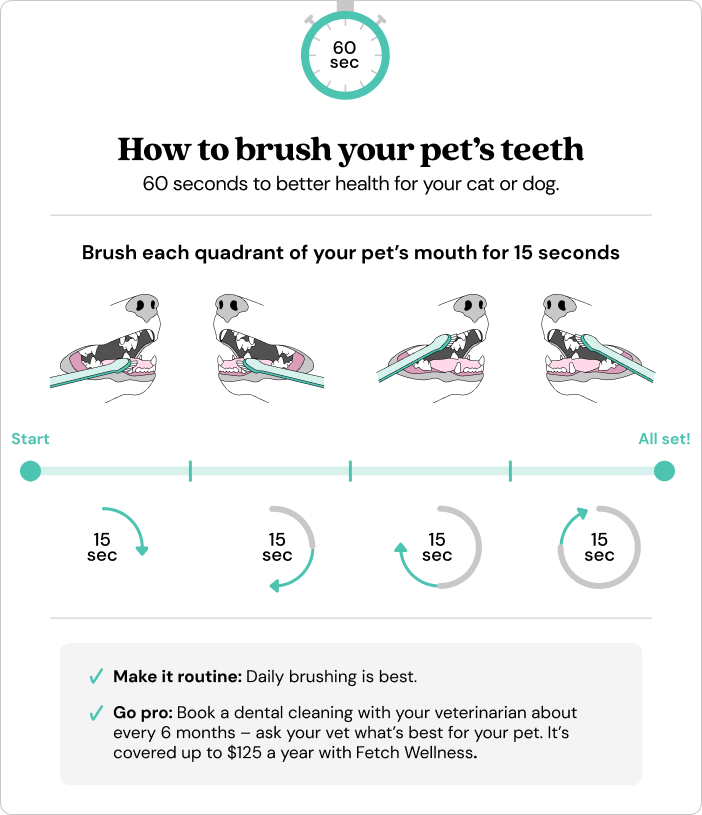
Credit: www.fetchpet.com
Additional Dental Care Tips
Brushing your dog’s teeth is vital, but it’s not the only dental care they need. Regular brushing should be part of a broader dental care routine. Incorporate other practices to keep your dog’s mouth healthy and fresh. Here are some additional dental care tips to consider.
Dental Chews And Toys
Dental chews help clean your dog’s teeth. They reduce tartar and plaque buildup. Choose chews that are the right size for your dog. Some toys also aid in dental health. Toys with ridges can help scrape off plaque. Ensure the toys are safe and durable. Replace them when they wear out.
Regular Vet Check-ups
Regular vet visits are crucial for your dog’s dental health. Your vet can spot early signs of dental issues. They may recommend professional cleanings if needed. Discuss your dog’s dental routine during these visits. Ask about any concerns you have. Keeping up with vet appointments ensures good dental care.
Frequently Asked Questions
How Often Should I Brush My Dog’s Teeth?
Brushing your dog’s teeth daily is ideal for maintaining oral health. If daily brushing isn’t possible, aim for at least three times a week. Regular brushing helps prevent plaque buildup and reduces the risk of gum disease. Consistency is key to keeping your dog’s mouth healthy and fresh.
What Happens If I Don’t Brush My Dog’s Teeth?
Neglecting to brush your dog’s teeth can lead to plaque buildup and gum disease. Over time, this can cause bad breath, tooth decay, and even tooth loss. Unchecked dental issues may also lead to more serious health problems, such as heart or kidney disease, impacting your dog’s overall well-being.
Can I Use Human Toothpaste For My Dog?
No, you should not use human toothpaste for dogs. Human toothpaste contains ingredients like fluoride, which can be toxic to dogs if swallowed. Instead, use toothpaste specifically formulated for dogs. These products are safe and often come in flavors that are appealing to pets, making brushing easier.
Are Dental Chews A Substitute For Brushing?
Dental chews can help reduce plaque but are not a substitute for brushing. While they contribute to oral health, they don’t clean as effectively as brushing. Combine dental chews with regular brushing for the best results. This dual approach helps ensure your dog’s teeth and gums stay healthy.
Conclusion
Brushing your dog’s teeth is important for their health. Aim for daily brushing. Consistency helps prevent plaque and gum disease. Use a dog-friendly toothbrush and paste. Start slow if your dog isn’t used to it. Make it a fun routine with treats.
Regular vet check-ups are vital too. They ensure your dog’s teeth stay healthy. Good oral care leads to a happier, healthier dog. Remember, every little bit helps. Even a few times a week is beneficial. Keep your furry friend’s smile bright and clean.
Your dog will thank you for it!