
Imagine enjoying a peaceful afternoon at home when suddenly, your neighbor’s dog starts barking incessantly. It’s a common scenario that leaves many wondering if there’s a simple solution to curb a dog’s barking.
One option that might come to mind is a muzzle. But does a muzzle really keep a dog from barking, or is it just another myth? If you’re a pet owner or someone dealing with a noisy neighborhood pup, understanding how muzzles work could be crucial for you.
You’ll discover the truth about muzzles and barking, learn how they function, and find out if they might be the right choice for your barking companion. Whether you’re seeking tranquility or simply curious about dog behavior, keep reading to uncover insights that could transform your interactions with man’s best friend.
Muzzle Functionality
A muzzle can help reduce a dog’s barking by restricting its mouth movement. It is not a permanent solution but can be useful in certain situations. Proper fitting and supervision ensure safety and effectiveness.
Muzzle Functionality Dog muzzles are essential tools for pet owners. They serve various purposes. Muzzles can prevent biting, chewing, and barking. They help in specific situations. Training, vet visits, or walking in crowded areas. Muzzles offer control and safety. They are not a permanent solution for barking. Understanding their functionality is crucial.Purpose Of A Muzzle
Muzzles create a barrier for dogs. They limit mouth movement. This prevents biting incidents. Muzzles can reduce barking temporarily. They are not designed for this alone. Proper training is essential. Muzzles ensure safety for all. They are useful in stressful situations. Dogs may react unpredictably. Muzzles provide peace of mind. They reassure owners and the public.Types Of Muzzles
Different muzzles cater to various needs. Basket muzzles are common. They allow panting and drinking. Soft muzzles are snug. They restrict movement more. They are good for short periods. Wire muzzles offer durability. They suit larger dogs well. Each type serves specific functions. Choosing the right one is important. Consider size and comfort. A good fit ensures effectiveness.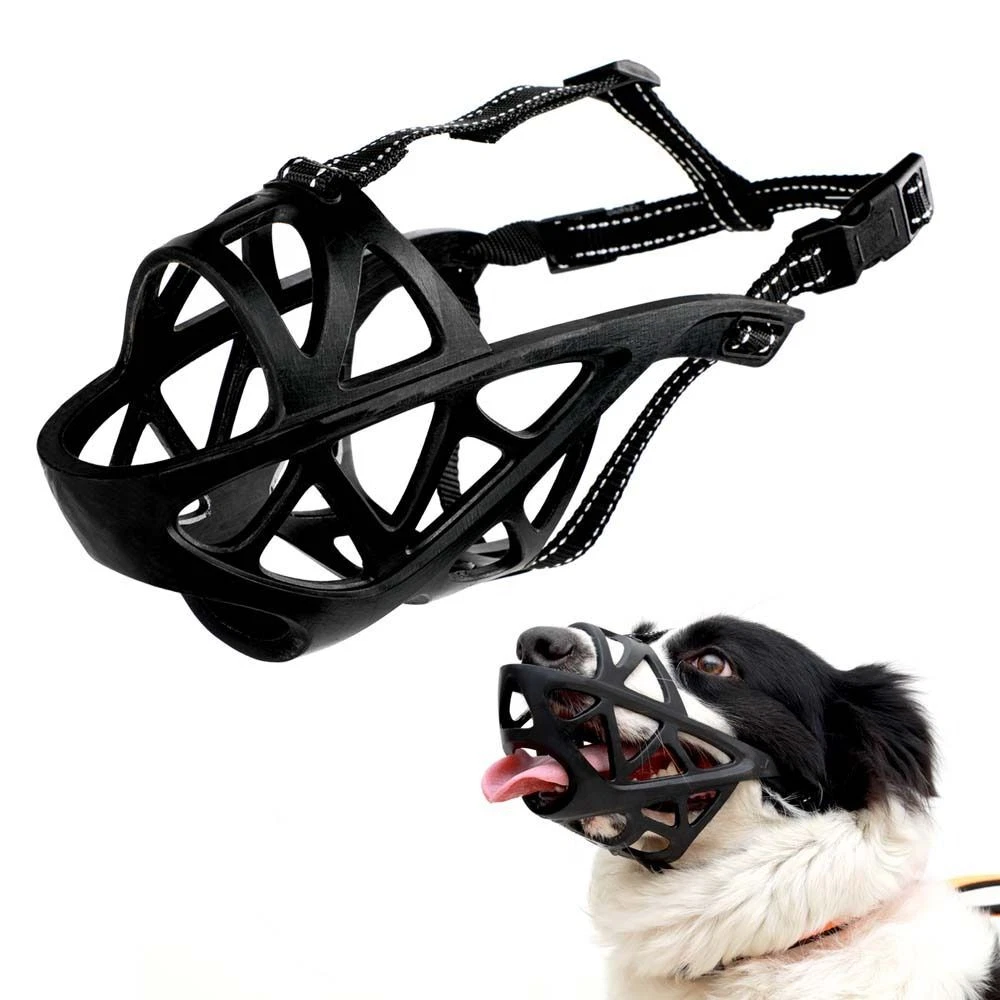
Credit: namibian.com.na
Barking Behavior
Understanding your dog’s barking behavior is crucial for both you and your furry friend. Barking is a natural form of communication for dogs, much like speaking is for humans. While it can sometimes be disruptive, it’s important to recognize why dogs bark and what triggers this behavior. This insight can help you address the barking effectively, rather than relying solely on tools like muzzles.
Why Dogs Bark
Dogs bark for various reasons, and each bark can signify something different. It’s not just noise; it’s their way of expressing themselves. Some dogs bark to alert you of someone approaching the house. Others might bark out of boredom or loneliness. Recognizing the reason behind the bark can help you determine the best way to manage it.
Common Triggers For Barking
Several common triggers can provoke a dog to bark. A dog might bark due to excitement when they see their favorite person or another animal. They might also bark out of fear or anxiety, especially in unfamiliar situations. Environmental factors, like loud noises or even changes in weather, can also cause barking. Identifying these triggers can be a game-changer in managing your dog’s barking behavior.
Have you ever noticed your dog barking at the doorbell? Or perhaps they bark whenever you leave the house? Understanding these patterns can provide insight into their needs and feelings.
Next time your dog starts barking, ask yourself: what are they trying to tell me? This approach can foster a better relationship with your dog and help you address the root cause of their barking.
Myth Vs. Reality
The idea that muzzles stop dogs from barking is common. Many believe muzzles are the solution for noisy dogs. But is this true? Let’s explore the truth behind this myth.
Does A Muzzle Stop Barking?
Muzzles can limit barking but don’t stop it completely. They restrict jaw movement, making barking difficult. The dog might bark less due to discomfort. But a muzzle doesn’t address why a dog barks. It’s not a permanent fix.
Misconceptions About Muzzles
Many think muzzles are cruel or harmful. This isn’t true. When used correctly, muzzles are safe. They can be useful for training or vet visits. Some believe muzzles silence dogs, but they don’t. A muzzle is not a soundproof barrier.
Others think all muzzles are the same. Different muzzles serve different purposes. Some are for short-term use only. Choosing the right muzzle is important. Misuse can cause stress or fear in dogs.
Alternatives To Muzzles
Muzzles can prevent barking, but alternatives like calming collars and training can be effective. Positive reinforcement rewards quiet behavior.
Alternatives to muzzles offer effective ways to manage a dog’s barking. Muzzles can stop barking, but they may not be the best solution. Some dogs find them uncomfortable. There are other methods that can address the root cause of barking. These alternatives can help create a happier environment for both you and your dog.Training Techniques
Training techniques are valuable in reducing barking. Positive reinforcement encourages desired behaviors. Reward your dog when it remains quiet. Consistency is key in training. Short, regular sessions work best. Use treats or praise as rewards. Gradually increase the duration of quiet time. Redirect attention when barking starts. Teach commands like “quiet” or “settle.” Patience is essential for success.Environmental Modifications
Environmental modifications can also help minimize barking. Identify triggers that cause barking. Loud noises or strangers might be triggers. Create a calm space for your dog. Use barriers to limit visual stimuli. Playing soft music can soothe. Keep your dog engaged with toys. Ensure your dog gets enough exercise. A tired dog barks less. Interaction with other dogs can be beneficial. Socialization reduces anxiety.Benefits And Drawbacks
Choosing a muzzle for your dog can be a complex decision. Understanding the benefits and drawbacks is essential. Muzzles can help control barking but come with their own set of pros and cons.
Pros Of Using A Muzzle
- Muzzles can prevent excessive barking, offering peace and quiet.
- They are useful during training sessions to focus on commands.
- Public safety improves, especially around strangers or other animals.
- Some dogs feel calmer when wearing a muzzle.
- Helps in preventing biting during vet visits or grooming.
Potential Downsides
- Muzzles may cause discomfort if worn too long.
- They can hinder natural behaviors like drinking or panting.
- Improper use might lead to increased anxiety in dogs.
- Some dogs might resist wearing a muzzle.
- It is not a long-term solution for behavioral issues.
Choosing The Right Muzzle
Choosing the right muzzle can help manage barking effectively. Muzzles limit barking by restricting mouth movement, offering a temporary solution. Ensure proper fit for comfort and safety, allowing your dog to breathe and pant easily.
Choosing the right muzzle for your dog is crucial if you’re considering using one to manage barking. Not all muzzles are created equal, and selecting the wrong one can lead to discomfort or ineffectiveness. Understanding what to look for can make a significant difference in your dog’s experience and the muzzle’s success.Factors To Consider
When picking a muzzle, consider your dog’s specific needs and habits. – Material: Opt for materials that are durable yet comfortable, like soft plastics or fabric, which are less likely to cause irritation. – Purpose: Is the muzzle for occasional use or longer periods? Some designs are better suited for brief durations. – Breathability: Ensure the muzzle allows your dog to pant and drink. This is essential for their comfort and safety. Think about how often your dog barks and in what situations. This can help you decide the style of muzzle needed.Fit And Comfort
A well-fitted muzzle is crucial to prevent distress and injury. – Size: Measure your dog’s snout accurately. A muzzle that’s too tight can cause pain, while one too loose might not be effective. – Adjustability: Look for muzzles with adjustable straps for a snug yet comfortable fit. This flexibility can accommodate any minor changes in your dog’s size. – Padding: Some muzzles come with padding to reduce chafing, especially around the nose and chin. Imagine wearing an uncomfortable pair of shoes all day. Your dog deserves the same consideration for comfort. Choosing the right muzzle isn’t just about stopping barking; it’s about ensuring your dog’s well-being. What other factors do you think are important when selecting a muzzle for your furry friend?Case Studies
Exploring the effectiveness of muzzles in controlling barking, case studies reveal mixed results. Some dogs remain vocal despite muzzling, while others quiet down significantly. Understanding individual canine behavior is key to choosing the right solution.
Case studies provide invaluable insights into the effectiveness of muzzles in controlling a dog’s barking behavior. By examining real-life examples and gathering expert opinions, we can better understand the impact of using muzzles as a behavioral tool. These studies shed light on both the benefits and limitations, offering a comprehensive view for dog owners contemplating this option.Real-life Examples
Consider the story of Max, a lively Labrador known for his incessant barking at neighborhood squirrels. His owner tried various methods but ultimately decided to try a muzzle. Within weeks, Max’s barking reduced significantly, and his owner noticed a calmer demeanor during walks. Another case involves Bella, a Dachshund with a penchant for barking at strangers. Her owner used a soft muzzle during visits to the vet and observed a noticeable decrease in her anxiety-driven barking. The muzzle helped Bella feel more secure in unfamiliar settings. These examples illustrate how muzzles can be a temporary solution to reduce barking, especially in situations that trigger anxiety or excitement.Expert Opinions
Veterinarians and dog trainers often weigh in on the use of muzzles for barking. Dr. Emily Sanders, a renowned veterinarian, suggests that muzzles can be effective but should not be the sole method for addressing barking issues. She emphasizes the importance of understanding the root cause of the behavior. Dog trainer Alex Turner advises that muzzles are best used in conjunction with training techniques. He highlights the importance of positive reinforcement, suggesting that muzzles can be a useful tool when combined with reward-based training. Experts agree that while muzzles may help reduce barking, they should be part of a comprehensive strategy that includes understanding and modifying the dog’s environment and behavior. Have you considered the root causes of your dog’s barking before turning to a muzzle?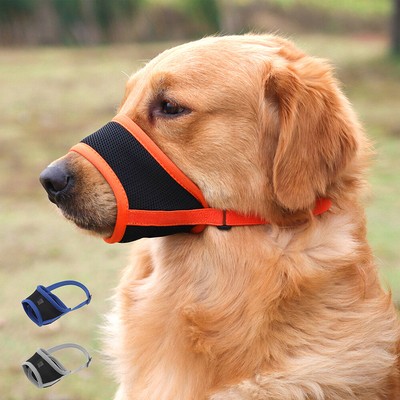
Credit: www.teamduval.org

Credit: collardirect.com
Frequently Asked Questions
Can Muzzles Prevent Dogs From Barking?
A muzzle can limit barking but not completely stop it. Muzzles restrict movement of the mouth, reducing sound. However, dogs can still make noise through their throat. Training is often more effective for managing barking behavior. Muzzles can be useful in specific situations, but they’re not a permanent solution.
Are Muzzles Safe For Dogs To Wear?
Yes, muzzles are generally safe when used correctly. Choose a comfortable, breathable muzzle that allows panting. Avoid leaving muzzles on for extended periods. Supervise your dog while wearing a muzzle. Proper introduction and usage are crucial for safety and comfort.
Consult a veterinarian if you’re unsure about muzzle use.
Do Muzzles Work For Aggressive Dogs?
Muzzles can help manage aggression temporarily. They prevent biting but don’t address underlying issues. Aggression often requires professional training and behavior modification. Muzzles should be part of a comprehensive plan, not a standalone solution. Always consult a professional when dealing with aggressive behavior in dogs.
How Long Can A Dog Wear A Muzzle?
Dogs should wear muzzles for short periods. Limit muzzle use to one hour or less. Ensure your dog can pant and drink water. Monitor your dog’s comfort and behavior while wearing a muzzle. Extended use may cause stress or discomfort.
Always prioritize your dog’s well-being and consult with a professional.
Conclusion
Muzzles can help, but they don’t stop barking entirely. Dogs bark for many reasons. Training and patience are key. Understand your dog’s needs first. A muzzle is a tool, not a solution. Consult a vet or trainer if needed. Choose the right muzzle for comfort.
Remember, barking is natural for dogs. A balanced approach works best. Keep your dog happy and healthy. Safety and well-being come first.


