Imagine this: it’s late at night, and you’re finally settling down after a long day. Just as you start to drift off, your neighbor’s dog begins a relentless barking spree.
You’re desperate for a solution, and in your quest for peace, you wonder if a dog whistle could be the answer. You’re not alone in this dilemma; countless pet owners and neighbors are searching for effective methods to curb excessive barking.
But does a dog whistle really work, or is it just another myth? This article is here to uncover the truth behind dog whistles and their impact on barking. By the end, you’ll have the insights you need to decide if this tool is right for your noisy predicament. Get ready to discover whether a simple whistle can bring back your tranquility.
What Is A Dog Whistle?
Understanding the purpose of a dog whistle is crucial for pet owners. These tools emit sounds at frequencies humans can’t hear, but dogs can. They serve as training aids, helping modify canine behavior, including barking.
History And Development
The concept of dog whistles dates back to the 19th century. Inventor Francis Galton first introduced them. Over time, they evolved from simple whistles to advanced ultrasonic devices. The development focused on targeting dogs’ acute hearing abilities. This innovation aimed to refine communication between humans and dogs.
How It Works
Dog whistles produce high-frequency sounds. Humans cannot hear them, but dogs can. These frequencies range between 16,000 to 22,000 Hz. Dogs perceive them as distinct signals. Whistles can grab attention or interrupt unwanted behavior. Training involves associating specific frequencies with commands. Over time, dogs learn to respond accordingly. This method proves effective in reducing excessive barking.
Purpose Of Dog Whistles
Dog whistles can help reduce barking by emitting sounds only dogs hear. These sounds distract and refocus a barking dog. Training with a whistle can teach dogs to associate the sound with a command to quiet down.
The purpose of dog whistles often sparks curiosity among dog owners, especially when dealing with excessive barking. These small, handy tools emit a sound that is typically inaudible to humans but easily heard by dogs. While it might seem like magic, dog whistles serve specific functions that can aid in training and correcting behavior.Training And Commands
Dog whistles are effective for training and issuing commands. Imagine a tool that can cut through distractions, grabbing your dog’s attention instantly. With a whistle, you can train your dog to respond to specific cues, such as sitting or coming back to you, without shouting across the park. Consistency is key. Use the whistle consistently to associate it with a specific command. Eventually, your dog will understand that the whistle sound means it’s time to focus and obey.Behavior Correction
Dog whistles can help correct unwanted behavior, like excessive barking. When your dog hears the whistle, it might stop barking to figure out the source of the sound. This pause is your opportunity to reinforce quiet behavior with a treat or praise. The whistle should not be used as a punishment. Instead, think of it as a gentle reminder for your dog to stop and listen to you. Over time, this can help reduce excessive barking and improve overall behavior. Have you ever tried using a dog whistle? If not, it might just be the silent solution you need.Dog Whistle Effectiveness
Dog whistles are popular tools for training. Many dog owners use them to stop barking. But how effective are they? Let’s explore this topic.
Scientific Studies
Research shows mixed results on dog whistle effectiveness. Some studies find they work well. Dogs can hear high frequencies that humans can’t. This makes dog whistles a unique tool. But not all dogs respond the same way. Their breed, age, and training matter.
One study tested dog responses to different sounds. High-frequency whistles got varied reactions. Some dogs stopped barking, while others did not. Scientists suggest consistency in training. This means using the whistle regularly for best results.
Practical Experiences
Many dog owners share their experiences. They find whistles useful. They praise its simplicity. No shouting or complicated commands needed. Just a blow of the whistle can work.
Some dogs respond immediately. Others need more time. Owners recommend patience. They suggest pairing the whistle with treats. This reinforces good behavior. But not all dogs react the same way. Some may ignore the whistle. This could be due to hearing issues or disinterest.
Experienced trainers agree. It’s not a one-size-fits-all solution. But with practice, many see positive changes. They suggest experimenting with different frequencies. Find what works best for your dog. Consistency and patience are key.
Why Dogs Bark
Have you ever wondered why your dog barks at seemingly random moments? Understanding the reasons behind your dog’s barking can help you address this behavior more effectively. While a dog whistle might seem like a quick fix, knowing why dogs bark is essential to finding a lasting solution.
Common Triggers
Dogs often bark in response to specific triggers. It could be the mailman delivering your daily letters, or perhaps a squirrel darting across the yard. These external stimuli can prompt your furry friend to vocalize their presence or concern. Consider how your dog reacts during thunderstorms or when someone rings the doorbell. This type of barking is often a reflexive response to environmental changes.
Communication And Instinct
Barking is a primary mode of communication for dogs. Through barking, they express excitement, fear, or even warn you about potential threats. It’s not just about annoyance; it’s a natural instinct embedded in their DNA. Think about how dogs have been used for guarding purposes throughout history. Barking is a protective behavior that helps keep you safe and informed. When your dog barks, it’s their way of communicating with you.
Have you considered how your dog uses barking to interact with other animals? It’s a fascinating insight into their social instincts and communication skills. Observing these patterns can provide valuable clues about what your dog is trying to tell you. Addressing these communication needs may require more than just a whistle—it could mean fostering a deeper understanding of your dog’s world.
Alternatives To Dog Whistles
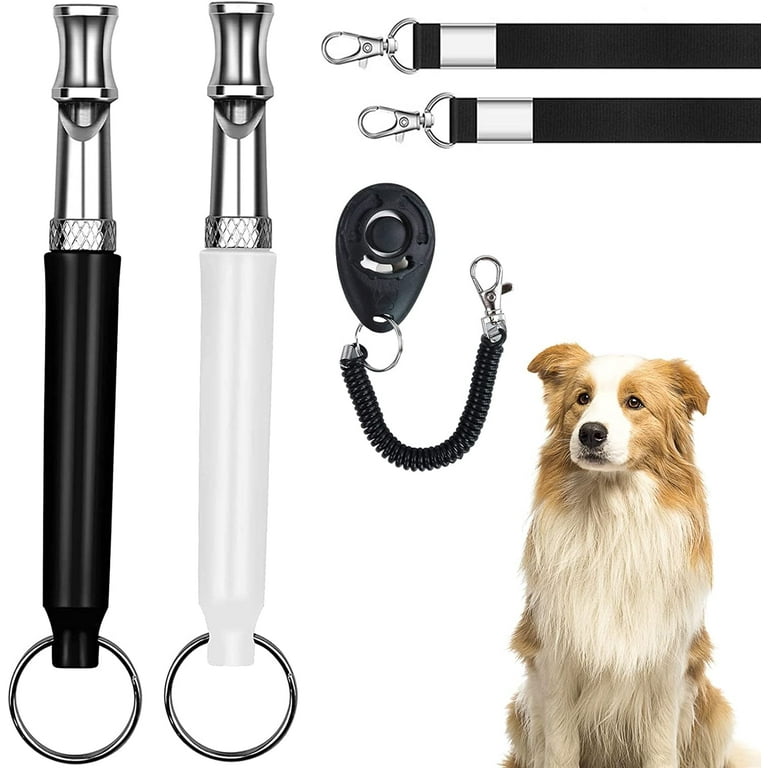
Exploring alternatives to dog whistles can help manage barking. Tools like clickers and positive reinforcement techniques offer effective solutions. These methods focus on rewarding good behavior rather than just silencing noise.
Alternatives to dog whistles can offer effective solutions for stopping excessive barking. While dog whistles are popular, exploring other methods can be beneficial. These alternatives focus on addressing the root causes of barking, creating a peaceful environment for both pets and owners.Behavioral Training
Behavioral training helps dogs understand desired behavior. It involves teaching commands and rewarding positive actions. Consistency is key in behavioral training. Use treats and praise to reinforce good behavior. This approach builds trust between the dog and owner. It also reduces anxiety, which often leads to barking.Environmental Adjustments
Adjusting the dog’s environment can decrease barking. Identify triggers causing distress or excitement. If loud noises upset your pet, consider soundproofing areas. Providing toys and activities can keep your dog occupied. A tired dog barks less. Ensure your dog has a comfortable space to relax. Creating a calm setting can help minimize unnecessary barking.
Credit: eurotradefish.com
Pros And Cons Of Using Dog Whistles
Dog whistles can help reduce barking by capturing a dog’s attention with their unique sound. Effective for training, they offer a humane method to manage excessive noise. However, not all dogs respond, and consistent use is required for results.
Dog whistles are often considered a tool for managing barking behavior. They emit a sound at a frequency that humans cannot hear but dogs can. Understanding their advantages and disadvantages helps dog owners make informed decisions.Benefits
Dog whistles are silent to humans. This feature is ideal for controlling barking without disturbing neighbors. They are portable and easy to use anywhere. Whistles can train dogs to obey commands. These tools help in establishing a quiet environment. They are non-intrusive and promote peaceful coexistence.Potential Drawbacks
Not all dogs respond to whistles. Some might ignore the sound completely. Training requires patience and consistency. Results are not immediate. Misuse might confuse dogs instead of correcting behavior. Whistles alone may not solve all barking issues. Dogs may require additional training methods. Not a one-size-fits-all solution for every dog.Choosing The Right Dog Whistle
Choosing the right dog whistle can make a difference in training. It helps control barking and improve communication. A well-chosen whistle can create harmony between you and your pet.
Frequency And Design
Dog whistles come in various frequencies. High-frequency whistles are often silent to human ears. Dogs have sensitive hearing and respond to these frequencies. Choose a frequency that suits your dog’s sensitivity. Some whistles have adjustable frequencies. This feature allows you to find the best tone for your dog.
The design of the whistle matters too. Lightweight and compact designs are easy to carry. Consider whistles with a lanyard or keychain attachment. This ensures you won’t misplace it during walks. A durable material is essential for long-term use. Metal and high-quality plastic are popular choices.
User Tips
Introduce the whistle gradually. Start in a quiet environment. Use treats to reward your dog when they respond correctly. Consistency is key to effective training.
Practice short sessions to avoid overwhelming your pet. Use the whistle for commands like “stop” or “come.” Pair the sound with a hand signal for better understanding. Over time, your dog will associate the whistle with commands.
Be patient and give your dog time to adapt. Every dog learns at their own pace. Use positive reinforcement to encourage good behavior. This builds a positive association with the whistle.

Credit: www.amazon.co.uk
Case Studies And Testimonials
Understanding whether a dog whistle can effectively stop barking often requires looking at real-life examples. Case studies and testimonials from dog owners and trainers provide valuable insights into the efficacy of this tool. Here, we delve into both the success stories and the challenges faced by those who have tried using dog whistles to curb excessive barking.
Success Stories
Many dog owners have shared inspiring stories of how dog whistles transformed their noisy households into peaceful havens. One owner mentioned that her Labrador, who barked at every passing car, started responding to a whistle almost immediately. She found that consistent use reinforced the behavior, making her dog quieter over time.
Similarly, a trainer working with a rescue shelter reported using whistles successfully to manage a group of excitable dogs. By associating the sound of the whistle with a reward, the dogs learned to calm down and reduced their barking significantly. This approach not only benefited the dogs but made the shelter environment more manageable.
Challenges Faced
Despite these successes, not everyone finds dog whistles to be a magic solution. Some dogs may not react to whistles at all, especially if they have hearing issues or are too stressed. One owner noted that her dog was more distracted by the whistle than deterred, leading to more confusion than calm.
Another challenge is consistency. The whistle must be used correctly and regularly to see results. A trainer highlighted that without consistent reinforcement, the dog’s response to the whistle might fade over time. This raises the question: is a dog whistle the right tool for your barking problem?
Ultimately, while dog whistles can be effective for some, they aren’t a universal solution. Consider the unique needs and temperament of your dog before deciding if this tool is worth trying. Would you be willing to test a dog whistle on your furry friend?

Credit: maurofiesta.com
Frequently Asked Questions
How Does A Dog Whistle Work?
A dog whistle emits a high-frequency sound that is inaudible to humans. Dogs can hear these frequencies, which can grab their attention. It can be used in training to signal commands or stop behaviors like barking.
Can Dog Whistles Stop Barking Instantly?
A dog whistle may not stop barking instantly. It requires consistent training and reinforcement. With regular use, dogs learn to associate the whistle with stopping barking. Patience and persistence are key for effective results.
Are Dog Whistles Safe For Dogs?
Yes, dog whistles are safe for dogs when used correctly. They are designed to emit frequencies that are within a dog’s hearing range. However, excessive use can be annoying to dogs, so it’s important to use them sparingly.
Do All Dogs Respond To Whistles?
Not all dogs respond to whistles immediately. Some might need training to associate the sound with commands. Different breeds and temperaments may require different approaches. It’s important to be patient and consistent in training.
Conclusion
Dog whistles can help manage barking. Not every dog responds the same. Consistency and patience are key. Use the whistle as a tool, not a fix-all. Understanding your dog’s behavior is crucial. Training takes time. Some dogs need extra guidance.
Explore other methods if needed. Always prioritize your dog’s well-being. A calm environment helps too. Consult a professional for persistent issues. Remember, every dog is unique. With effort, you can achieve quieter days. Enjoy the journey with your furry friend.


