
Are you searching for effective ways to train your dog? Using a shock collar can be a powerful tool if used correctly.
You might have heard mixed opinions about shock collars, and it’s natural to have concerns. But imagine having a well-behaved dog that listens to your commands and avoids dangerous behaviors. In this guide, we’ll show you how to use a shock collar safely and effectively.
You’ll learn practical tips and insights that could transform your dog training routine. If you want to boost your dog’s learning experience and ensure their safety, keep reading. You’ll discover techniques that are not only humane but also proven to work. Let’s dive in and make dog training simpler for you.
Credit: www.walmart.com
Choosing The Right Shock Collar
Selecting the right shock collar is crucial for effective dog training. Prioritize adjustable settings for safety and comfort. Consider the collar’s range and durability to ensure it meets training needs.
Choosing the right shock collar is crucial for effective dog training. The ideal collar should suit your dog’s needs and ensure safety. With various options available, making an informed choice can seem overwhelming. Understanding the different types and features will guide you to the best decision.Types Of Shock Collars
Shock collars come in various styles for different training goals. Basic shock collars are suitable for general obedience training. They provide mild electric stimulation to correct unwanted behavior. Remote-controlled collars offer more control and flexibility during training sessions. Anti-bark collars automatically respond to your dog’s barking without manual intervention. Each type serves a specific function, so choose one based on your dog’s training needs.Features To Consider
When selecting a shock collar, pay attention to key features. Look for adjustable intensity settings. This allows you to customize the level of stimulation. A long battery life ensures the collar remains functional during extended training sessions. Waterproof collars are ideal for outdoor use, providing durability in various weather conditions. Consider models with a range suitable for your training environment. The remote range should cover your usual training area for optimal control.Size And Fit
A proper fit is essential for a shock collar to work effectively. Measure your dog’s neck accurately before purchasing. Collars should be snug but not too tight, allowing for comfortable wear. Adjustable collars provide a better fit for growing dogs. Choose a lightweight collar to prevent discomfort or irritation. A well-fitted collar ensures consistent contact with your dog’s skin, enhancing training results.Understanding Your Dog’s Behavior
Understanding your dog’s behavior is crucial before starting any training regimen with a shock collar. Dogs communicate through a variety of signals, and recognizing these can make training more effective. Knowing your dog’s unique traits and tendencies helps tailor the training to their needs, ensuring a positive experience for both of you.
Identifying Training Needs
Every dog has specific training needs based on their breed, age, and personality. Some dogs may require more guidance with basic commands, while others might need help with behavioral issues like excessive barking or jumping. Pay attention to areas where your dog struggles and set clear objectives for improvement.
Consider your dog’s natural instincts. A high-energy dog may need more physical activity, while a timid dog might benefit from confidence-building exercises. By observing your dog’s daily interactions, you’ll spot areas needing attention, making it easier to focus your training efforts.
Signs Of Stress Or Discomfort
While training, watch for signs of stress or discomfort in your dog. These can include excessive panting, whining, or a tucked tail. If your dog exhibits these signs, it may be time to reassess your approach. You want your training sessions to be productive, not distressing.
It’s essential to balance firmness with compassion. If you notice your dog struggling, take a step back and adjust your methods. Sometimes, reducing the intensity or frequency of shock collar usage can help ease stress. Remember, a happy dog is a more receptive learner.
Setting Up The Shock Collar
Setting up a shock collar requires careful attention to fit and comfort. Begin by ensuring the collar is snug but not too tight. Adjust the settings gradually, starting with the lowest level to gauge your dog’s response.
Setting up a shock collar for dog training is a crucial step to ensure effective and humane training. As a dog owner, you want to use the collar as a tool for communication, not punishment. Consider the settings and fit of the collar to create a positive learning environment for your furry friend.Adjusting Settings
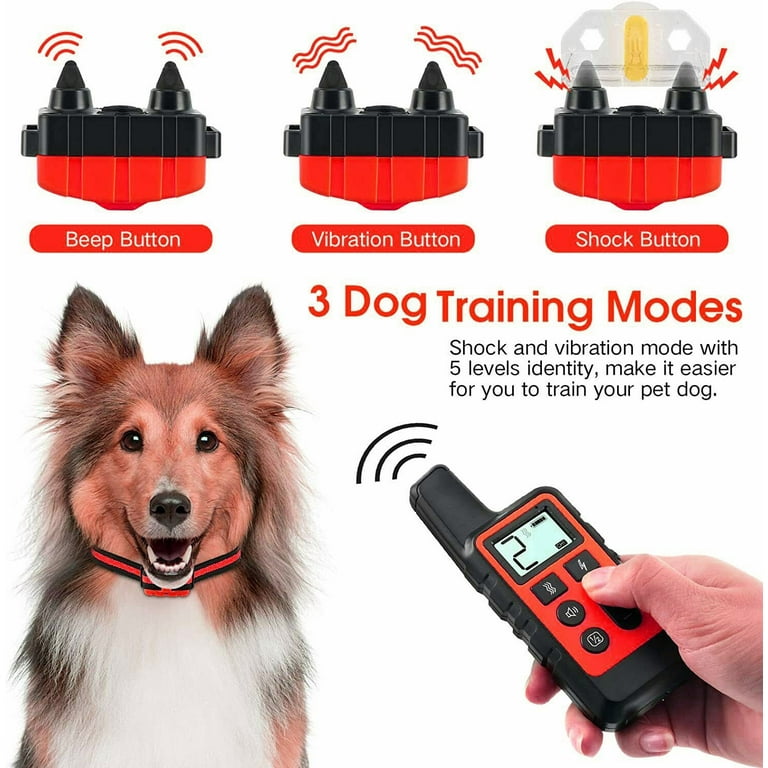
Before placing the collar on your dog, familiarize yourself with the remote control and settings. Adjust the intensity level to the lowest setting to start with. Observe your dog’s reaction and gradually increase if needed. Dogs have different sensitivities, so the right level for one might not be suitable for another. Use the beep or vibration mode initially to alert your dog before using the shock feature. This can help your pet understand that a correction might follow.Proper Collar Placement
Ensure the collar fits snugly, but not too tight. You should be able to slide two fingers between the collar and your dog’s neck. Place the collar on the lower part of the neck, ensuring the contact points touch the skin. If your dog has thick fur, you might need to adjust the position or trim the hair slightly. Avoid leaving the collar on for extended periods. Limit wear to 12 hours a day to prevent irritation or discomfort. Rotate the collar’s position to minimize risk of pressure sores.
Credit: www.walmart.com
Training Techniques With Shock Collars
Shock collars are tools that can aid in training dogs. Using them correctly ensures effective training and a positive experience for your pet. Understanding the training techniques is crucial for success.
Positive Reinforcement
Combine the shock collar with positive reinforcement. Reward your dog when it responds correctly. Use treats, praise, or playtime as rewards. This encourages good behavior and strengthens the bond.
Timing And Consistency
Proper timing is vital. Deliver the correction immediately after the unwanted behavior. Consistency is key for effective learning. Ensure everyone uses the collar in the same way. This prevents confusion for your dog.
Gradual Intensity Adjustment
Start with the lowest intensity setting. Observe your dog’s reaction. Increase the intensity gradually if necessary. Always aim for the minimum level that gets a response. This approach ensures the safety and well-being of your dog.
Safety And Ethical Considerations
Using a shock collar for dog training often sparks debate. It’s crucial to consider safety and ethics. A shock collar can help correct behavior, but it must be used responsibly. Misuse can lead to fear or aggression, harming your dog’s well-being. Let’s explore ways to minimize risks and consider alternatives.
Minimizing Risks
Ensure the shock collar fits properly. A loose collar can cause inconsistent shocks. Follow instructions carefully to set the right intensity. Start with the lowest setting. Gradually increase if necessary. Observe your dog’s reactions closely. Stop immediately if your dog shows signs of distress.
Train your dog in a calm environment. Avoid busy or noisy areas. Consistent commands and positive reinforcement help. Combine the collar with rewards like treats or praise. This encourages learning without fear. Consult a professional if you’re unsure. They can guide you on proper usage.
Alternatives To Shock Collars
Consider positive reinforcement techniques. Reward good behavior with treats, toys, or affection. This builds trust and encourages learning. Clicker training is another option. It uses a clicking sound to mark desired behavior. Dogs learn to associate the sound with rewards.
Try gentle leader harnesses. They provide control without discomfort. These harnesses guide your dog and reduce pulling. Basic obedience classes can also help. Professional trainers offer structured lessons. They teach commands and improve behavior effectively.

Credit: completeeq.com
Evaluating Training Progress
Understanding how a shock collar works is crucial for effective dog training. Begin by setting clear training goals and track progress regularly. Adjust the collar’s settings as needed to ensure it aids learning, without causing distress.
Evaluating the progress of your dog training is crucial, especially when using a shock collar. It’s important to know if your furry friend is responding positively to the training. This will help you understand whether to continue with your current methods or make necessary adjustments. Regular assessment ensures that your training is effective and that your dog remains comfortable and happy.Monitoring Behavior Changes
Keep an eye on your dog’s behavior both during and after training sessions. Notice any shifts in their demeanor or attitude. Are they more obedient? Do they seem stressed or anxious? Create a simple checklist to note any behavioral changes. Document improvements or setbacks in obedience and response times. This will provide a clear picture of your dog’s progress over time. Incorporate short, informal assessments. Try testing commands in different environments to see if your dog consistently responds well. This can reveal if your training is translating into real-world situations.Adjusting Training Methods
If you notice that your dog is not progressing, it might be time to tweak your approach. Consider the intensity of the shock setting. Is it too high or too low for your dog’s temperament? Experiment with adjusting the duration and timing of your training sessions. Sometimes, shorter, more frequent sessions can yield better results than longer, sporadic ones. Seek feedback from other dog owners or a professional trainer. They might have insights or techniques that could enhance your training strategy. Remember, every dog is unique, and finding the right approach can take some trial and error. Engage with your dog and observe their reactions closely. Your connection with them is key to understanding what works best. Are you noticing more wagging tails or reluctant behavior? Use these signals to fine-tune your training methods.Expert Advice And Resources
Explore expert tips and essential resources for effectively using shock collars in dog training. Learn safe techniques to ensure your pet’s comfort and success.
Understanding how to use a shock collar effectively and humanely is crucial for your dog’s training journey. While shock collars can be a useful tool, they should be used with caution and guidance to ensure your dog’s safety and well-being. Expert advice and resources play an essential role in helping you navigate this training method.Consulting Professional Trainers
Reaching out to a professional dog trainer can be invaluable. They can demonstrate the correct way to use a shock collar, ensuring you’re applying the right amount of stimulation. A professional can also help you understand your dog’s unique needs and how to adapt training methods accordingly. Have you considered attending a local dog training class? These classes often offer hands-on advice and give you the chance to see different training techniques in action. Plus, you’ll be able to ask questions and get immediate feedback.Educational Materials And Guides
There are numerous resources available to help you learn more about shock collar training. Books, online courses, and videos can provide detailed instructions and tips from experts. Check out reputable websites and forums where experienced dog owners share their insights and experiences. This can be a great way to learn from others’ successes and mistakes. Look for step-by-step guides that break down the process, making it easy to follow at your own pace. Are you the type who learns best visually? If so, instructional videos might be particularly helpful.Frequently Asked Questions
How Effective Are Shock Collars For Dog Training?
Shock collars can be effective if used correctly and consistently. They provide immediate feedback to discourage undesired behaviors. It’s important to combine their use with positive reinforcement techniques. Always ensure the collar is appropriately fitted and the intensity is suitable for your dog’s size and temperament.
Are Shock Collars Safe For All Dogs?
Shock collars are generally safe but may not be suitable for all dogs. Dogs with health issues or anxiety might react adversely. It’s crucial to consult a veterinarian before use. Proper training and monitoring can minimize risks, ensuring the collar is used as a training aid rather than a punishment tool.
How Do I Introduce A Shock Collar To My Dog?
Start by letting your dog wear the collar without activating it. Allow your dog to get used to its presence. Gradually introduce the stimulation at the lowest setting during training sessions. Ensure positive reinforcement is included to associate good behavior with rewards, enhancing the learning process.
What Behavior Can Shock Collars Correct?
Shock collars can help correct behaviors like excessive barking, aggression, or disobedience. They deliver a mild shock when unwanted behavior occurs, providing instant feedback. It’s essential to pair collar use with training techniques, ensuring your dog understands desired actions. Consistency and patience are key for effective results.
Conclusion
Training a dog with a shock collar requires care and patience. Start with low settings and observe your dog’s reactions closely. Always combine collar use with positive reinforcement, like treats or praise. This helps your dog understand what you expect.
Consistency is key to effective training. Never use the collar as a punishment tool. It should guide, not frighten. Consult a professional if you face challenges. Every dog is unique, and methods may vary. Stay patient and committed. Your bond with your dog will grow stronger with understanding and respect.


