Can Dogs Eat Acorn Squash Skin? Essential Insights
You love your furry friend like family and always want the best for them. As you prepare a delicious acorn squash for dinner, you might wonder if your dog can safely nibble on some of its skin.
It’s a common curiosity among pet owners, and you’re not alone in wanting to ensure your dog’s health and happiness. Understanding what foods are safe for your dog is crucial. So, what about acorn squash skin? Could it be a tasty treat or a risky bite?
Your dog’s well-being is at stake, and knowing the facts can make all the difference. Dive in to discover whether this colorful squash skin should be on your dog’s menu or kept far from their bowl. Your peace of mind and your dog’s safety are just a few lines away.
Nutritional Value Of Acorn Squash
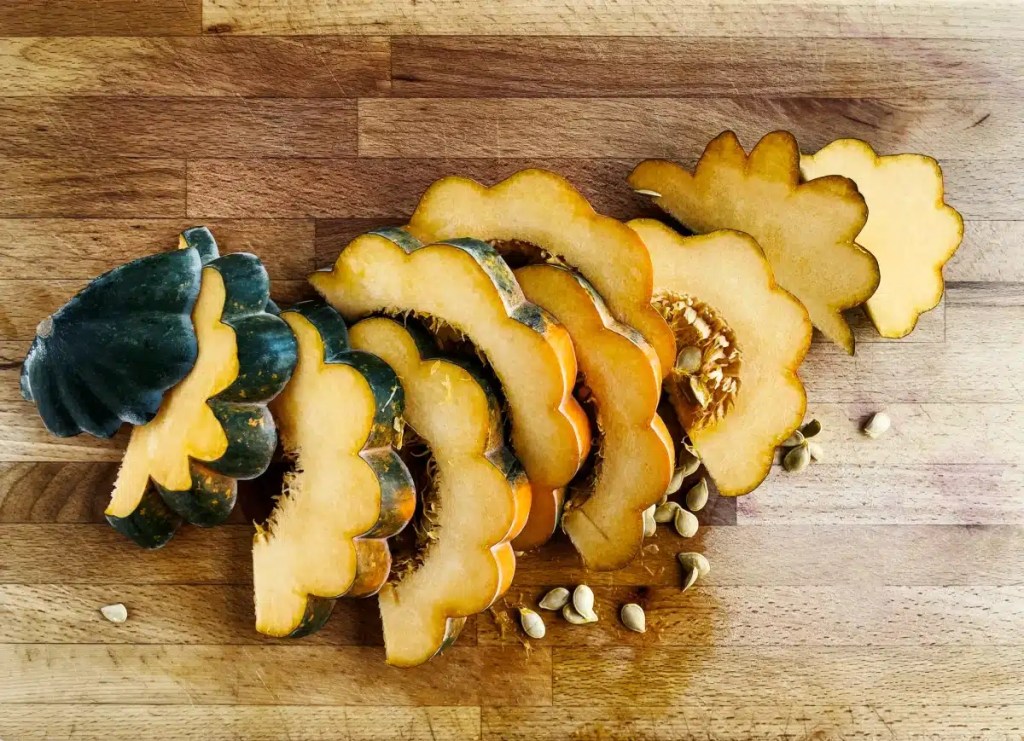
Acorn squash is rich in vitamins A and C, fiber, and potassium. Dogs can eat the flesh, but avoid giving them the skin. It can be tough and hard to digest, causing potential stomach issues. Always introduce new foods gradually to your pet’s diet.
Nutritional Value of Acorn Squash Acorn squash is a vibrant addition to any diet. Its rich nutritional profile makes it a beneficial choice for dogs. Packed with essential vitamins and minerals, it supports overall health and vitality. The fiber content helps digestion and maintains a healthy weight. Let’s explore the benefits in detail.Vitamins And Minerals
Acorn squash is rich in vitamins A and C. Vitamin A promotes good vision and skin health. Vitamin C boosts the immune system and aids in healing. It also contains vitamin B6, which enhances brain function. Essential minerals like potassium and magnesium are abundant. Potassium helps maintain fluid balance and supports muscle function. Magnesium is crucial for energy production and bone health.Fiber Content
The fiber in acorn squash aids digestion. It helps regularize bowel movements and prevents constipation. Fiber also supports a healthy gut. It can lower cholesterol levels and maintain blood sugar. This nutrient is key for dogs with weight concerns. A fiber-rich diet can help keep them full longer.
Credit: noblevetclinic.com
Safety Of Acorn Squash Skin For Dogs
Acorn squash is a nutritious vegetable that many dog owners enjoy. The question arises whether its skin is safe for dogs. Understanding the safety of acorn squash skin is crucial before sharing it with your furry friend.
Potential Risks
The skin of acorn squash can pose risks to dogs. It is tough and hard to chew. This might cause choking or digestive issues. Sharp pieces can scratch your dog’s throat or digestive tract. Always monitor your dog when they eat new foods.
Digestibility
Dogs have different digestive systems than humans. Acorn squash skin is fibrous and difficult to digest. Eating it may lead to stomach upset or blockages. Softened skin is easier to digest. Cook it well before offering it to your dog.
Benefits Of Acorn Squash For Dogs
Dogs can safely enjoy acorn squash, but avoid the skin. It might be hard to digest for them. Rich in vitamins and fiber, acorn squash offers nutritional benefits when served without its tough outer layer. Always ensure the squash is cooked and free from seeds.
Acorn squash is not just a delicious autumn treat for humans; it can also be a healthy addition to your dog’s diet. Dogs, like humans, can benefit from the nutrients packed inside this versatile vegetable. But what exactly makes acorn squash a beneficial snack for our furry friends? Let’s break it down.Health Advantages
Acorn squash is a powerhouse of vitamins and minerals that are essential for your dog’s health. It is rich in vitamin A, which supports eye health and boosts the immune system. Vitamin C is another key component, aiding in tissue repair and enzymatic production. This squash is also a great source of dietary fiber. Fiber is crucial for maintaining a healthy digestive system and can help prevent constipation. Additionally, fiber can make your dog feel full longer, which is helpful if you’re managing their weight.Skin Vs. Flesh
When considering feeding your dog acorn squash, you might wonder about the difference between the skin and the flesh. The flesh of the squash is where most of the nutrients are concentrated. It’s soft, easy to digest, and packed with vitamins. On the other hand, the skin of the acorn squash is tougher and might be difficult for some dogs to digest. While it’s not toxic, it can pose a choking hazard or cause digestive discomfort for smaller dogs or those with sensitive stomachs. Have you ever tried giving your dog a new treat and watched them savor it with delight? You might find that your dog loves the taste of cooked acorn squash flesh. Just make sure to remove the skin to keep them safe and healthy. As you consider adding acorn squash to your dog’s diet, think about how you prepare it. Roasting the flesh without any added spices or butter is a simple way to serve this nutritious vegetable. How will you introduce this tasty treat to your canine companion?Preparation Tips For Feeding Dogs
Feeding your dog acorn squash can be a healthy treat. It requires proper preparation. The skin can be tough and hard to digest. Removing it before cooking is best. Let’s explore some tips for safe preparation.
Cooking Methods
Baking is a preferred method. Preheat your oven to 400°F. Cut the squash in half and scoop out the seeds. Place the halves on a baking sheet, skin side down. Bake for about 45 minutes until tender.
Steaming is another option. Cut the squash into chunks. Place in a steamer basket over boiling water. Steam for 20 minutes until soft.
Boiling is simple. Peel and cube the squash. Boil in a pot of water for 15 minutes until fork-tender.
Serving Suggestions
Once cooked, let the squash cool. Mash it well to avoid choking hazards. Serve it plain without added spices or butter.
You can mix it with your dog’s regular food. Start with small amounts to check for allergies.
Freeze leftovers in small portions for future use. This makes meal prep easy and quick.
Alternatives To Acorn Squash Skin
Many dog owners wonder if their pets can safely eat acorn squash skin. It’s not recommended, as the skin can be tough and hard to digest. Consider other vegetables like carrots or peeled sweet potatoes as a safer option for your furry friend.
Alternatives to Acorn Squash Skin Acorn squash skin might be difficult for dogs to digest. Luckily, there are plenty of other healthy vegetable options. They offer similar benefits without the potential digestive issues. Here are some safe alternatives for your furry friend.Other Safe Vegetables
- Carrots: Crunchy and sweet, carrots are excellent for dental health.
- Sweet Potatoes: Rich in fiber, they aid digestion and are gentle on the stomach.
- Green Beans: Low in calories, they make a great snack for weight management.
- Peas: Packed with vitamins, peas support overall health and vitality.
- Broccoli: Full of antioxidants, it boosts the immune system.
Recommended Treats
- Apple Slices: Crisp and hydrating, apples offer vitamins and minerals.
- Blueberries: Small and tasty, they are perfect for a quick antioxidant boost.
- Bananas: Soft and easy to chew, bananas are rich in potassium.
- Melon Chunks: Refreshing and sweet, they help keep your dog hydrated.
- Plain Popcorn: Air-popped, it provides a light and crunchy treat.

Credit: livelypaws.com
Signs Of Allergic Reactions In Dogs
Acorn squash skin is generally safe for dogs. Yet, some dogs might develop allergic reactions. Knowing the signs of an allergic reaction can help pet owners act quickly. Early detection can prevent serious health issues. Dogs show unique symptoms when allergic. Understanding these signs is crucial for their well-being.
Common Symptoms
Dogs with allergies may show various symptoms. Watch for itching or excessive scratching. Red or inflamed skin is another indicator. Vomiting or diarrhea can occur. Swelling around the face or eyes might happen. Coughing or sneezing are also common. Difficulty breathing is a serious sign. Loss of appetite might be present. Behavioral changes, like irritability, can indicate discomfort.
Emergency Measures
Immediate action is necessary if severe symptoms appear. Contact your veterinarian without delay. Avoid giving more acorn squash. Keep your dog calm and comfortable. Ensure they have access to fresh water. Monitor their breathing closely. Administer prescribed medication if available. Follow vet instructions carefully. In emergencies, visit the nearest animal clinic.

Credit: www.earthbornholisticpetfood.com
Frequently Asked Questions
Can Dogs Safely Eat Acorn Squash Skin?
Dogs can eat acorn squash skin in small amounts. The skin is not toxic, but it may be hard for some dogs to digest. Ensure the skin is thoroughly washed and cooked before offering it to your pet. Always consult your vet for personalized advice.
Is Acorn Squash Skin Nutritious For Dogs?
Acorn squash skin contains fiber and vitamins beneficial for dogs. However, the nutritional benefits are minimal compared to the flesh. It’s better to focus on the flesh for maximum health benefits. Consult your vet for dietary advice specific to your dog’s needs.
How To Prepare Acorn Squash For Dogs?
To prepare acorn squash for dogs, remove the seeds and cook the squash until soft. You can serve it mashed or chopped in small pieces. Avoid adding any seasonings or oils. Cooked squash is easier for dogs to digest and enjoy.
Can Acorn Squash Cause Allergies In Dogs?
Acorn squash is generally safe and unlikely to cause allergies in dogs. However, every dog is unique, and allergies can occur. Introduce it slowly and watch for any adverse reactions. If you notice any symptoms, consult your veterinarian immediately.
Conclusion
Dogs can enjoy acorn squash, but skip the skin. It’s tough to digest. The flesh offers vitamins and fiber. Great for their health. Always cook it first. Raw squash can be hard on their stomachs. Remove seeds as well. They can be a choking hazard.
Moderation is key. Treats should not replace regular meals. Introduce new foods slowly. Watch for any allergic reactions. Consult your vet if unsure. They know your dog best. Keep meals balanced. Healthy dogs are happy dogs. Enjoy feeding your furry friend.
Safely and with love.