
Do Dogs Need Coats in the Winter: Essential Guide
Winter is just around the corner, and as you bundle up in your favorite coat, you might wonder if your furry friend needs one too. You’ve probably seen adorable pictures of dogs in coats, but do they really need them?
With temperatures dropping, you want to ensure your dog stays comfortable and safe. This article will explore whether your dog actually needs a coat in the winter, and what factors determine this. From understanding your dog’s breed to recognizing signs of discomfort, you’ll discover how to make the best decision for your beloved pet.
Keep reading to find out the truth behind dogs and winter coats – and make sure your dog stays happy and healthy all season long!
Credit: www.abc.net.au
Dog Breeds And Cold Weather
Winter weather can be harsh on our furry friends. Some dogs handle the cold better than others. Understanding which breeds are naturally equipped for chilly climates helps in caring for them during winter months. Let’s explore which dog breeds are cold-resistant and which need extra warmth.
Naturally Cold-resistant Breeds
Some dog breeds thrive in cold weather. They have thick coats that keep them warm. Breeds like Siberian Huskies and Alaskan Malamutes are built for snow. Their dense fur acts like insulation. These dogs are known for pulling sleds in icy regions. Bernese Mountain Dogs also enjoy cooler climates. Their double coats shield them from the cold. Newfoundland dogs, known for their water rescue skills, have oily fur that repels moisture. These breeds are naturally equipped to handle winter’s chill.
Breeds That Need Extra Warmth
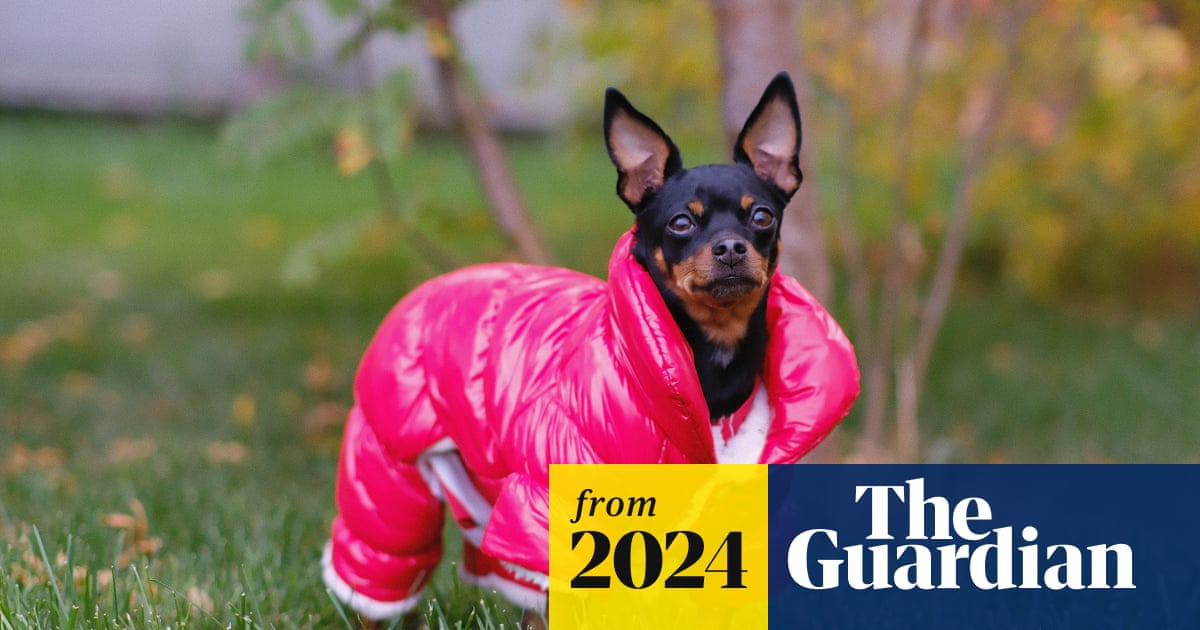
Not all dogs can endure the cold. Smaller breeds often need more protection. Chihuahuas and Dachshunds have short fur. They struggle to retain body heat. Greyhounds, with their slender bodies, feel the cold easily. Breeds like French Bulldogs and Boston Terriers lack thick insulation. These dogs benefit from coats or sweaters. Even some larger breeds, like Dobermans, may need extra warmth. Their short, sleek coats provide minimal protection. Owners should consider extra layers for these dogs during winter.
Factors Affecting Cold Weather Tolerance
Cold weather tolerance in dogs depends on breed, size, age, and health. Smaller or short-haired dogs often need coats. Puppies and older dogs may require extra warmth during winter months.
Factors Affecting Cold Weather Tolerance Dogs have different levels of tolerance to cold weather. Some dogs need extra protection like coats during winter. Understanding these factors can help decide if your dog needs a coat.Age And Health Considerations
Young puppies and senior dogs often struggle with cold. Their bodies can’t regulate temperature well. Puppies have less fat and weaker immune systems. Older dogs may suffer from arthritis or other health issues. These conditions make them sensitive to cold. Healthy adult dogs usually cope better. But, dogs with health problems may need coats. Chronic illnesses can affect their ability to stay warm. It’s important to monitor their comfort in cold weather.Size And Body Fat Influence
Small dogs often feel colder than larger ones. They lose body heat quickly due to their size. Breeds like Chihuahuas and Dachshunds might need coats. Larger breeds like Huskies generally tolerate cold better. They have more body mass and fat. Body fat helps keep dogs warm. Skinny dogs have less insulation. Dogs with higher body fat stay warmer in winter. Breeds like Greyhounds and Whippets have less body fat. They might benefit from wearing coats.Signs Your Dog Needs A Coat
As temperatures drop, you might wonder if your furry friend needs extra protection from the cold. Not all dogs are built for winter weather, and there are clear signs that your dog might benefit from a cozy coat. Understanding these signs can help ensure your pet stays comfortable and healthy throughout the chilly season.
Behavioral Indicators
Watch your dog’s behavior during cold weather walks. Does your dog frequently shiver or tremble? This is a clear sign they might be too cold.
Notice if your dog hesitates at the door or seems reluctant to go outside. Dogs that are usually eager for a walk but suddenly pause might be trying to tell you they need some extra warmth.
Your dog’s energy levels can also provide clues. If your typically active dog seems sluggish or wants to return home quickly, they might be feeling the cold more than you realize.
Physical Symptoms
Check your dog’s body for physical signs that indicate they need a coat. Are their ears, tail, or paws cold to the touch? These areas lose heat quickly, and a coat can help retain warmth.
Observe their skin and coat condition. If your dog’s coat becomes dry or their skin feels flaky, it might be a response to the cold weather. A coat can help protect their skin by maintaining body heat.
Pay attention to any weight loss. Dogs burning more calories to stay warm may lose weight during winter, suggesting they need extra insulation from a coat.
Choosing the right winter coat for your dog can make a significant difference in their comfort and health. Keep these signs in mind and ensure your pet is ready to brave the cold months ahead.
Credit: www.theguardian.com
Choosing The Right Coat
Dogs need coats in winter to stay warm and comfortable. Small breeds and those with short hair are more susceptible to cold. Choosing the right coat ensures protection from chilly weather while allowing freedom of movement.
Choosing the right coat for your dog in winter is more than just a fashion statement. It’s about ensuring your furry friend stays warm, comfortable, and happy. But with so many options available, how do you make the right choice? Let’s explore what to look for in a dog coat to keep your pet snug during the chilly months.Material Options
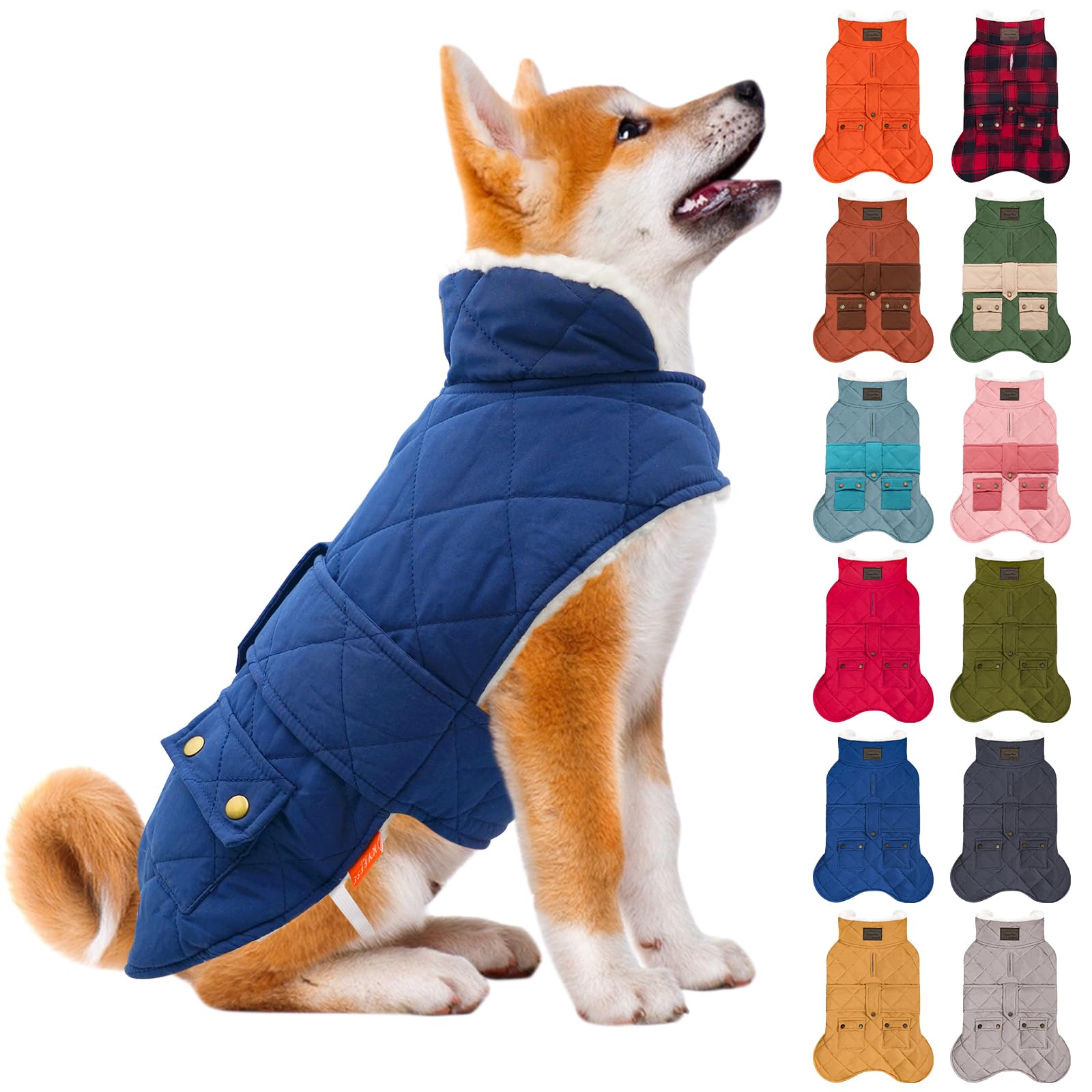
The material of the dog coat is crucial for warmth and durability. Wool is excellent for insulation, keeping your dog warm even on the coldest days. However, it may not be the best choice for rainy weather. Consider waterproof materials like polyester or nylon for wet climates. These not only keep your dog dry but are also easy to clean. Some coats even have a fleece lining for added warmth without sacrificing water resistance.Fit And Comfort
A well-fitting coat is essential for your dog’s comfort and mobility. Measure your dog’s chest, neck, and back length to ensure a proper fit. A coat that’s too tight can restrict movement, while one that’s too loose might let cold air in. Look for adjustable straps or Velcro closures for a customizable fit. Remember, a comfortable dog is a happy dog. Have you ever tried wearing an ill-fitting sweater? It’s not fun, and your dog deserves better! Ultimately, the right coat should feel like a warm hug, not a burdensome layer. How does your dog react when you try on a new coat? It’s a good indicator of whether you’ve made the right choice.Safety Tips For Winter Walks
Winter walks can be delightful for dogs and their owners. Yet, cold temperatures present unique challenges. Ensuring your dog’s safety during winter walks is crucial. From frostbite to slippery ice, being prepared helps protect your furry friend.
Avoiding Frostbite And Hypothermia
Frostbite and hypothermia are serious threats for dogs in winter. Their ears, paws, and tails are most vulnerable. To prevent frostbite, minimize time outside during extreme cold. Dress your dog in a coat or sweater. This adds a layer of warmth and protection.
After walks, check for signs of frostbite, like pale skin. If you suspect frostbite or hypothermia, seek veterinary help immediately. Keep your dog dry and warm indoors.
Preventing Slips On Ice
Ice can make walks dangerous for dogs. Slipping on ice can cause injuries. Choose paths with good traction and avoid icy areas. Consider dog booties for added grip and paw protection.
Booties keep paws dry and warm, reducing the risk of slipping. If your dog refuses booties, apply paw wax for extra grip. Always monitor your dog’s behavior and adjust your route if needed.
Alternatives To Dog Coats
While dog coats can be a stylish and practical solution for keeping your furry friend warm during winter months, they are not the only option available. Some dogs simply dislike wearing coats, or perhaps you’re looking for alternatives that fit better with your dog’s lifestyle. Thankfully, there are several ways to ensure your pet stays cozy without a coat.
Indoor Warmth Solutions
One of the simplest ways to keep your dog warm is by enhancing indoor warmth. Consider investing in a quality dog bed designed for thermal comfort. Heated beds are available and can provide a consistent source of warmth.
During particularly cold spells, you can use blankets to create a snuggly nest for your dog. Position their bed away from drafts and cold windows. You might be surprised how much difference a slight change in location can make.
If you have tiles or wooden floors, consider adding rugs. They not only make your home feel warmer but also provide a comfortable place for your dog to rest.
Dietary Adjustments
Diet plays a crucial role in your dog’s ability to withstand cold temperatures. Ensure your dog is consuming a balanced diet rich in protein and healthy fats. These nutrients help generate body heat and maintain energy levels.
Think about adding warm meals to their diet. Warm, homemade broths can be a delightful treat, especially after a brisk walk outside. Make sure any additions to their diet are safe and vet-approved.
Hydration is equally important. Winter can dehydrate your dog due to dry indoor air. Encourage regular water intake, and consider moistening dry food with water or broth for added hydration.
These alternatives not only keep your dog comfortable but also enhance their overall wellbeing. What creative ways have you found to keep your pet warm during the winter?
Common Misconceptions
When winter arrives, many dog owners wonder if their furry friends need coats. Several misconceptions surround this topic. Let’s explore some common myths and concerns.
Myths About Fur Insulation
Some believe a dog’s fur is enough to keep them warm. This isn’t always true. Fur provides some insulation, but not every dog has the same protection. Breeds with thin coats feel the cold more. Small dogs lose heat faster than larger ones. Always consider your dog’s breed and size.
Overheating Concerns
Another myth is that coats can cause overheating. While it’s possible, it’s not common in winter. Dogs regulate their body temperature well. A coat helps maintain warmth without overheating. Choose a coat that fits well and allows movement. Monitor your dog for any signs of discomfort.
Credit: www.amazon.com
Frequently Asked Questions
Do All Dogs Need Winter Coats?
Not all dogs need winter coats. Smaller breeds, older dogs, and those with thin fur may benefit. Breeds with thick coats, like Huskies, usually don’t need extra warmth. Consider your dog’s size, age, and health to decide. Always monitor your pet for signs of cold discomfort during winter walks.
How To Choose A Winter Coat For Dogs?
Choose a coat that fits snugly but comfortably. Ensure it covers the back and belly. Waterproof materials are ideal for wet conditions. Check for easy fastening and removal features. Reflective strips enhance visibility. Always measure your dog accurately before purchasing to ensure the best fit.
Are There Specific Breeds That Need Coats?
Yes, some breeds need coats in winter. Short-haired breeds like Chihuahuas and Greyhounds benefit from extra warmth. Older dogs or those with medical conditions might also need coats. Always assess individual needs based on breed, age, and health. Consult with your vet if unsure about your dog’s requirements.
Can A Dog Overheat In A Winter Coat?
Yes, dogs can overheat if their coat is too warm. Monitor your dog for signs of overheating like panting or restlessness. Choose coats with breathable materials. Always remove the coat indoors or if your dog seems too warm. Adjust coat use based on weather conditions and activity level.
Conclusion
Winter coats can help many dogs stay warm. Not all dogs need them, though. Consider your dog’s breed, size, and health. Smaller or short-haired dogs usually feel the cold more. Watch their behavior outside. Shivering or reluctance to go out may signal cold.
Always ensure the coat fits well. It should not restrict movement. Check for comfort and warmth. Choose breathable, waterproof materials. Your dog’s comfort is the priority. Safety, too. Every dog is unique. Assess their needs carefully. A cozy dog is a happy dog.
Enjoy winter walks together!


