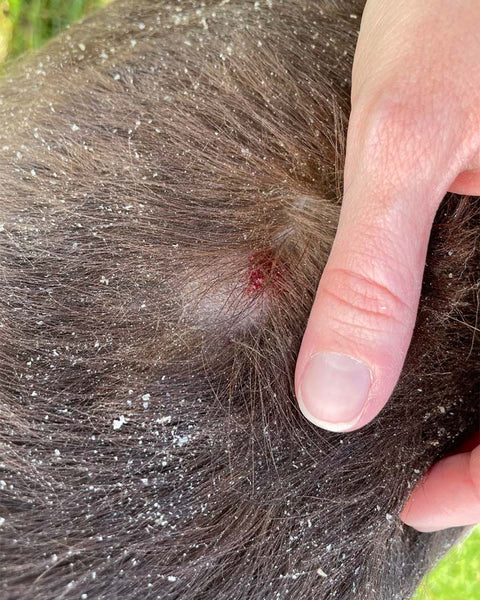
Imagine this: your furry friend is scratching more than usual, and you notice their skin looks a bit flaky. As a loving pet owner, you want nothing more than to see your dog happy and comfortable.
But when dry skin becomes a concern, it can be tough to know where to start. Rest assured, you’re not alone in this. Many pet owners face the challenge of managing their dog’s dry skin, and the good news is that there are effective solutions.
You’ll discover practical tips and remedies that can soothe your dog’s discomfort and bring their coat back to its shiny, healthy best. Keep reading to unlock the secrets to nurturing your dog’s skin and ensuring they feel their best every day.
Causes Of Dry Skin In Dogs
Dog dry skin might be caused by poor nutrition, allergies, or weather changes. Improving diet and using moisturizing shampoos can help soothe your dog’s skin. Regular vet check-ups ensure any underlying health issues are addressed promptly.
Dry skin in dogs can be a puzzling issue, leaving your furry friend itchy and uncomfortable. Understanding the root causes is the first step in addressing this common problem. Let’s delve into some key factors that contribute to dry skin in dogs.Environmental Factors
The environment plays a significant role in your dog’s skin health. Dry air, especially during winter, can strip moisture from the skin, leading to dryness. Dogs who spend a lot of time outdoors may be exposed to allergens like pollen and dust, which can irritate their skin. Consider how humidity levels in your home affect your dog’s skin. Is your dog scratching more during specific seasons? Pay attention to their environment and see if there’s a pattern.Dietary Influences
What your dog eats impacts their skin condition. A diet lacking in essential fatty acids can lead to dry, flaky skin. Omega-3 and Omega-6 fatty acids are crucial for maintaining skin health. Think about your dog’s diet—are they getting enough nutrients? Try adding foods rich in these fatty acids, or consult your vet about supplements. A small change in diet could make a big difference.Health Conditions
Sometimes, dry skin is a symptom of underlying health issues. Conditions such as allergies, hypothyroidism, or skin infections can manifest as dry skin. Regular vet check-ups can help identify and treat these issues. Does your dog have other symptoms accompanying dry skin? It’s essential to monitor their overall health and address any signs of discomfort. Recognizing health conditions early can prevent further complications. Understanding these causes equips you to take proactive steps in improving your dog’s skin health. What changes can you make today to ensure your furry friend is comfortable and happy?
Credit: petfriendlybox.com
Recognizing Symptoms
Dogs can suffer from dry skin just like humans. It can be uncomfortable for your furry friend. Recognizing symptoms early helps in managing the condition. Knowing what to look for ensures you take timely action. Let’s delve into the common signs and understand when it’s time to consult a vet.
Common Signs
- Frequent scratching or itching
- Flaky skin or dandruff
- Red or inflamed patches
- Excessive shedding
- Rough or brittle fur
These signs indicate your dog might have dry skin. Regular grooming helps you spot these issues early. Pay close attention during bath time or brushing. Noticing changes in your dog’s coat or skin is crucial. A healthy dog’s skin should look smooth and hydrated.
When To Seek Veterinary Advice
If the symptoms persist, it’s time to consult a vet. Excessive itching can lead to infections. Watch for bleeding or pus in scratched areas. These indicate possible complications. Other warning signs include unusual lethargy or a change in appetite. A vet can provide a proper diagnosis and treatment plan. Early intervention prevents more serious health issues.
Natural Remedies
Is your furry friend scratching more than usual? Dry skin in dogs can be uncomfortable, but nature offers gentle solutions. Natural remedies are a great option for treating your dog’s dry skin without resorting to chemical-laden products. They are not only effective but also safe and soothing for your pet. Let’s explore how simple household items can bring relief to your dog’s itchy skin.
Oatmeal Baths
Oatmeal isn’t just for breakfast; it can be a soothing treatment for your dog’s skin. Grind plain, unsweetened oatmeal into a fine powder and mix it into warm water to create a soothing bath. This natural remedy can help relieve itching and moisturize dry skin.
- Oatmeal has anti-inflammatory properties.
- It creates a protective barrier on the skin.
- Regular baths can reduce irritation and promote healing.
If you’ve tried it for yourself, you know how calming it can feel. Why not share that comfort with your dog?
Coconut Oil Application
Coconut oil is a versatile remedy. It’s not just a kitchen staple but also a skin savior for your dog. Apply a small amount directly to the affected areas. Its antibacterial and moisturizing properties make it ideal for nourishing dry skin.
- Coconut oil can improve skin health.
- It can be used for mild infections and irritations.
- Always start with a small amount to gauge your dog’s tolerance.
Have you noticed how shiny your hair gets with coconut oil? Your dog’s coat can have that same healthy glow!
Aloe Vera Usage
Aloe vera isn’t just for sunburns. This soothing plant is perfect for treating your dog’s dry skin. Use pure aloe vera gel, free from additives, and gently massage it onto the dry patches. It hydrates and heals without any harsh chemicals.
- Aloe vera is known for its cooling effect.
- It helps in reducing inflammation and irritation.
- Ensure the aloe vera gel is pure to avoid any adverse reactions.
Ever felt the instant relief from aloe vera on your skin? Your dog will thank you for this cooling comfort!
Do these remedies resonate with you? Natural solutions often offer the gentlest care. What’s your favorite trick for dog skin care?
Dietary Adjustments
Dry skin in dogs can be uncomfortable and worrying. Adjusting your dog’s diet might help improve their skin health. Consider specific nutrients that can contribute to a healthier skin.
Omega-3 Fatty Acids
Omega-3 fatty acids are beneficial for skin health. They help reduce inflammation, which can cause dryness. Include fish oil or flaxseed in your dog’s meals. These are rich sources of omega-3. They support the skin’s moisture barrier.
Hydration Importance
Proper hydration is crucial for maintaining healthy skin. Ensure your dog has access to fresh water at all times. Wet food can boost their moisture intake. This helps keep their skin supple and hydrated.
Nutrient-rich Foods
Feed your dog nutrient-rich foods for better skin health. Foods high in vitamins A and E are beneficial. They promote skin repair and growth. Consider adding carrots, pumpkin, and spinach to their diet. These foods provide essential nutrients for skin vitality.
Topical Treatments
Dealing with your dog’s dry skin can be a challenging task, but topical treatments offer practical solutions that can make a real difference. These treatments focus on hydrating and nourishing your dog’s skin directly, providing relief from itching and discomfort. Whether you’re new to dog skincare or looking for new options, understanding these treatments can empower you to help your furry friend feel more comfortable.
Moisturizing Shampoos
Moisturizing shampoos are a staple for tackling dry skin in dogs. They work by cleansing the skin gently while adding essential moisture. Look for shampoos with natural ingredients like oatmeal and aloe vera, as these soothe and nourish without harsh chemicals.
Imagine your dog’s bath time becoming a spa experience, where the shampoo not only cleans but also deeply hydrates. Using a moisturizing shampoo can transform your dog’s coat, making it softer and more resilient. Did you know that regular bathing with the right products can prevent skin issues from worsening?
Leave-in Conditioners
Leave-in conditioners are another effective tool in your skincare arsenal. These products are designed to remain on the skin and coat, offering ongoing moisture and protection. Apply them after bath time when your dog’s fur is still damp.
Think of leave-in conditioners as a protective shield for your dog’s skin, locking in moisture and reducing dryness. They’re particularly useful if your dog spends a lot of time outdoors or in dry environments. Have you considered how a simple addition to your grooming routine can enhance your dog’s skin health?
By integrating these topical treatments into your dog’s care routine, you’re taking proactive steps to ensure their comfort and well-being. Your dog will thank you with a happier, itch-free life!

Credit: www.pawparentacademy.com
Professional Veterinary Care
Professional veterinary care is essential for addressing your dog’s dry skin. A qualified vet can offer tailored solutions to alleviate your pet’s discomfort. They utilize their expertise to diagnose underlying causes and recommend effective treatments. By consulting a vet, you ensure your dog receives the best care possible. Let’s explore some options your vet might consider.
Prescription Medications
Vets may prescribe medications to treat dry skin. These medications target inflammation, itchiness, and infections. Common prescriptions include antihistamines for allergies and antibiotics for bacterial infections. These medications provide relief and promote healing. Your vet will determine the correct dosage and duration. Always follow their instructions closely.
Specialized Skin Tests
Specialized skin tests help identify specific issues affecting your dog’s skin. Tests such as skin scrapings and allergy tests are common. Skin scrapings check for parasites like mites. Allergy tests pinpoint allergens causing reactions. Results guide effective treatment plans. Accurate diagnosis leads to better outcomes. Your vet will choose the most relevant tests for your dog’s condition.
Preventive Measures
Regular grooming helps to remove dead skin cells and improve circulation. Ensure your dog stays hydrated and fed a balanced diet rich in Omega-3 fatty acids. Use gentle, moisturizing shampoos designed for dogs to maintain skin health.
Preventive Measures for Dog Dry Skin If you’ve noticed your dog scratching more than usual, it might be due to dry skin. Addressing this issue before it becomes severe can save your furry friend from discomfort and potential skin infections. Let’s explore some straightforward preventive measures that you can implement to maintain your dog’s skin health.Regular Grooming
Regular grooming is more than just keeping your dog looking good. It helps in distributing natural oils across their skin, which can prevent dryness. Brushing your dog’s coat daily can stimulate the oil glands and promote a healthy shine. Using a gentle, dog-specific shampoo is crucial. Human shampoos can strip away essential oils, exacerbating dryness. Always dry your dog thoroughly after a bath to avoid moisture-related issues.Humidifier Usage
A humidifier can be a game-changer, especially during the winter months when indoor air tends to be dry. By adding moisture to the air, you can help prevent your dog’s skin from drying out. Consider placing a humidifier in the room where your dog spends most of its time. You might be surprised how much this simple addition can improve skin health.Balanced Diet
A balanced diet is fundamental to your dog’s overall health, including its skin. Essential fatty acids like omega-3 and omega-6 are key to maintaining healthy skin. Incorporate foods rich in these nutrients, or consider adding a supplement if necessary. Check with your vet to tailor a diet plan that suits your dog’s specific needs. Have you ever noticed changes in your dog’s coat after altering its diet? It might be worth considering the impact of nutrition on their skin health. By taking these preventive measures, you’re setting the stage for a happier, itch-free dog.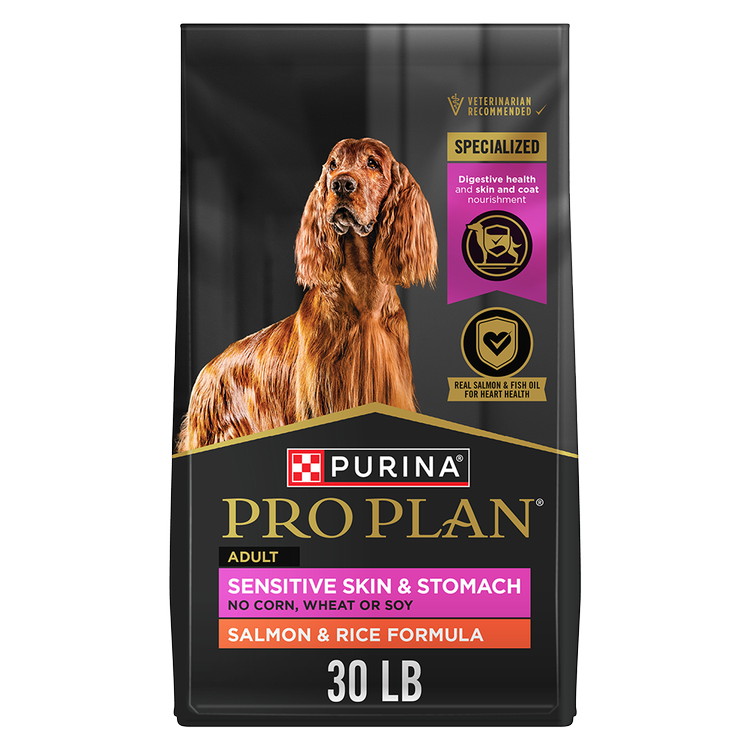
Credit: www.purina.com
Frequently Asked Questions
What Causes Dry Skin In Dogs?
Dry skin in dogs can be caused by allergies, poor diet, or environmental factors. Harsh weather conditions, such as cold or heat, can also contribute. Ensuring your dog has a balanced diet and proper grooming can help. If dry skin persists, consult your veterinarian for advice.
How Can I Treat My Dog’s Dry Skin?
To treat your dog’s dry skin, provide a balanced diet and ensure regular grooming. Use hypoallergenic shampoos and consider omega-3 supplements. Moisturizing sprays can also help. Always consult your vet before trying new treatments to ensure they’re safe for your dog.
Are Certain Breeds Prone To Dry Skin?
Yes, some breeds are more prone to dry skin. Breeds like Bulldogs, Boxers, and West Highland Terriers often experience skin issues. This can be due to genetic factors or specific skin conditions. Regular grooming and appropriate skincare products can help manage this condition effectively.
Can Diet Affect My Dog’s Skin Health?
Absolutely, diet plays a crucial role in your dog’s skin health. Providing high-quality food with essential fatty acids supports healthy skin. Omega-3 and omega-6 fatty acids are particularly beneficial. Always consult your vet to ensure your dog’s diet meets their nutritional needs and supports skin health.
Conclusion
Caring for your dog’s dry skin helps them feel comfortable. Regular brushing removes dead skin and boosts circulation. Use gentle, dog-friendly shampoos to avoid irritation. Adding omega-3 supplements can improve skin health. Ensure your dog drinks plenty of water daily.
A humidifier can help keep air moist in your home. If symptoms persist, consult a vet for advice. Proper care and attention can make a big difference. Your furry friend deserves a happy, itch-free life. Try these tips to soothe their skin today.
Keep your dog happy and healthy with these simple steps.


