What to Give a Dog for Dry Skin: Ultimate Relief Tips
Does your furry friend seem to be scratching more than usual? Dry skin in dogs is a common issue that can leave both you and your pet feeling uncomfortable.
Just like us, dogs can suffer from dry, itchy skin that needs special care and attention. You’re probably wondering what you can do to help soothe your dog’s skin and restore their comfort. Don’t worry, you’ve come to the right place.
You’ll discover simple and effective solutions to give your dog relief from dry skin. You’ll learn about the best foods, supplements, and topical treatments that can make a world of difference for your pet. Keep reading to uncover the secrets to keeping your dog’s skin healthy and happy, because a content dog means a content you.
Causes Of Dry Skin In Dogs
Dietary supplements, like omega-3 fatty acids, can help soothe a dog’s dry skin. Regular grooming and moisturizing shampoos also provide relief.
Understanding the causes of dry skin in dogs helps in finding solutions. Dogs often suffer from dry skin due to various factors. Identifying the root cause ensures you provide the right care and relief.Environmental Factors
Dry air and extreme weather conditions can lead to dry skin. Dogs exposed to cold, windy, or low-humidity environments might experience skin issues. Bathing them too often or using harsh shampoos can also strip their skin of natural oils.Nutritional Deficiencies
A lack of essential fatty acids can make a dog’s skin dry. Omega-3 and Omega-6 are vital for maintaining healthy skin. Dogs not receiving a balanced diet may show signs of dry skin.Allergies And Irritants
Allergies cause itching and dryness in dogs. Common allergens include pollen, dust, or certain foods. Some dogs might react to specific cleaning products or grooming items.Underlying Health Conditions
Certain health issues can lead to dry skin in dogs. Hormonal imbalances or thyroid problems often manifest as skin issues. Parasites like fleas or mites also contribute to skin dryness. Identifying these conditions early is crucial for effective treatment.
Credit: petfriendlybox.com
Signs Of Dry Skin In Dogs
Dogs, like humans, can experience dry skin, which can be uncomfortable and even painful. Recognizing the signs early can help you provide relief for your furry friend. Sometimes, what you think might be a minor irritation can actually be a sign of a more serious issue. But how can you tell if your dog’s skin is dry?
Visible Symptoms
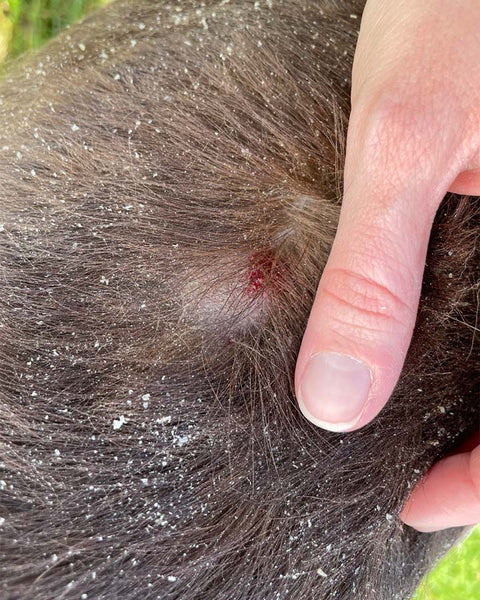
Dry skin in dogs can manifest in several visible ways. You might notice flaking, similar to dandruff, especially around the back and shoulders. Red or inflamed patches can also appear, indicating irritation. Another common sign is excessive shedding, which can lead to bald spots if not addressed.
Sometimes, you might observe small scabs or bumps on your dog’s skin. These could be the result of scratching due to itchiness. A healthy coat should be shiny, so if your dog’s fur looks dull or brittle, it might be a sign of dry skin.
Behavioral Changes
Dry skin isn’t just visible; it can affect your dog’s behavior too. Is your dog scratching more than usual? This could be due to discomfort from dry skin. Constant licking or chewing at certain areas can also be a sign.
Pay attention to your dog’s mood. Are they more irritable or restless? Dry skin can make your dog uncomfortable, affecting their overall demeanor. You might notice them avoiding areas where they usually lie down if those places exacerbate their skin issues.
When To Consult A Vet
If the symptoms persist or worsen, it’s crucial to consult a vet. While some cases of dry skin might resolve with home remedies or changes in diet, others might require professional intervention.
Consider seeking veterinary advice if you notice bleeding, severe redness, or if your dog seems in pain. A vet can provide a proper diagnosis and recommend treatments or dietary adjustments to alleviate the issue.
As a dog owner, you want your pet to be healthy and happy. Identifying dry skin symptoms early can prevent discomfort and potential complications. Have you noticed any of these signs in your dog? Taking prompt action can make all the difference.
Dietary Solutions For Dry Skin
Does your dog have dry skin? A proper diet can help. By focusing on what they eat, you can improve your dog’s skin health. Here are dietary solutions that can make a difference.
Omega-3 Fatty Acids
Omega-3 fatty acids are essential for healthy skin. They reduce inflammation and improve skin moisture. Add fish like salmon to your dog’s diet. Alternatively, fish oil supplements can be an option. These fatty acids support skin cell health.
Hydration Importance
Proper hydration is vital for skin health. Ensure your dog has access to fresh water at all times. Water helps maintain skin elasticity and moisture. You can also provide wet dog food to increase water intake. Hydrated skin is less likely to be dry.
Beneficial Supplements
Certain supplements can promote skin health. Vitamin E is known for its skin benefits. It works as an antioxidant, protecting skin cells. Zinc supplements can also be useful. They support skin repair and growth. Always consult your vet before starting supplements.
Topical Remedies
Oatmeal baths can soothe a dog’s dry skin, offering relief and hydration. Coconut oil is another effective remedy, providing moisture and reducing irritation.
Topical remedies can effectively soothe a dog’s dry skin. These remedies provide immediate relief and help restore the skin’s natural moisture balance. Using topical solutions can be simple and beneficial for maintaining your dog’s skin health.Moisturizing Shampoos
Using moisturizing shampoos is a great way to hydrate your dog’s skin. These shampoos contain ingredients that replenish moisture and prevent further dryness. Look for shampoos with oatmeal, aloe vera, or coconut oil. These ingredients are gentle and provide soothing relief. Regular use can help keep your dog’s skin soft and well-nourished.Natural Oils And Balms
Natural oils and balms offer a safe way to soothe dry skin. Coconut oil is popular for its hydrating properties. Rub a small amount on your dog’s skin to ease dryness. Balms made with shea butter or beeswax can also help. They form a protective layer on the skin, locking in moisture. These natural options are safe and effective for your furry friend.Medicated Lotions
Medicated lotions are designed to treat specific skin issues. These lotions often contain ingredients like hydrocortisone or antibacterial agents. They can reduce inflammation and fight bacteria, improving skin health. Consult your vet before using medicated lotions. Proper guidance ensures safe and effective application.Home Environment Adjustments
For dogs with dry skin, consider adding omega-rich foods like fish or flaxseed oil to their diet. Regular hydration and a humidifier can also improve skin health.
To help your furry friend with dry skin, it’s crucial to consider home environment adjustments. Dogs are sensitive to their surroundings, and small changes can make a big difference. By focusing on key aspects like humidity, bedding, grooming, and irritants, you can create a soothing environment for your dog’s skin.Humidity Control
Maintaining proper humidity levels is essential. Dry air can worsen your dog’s skin condition. Use a humidifier to add moisture to the air. This helps keep their skin hydrated and prevents further irritation. Monitor humidity levels regularly to ensure they’re optimal for comfort.Bedding And Grooming
Choose soft bedding materials that don’t scratch or irritate the skin. Wash bedding frequently to keep allergens and dirt away. Regular grooming is vital. Brush your dog often to remove loose fur and skin flakes. It stimulates skin and promotes natural oil production, keeping skin healthy.Avoiding Irritants
Identify and eliminate irritants in your home. Strong cleaning agents and certain fragrances can irritate a dog’s sensitive skin. Opt for natural products whenever possible. Ensure your dog has access to clean, fresh water. Proper hydration supports skin health from the inside out.
Credit: www.walmart.com
Professional Treatments
Dogs with dry skin benefit from professional treatments like moisturizing shampoos and soothing balms. These products help restore the skin’s natural oils and alleviate discomfort. Consulting a vet ensures the best treatment tailored to your dog’s needs.
Dry skin can trouble our furry friends. It often leads to discomfort and itchiness. Professional treatments can offer much-needed relief. These treatments focus on addressing underlying causes. Experts can provide tailored solutions for your pet’s needs.Veterinary Advice
Consult a vet for accurate diagnosis. They can identify the cause of dry skin. Allergies, infections, or parasites may be culprits. Vets offer guidance on suitable treatments. They ensure your dog receives the best care. Regular check-ups help monitor progress.Prescription Medications
Vets may prescribe medications. These can include antibiotics or antifungal treatments. Steroids might be recommended for inflammation. Always follow the vet’s instructions. Medications should be used responsibly. Watch for side effects and report them to your vet.Specialized Therapies
Specialized therapies can be beneficial. These might involve medicated shampoos or topical treatments. Hydrotherapy can soothe the skin. Some clinics offer laser therapy for healing. Discuss options with a professional. Choose what’s best for your dog’s condition.Preventive Measures
Coconut oil can soothe a dog’s dry skin, providing moisture and relief. Omega-3 supplements also help by improving skin health and reducing itchiness. Regular grooming and using gentle shampoos can further prevent skin dryness.
Preventive measures can be a game-changer for your dog’s dry skin. By being proactive, you can potentially save your dog from discomfort and yourself from costly treatments. Let’s dive into some practical steps to keep your furry friend’s skin healthy and hydrated.Regular Health Check-ups
Scheduling regular visits to the vet is crucial. A veterinarian can catch early signs of skin issues before they become severe. Has your vet ever pointed out something you missed during a routine check-up? Those insights can be invaluable.Balanced Diet And Exercise
A well-balanced diet is the cornerstone of healthy skin. Include foods rich in omega-3 fatty acids, like fish oil, in your dog’s meals. Have you noticed a difference in your dog’s coat after changing their diet? Exercise is equally important. It improves circulation, which can enhance skin health. Make daily walks a part of your routine and notice the change in your dog’s energy and appearance.Skin Care Routine
A consistent skin care routine can make a huge difference. Use moisturizing shampoos and conditioners specifically designed for dogs. Have you tried adding a gentle brushing session to keep their coat looking its best? Consider using a humidifier in dry environments. This can prevent the skin from losing moisture. Simple adjustments in your home can have a significant impact on your dog’s skin health. By focusing on these preventive measures, you can help your dog enjoy a comfortable, itch-free life. What changes will you make today to improve your dog’s skin health?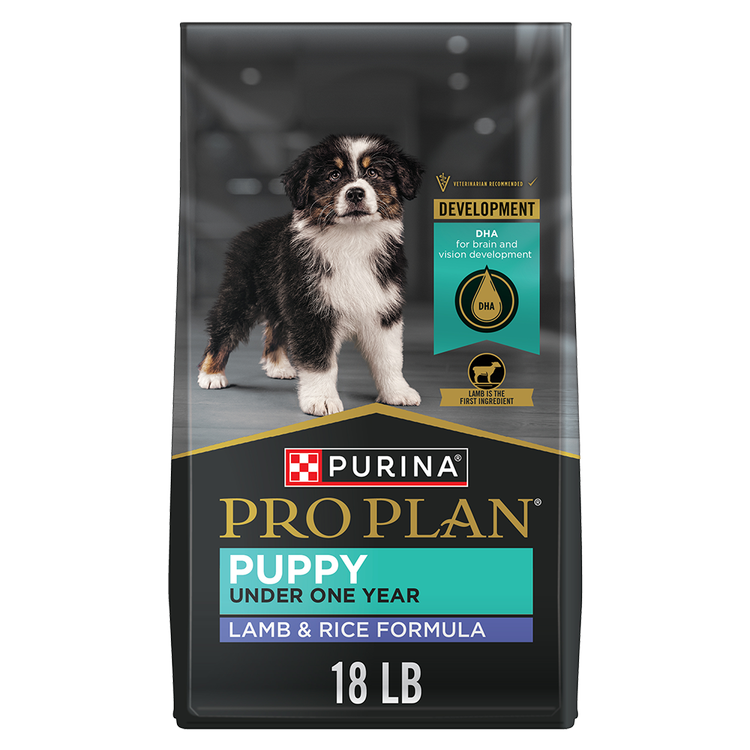
Credit: www.purina.com
Frequently Asked Questions
What Causes Dry Skin In Dogs?
Dry skin in dogs can be due to allergies, poor diet, or harsh shampoos. Environmental factors like cold weather or low humidity can also contribute. Regular vet check-ups can help identify the root cause.
Can I Use Coconut Oil For Dog’s Dry Skin?
Yes, coconut oil can help moisturize a dog’s dry skin. Apply a small amount to the affected areas. It can also be added to their diet for additional benefits. Always consult your vet before making dietary changes.
What Are The Best Foods For A Dog’s Dry Skin?
Omega-3-rich foods like fish oil and flaxseeds are great for dry skin. They help in reducing inflammation and improving skin health. Always ensure your dog’s diet is balanced and consult a vet for specific recommendations.
Are There Natural Remedies For Dog Dry Skin?
Yes, oatmeal baths and aloe vera can soothe dry skin. These remedies provide relief by moisturizing and reducing itchiness. Always test a small area first and consult your vet for guidance.
Conclusion
Dry skin can make dogs uncomfortable. Proper care helps ease their discomfort. Regular grooming keeps their skin healthy. Adding omega-3 fatty acids to their diet can help. Always ensure your dog stays hydrated. Use vet-recommended shampoos for sensitive skin. Check for allergies or parasites regularly.
A balanced diet supports overall skin health. Consult your vet if problems persist. Their advice ensures the best care for your dog. Your furry friend deserves to feel comfortable and happy. Taking small steps can make a big difference. Keep them healthy and their skin smooth.
Your dog will thank you.