How to Make Dog Stop Barking in Crate: Proven Tips
Imagine finally getting a moment of peace and quiet, only to have it shattered by your dog barking incessantly from their crate. It can be frustrating and puzzling, leaving you wondering how to make it stop.
You’re not alone in this; many dog owners struggle with the same issue. But here’s the good news: with the right strategies, you can help your dog feel comfortable and calm in their crate, effectively reducing the barking. You might be surprised at how simple changes can make a big difference.
This article will guide you through practical tips that will not only ease your dog’s anxiety but also bring back the tranquility you crave. Keep reading to discover solutions that work and get closer to the peaceful environment you both deserve.
Reasons For Barking In Crate
Dogs bark in crates due to anxiety, discomfort, or a need for attention. Proper training and crate comfort can reduce barking. Consistent routines and positive reinforcement help dogs feel secure and quiet in their crates.
Understanding why dogs bark in their crate can help address the issue effectively. Dogs bark to communicate, and deciphering the reason is key. Each dog has unique needs and motivations. Let’s explore some common reasons for crate barking.Separation Anxiety
Many dogs feel stressed when left alone. This anxiety leads to barking. They miss their human companions. Crates can amplify this feeling of loneliness. Addressing separation anxiety is crucial for a peaceful home.Lack Of Exercise
Dogs need physical activity. Without it, they have excess energy. This energy often results in barking when confined. Ensure your dog gets enough exercise daily. A tired dog is a quiet dog.Crate Discomfort
Crates should be comfortable. If not, dogs may bark in protest. Hard surfaces or a lack of space can cause discomfort. Ensure your crate is the right size and has a soft surface.Hunger Or Thirst
Basic needs must be met. Dogs may bark if they’re hungry or thirsty. Check if your dog has had enough food and water before crate time. Addressing these needs can reduce barking.Need For Bathroom
Dogs bark when they need to go out. If they’re not given timely bathroom breaks, they may bark. Establish a routine for bathroom breaks before crating your dog.Lack Of Training
Training helps dogs understand expectations. Without it, they may bark out of confusion. Consistent crate training can help reduce barking over time. Be patient and persistent with training efforts.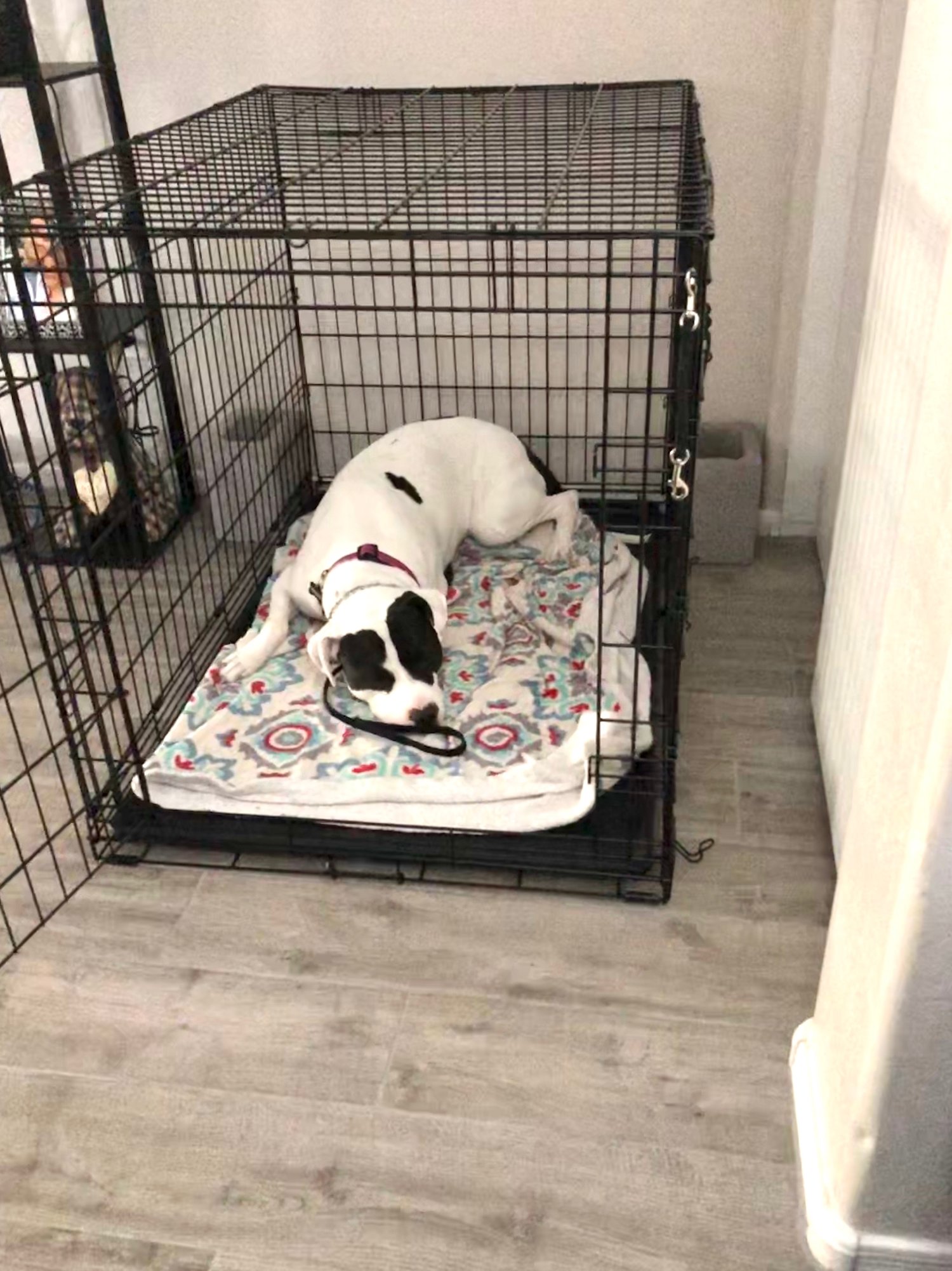
Credit: www.sadiesrulesk9training.com
Creating A Comfortable Environment
Creating a comfortable space can help a dog feel secure in a crate. Soft bedding and familiar toys can ease anxiety. Consistent training with gentle commands and rewards encourages calm behavior.
Creating a comfortable environment is key to helping your dog feel calm. A cozy crate can reduce stress and minimize barking. When dogs feel secure, they are more likely to relax. Let’s explore ways to create an inviting space for your pet.Choose The Right Size Crate
Ensure the crate is spacious enough for your dog. They should be able to stand, turn, and lie down comfortably. A cramped space can increase anxiety and barking.Add Soft Bedding
Place soft bedding inside the crate. This adds comfort and makes the space inviting. Consider using a washable blanket or pad that’s easy to clean.Maintain Proper Temperature
Keep the crate in a place with a stable temperature. Avoid areas that are too hot or too cold. Dogs are sensitive to temperature changes.Include Favorite Toys
Put a few favorite toys inside the crate. Toys provide entertainment and comfort. They can distract your dog from barking.Ensure Proper Ventilation
Make sure the crate has good ventilation. Proper airflow prevents overheating and keeps your dog comfortable.Limit External Noise
Place the crate in a quiet area. Reducing noise can help lower your dog’s stress levels. Less stress often leads to less barking.Use Calming Scents
Try using calming scents near the crate. Lavender or chamomile can soothe your dog. These scents can create a peaceful environment.Establishing A Routine
Creating a consistent routine helps train your dog to stop barking in the crate. Make sure to include regular feeding, exercise, and quiet time. This structured schedule provides comfort and reduces anxiety, leading to less barking.
Establishing a Routine Creating a consistent routine for your dog is essential when trying to curb excessive barking in their crate. Dogs thrive on predictability and knowing what comes next helps them feel secure. A well-structured routine can make a significant difference in how your dog perceives and reacts to being crated.Regular Feeding Times
Start by setting regular feeding times. This gives your dog a sense of structure and predictability. Try feeding them at the same time every day, so they know what to expect and when. Consistency in feeding helps regulate their energy levels and reduces anxiety, which can lead to barking.Scheduled Bathroom Breaks
Ensure your dog gets scheduled bathroom breaks. Having designated times for these breaks prevents any discomfort while they are in the crate. You wouldn’t want to be stuck in a small space when nature calls, right? Neither does your furry friend!Designated Playtime
Incorporate designated playtime into their routine. Dogs need physical activity to expend energy. Lack of exercise often leads to restlessness and barking. By having a set playtime, your dog can burn off excess energy, making them more likely to rest quietly in their crate.Consistent Sleep Schedule
Establish a consistent sleep schedule. Dogs need plenty of rest, and knowing when it’s time to wind down helps them relax. Set a specific time for bedtime, and stick to it. This ensures your dog knows when it’s time to settle down for the night.Crate Training Sessions
Regular crate training sessions are crucial. Spend time getting your dog comfortable with the crate, even when it’s not bedtime. Use positive reinforcement to create a positive association with the crate. This can be a game-changer in reducing barking. Does your dog know what to expect from their day? If not, establishing a routine might be the key to a quieter household.Training Techniques
Training a dog to stop barking in a crate involves patience and consistency. Use positive reinforcement to encourage quiet behavior. Gradually increase crate time while rewarding silence with treats and praise.
Training your dog to stop barking in a crate can be challenging. It requires patience and consistent techniques. The right methods can make the process smoother and more effective. Here are some helpful training techniques to consider.Positive Reinforcement
Reward your dog for calm behavior in the crate. Use treats or praise when they stay quiet. This helps them associate silence with positive outcomes. Be consistent with rewards to reinforce this behavior. Timing is key, so reward immediately when they stop barking.Ignore The Barking
Sometimes attention can encourage barking. Avoid giving in to demands for attention. Wait until your dog is quiet before approaching the crate. This teaches them that barking does not lead to attention. Be patient and consistent with this approach.Gradual Crate Training
Introduce the crate slowly to your dog. Start with short periods and gradually increase time. Allow them to explore the crate with the door open. Use toys or treats to create a positive environment. Gradual exposure helps reduce anxiety and barking.Using Toys And Distractions
Toys and distractions can help calm a dog in a crate. Offering chew toys keeps them busy and reduces barking. A favorite toy or treat can make the crate a positive space.
Using Toys and Distractions Crate training can be challenging if your dog keeps barking. Using toys and distractions can help reduce barking and keep your pet calm.Interactive Toys
Interactive toys keep your dog busy. Puzzle toys challenge their minds. These toys often contain treats, which encourage dogs to focus. Choose a toy that matches your dog’s size. This prevents choking hazards.Chew Toys
Chew toys satisfy your dog’s natural urge to chew. They can also soothe teething puppies. Choose durable materials for longevity. Rubber or nylon are good options. Ensure the toy is safe and non-toxic.Sound And Light Toys
Sound toys play music or emit noises. They can distract your dog from barking. Light toys blink or flash, capturing attention. These toys can be especially useful at night.Rotating Toys
Rotate toys every few days. This keeps your dog interested. Familiar toys may become boring. New toys create excitement. Keep a variety of toys on hand.Treat-dispensing Toys
Treat-dispensing toys offer rewards for play. They keep your dog engaged for longer periods. Adjust the difficulty to suit your dog’s skill level. This ensures a continual challenge.Comfort Objects
Comfort objects can be a soft blanket or a favorite stuffed toy. These items provide familiarity and security. They can help reduce anxiety in the crate. Using toys and distractions is a valuable strategy for crate training. Choose the right toys to suit your dog’s needs.
Credit: www.tiktok.com
Addressing Anxiety Issues
Calm your dog’s anxiety by creating a peaceful crate environment. Use familiar toys or a soft blanket. Gradually increase crate time to help your dog adjust comfortably.
Addressing anxiety issues is crucial when it comes to making your dog stop barking in a crate. Anxiety can be a major cause of excessive barking, and understanding your dog’s emotions is the first step to tackling this issue. Often, dogs bark due to fear or stress, and addressing these feelings can significantly reduce their vocalizations.Calming Aids
Calming aids can be a game-changer for dogs with anxiety. Products like pheromone diffusers, anxiety wraps, or calming collars can create a soothing environment for your pet. Have you tried using a lavender-infused spray or a calming music playlist? These simple additions can work wonders in reducing your dog’s stress levels. Some pet owners find success with CBD oil, which can have a calming effect on dogs. Always consult your veterinarian before introducing any new supplement to ensure it’s safe for your furry friend.Professional Help
Sometimes, professional help is the best route to address severe anxiety. Dog trainers or behaviorists can offer personalized strategies to curb your dog’s barking. They can assess your dog’s behavior and provide you with tailored advice and training techniques. Consider attending a few sessions with a professional to learn how to manage your dog’s anxiety effectively. Remember, seeking help isn’t a sign of failure—it’s a proactive step towards a happier, quieter home.Monitoring Progress
Monitoring progress involves consistently checking on your dog’s behavior in the crate. Reward quiet moments with treats to encourage calmness. Gradually increase crate time, ensuring comfort and security.
Monitoring your dog’s progress when trying to reduce barking in the crate is crucial. It helps you understand what strategies are working and what needs adjustment. By keeping a close eye on your dog’s behavior, you can make informed decisions and improve their comfort and your peace of mind.Track Behavioral Changes
Observe your dog’s behavior closely. Are they barking less frequently or for shorter durations? Take note of these changes as they indicate progress.Set Achievable Goals
Establish clear, realistic milestones for your dog. For example, aim for a quiet five minutes, then gradually increase the time. Celebrate each small victory, as each step forward builds confidence.Use A Log Book
Maintain a simple log book or digital note where you record each training session. Note the duration of barking and any triggers. This documentation helps you identify patterns and measure improvement over time.Evaluate Training Techniques
Reflect on the strategies you’re using. Are there specific methods that calm your dog more effectively? Adjust your approach based on what your log book reveals.Seek Feedback
Don’t hesitate to ask for input from other dog owners or professionals. Sometimes, an outside perspective can offer insights you might have missed. Have you considered joining a pet owners’ group for advice and support?Stay Consistent
Consistency is key in any training regimen. Stick to your routine and avoid confusing your dog with mixed signals. Regularly monitoring progress ensures you remain on track and make timely adjustments.
Credit: www.tiktok.com
Frequently Asked Questions
How Can I Calm My Dog In The Crate?
To calm your dog, create a cozy crate environment. Use soft bedding and familiar toys. Introduce calming scents like lavender. Gradually acclimate your dog to the crate. Use positive reinforcement, rewarding calm behavior with treats and praise. Consistency is key for long-term success.
Why Does My Dog Bark In The Crate?
Dogs bark in crates due to anxiety or discomfort. Separation anxiety is a common cause. Ensure the crate is comfortable and not too small. Gradually train your dog to associate the crate with positive experiences. Regular exercise and mental stimulation can reduce excessive barking.
What Are Effective Crate Training Tips For Barking?
Use positive reinforcement by rewarding quiet behavior. Gradually increase crate time while monitoring your dog’s comfort. Ensure the crate is a positive space with toys and treats. Avoid using the crate as punishment. Consistency and patience are crucial for successful crate training.
How Long Should I Leave My Dog In The Crate?
Adult dogs shouldn’t be crated for more than 4-6 hours at a time. Puppies need frequent breaks due to smaller bladders. Gradually increase crate time as your dog becomes comfortable. Always ensure your dog has enough exercise and bathroom breaks before crating.
Conclusion
Training your dog to stop barking in its crate takes patience. Consistency is key. Reward calm behavior with treats and praise. Ensure the crate feels safe and comfortable. Avoid yelling or punishment. These actions can worsen anxiety. Practice short crate sessions, gradually increasing time.
Keep a regular schedule for meals and walks. This helps reduce stress. Seek advice from a professional if needed. Your dedication will pay off. Soon, your dog will relax in its crate. Enjoy the peace that follows. Both you and your dog will feel happier.