What Size Crate for 40 Pound Dog: Ultimate Guide
Senior Canine Nutritionist & Dog Behavior Specialist at Cozy Dog Go Wellness Lab
Choosing the right crate for your 40-pound dog can feel like a daunting task. You want to ensure your furry friend is comfortable, secure, and happy in their space.
But with so many options available, how do you decide which is the best fit for your beloved pet? Imagine the peace of mind knowing your dog feels at ease in their crate, whether you’re at home or traveling. This article will guide you step-by-step through the process of selecting the perfect crate size, helping you make a decision that ensures both comfort and safety for your four-legged companion.
Stick around to discover essential tips that will transform your dog’s crate experience and make your choice much easier.

Credit: www.amazon.com
Choosing The Right Crate Size
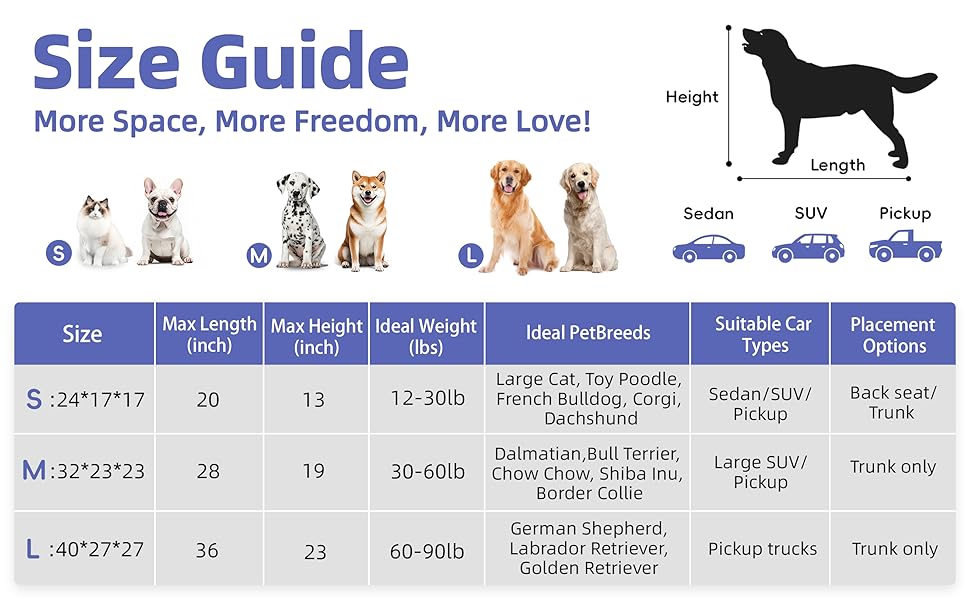
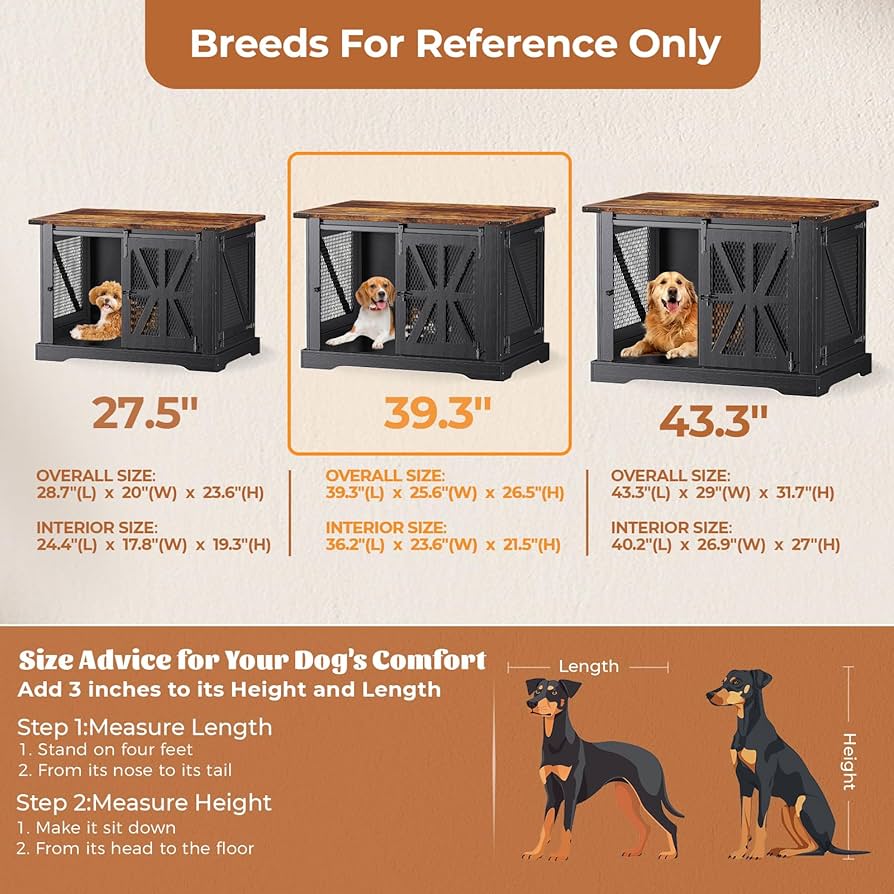
Selecting a crate for a 40-pound dog requires careful consideration of space and comfort. Choose one with dimensions around 30 inches long, 24 inches wide, and 25 inches high. This ensures your dog has enough room to sit, stand, and turn comfortably.
Choosing the right crate size for your 40-pound dog is more than just a matter of comfort—it’s about ensuring your pet’s safety and well-being. Selecting the correct dimensions can make a world of difference in your dog’s travel experience, training, and everyday life. Let’s dive into why the proper crate size is crucial and what happens if you get it wrong.Importance Of Proper Crate Size
A crate that fits well provides your dog with a cozy den-like space where they can relax and feel secure. Your 40-pound dog should have enough room to stand up, turn around, and lie down comfortably. This space becomes their personal sanctuary, reducing anxiety and helping with training. An appropriately sized crate can also make travel more enjoyable for both you and your dog. It ensures they remain calm, reducing potential stress during car rides or flights. Moreover, a well-sized crate can prevent injuries that might occur from too much movement within the crate during transit.Consequences Of Incorrect Sizing
An undersized crate can leave your dog feeling cramped and uncomfortable, potentially leading to behavioral issues such as increased anxiety or aggression. Imagine being stuck in a confined space without room to move—it’s not pleasant for your dog either. On the other hand, a crate that’s too large can diminish the den-like feeling, making it harder for your dog to feel secure. This may lead to accidents if your dog designates a corner as a bathroom area. It’s crucial to strike the right balance to ensure your pet feels at home. Have you ever noticed your dog refusing to enter their crate or whining once inside? It might be time to reassess the size. Choosing the right crate size is a simple step that can significantly improve your dog’s quality of life. Are you ready to make the change for your furry friend’s happiness and comfort?Measuring Your Dog
Finding the perfect crate for your 40-pound dog begins with accurate measurements. This ensures your pet has ample space to move around, lie down, and feel comfortable. Without the right measurements, your dog might feel cramped or lost in a crate too big. So, how do you measure your furry friend effectively?
Height And Length Measurements
Start by measuring your dog’s height from the floor to the top of their head or ears. This helps in choosing a crate that won’t make them stoop. You can use a tape measure or a yardstick. If your dog has a habit of standing tall, ensure the crate allows for that extra height.
Next, measure the length from the tip of their nose to the base of their tail. This measurement ensures your dog can stretch out comfortably. Add a few inches to this length for optimal comfort. A crate that allows your dog to lie down without feeling cramped is crucial for their well-being.
Weight Considerations
While measuring your dog’s height and length is essential, weight plays a significant role in selecting the right crate. A 40-pound dog needs a sturdy crate that can withstand their weight and activity levels. Check the manufacturer’s weight guidelines to ensure the crate is robust enough.
A crate that matches your dog’s weight helps maintain structural integrity over time. It also ensures safety during transport if you ever need to move the crate around. Are you considering using the crate for travel? Be mindful of airline regulations and weight limits.
Types Of Dog Crates
Choosing the right crate for a 40-pound dog involves understanding the different types available. Each type has its unique features, benefits, and drawbacks. It’s crucial to select a crate that not only fits your dog’s size but also aligns with your lifestyle and your dog’s behavior. Let’s explore the various types of dog crates to help you make an informed decision.
Wire Crates
Wire crates are popular for their ventilation and visibility. They allow your dog to see what’s going on around them, which can be comforting. Many wire crates are collapsible, making them easy to store and transport.
These crates are durable and often come with a removable tray for easy cleaning. However, they can be noisy if your dog moves around a lot. Consider adding a blanket or crate cover to make it cozier.
Plastic Crates
Plastic crates are perfect for travel. They’re sturdy and provide a more enclosed space, which can make your dog feel secure. These crates are often airline-approved, making them ideal for flying.
While they offer less visibility, they are great for dogs that prefer a den-like atmosphere. If your dog likes privacy, a plastic crate might be the best choice.
Soft-sided Crates
Soft-sided crates are lightweight and portable, making them great for car trips or temporary housing. They’re easy to set up and fold down, but they’re not as durable as wire or plastic crates.
If your dog is calm and not prone to chewing, a soft-sided crate could be a good option. These crates offer comfort and convenience but may not withstand rough handling.
Which type of crate seems most suitable for your 40-pound dog? Consider your dog’s temperament and your lifestyle to make the best choice.
Features To Look For
Choosing the right crate for a 40-pound dog involves more than just size. The features of the crate play a crucial role in your dog’s comfort and safety. It’s important to consider aspects like ventilation, durability, and cleanliness. Let’s explore these essential features to ensure your pet’s crate is the best fit.
Ventilation And Visibility
A well-ventilated crate ensures your dog breathes easily. Look for crates with ample side openings. These provide good airflow, keeping your pet comfortable. Visibility is another key factor. Your dog should see outside the crate. This reduces anxiety and helps your pet feel secure.
Durability And Safety
Durability is vital for a dog crate. The material should withstand your dog’s activity. Metal crates are often strong and reliable. Safety features are also important. Ensure the crate has secure latches. This prevents accidental escapes and keeps your dog safe.
Ease Of Cleaning
Cleaning the crate should be hassle-free. Opt for crates with removable trays. These trays catch spills and make cleaning quick. A clean crate ensures a healthy environment. It also reduces odors, making it pleasant for both you and your pet.
Additional Accessories
Choosing the right crate size for your 40-pound dog is only the beginning. Equipping the crate with additional accessories can make it a cozy and inviting space for your furry friend. Whether you’re preparing for travel or setting up a permanent spot at home, these accessories can enhance comfort and functionality. Let’s delve into some essentials that will make your dog’s crate the ultimate sanctuary.
Comfortable Bedding
A snug bed inside the crate can make a world of difference for your dog’s comfort. Opt for bedding that fits well within the crate, allowing your dog to stretch and curl up without feeling cramped. Consider materials that are easy to clean and durable, especially if your dog has a tendency to chew or scratch. A memory foam bed can provide orthopedic support for older dogs, making their crate time even more restful.
Toys And Chews
Keep your dog entertained by adding toys and chews to the crate. Choose durable toys that can withstand vigorous play and are safe for unsupervised use. Chew toys can help alleviate boredom and satisfy your dog’s natural instincts. Rotate toys regularly to maintain interest and prevent them from becoming stale.
Water And Food Containers
Hydration is crucial, so consider adding a spill-proof water container to the crate. Look for options that attach securely to the crate’s sides to prevent spills and maintain cleanliness. A small, removable food container can be useful for mealtime or travel, ensuring your dog can eat comfortably in its crate. Assess your dog’s habits and needs to choose the best type and size of container.
Which accessories have you found most useful in your dog’s crate? Share your insights and let’s make crate time even better for our four-legged friends!
Credit: petsfit.com
Training Your Dog For Crate Use
Choosing the right crate size for a 40-pound dog is important for comfort and safety. A crate measuring 30-36 inches in length often fits well. Ensure your dog can stand, turn, and lie down comfortably inside.
Training your dog for crate use is a crucial step in ensuring their comfort and safety. A well-trained dog will see their crate as a safe haven, not a punishment. It’s important to approach this process with patience and understanding, keeping your dog’s feelings in mind.Positive Reinforcement Techniques
Positive reinforcement is a powerful tool in crate training. Reward your dog with treats, praise, or a favorite toy every time they willingly enter the crate. This helps them associate the crate with positive experiences. You might notice your dog is hesitant at first. In these cases, offer small rewards for even the slightest show of curiosity. Over time, increase the duration they spend inside before receiving a treat.Gradual Introduction Strategies
Start with short, positive interactions to ease your dog into crate use. Begin by leaving the crate door open and encouraging your dog to explore it on their own terms. Once they’re comfortable entering and exiting freely, close the door for brief periods while remaining nearby. Gradually increase the time they spend inside, ensuring they remain calm and relaxed. Have you ever wondered why some dogs take to crates faster than others? It often comes down to the pace of introduction. Tailor your approach to suit your dog’s comfort level, and never rush the process.Common Mistakes To Avoid
Choosing the right crate size for a 40-pound dog is essential to ensure comfort and safety. Avoid crates that are too small or excessively large, as they can lead to anxiety or discomfort. Ensure the crate allows your dog to stand, turn, and lie down comfortably.
Common mistakes can lead to discomfort for your 40-pound dog. Choosing the right crate size is crucial for their well-being. Avoid these common errors to ensure your dog’s crate experience is positive.Overlooking Size Adjustments
Many pet owners forget that dogs grow. A crate too small can cause stress. Measure your dog’s height and length before purchasing. Consider future growth if the dog is still young. A crate should allow the dog to stand and turn comfortably. Adjust the size as needed to match their growth.Ignoring Behavioral Signs
Dogs give clues about their comfort. A dog may refuse to enter a crate if it feels cramped. Observe if your dog seems anxious or restless in the crate. These signs indicate the crate might be too small or uncomfortable. Listen to your dog’s behavior for cues on crate suitability.
Credit: www.amazon.com
Expert Tips For Crate Selection
Choosing the right crate for a 40-pound dog is vital. A well-selected crate ensures comfort and safety. Selecting the right size involves several factors. Expert tips can guide you in making the best choice. Let’s explore some valuable insights.
Consulting Veterinarians
Veterinarians provide valuable advice on crate selection. They understand your dog’s needs. A vet knows how a crate should fit your dog. They consider health and behavior aspects. This guidance helps avoid common mistakes. It ensures the crate meets your dog’s specific needs.
Reading Customer Reviews
Customer reviews offer real-life insights. They share experiences from pet owners. Reviews highlight pros and cons of different crates. They reveal durability and comfort levels. Reading reviews helps identify popular choices. It provides information on brand reliability and satisfaction.
Frequently Asked Questions
What Is The Best Crate Size For 40-pound Dog?
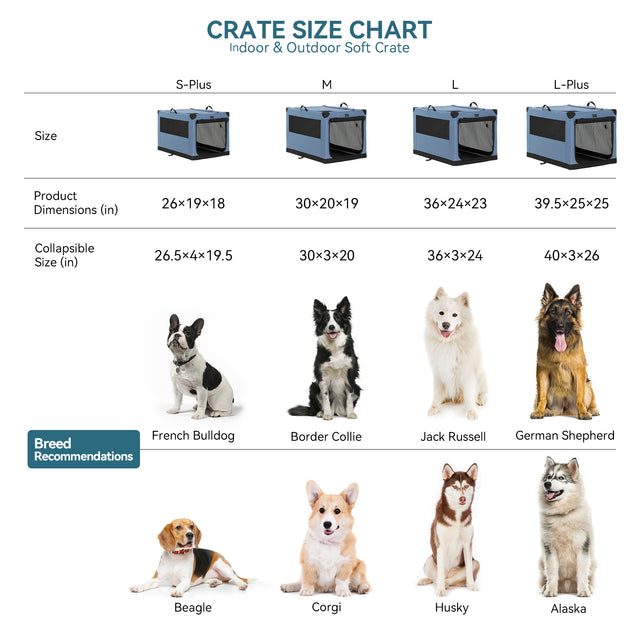
A 40-pound dog typically needs a medium crate. Aim for dimensions around 30 inches long, 19 inches wide, and 21 inches tall. Ensure your dog can stand, turn, and lie comfortably. Proper crate size promotes safety and comfort. Always choose a durable and well-ventilated crate.
Can A 40-pound Dog Use Large Crate?
A large crate might be too spacious for a 40-pound dog. Dogs feel secure in appropriately sized crates. Excess space can reduce the sense of security. It’s better to choose a medium-sized crate. Measure your dog’s dimensions for the best fit.
How To Measure Dog For Crate Size?
To measure your dog, start with its length. Measure from nose to tail base. For height, measure from floor to head. Use these measurements to find the right crate size. Ensure your dog can stand, turn, and lie comfortably inside the crate.
Why Is Crate Size Important For Dogs?
Crate size is crucial for your dog’s comfort and security. A properly sized crate prevents anxiety and discomfort. It helps with training and transportation. Choose a crate that allows your dog to stand, turn, and lie down easily. A snug fit promotes a sense of security.
Conclusion
Choosing the right crate size is crucial for your dog’s comfort. A 40-pound dog needs space to stand, turn, and lie down. Measure your dog to find the perfect fit. Ensure the crate is safe and durable. Proper ventilation is important for airflow.
Remember, a comfortable crate makes a happy dog. Training your dog to love its crate is also key. With the right crate, your dog feels secure and content. A good crate choice leads to stress-free travels and peaceful rest. Always prioritize your dog’s well-being when selecting a crate.

Similar Posts