Can I Crate Train an Older Dog: Expert Tips Revealed
Are you wondering if crate training is possible for your older dog? You might be thinking that crate training is only for puppies, but that’s not the case.
Whether you’ve recently adopted an older dog or are trying to improve your current pet’s behavior, crate training can be a game-changer. Imagine having a calm and happy dog that feels secure and relaxed, even when you’re not around. You’ll discover how crate training can help with housebreaking, reduce anxiety, and even improve your dog’s overall behavior.
This article will guide you through the process, offering practical tips and insights to make crate training a smooth and successful experience for both you and your furry friend. Dive in to find out how to transform your older dog’s life with this effective training method!

Credit: www.purina.com
Benefits Of Crate Training Older Dogs
Crate training older dogs offers numerous advantages. It provides them a safe space, reducing stress and anxiety. Additionally, it aids in housebreaking and prevents destructive behavior, promoting a harmonious home environment.
Crate training older dogs offers many benefits. It can help improve their safety, ease house training, and reduce anxiety. Older dogs often need a secure place of their own. A crate can provide this comfort and structure. This practice can enhance their daily life and overall well-being.Improved Safety And Security
A crate offers a safe space for your dog. It prevents them from getting into dangerous situations. Older dogs might have mobility issues or lack awareness. A crate keeps them from harm when unsupervised. It acts as a sanctuary where they can rest peacefully. Feeling secure in their crate can boost their confidence.Facilitates House Training
Crate training can simplify house training. Dogs naturally avoid soiling where they sleep. This encourages them to wait until they are outside. It creates a routine and helps establish a bathroom schedule. Consistent crate use can lead to fewer accidents indoors. It teaches your dog discipline and improves their behavior.Reduction In Anxiety
A crate can help reduce anxiety in older dogs. It provides a calm and private area. Dogs feel safe and less stressed in their own space. During loud events, like fireworks, a crate can be comforting. It offers them a familiar place to retreat and relax. This sense of security can ease their nerves and promote calmness.Common Challenges With Older Dogs
Training an older dog can be a rewarding experience, but it’s not without its challenges. Older dogs might be set in their ways and adapting them to new routines requires patience and understanding. Here, we’ll explore some common obstacles you might face when crate training an older dog and offer practical solutions to help you overcome them.
Resistance To Change
Older dogs often resist change because they are accustomed to their long-standing routines. It’s like suddenly asking a friend to swap their favorite coffee for tea. They might not be thrilled. Patience is key here. Gradually introduce the crate by associating it with positive experiences like treats or a favorite toy. Over time, they may become more receptive.
Established Habits
Your furry friend has likely developed habits over the years, such as sleeping in a particular spot or having free rein of the house. These habits can make crate training seem intrusive. Consider asking yourself: How can you blend the crate into their existing routine? Start by allowing them to explore the crate voluntarily during familiar times, like nap time or bedtime.
Age-related Health Issues
Older dogs may face health challenges like arthritis or vision loss, which can make crate training difficult. It’s essential to ensure their comfort and safety. Soft bedding and easy access can make the crate more appealing. Regular vet visits will help you address any health issues that may affect your training approach.
Facing these challenges requires empathy and creativity. Have you thought about how your dog’s past experiences shape their current behavior? Recognizing these influences can guide you in creating a training environment that feels less like a battle and more like a partnership.
Selecting The Right Crate
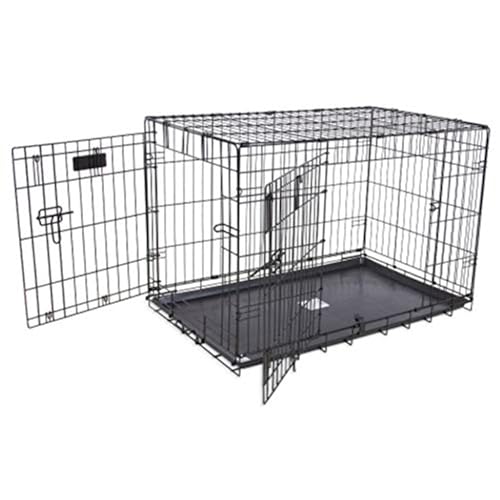
Choosing the perfect crate is essential for training an older dog. Ensure it’s comfortable, spacious, and safe. A suitable crate fosters a secure environment, easing the transition and enhancing the training process.
Selecting the right crate for your older dog is crucial. It ensures a smooth transition and promotes comfort. A well-chosen crate can become your dog’s safe haven. This guide will help you pick the perfect crate for your furry friend.Size And Comfort
Finding the right size is essential for crate training. Your dog should have enough space to turn around and stretch. Measure your dog from nose to tail and from floor to top of head. Add a few inches to each measurement. This gives your dog room without compromising security. Comfort should not be overlooked. Ensure the crate has soft bedding. This makes it inviting and encourages your dog to use it.Material And Durability
Crates come in various materials, each with pros and cons. Plastic crates are lightweight and easy to clean. They offer good privacy for anxious dogs. Metal crates provide durability and ventilation. They are suitable for dogs that chew or scratch. Fabric crates are portable but less durable. They work well for gentle, calm dogs. Consider your dog’s habits and strength when choosing material.Accessibility Features
Accessibility features enhance usability for you and your dog. Choose a crate with multiple doors for easy access. Sliding doors are space-efficient and secure. Look for crates with removable trays for easy cleaning. Some crates fold flat for storage or travel. Ensure the crate locks securely to keep your dog safe. Proper accessibility makes crate training simpler and more effective.Step-by-step Training Process
Older dogs can be crate trained with patience and consistency. Begin with short, positive crate experiences to build trust. Gradually increase crate time while ensuring comfort and a safe environment.
The step-by-step training process for crate training an older dog requires patience and consistency. Establishing a positive association with the crate is crucial. Follow these steps to make the transition smooth and stress-free for your furry friend.Introducing The Crate
Begin by placing the crate in a quiet, comfortable space. Ensure the crate is big enough for your dog to stand, turn, and lie down. Add soft bedding inside to create a cozy environment. Leave the crate door open initially. This allows your dog to explore without feeling trapped. Encourage your dog to enter the crate by placing toys or treats inside.Gradual Adjustment
Start by letting your dog spend short periods in the crate. Aim for 5-10 minutes at first. Stay nearby to offer reassurance and comfort. Gradually increase the time spent in the crate as your dog becomes more comfortable. Monitor your dog’s reactions and adjust the duration as needed. If your dog seems anxious, reduce the time temporarily.Positive Reinforcement Techniques
Use praise and rewards to make the crate a happy place. Offer treats when your dog enters the crate willingly. Praise your dog for staying calm inside the crate. Avoid using the crate as a punishment area. This helps maintain a positive association. Consistency in rewarding good behavior is key to successful training.Handling Setbacks And Challenges
Training an older dog can be challenging, but patience and consistency help overcome setbacks. Gradually introduce the crate with positive reinforcement, creating a safe space for them. Adjusting to a new routine may take time, but dogs are adaptable and can learn at any age.
Crate training an older dog can be rewarding. Yet, it may come with challenges and setbacks. Understanding these obstacles is crucial for success. Patience and consistency play vital roles. Adapting your approach can make a big difference. Let’s explore how to handle common setbacks and challenges.Identifying Common Setbacks
Older dogs may resist entering the crate. They might associate it with negative experiences. Anxiety is another common issue. Some dogs bark or whine when crated. Accidents in the crate can also occur. Recognizing these setbacks helps tailor your training.Adjusting Training Techniques
Modify your approach based on your dog’s response. Use positive reinforcement like treats and praise. Gradually increase crate time to build comfort. Ensure the crate is a positive space. Add toys or a soft blanket. Maintain a consistent routine for predictability. Flexibility in techniques can ease the process.Seeking Professional Help
Consider professional help if challenges persist. Trainers can provide expert advice. They offer personalized strategies for your dog. A professional can address specific behavioral issues. This ensures a smoother training journey. Investing in expert help can lead to better results.
Credit: cincinnatianimalcare.org
Expert Tips For Success
Older dogs can learn crate training effectively with patience and consistency. Begin by introducing the crate as a safe space. Gradually increase crate time, always rewarding calm behavior to foster positive associations.
Training an older dog can be a rewarding journey. Crate training offers a safe space for your furry friend. Success requires patience and consistency. Experts share valuable tips to make the process smooth and effective.Consistency In Routine
Establish a daily schedule for your dog. Feed them at the same time each day. Set regular bathroom breaks. Consistency helps your dog feel secure. A predictable routine reduces anxiety. Stick to the schedule as closely as possible.Maintaining Patience
Older dogs may need more time to adjust. Be patient with their progress. Avoid rushing the process. Celebrate small victories. Use gentle encouragement throughout training. Your calm demeanor reassures your dog. Remember, patience builds trust.Encouraging Positive Associations
Make the crate a happy place. Add comfy bedding and favorite toys. Use treats to encourage crate time. Praise your dog when they enter the crate. Keep experiences positive and stress-free. Avoid using the crate as punishment. Positive associations help them feel safe.Long-term Benefits
Crate training an older dog offers lasting benefits. It provides a safe space, reducing anxiety and stress. Improved behavior and easier travel are additional advantages, enhancing the bond between pet and owner.
Long-term benefits make crate training an older dog worthwhile. It offers a lifetime of positive changes. From better behavior to stronger connections, the advantages are vast. Let’s explore the long-term benefits.Improved Behavior
Crate training helps manage and reduce unwanted behaviors. Dogs learn boundaries and respect them. It provides a safe space for calming down. This reduces anxiety and stress. A calm dog behaves better overall. Consistent crate training builds good habits. Older dogs often adjust faster than expected.Enhanced Bonding
Spending quality time during training strengthens your bond. Dogs feel secure knowing their routine. This leads to trust and closeness with their owner. Training sessions become bonding moments. Your dog looks forward to crate time with you. A strong bond improves communication. It makes future training easier.Increased Independence
A crate-trained dog gains confidence and independence. They learn to enjoy their own space. This reduces reliance on constant attention. Dogs become comfortable being alone for short periods. Independence is crucial for their development. It fosters a well-adjusted, happy dog. Your dog learns to entertain itself safely. Crate training offers many long-term benefits. Start today for a better tomorrow.
Credit: www.monsterk9.com
Frequently Asked Questions
Is It Possible To Crate Train An Older Dog?
Yes, you can crate train an older dog. Patience and consistency are key. Start by introducing the crate as a positive space. Use treats and praise to encourage your dog to enter. Gradually increase crate time, ensuring comfort. This process might take time, but it’s effective.
How Long Does Crate Training Take For Older Dogs?
Crate training older dogs varies in duration. Some dogs adapt in a few days, while others take weeks. Consistency and patience are crucial. Monitor your dog’s comfort and adjust the training pace accordingly. Remember, every dog is unique in how they adapt to crate training.
What Are The Benefits Of Crate Training An Older Dog?
Crate training offers several benefits for older dogs. It provides a safe and comfortable space, reduces anxiety, and aids in housebreaking. Crates can also help with managing destructive behaviors. Additionally, they make travel and vet visits less stressful for both the dog and owner.
Can Crate Training Help Reduce Separation Anxiety?
Yes, crate training can reduce separation anxiety in dogs. The crate becomes a safe, comforting space. Gradually increasing crate time helps the dog feel secure when alone. Ensure the crate is associated with positive experiences. This can alleviate anxiety symptoms over time, promoting a calmer demeanor.
Conclusion
Crate training an older dog is possible and beneficial. Patience is key. Older dogs can learn new habits with consistent efforts. A crate offers safety and comfort. It becomes their personal space. Always use positive reinforcement. Treats and praise work wonders.
Avoid using the crate as punishment. This builds trust and security. Each dog adjusts at its own pace. Respect that. Celebrate small successes along the way. Crate training strengthens your bond with your dog. A happy dog means a happy home.
So, start today. Your older dog will thank you.