Do Dogs Get Moles on Their Skin? Uncover the Truth
Have you ever noticed a small bump on your dog’s skin and wondered what it might be? You’re not alone.
As a loving pet owner, it’s natural to be concerned about any changes in your furry friend’s appearance. Moles on dogs can be puzzling, especially if you’re not sure what you’re looking at. Are they harmless, or should you be worried?
This question might have you searching for answers, desperate for peace of mind. You’ll discover everything you need to know about moles on your dog’s skin. From identifying whether it’s truly a mole to understanding when you should consult a vet, we’ve got you covered. So, if you’re eager to keep your pup healthy and happy, read on to uncover the truths about canine skin moles. Your dog’s well-being could depend on it!
Credit: www.facebook.com
Canine Skin Features
Canine skin is a fascinating subject filled with a variety of unique features. Just like humans, dogs can have various skin characteristics that require attention and care. From fur patterns to skin textures, understanding your dog’s skin can help you identify normal features and spot potential issues early.
Common Skin Conditions In Dogs
Dogs are prone to several skin conditions that can cause discomfort if not addressed. Allergies are a common culprit, often resulting in itchy, inflamed skin. Parasites like fleas and ticks can also wreak havoc, leading to secondary infections.
Environmental factors, such as humidity or dust, can further irritate a dog’s skin. Recognizing these conditions early can prevent more serious problems down the line. Have you ever noticed your dog scratching more than usual?
Identifying Skin Growths
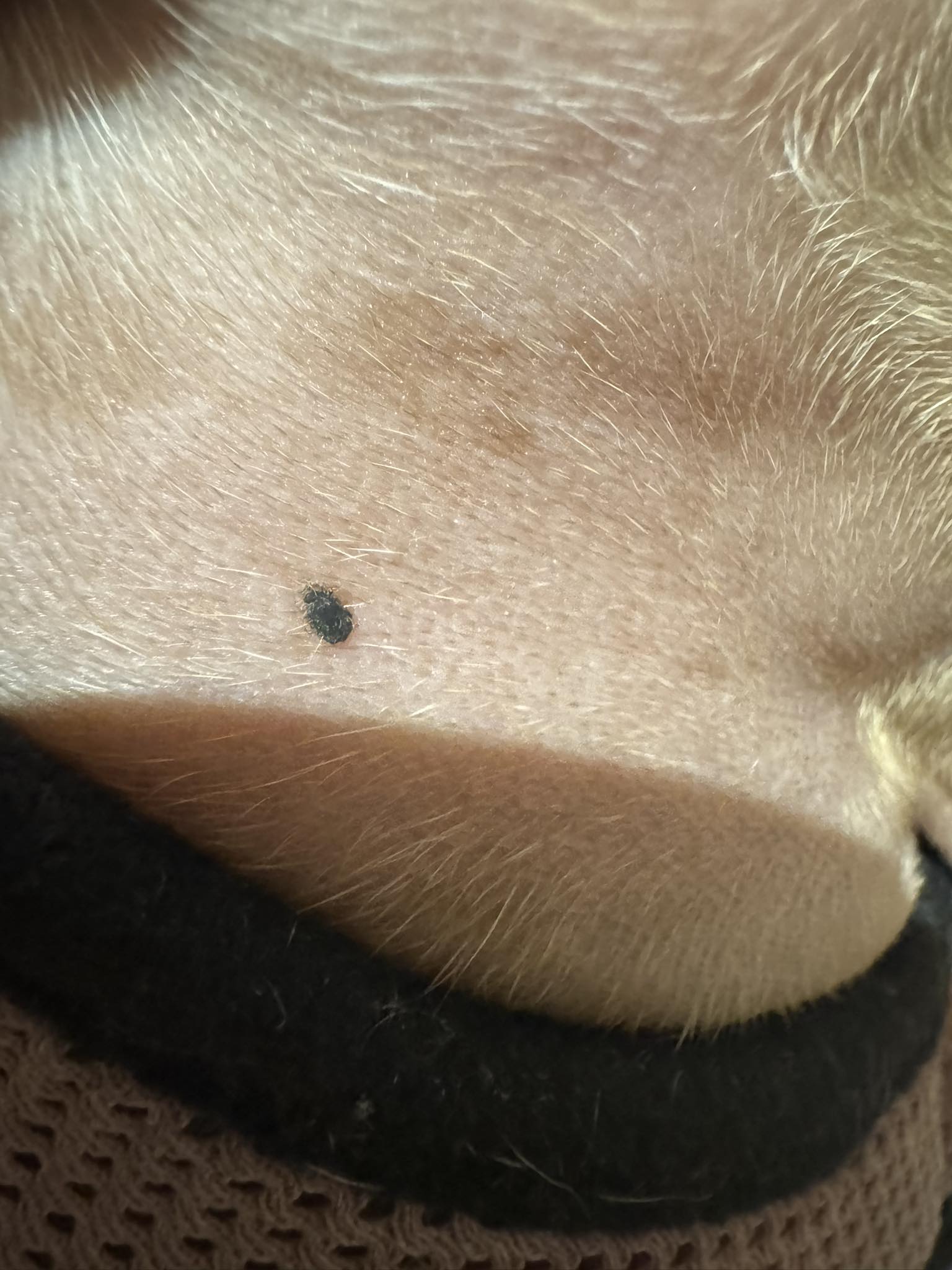
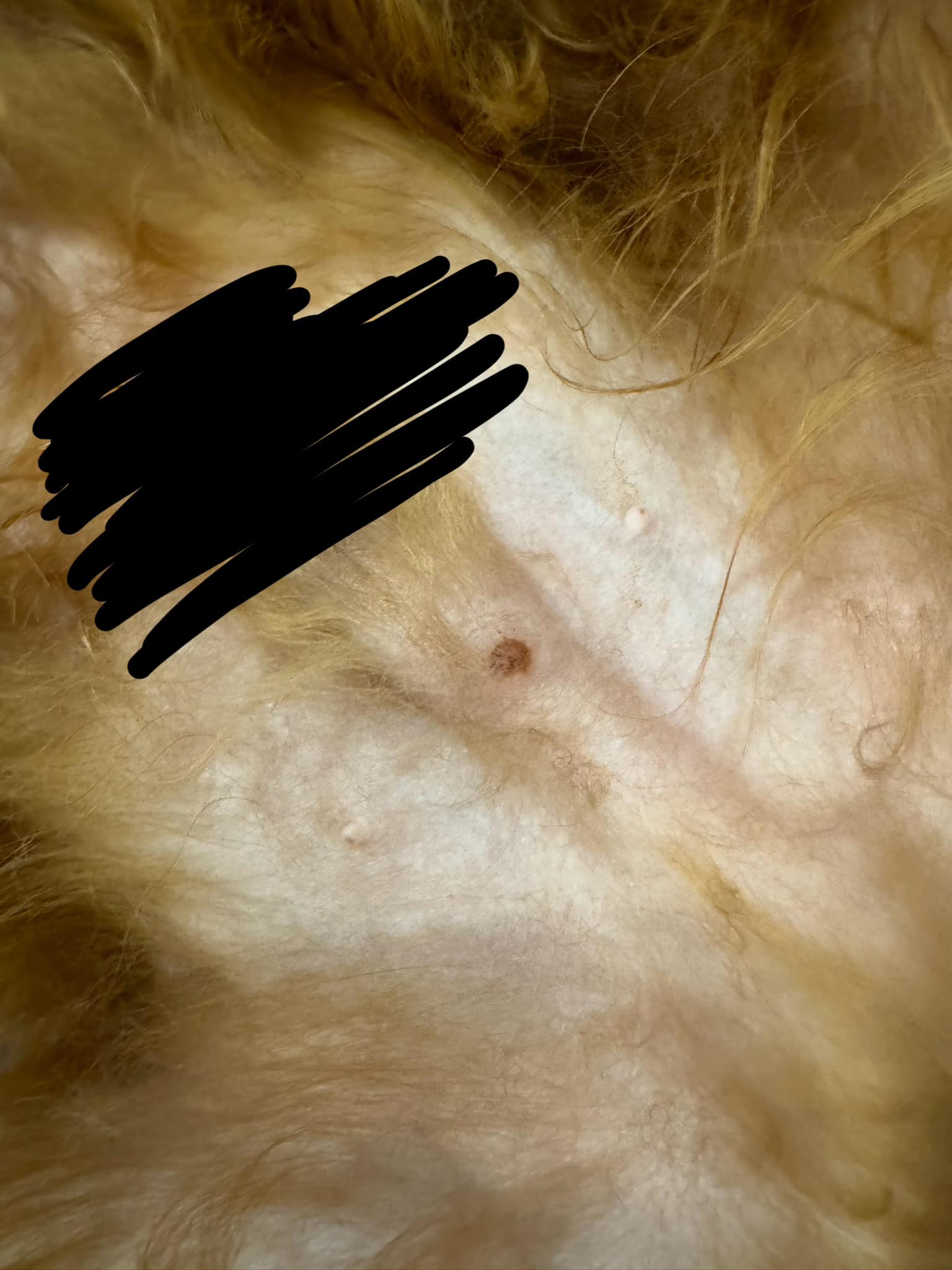
Skin growths in dogs can vary from benign moles to more serious tumors. Moles are generally harmless and appear as small, dark spots on the skin. However, not all growths are benign, and some could indicate underlying health issues.
Regular checks during grooming sessions can help you monitor any changes in your dog’s skin. It’s crucial to keep an eye on size, shape, and color. If you notice a growth that changes rapidly, it’s best to consult your vet.
Have you ever come across an unusual growth on your pet’s skin and wondered about its significance? Keeping an informed eye can make a world of difference in your furry friend’s health.
Moles In Dogs
Dogs can get moles on their skin just like humans. These small, dark spots are usually harmless but should be checked by a vet to ensure they are not problematic. Regular monitoring of your dog’s skin can help in early detection of any unusual changes.
Moles in dogs are quite common and usually harmless. They are small, dark spots on the skin. These spots can appear anywhere on a dog’s body. Dog moles are similar to those found on humans. While most are benign, some may require attention.Characteristics Of Dog Moles
Dog moles are typically round or oval. Their color ranges from brown to black. They can be flat or slightly raised. Moles are generally smaller than a pencil eraser. Some may have hair growing from them. They often remain the same size over time. Changes in size or color can be a concern. Regular checks help in early detection of issues. Knowing these traits aids in distinguishing moles from other marks.Differences Between Moles And Other Skin Conditions
Not all skin spots are moles. Warts are rough and have a cauliflower-like texture. They are caused by viruses. Skin tags are small, flesh-colored growths. They hang off the skin and are soft. Cysts are lumps filled with fluid or air. They can be painful or itchy. Tumors vary in size and can be malignant. Recognizing these differences is essential for proper care. Always consult a vet for unusual changes. Regular check-ups ensure your dog’s skin health.Causes Of Moles
Do dogs get moles on their skin? Yes, they do. Moles on a dog’s skin can appear for several reasons. Understanding these causes can help in identifying them early. Let’s explore the main factors that contribute to the formation of moles in dogs.
Genetic Factors
Some dogs are more prone to moles due to genetics. Specific breeds have a higher likelihood of developing skin growths. This is similar to how some people have a family history of moles. The genes play a significant role in determining skin characteristics. It’s important for dog owners to be aware of their pet’s breed tendencies.
Environmental Influences
The environment can impact a dog’s skin. Sun exposure is a well-known factor that affects skin health. Dogs that spend a lot of time outdoors may develop moles. This is especially true for dogs with light-colored fur. Chemicals in their environment can also cause skin changes. Regular checks help catch these early.
Credit: www.facebook.com
Signs Of Concern
Dogs can develop moles similar to humans, which might be harmless or signal health concerns. Observing changes in size, color, or shape can help identify potential issues early. Regular vet check-ups ensure any suspicious moles are promptly addressed.
When your dog gets a mole, it’s natural to feel a mix of curiosity and concern. Moles are usually harmless, but some can indicate a health issue. Knowing the signs to watch for can make all the difference for your furry friend.When To Consult A Veterinarian
If you notice a new mole on your dog, or an existing one changes in size, shape, or color, a vet visit is a good idea. Rapid growth or an irregular border can be warning signs. Your vet can assess whether the mole is harmless or needs further investigation.Symptoms Of Problematic Moles
Problematic moles may bleed or ooze fluid, which is a red flag. If your dog seems to be itching or biting at a mole, it might be causing discomfort. Swelling or redness around the mole’s area can also indicate a problem. Your dog’s health is a priority, so don’t hesitate to seek professional advice. Early detection and treatment can prevent more serious issues. Have you ever noticed a suspicious mole on your dog? What did you do?Diagnosis And Treatment
Dogs can develop moles on their skin, similar to humans. Diagnosis involves a vet examining these skin growths. Treatment may include monitoring, removal, or biopsy depending on the mole’s nature and risk.
Dogs, like humans, can develop skin moles. While these are often harmless, it’s crucial to understand how to diagnose and treat them effectively. Knowing what steps to take can ensure your furry friend’s health and comfort. Let’s delve into the diagnostic procedures and treatment options for skin moles in dogs.Diagnostic Procedures
Diagnosing skin moles in dogs typically starts with a thorough visual inspection by a veterinarian. They will examine the mole’s size, shape, and color to determine if it appears benign or suspicious. A biopsy might be recommended if the mole looks irregular or has changed over time. This involves removing a small tissue sample for analysis to check for any signs of malignancy. Some vets also use dermoscopy, a non-invasive imaging technique, to get a closer look at the mole’s structure. This can help in assessing the mole more accurately without surgery.Treatment Options
If the mole is benign, treatment might not be necessary unless it causes discomfort or irritation to your dog. Regular monitoring is often advised to watch for any changes. For problematic moles, surgical removal is a common option. This is a straightforward procedure usually performed under local anesthesia, ensuring minimal discomfort for your pet. In cases where the mole is malignant, more aggressive treatment, such as chemotherapy or radiation therapy, may be required. Your vet will guide you through the best course of action depending on the mole’s nature. Have you ever noticed a mole on your dog’s skin and wondered if it was a cause for concern? Regular check-ups and proactive care are key to your dog’s health. How often do you monitor your pet’s skin for changes?Preventative Care
Dogs can develop moles on their skin, just like humans. Regular checks help spot changes early. Consult a vet if you notice unusual growths.
Preventative care for dogs’ skin is crucial. Dogs can develop moles, just like humans. Regular monitoring can help detect any changes early. This ensures your furry friend stays healthy and happy.Regular Skin Check-ups
Schedule routine skin exams for your dog. Look for any unusual spots or growths. Early detection of skin changes is key. Consult a vet if you notice anything suspicious. Regular check-ups can prevent serious skin issues.Maintaining Healthy Skin
Proper nutrition supports healthy skin. Feed your dog a balanced diet rich in vitamins. Omega-3 fatty acids are beneficial for skin health. Ensure your dog stays hydrated. Healthy skin is less prone to problems. Keep your dog clean and groomed. Regular baths remove dirt and bacteria. Choose gentle shampoos suitable for dogs. Avoid harsh chemicals that can irritate the skin. Brush your dog to remove loose fur and prevent mats.
Credit: www.facebook.com
Frequently Asked Questions
Can Dogs Develop Moles On Their Skin?
Yes, dogs can develop moles on their skin. Moles in dogs are usually benign and harmless. However, it is important to monitor them for any changes in size, shape, or color. Regular check-ups with a veterinarian can help ensure that any skin growths are not problematic.
How To Identify A Mole On My Dog?
Moles on dogs are typically small, round, and slightly raised. They can be brown, black, or flesh-colored. It’s important to regularly check your dog’s skin for any new or changing moles. Consulting a vet for any suspicious growths is always recommended to ensure your pet’s health.
Are Skin Moles In Dogs Dangerous?
Most skin moles in dogs are benign and not dangerous. However, any mole that changes in size, shape, or color should be examined by a vet. Regular monitoring and veterinary check-ups are essential to detect potential health issues early and ensure your dog’s safety.
Should I Be Worried About Dog Moles?
Generally, you shouldn’t worry about dog moles as they are mostly benign. It’s important to monitor them for any changes, such as size, shape, or color. Consult your vet if you notice any changes to ensure your dog’s health and well-being.
Conclusion
Dogs can develop moles on their skin. These moles are usually harmless. Still, regular checks are important. Early detection helps prevent issues. Consult a vet if you see changes. Moles that grow or change color need attention. Skin health reflects overall dog health.
Maintain a balanced diet and grooming routine. This supports healthy skin. Keep an eye on your dog’s skin regularly. Being observant keeps your pet safe. Remember, a healthy dog is a happy dog. Regular vet visits ensure peace of mind.
Your dog’s well-being is in your hands. Take action promptly if needed.