Do Dogs Need Coats for Winter: Essential Pet Care Tips
Senior Canine Nutritionist & Dog Behavior Specialist at Cozy Dog Go Wellness Lab
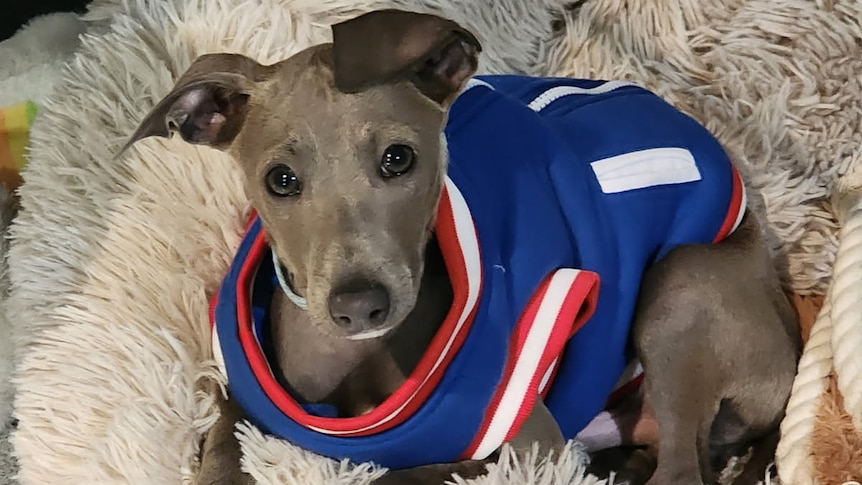
Winter is just around the corner, and as you pull out your cozy sweaters and thick coats, you might wonder if your furry friend needs the same protection. Do dogs need coats for winter?
It’s a question that often sparks debate among pet owners. You love your dog and want to keep them safe and comfortable, but how do you know if a coat is necessary? Understanding your dog’s needs can be tricky, but it’s essential for their health and happiness.
We’ll explore what factors to consider when deciding if your dog needs a winter coat. By the end, you’ll have all the insights to make the best decision for your pup’s winter wardrobe, ensuring they stay warm and enjoy the colder months to the fullest. Are you ready to learn the truth about dogs and winter coats? Let’s dive in!
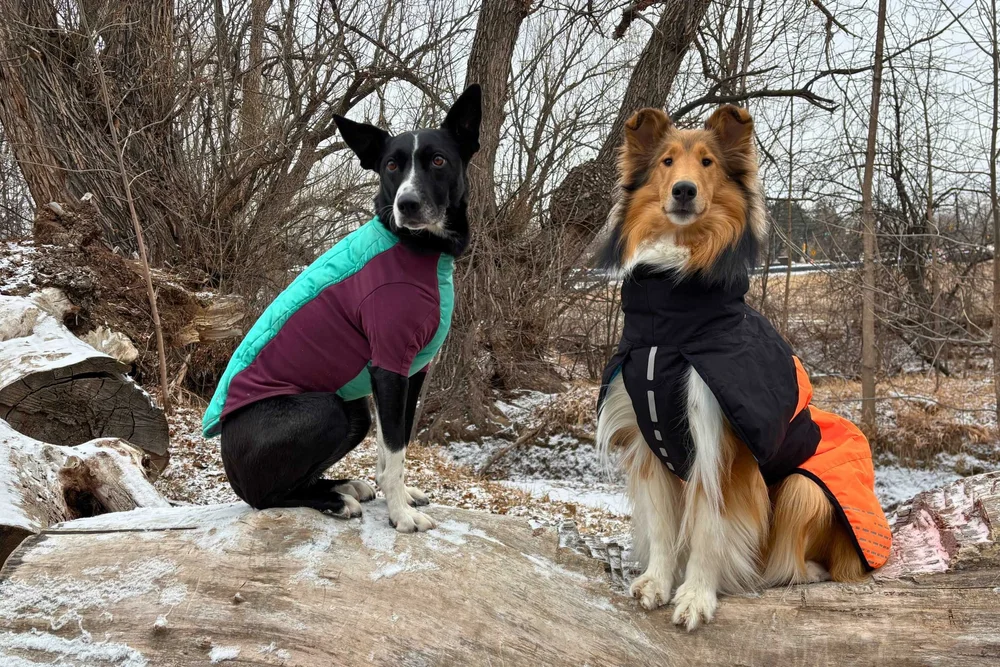
Credit: www.treelinereview.com
Reasons Dogs Might Need Coats
As winter approaches, dog owners often ask if their dogs need coats. Not all dogs handle cold weather the same way. Some dogs may benefit from wearing a coat. Let’s explore the reasons why a dog might need a winter coat.
Breed Characteristics
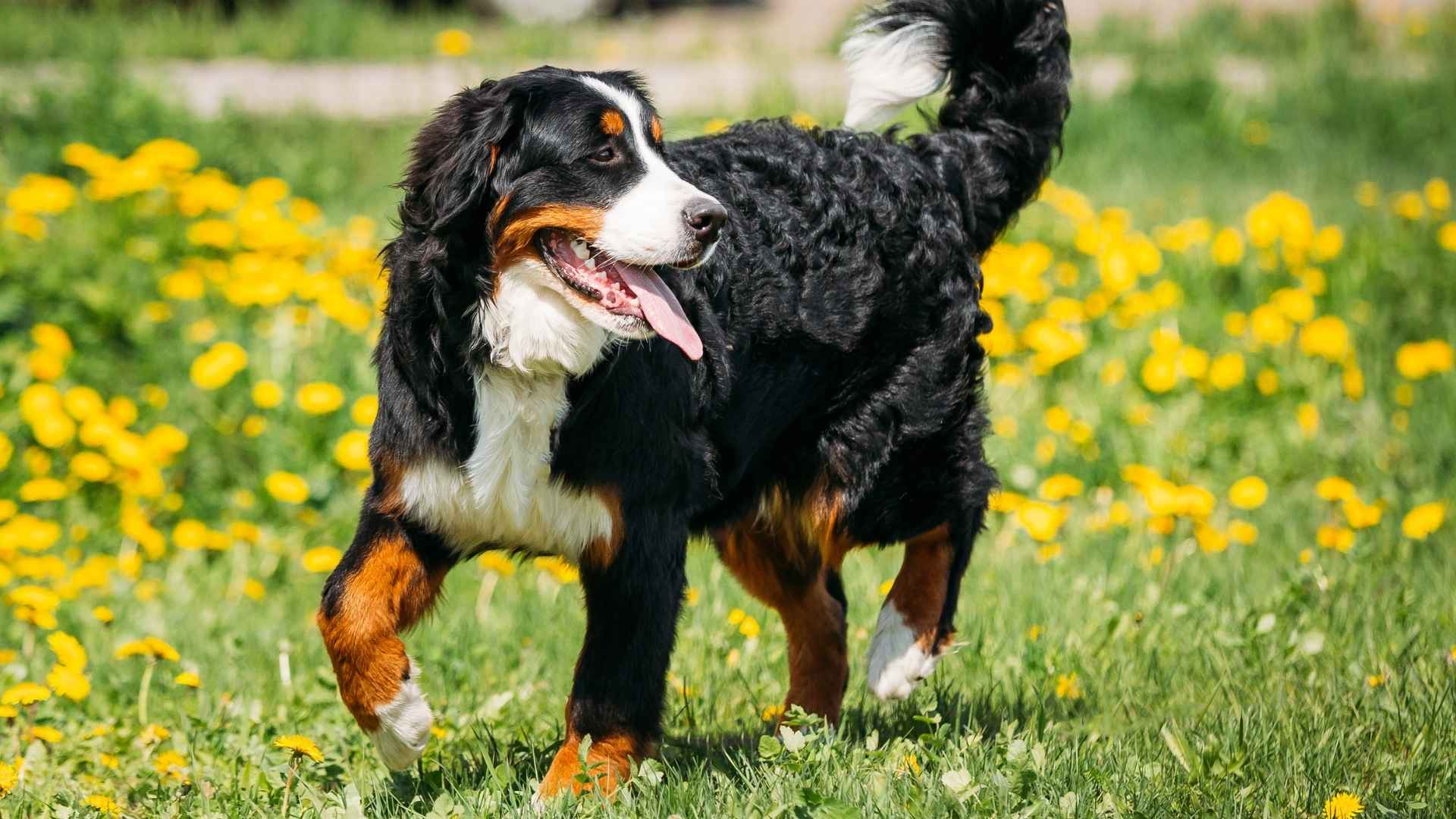
Some breeds have thick fur, naturally insulating them from the cold. Breeds like Huskies and Malamutes thrive in cold climates. But short-haired breeds, like Greyhounds and Chihuahuas, lack this natural protection. They feel the chill more acutely and may need extra warmth.
Age And Health Considerations
Puppies and senior dogs often struggle with temperature regulation. Their bodies can’t maintain warmth as effectively as healthy adults. Dogs with health issues, like arthritis, may also benefit from a coat. Cold weather can worsen their condition, making them uncomfortable.
Environmental Factors
The environment plays a significant role in a dog’s need for a coat. Dogs in windy, snowy areas may need extra protection. Urban dogs, exposed to chilly winds during walks, can benefit from a coat. Indoor dogs with less exposure to cold might not need one as much.
Types Of Dog Coats
As winter approaches, many dog owners wonder if their furry friends need extra protection from the cold. Different types of dog coats can provide warmth and comfort for your pet. Choosing the right coat depends on your dog’s breed, size, and activity level. Let’s explore some popular options to keep your dog cozy and dry during chilly days.
Waterproof Coats
Waterproof coats are ideal for rainy or snowy conditions. They keep your dog dry and comfortable. These coats often have a durable outer layer. This layer repels water and protects against the wind. Look for coats with adjustable straps for a snug fit. Some waterproof coats feature reflective strips. These improve visibility during evening walks.
Insulated Jackets
Insulated jackets provide extra warmth for dogs in cold climates. They have layers that trap body heat and block cold air. Many insulated jackets come with fleece lining. This adds softness and comfort. Choose jackets with zippers or Velcro closures for easy dressing. Insulated jackets are great for outdoor adventures.
Sweaters And Fleeces
Sweaters and fleeces are perfect for indoor warmth. They are lightweight and easy to wear. These garments are often made from soft, stretchy materials. This allows for freedom of movement. Sweaters come in various styles and colors. They can also be a fashion statement for your pet. Fleeces are excellent for lounging at home or short walks.
Choosing The Right Coat
Choosing the right coat for your dog can provide warmth during chilly winter walks. Small or short-haired breeds may benefit most from extra layers. Ensure the coat fits well without restricting movement.
Choosing the right coat for your dog during the winter months can make all the difference in their comfort and protection from the cold. With a wide array of options available, it’s essential to consider several factors that will ensure your furry friend stays warm and cozy. From fit to material, and ease of use, each aspect plays a vital role in finding the perfect coat for your dog.Sizing And Fit
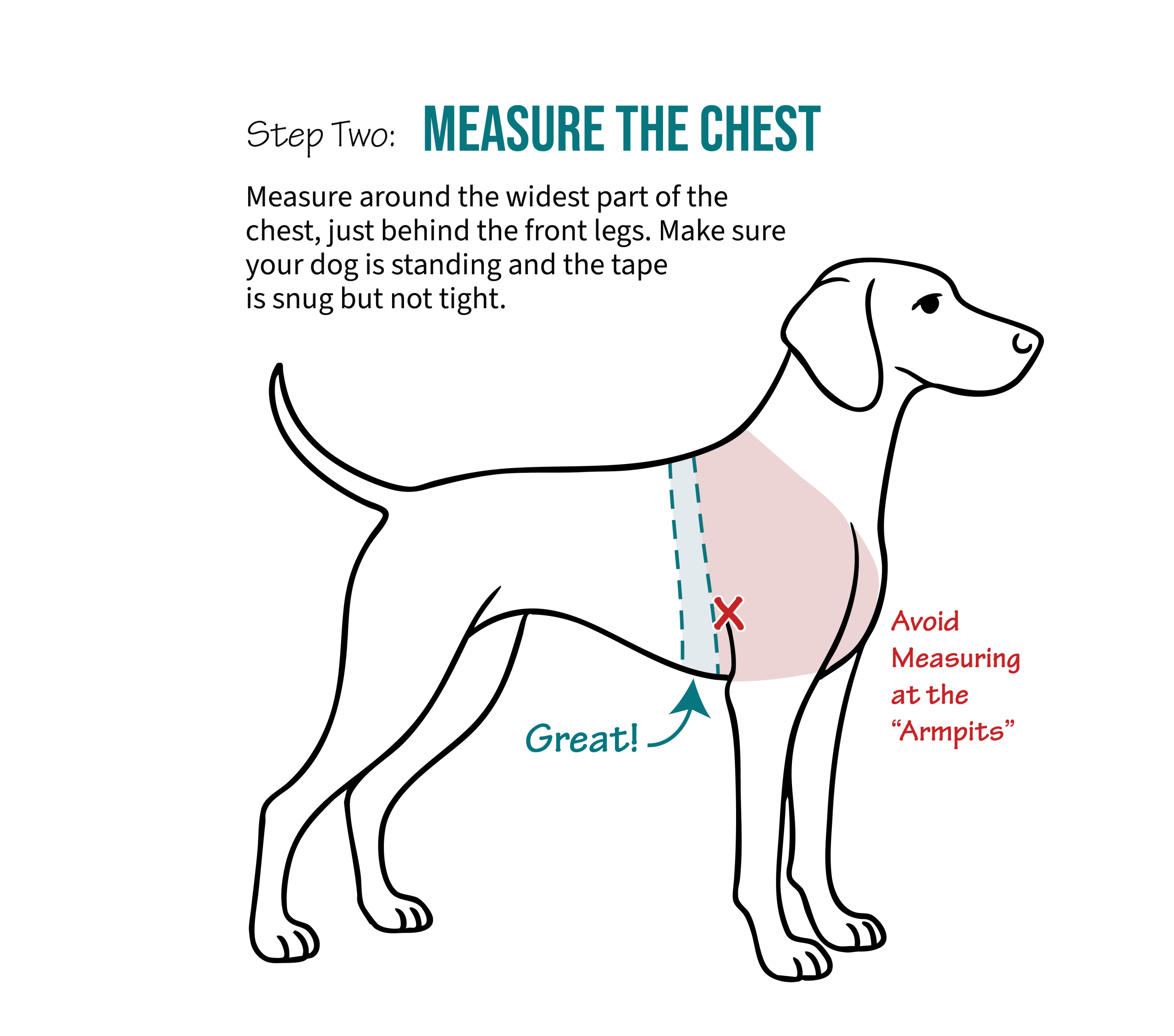
A coat that fits well is crucial for your dog’s comfort and mobility. Measure your dog’s neck, chest, and length to find the best size. A snug fit keeps warmth in but should allow your dog to move freely. Visit a pet store if possible, and try on a few options. This firsthand experience will help you gauge the best fit. Remember, a well-fitted coat should not hinder your dog’s natural movements.Material And Durability
The material of the coat matters significantly in ensuring your dog stays warm and dry. Opt for waterproof or water-resistant fabrics if you live in a rainy or snowy area. Consider durability, especially if your dog loves outdoor adventures. Sturdy materials like nylon or polyester can withstand wear and tear. Investing in a durable coat means fewer replacements and more fun outdoor activities.Ease Of Use
Choose a coat that’s easy to put on and take off, especially if your dog is not a fan of dressing up. Velcro straps or simple buckle systems make the process quicker and less stressful for both you and your dog. Consider how easy it is to clean the coat. Machine washable options can save time and keep the coat looking fresh. Ask yourself, will this coat simplify your life, or add extra chores?
Credit: pfoten.net
Signs Your Dog Needs A Coat
As temperatures drop, some dogs might need a little extra warmth. How do you know if your furry friend needs a coat for winter? Look out for signs that indicate your dog is feeling the chill.
Shivering And Cold Symptoms
One clear sign is shivering. If your dog shakes in cold weather, it might be too chilly. Check for cold ears and paws. These symptoms suggest discomfort in low temperatures.
Behavioral Changes
Changes in behavior can be a signal. Does your dog refuse to go outside? Reluctance to walk or play in the cold may mean it’s time for a coat.
Sensitivity To Weather
Some dogs are more sensitive to weather changes. Thin fur or small size can make them feel colder. If your dog seems uncomfortable, a coat might help keep it warm.
Alternatives To Dog Coats
During winter, many pet owners wonder if their dogs need coats. While coats can offer warmth, there are alternatives to keep dogs cozy without the hassle of dressing them up. These options can be effective in ensuring your furry friend stays warm and comfortable during the cold months.
Indoor Warmth Options
Keeping your dog warm indoors is crucial. Ensure their bed is away from drafts. Use plush blankets or heated pet beds for extra warmth. Close windows and doors to maintain a warm environment. If possible, set the thermostat to a comfortable temperature. This creates a cozy indoor setting for your pet.
Exercise And Activity
Physical activity helps dogs generate body heat. Regular play indoors can keep them active and warm. Short walks outside during the day can be beneficial. Choose times when the sun is out. Avoid wet or windy conditions. Exercise keeps their muscles warm and boosts circulation.
Dietary Considerations
Diet plays a role in maintaining body heat. Provide a well-balanced diet rich in nutrients. Consider adding healthy fats, which can increase energy. Hydration is equally important. Warm water can encourage drinking. Proper nutrition supports overall health and warmth.
Safety Tips For Winter Walks
Dogs often need coats during winter walks to stay warm. Smaller breeds and short-haired dogs feel the cold more. A cozy coat can protect them from chilly winds and keep them comfortable.
Winter walks can be delightful for both dogs and their owners. Crisp air and snowy landscapes offer a refreshing change. Yet, the cold weather poses unique challenges. Ensuring your dog’s safety and comfort is crucial during these outings. Here are some essential safety tips to make winter walks enjoyable and safe for your furry friend.Foot Protection
Dogs’ paws are sensitive to cold and ice. Protect them with dog boots. These boots shield against frostbite and harmful chemicals like de-icers. Ensure boots fit snugly but comfortably. For dogs not used to boots, start with short periods indoors. This helps them adjust. After each walk, check paws for cracks or debris. Clean them with a damp cloth to remove any salt or ice.Hydration And Nutrition
Cold weather can dehydrate dogs. Ensure they have access to fresh water. Carry a portable water bowl during walks. Nutrition is equally important. Dogs burn more calories in the cold. Adjust their diet to meet increased energy needs. Consult your vet for specific dietary advice. A balanced diet keeps your dog healthy and energetic.Avoiding Hazards
Winter landscapes hide many hazards. Ice can cause slips and injuries. Keep your dog on a leash to maintain control. Avoid frozen ponds or lakes, as they may not support weight. Be cautious of antifreeze spills. It tastes sweet but is toxic to dogs. Keep an eye out for sharp objects hidden under snow. These can injure paws or cause other harm. Stay vigilant and proactive during your winter adventures.Credit: www.abc.net.au
Frequently Asked Questions
Do All Dogs Need Coats In Winter?
Not all dogs need coats in winter. Breeds with thick fur like Huskies are naturally equipped for cold. However, small or short-haired breeds may benefit from extra warmth. Consider your dog’s size, fur type, and tolerance to cold before deciding on a winter coat.
Can A Coat Help Prevent Hypothermia In Dogs?
Yes, a coat can help prevent hypothermia in dogs. It provides an extra layer of insulation, keeping them warm during cold weather. Small or short-haired dogs are more susceptible to hypothermia. Always monitor your dog’s comfort and adjust their clothing as needed.
How Do I Choose The Right Coat For My Dog?
Choose a coat based on your dog’s size, fur type, and activity level. Ensure it’s waterproof for wet conditions. Check for adjustable straps to ensure a snug fit. Prioritize comfort and ease of movement, especially if your dog is active outdoors.
Are Dog Coats Necessary In Mild Winters?
Dog coats may not be necessary in mild winters. Dogs with thick fur can usually handle mild cold without extra clothing. However, small or short-haired dogs might still benefit from a light coat. Always assess your dog’s comfort and adjust clothing based on weather conditions.
Conclusion
Dogs can benefit from coats in winter. Cold weather affects them too. Short-haired breeds feel the chill more. Older dogs need extra warmth. Coats keep them cozy and safe. Choose the right fit and material. It’s not just about style; it’s about comfort.
Watch your dog’s behavior for signs of cold. Shivering or reluctance to go outside indicates they need a coat. Ensure they stay warm this winter. Their health and happiness depend on it. A coat can make a big difference. Always prioritize their well-being.
Keep them snug and healthy. Enjoy winter walks together!

Similar Posts