What Does It Mean When a Dog is Reactive: Unraveling Behavior
Imagine you’re enjoying a peaceful walk with your dog when suddenly, out of nowhere, they start barking and lunging at another dog or a passing car. You’re left feeling puzzled and perhaps a bit embarrassed.
If this sounds familiar, you might be dealing with a reactive dog. But what does it mean when a dog is reactive? Understanding this behavior is crucial for your dog’s well-being and for your peace of mind. Reactive dogs are not aggressive or bad; they simply respond to certain stimuli in an exaggerated way.
By uncovering the reasons behind this behavior and learning how to manage it, you can transform stressful situations into calm and enjoyable experiences. Stick with us as we dive into the world of reactive dogs, offering insights and practical tips that could change the way you and your furry friend navigate daily life.
Credit: theonlinedogtrainer.com
Understanding Dog Reactivity
Understanding dog reactivity involves recognizing how some dogs may overreact to certain triggers. This behavior can include barking, lunging, or growling in response to things like other dogs, people, or noises. It’s essential to identify these triggers to help manage and train for calmer responses.
Understanding dog reactivity is crucial for pet owners. Reactivity in dogs often causes confusion. It involves intense responses to specific stimuli. These reactions can range from barking to lunging. Understanding the root helps manage behavior better.Signs Of Reactivity
Recognizing signs of reactivity is the first step. Dogs may bark excessively. They might growl or show their teeth. Some dogs pull on the leash. Others might jump or lunge. These are common indicators of reactivity. Observing these signs helps in identifying triggers.Common Triggers
Dogs react to various triggers. Strangers often provoke reactions. Other dogs can cause stress too. Loud noises like fireworks upset many dogs. Fast-moving objects, like bicycles, are unsettling. Even unfamiliar environments can trigger a reaction. Identifying these triggers aids in managing reactivity effectively.Causes Of Reactive Behavior
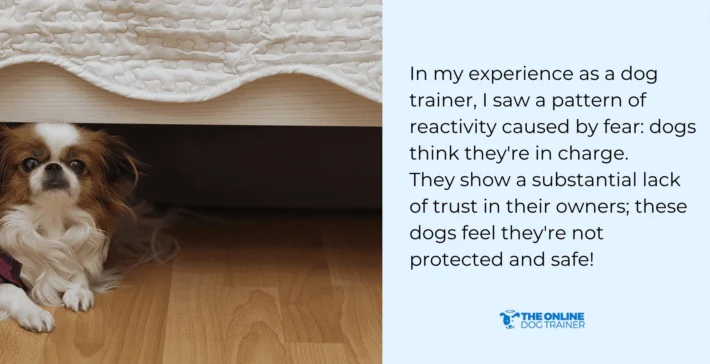
What Does It Mean When a Dog is Reactive Fear, anxiety, or past trauma often cause reactive behavior in dogs. Loud noises or unfamiliar environments can trigger these responses. Understanding these causes helps in managing and reducing reactivity.
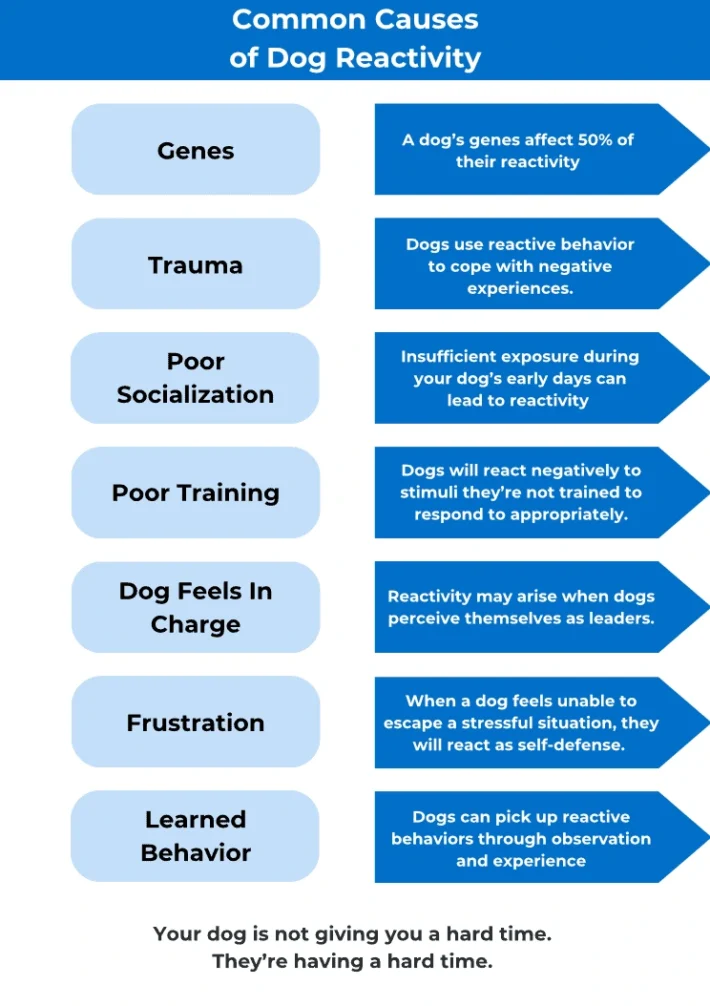
Understanding the causes behind a dog’s reactive behavior can be key to addressing and managing it. When a dog is reactive, it often means they are over-responsive to certain stimuli, which can include other animals, people, or even objects. These responses can stem from various factors, such as genetic predispositions or environmental influences. Let’s explore these causes further.Genetic Factors
Genetics play a significant role in a dog’s temperament and behavior. Some breeds are naturally more predisposed to reactivity due to their lineage. For example, herding breeds may react more intensely to moving objects because of their instinct to chase and herd. Have you ever noticed how some dogs just seem to have a higher energy level or alertness? This could be a genetic trait passed down through generations. It’s fascinating to consider how a dog’s ancestry influences its behavior today.Environmental Influences
A dog’s environment significantly impacts their behavior. Dogs raised in chaotic or unpredictable settings may develop reactivity as a defense mechanism. On the other hand, a calm and structured environment can help reduce anxiety and reactivity. Think about your dog’s daily experiences. Are they exposed to loud noises, unfamiliar animals, or frequent changes? These factors can contribute to their reactive behavior. By understanding the environment your dog is exposed to, you can start to identify triggers and work towards creating a more stable space. This can lead to a more relaxed and happy pet.Impact On Dog And Owner
Understanding dog reactivity is crucial for both the pet and the owner. Reactivity in dogs often leads to stress and challenges. It affects the daily routines of both parties. This section explores these impacts.
Stress And Anxiety
Reactive dogs experience high levels of stress. Loud noises or strange animals can trigger them. This stress can cause anxiety and fear. Such feelings are not easy for dogs to handle. Owners feel anxious too when their dogs are upset. They worry about their pet’s wellbeing. This worry can create a tense environment at home. A relaxed atmosphere becomes hard to maintain.
Challenges In Daily Life
Daily life with a reactive dog can be tough. Simple tasks like walking become challenging. The dog may bark or lunge at others. This behavior can embarrass the owner in public. Owners often feel isolated. Social activities with other dog owners become rare. The fear of an incident keeps them away. Training sessions become a necessity, adding to the daily workload. Owners must adjust their schedules to fit in time for this. Both the dog and owner need patience and understanding.
Credit: theonlinedogtrainer.com
Effective Management Strategies
Managing a reactive dog can be challenging but achievable. With effective strategies, you can help your dog become calmer and more controlled. Patience and consistency are key. Implement structured approaches to see progress over time. Explore various techniques to understand what works best for your dog. Each dog is unique, so adapt strategies accordingly.
Training Techniques
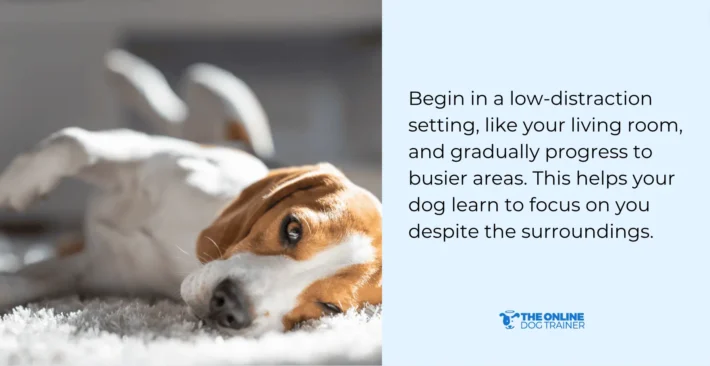
Consistent training is crucial for managing a reactive dog. Focus on basic commands like sit, stay, and come. Use positive reinforcement to reward good behavior. Treats and praise encourage your dog to repeat desired actions. Gradually expose your dog to triggers in a controlled environment. Start with a distance where the dog feels comfortable. Slowly decrease the distance as your dog becomes more relaxed. Avoid overwhelming situations that can increase reactivity.
Behavior Modification
Behavior modification aims to change how a dog reacts to triggers. Identify what causes your dog’s reactivity. Is it other dogs, strangers, or noises? Understanding triggers helps tailor the approach. Counter-conditioning is a useful method. Pair the trigger with something positive, like treats. Over time, the dog associates the trigger with positive experiences. Desensitization involves gradual exposure to the trigger. Start with low-intensity exposure, then slowly increase it. This helps the dog build tolerance and reduce reactivity.
Professional Support
Reactive dogs often overreact to certain stimuli, such as other dogs or loud noises. This can mean barking, lunging, or showing aggression. Understanding triggers helps in managing and calming reactive behavior effectively.
Seeking professional support can be a game-changer when dealing with a reactive dog. It’s a step that provides not just hope, but practical strategies tailored to your pet’s unique needs. By working with experts, you can transform challenging behaviors into opportunities for growth and bonding.Working With Behaviorists
Behaviorists specialize in understanding the ‘why’ behind your dog’s reactivity. They assess triggers, environments, and even your own reactions to craft personalized training plans. Imagine having a clear roadmap to help your dog feel more secure and relaxed. These professionals often use positive reinforcement techniques. This method encourages good behavior through rewards, making learning a pleasant experience for your dog. Have you noticed how much more receptive your dog is when they know a treat is on the way?Veterinary Guidance
Sometimes, reactivity stems from underlying health issues that need addressing. A visit to the vet can rule out medical problems contributing to your dog’s behavior. After all, a dog in pain may react aggressively simply because they’re uncomfortable. Vets can also provide advice on dietary adjustments or supplements that may improve your dog’s mood and behavior. The right nutrition can make a surprising difference in a pet’s temperament. Could a change in diet be the key to easing your dog’s reactivity?Preventing Reactivity
A reactive dog often displays excessive barking or lunging. This behavior usually stems from fear or frustration. Understanding reactivity helps in providing suitable training and calm environments.
Preventing reactivity in dogs is crucial for fostering a peaceful and enjoyable relationship with your furry friend. A reactive dog might bark excessively, lunge, or display aggressive behavior when faced with certain triggers. Understanding how to prevent these behaviors can make all the difference in ensuring your dog is comfortable and calm in various situations. With a few proactive steps, you can help your dog remain composed and content.Early Socialization
Socializing your dog from an early age is one of the most effective ways to prevent reactivity. Introduce your puppy to a variety of environments, people, and other animals. This exposure helps them learn how to behave appropriately in different scenarios. Consider taking your dog to puppy classes where they can interact with others in a controlled environment. The more positive experiences your dog has, the less likely they are to react negatively when faced with unfamiliar situations. As your dog grows, continue to expand their experiences. Trips to the park, visits with friends, and walks in the neighborhood are great opportunities to build confidence and reduce reactivity.Consistent Training
Training isn’t just for teaching tricks; it’s essential for developing good behavior and preventing reactivity. Consistent training reinforces positive actions and helps manage your dog’s instincts. Use simple commands like “sit” and “stay” to establish control in potentially reactive situations. Regular practice ensures your dog understands what is expected of them, reducing their likelihood of reacting impulsively. Utilize positive reinforcement to encourage good behavior. Reward your dog with treats or praise when they remain calm, reinforcing that staying composed leads to positive outcomes. Ask yourself, how can training transform your dog’s behavior? The answer lies in the consistent application and patience in teaching your dog how to respond to various stimuli.
Credit: www.instagram.com
Frequently Asked Questions
What Is A Reactive Dog Behavior?
Reactive behavior in dogs means they overreact to stimuli. This can include barking, lunging, or growling. Such behavior often stems from fear or frustration. It is not aggression but an exaggerated response. Understanding triggers is key to managing reactivity.
How Can I Identify A Reactive Dog?
You can identify a reactive dog by observing their responses. Look for signs like barking, lunging, or whining. These reactions often occur when encountering strangers or other animals. Recognizing these signs helps in addressing the behavior effectively.
Why Do Dogs Become Reactive?
Dogs become reactive due to various reasons. Common causes include fear, anxiety, or lack of socialization. Past traumatic experiences can also contribute. Identifying the root cause is essential for appropriate management. Consulting a professional can provide guidance.
How Can I Manage My Dog’s Reactivity?
Managing a dog’s reactivity involves several steps. First, identify and understand the triggers. Training and desensitization can help reduce reactions. Providing a calm environment and using positive reinforcement are effective strategies. Consulting a professional trainer might be beneficial.
Conclusion
Reactive dogs need understanding and patience. They aren’t aggressive by nature. Training and socialization can help improve their behavior. Consistent routines make them feel secure. Professional guidance may be necessary for severe cases. Always observe your dog’s body language for cues.
Communication is key. This builds a stronger bond. Each dog is unique. What works for one may not work for another. Stay patient and compassionate throughout the process. Your efforts can create a happier, more relaxed dog. This benefits both you and your pet.